Podcast
fromArtforum
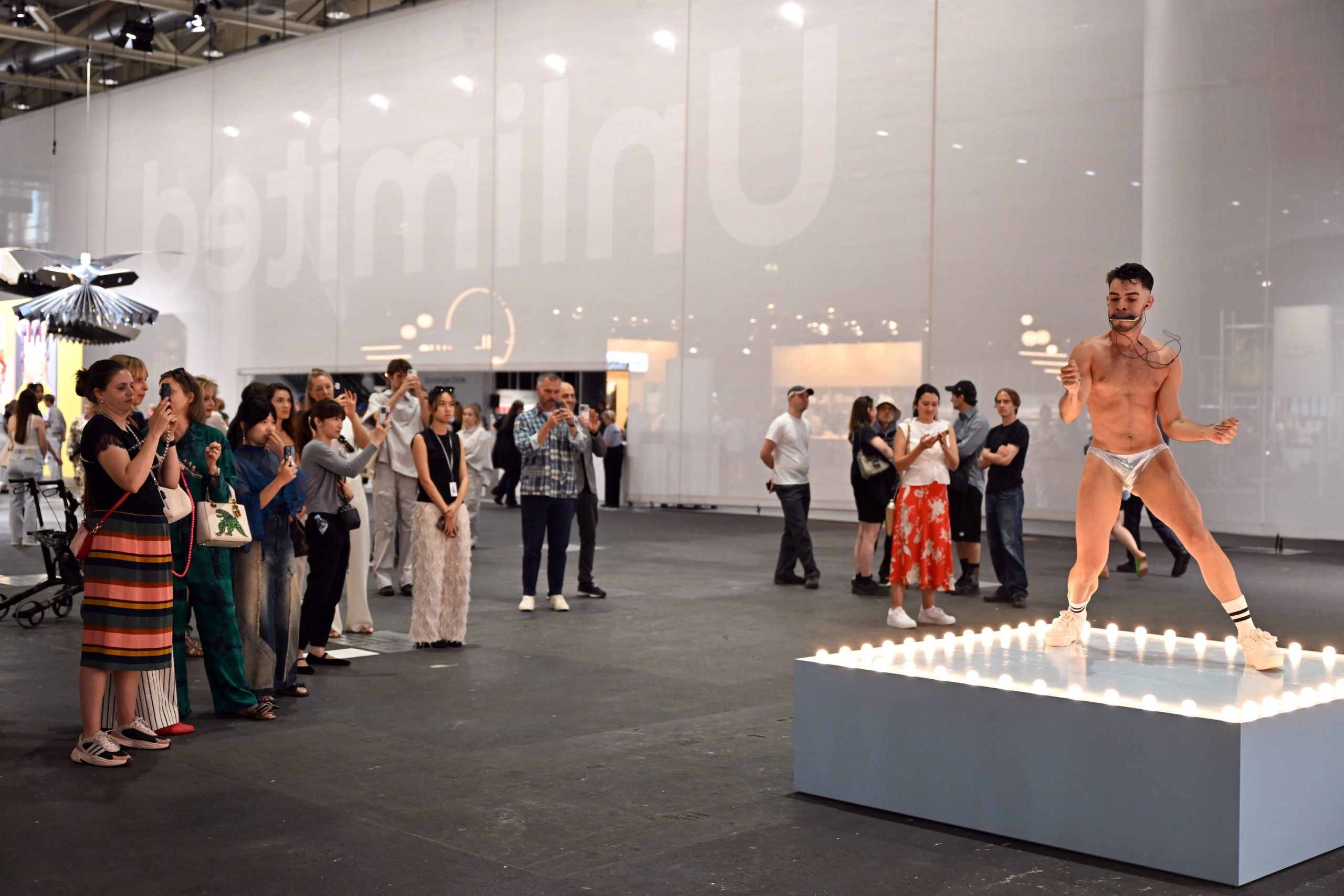
5 hours agoSchlock Jock: Joshua Citarella at the Whitney Biennial
Doomscroll podcast's live tapings at the Whitney reflect changing museum priorities and the evolving relationship between art and digital discourse.
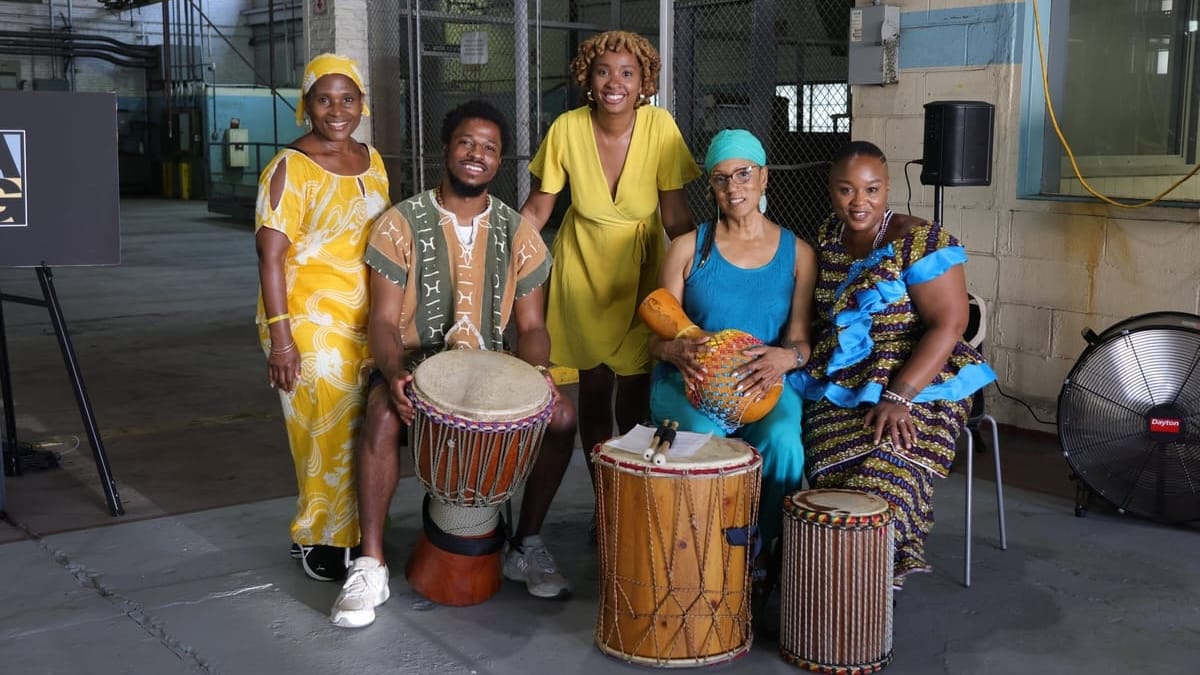
The show features pieces by participants in JASA's programs. The organization, which serves more than 40,000 older adults every year, offers art classes and creative workshops designed to bring people together while encouraging self-expression. The results will be on full display here, from paintings and textile work to other handmade pieces that reflect the artists' personal stories and styles.
Kamrooz Aram is everywhere this year, from Mumbai Art Week to the Whitney Biennial, and critic Aruna D'Souza is grateful. She pens a beautiful meditation on his work, reading his abstract paintings as not simply a denunciation of Western modernism nor a reassertion of Islamic visual motifs, but something else entirely - something gestural, exuberant, riotous, and incomparably his own.
AT FIRST GLANCE, the phrase "avant-garde advertising" might seem like a contradiction in terms: The avant-garde is assumed to be inherently anti-capitalist and the realm of advertising crassly commercial. But the involvement of avant-garde artists with advertising is in fact rich, complex, and long-standing, encompassing a full century of collaborations, critiques, and reworkings of all sorts. That entanglement-in all its diversity-is the topic
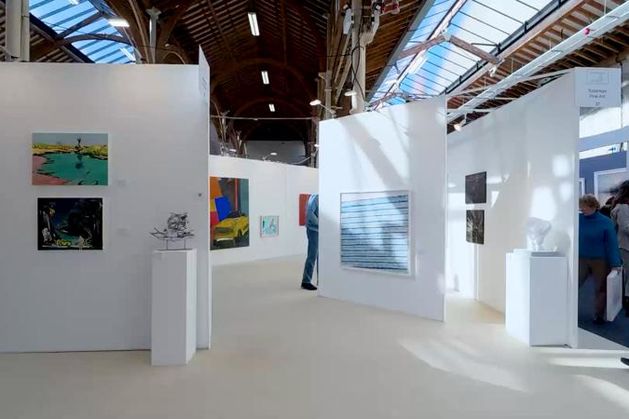
In the midst of the fabulous The Winter Show last weekwhere connoisseurship, collecting, and cultivated taste converge under one vaulted roofthere was a moment of pause, exhale, and recalibration at the heart of the fair: the VIP Collectors Lounge. This year, not as sponsorship, but as philosophy made spatial. It was titled The Modern Salon. Conceived and designed by frenchCALIFORNIA, The Modern Salon rejected the trade-fair instinct toward visual noise and brand fragmentation.
Inside NYC-based artist Mark Dorf's project Late Pastoral, the ecological world is trapped in a rear-illuminated print. It's real - but something is off, it's been digitally altered, data-noise clutters images of glowing plant life. Shaped by the pervasive influence of technology, design and the rhythms of digital connectivity, even nature becomes at one with the unreal. Non-human nature is the main thesis of Mark's wide-spanning digital art works, offering reflections on our digital age.
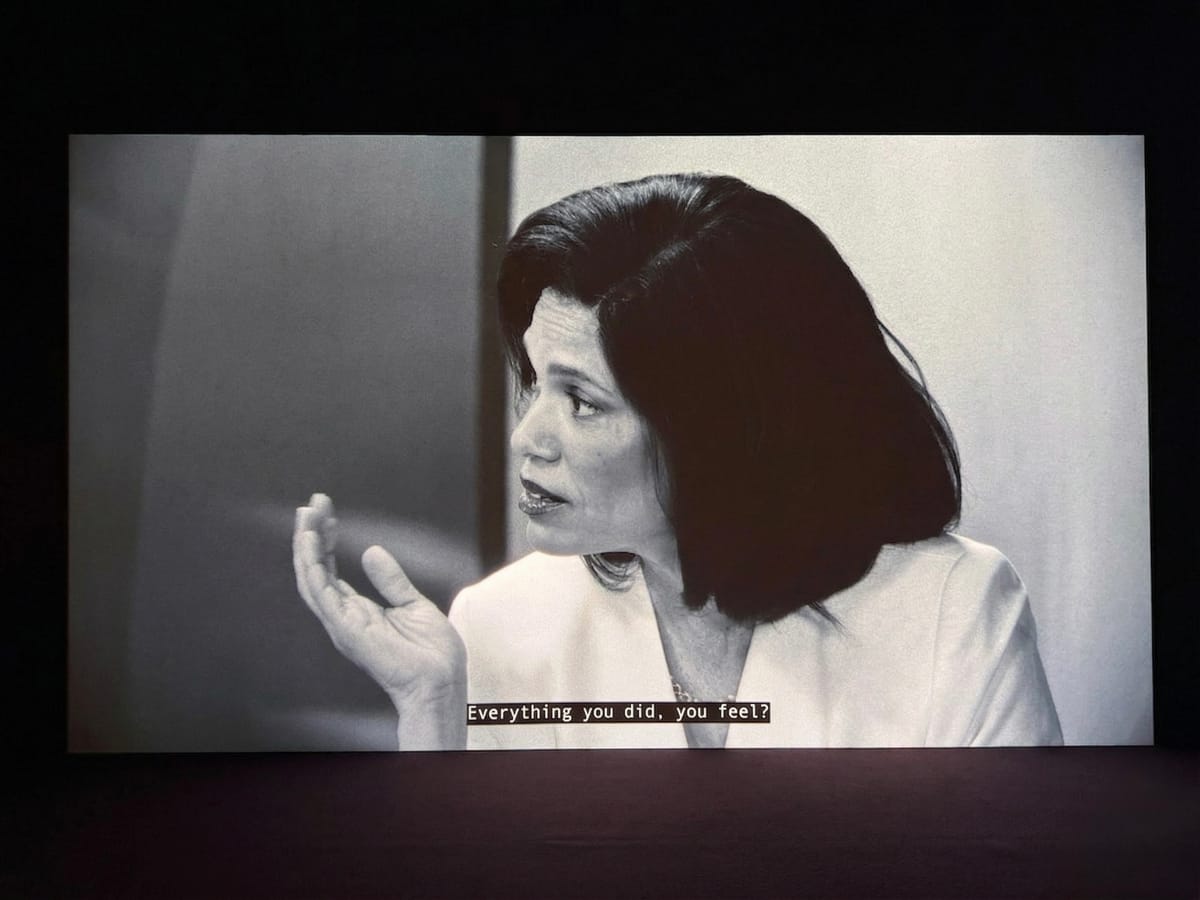
Adapted from Rosenkrantz' book of the same name, published in 2022, the film hinges on a single conversation in December 1974, as Hujar recounts, almost pedantically, everything he did the previous day. Drawn from a long-lost tape, the monologue turns errands, meals and irritations into a portrait of an artist's inner life. It trades plot for precision, offering instead a study of friendship, attention and the conditions of making work in 1970s New York.
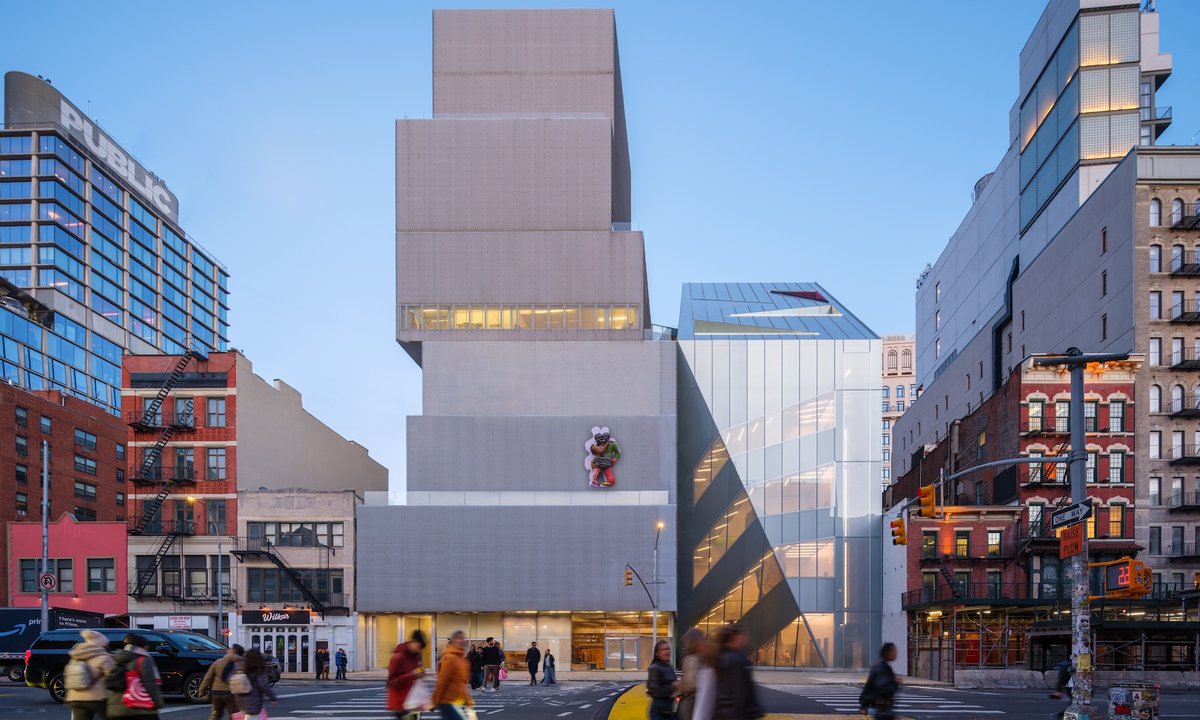
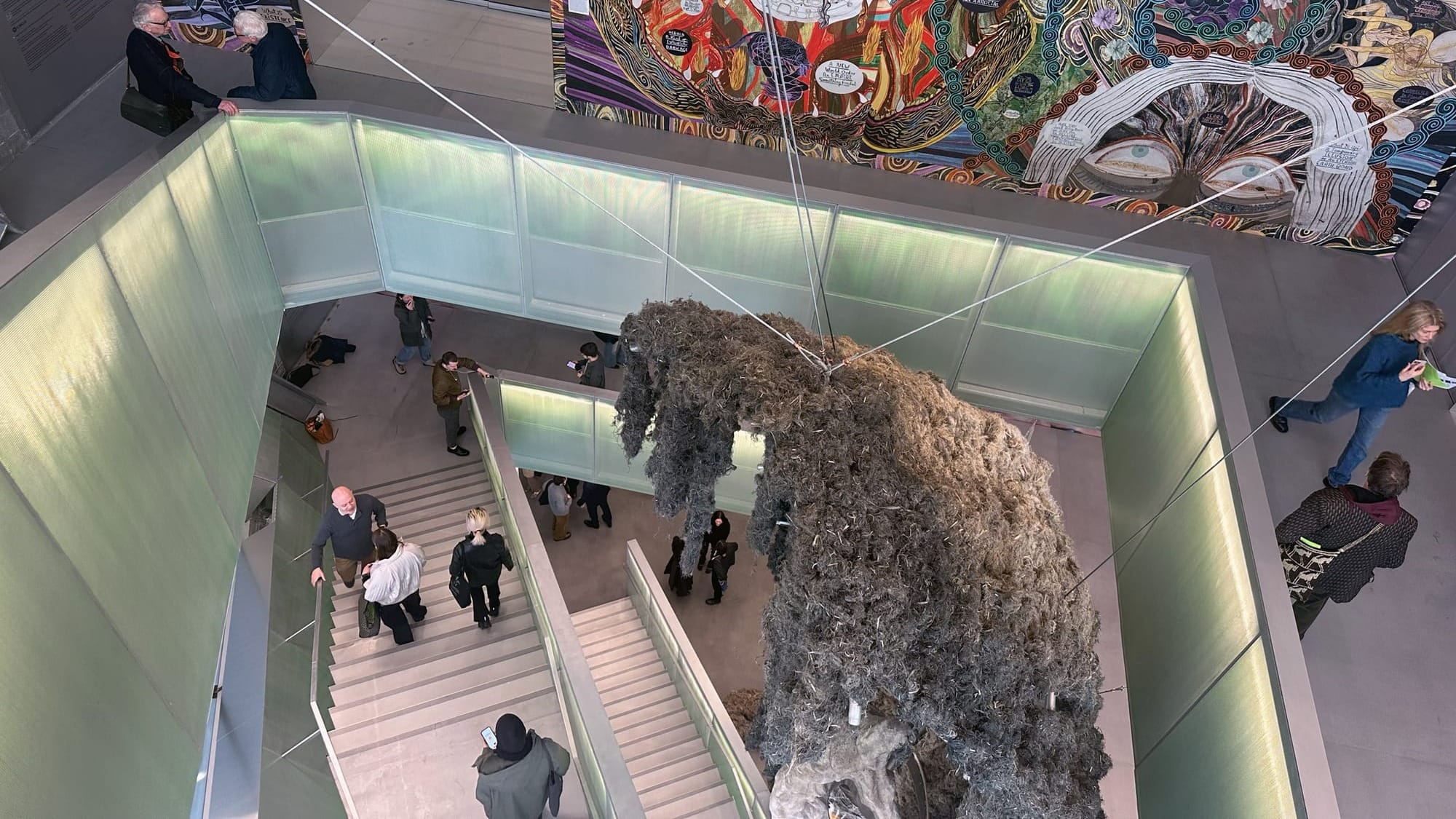
The new New Museum is many things: contemporary, perhaps, but also a science, history, anthropology, and many other museums in one. It echoes the desire of its patron class to own the world and its affiliated courtier class to deliver it to them on a silver platter, or encased in perforated metal, in this case.
On Franklin Street in Brooklyn's Greenpoint neighborhood, one non-commercial gallery fosters 'a small, stubbornly human space for friction.' Friction—the ubiquitous buzzword that captures the simultaneous delight and discomfort of doing things the slow way—is at the heart of artists Pap Souleye Fall and Char Jeré's current show at Subtitled NYC. It also reflects the overall spirit of this little exhibition space and of a burgeoning movement to reject our culture of optimization in favor of a bumpier, more intimate, less alienating experience.
He's an artist that was a major presence in Los Angeles art for almost 50 years, one of the best sculptors to emerge in this town. But he hides in plain sight. Not enough people know about what makes him the artist that he is. When we look closer at Bob's work, he was an artist that was a part of the discussion here in Los Angeles for a very long time.
In 2024, I made a vow to never base my art criticism on wall labels. My decision came after reading reactions to that year's Whitney Biennial. "If every label in 'Even Better Than the Real Thing,' the 81st installment of the Whitney Biennial, were peeled off the walls and tossed into the Hudson, what would happen?" asked Jackson Arn in the New Yorker. (He went on to suggest that the overall show would have been much better.)
Mornings are best for concentrated work. In the winter, I turn on the heat at 8am and get started around 10am. Summer, I start around 9am. I have two areas in the studio for projects. The large, heavy wood sculptures are carved in the front section of the studio, closest to the roll-up wide door. Smaller sculptures are placed on a hydraulic workbench. Before I start, I focus, connect with the Source, and ask for guidance.
Disembodied heads, eyes, and hands meet spindly trees, dragonflies, and vibrant blossoms in the folk-art inspired works of Michael McGrath. Based in Rhinebeck, New York, McGrath melds a variety of media-most pieces contain a mixture of graphite, ink, and oil and acrylic paints-into dynamic compositions suffuse with mystery. Recurring symbols and objects lend themself to a distinctive visual language that captures both the wondrous and puzzling.