#lies-and-deception
#lies-and-deception
[ follow ]
#misinformation #social-media #artificial-intelligence #fact-checking #deepfakes #ai #communication #trust
Psychology
fromSilicon Canals
9 hours agoPsychology says the most damaging people in your life are rarely the obviously cruel ones - they're the ones who were kind just often enough to keep you doubting your own perception - Silicon Canals
Intermittent reinforcement creates confusion and self-doubt, making it difficult for individuals to recognize toxic relationships.

Relationships
fromSilicon Canals
2 days agoMost people don't realize that the dishonest people in their lives rarely lie about facts - they lie about their intentions, and that specific distinction is why you keep feeling confused rather than simply hurt - Silicon Canals
Intention lies involve sharing true facts with hidden motives, making them difficult to detect.
Mindfulness
fromSilicon Canals
10 hours agoThe people who seem unbothered by criticism aren't the ones who stopped caring what others think. They're the ones who moved the evaluation internally, and the transfer happened so quietly that other people mistook a change in audience for a change in sensitivity. - Silicon Canals
Handling criticism reveals more about personal growth than mere sensitivity or emotional maturity.




#artificial-intelligence


Philosophy
fromFast Company
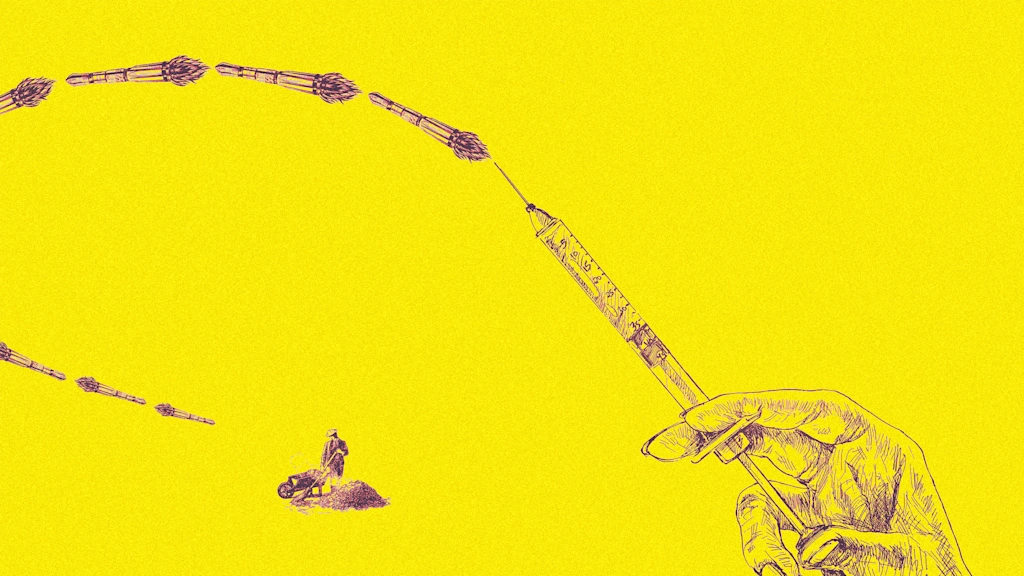
20 hours agoTwenty seconds to approve a military strike; 1.2 seconds to deny a health insurance claim. The human is in the AI loop. Humanity is not
Artificial intelligence significantly accelerates decision-making in military and business contexts, but human oversight may be minimal and ineffective.
Mental health
fromSilicon Canals
1 hour agoPsychology says people who intentionally limit their social media use aren't more disciplined than everyone else - they became more honest about what the unlimited version was replacing, which was the interior life, the undirected thought, the boredom that produces things, and once they understood what was being replaced they didn't need discipline, they needed only the honesty to stop - Silicon Canals
Boredom can lead to meaningful engagement and creativity, rather than being a sign of lack of activity.
Psychology
fromSilicon Canals
13 hours agoI'm in my 30s and I recently noticed that the people I resent most aren't the ones who hurt me. They're the ones who saw exactly what was happening, had the standing to say something, and chose their own comfort over my safety. The betrayal that actually shaped me wasn't the cruelty. It was the audience. - Silicon Canals
Resentment often stems not from direct cruelty, but from the silence and inaction of those who witness harm.
Relationships
fromSilicon Canals
12 hours agoThe friends who tell you the hard truth aren't the bravest people in your life. The bravest are the ones who tell you the hard truth and then stay close enough to watch it land, knowing you might not speak to them for weeks, and choosing the relationship over their own comfort anyway. - Silicon Canals
Remaining present after delivering hard truths is a significant act of bravery that often goes unrecognized.
Psychology
fromSilicon Canals
1 day agoResearch suggests that high intelligence doesn't protect against bad decisions - it makes people better at constructing convincing justifications for the bad decisions they were already going to make - Silicon Canals
Higher intelligence can lead to greater polarization rather than alignment on contested facts.


Media industry
fromwww.mediaite.com
14 hours agoNYT Fires Back After Trump Berates Reporter: Pattern of Answering Fair Questions with Inaccurate Attacks'
Trump criticized The New York Times during a press conference, claiming it lacks credibility and responding aggressively to a reporter's question about his threats against Iran.
Relationships
fromSilicon Canals
1 day agoI stopped being useful to everyone who asked and three relationships ended within six months. Not with arguments or explanations. Just a slow withdrawal once it became clear I was no longer offering what they'd originally come for. That taught me which connections were friendships and which were subscriptions. - Silicon Canals
Generosity in relationships can mask true connections, revealing that some bonds are based on utility rather than genuine closeness.
fromThe Atlantic
3 days agoHow Some People Became So Averse to Hype
Anna Holmes defines 'hype aversion' as a reflex against being told what to like, suggesting that popularity can create pressure rather than signal quality. This feeling can lead to a deliberate choice to resist mainstream culture.
Media industry
fromwww.theguardian.com
6 days agoEx-Alex Jones employee reflects on job at Infowars: It was nonsense. It was lies'
Owens described how Infowars aimed to create a cinematic experience, stating, 'We would go out there, we would shoot videos like we were in the weeds, we were showing what was really going on. But it was nonsense. It was lies.'
Media industry
fromElectronic Frontier Foundation
2 months agoBeware: Government Using Image Manipulation for Propaganda
A short while later, the White House posted the same photo - except that version had been digitally altered to darken Armstrong's skin and rearrange her facial features to make it appear she was sobbing or distraught. The Guardian one of many media outlets to report on this image manipulation, created a handy slider graphic to help viewers see clearly how the photo had been changed.
US politics
fromFast Company
1 month agoMisinformation is scaling. We need to get better at countering it
Most days, an email lands in my inbox with the promise to amplify my growth-my newsletter subscribers, the reach of my podcasts, the number of client leads, etc. I've gotten used to random people pitching me on their services, and some of the messages expertly prey on my insecurities as a business owner ("you're leaving so much on the table," et al.). I never answer any of them, but I sometimes wonder which ones might actually be legit.
Artificial intelligence

[ Load more ]