#low-slung-design
#low-slung-design
[ follow ]
#architecture #interior-design #design #home-design #home-renovation #sustainability #home-decor #furniture-design
fromwww.businessinsider.com
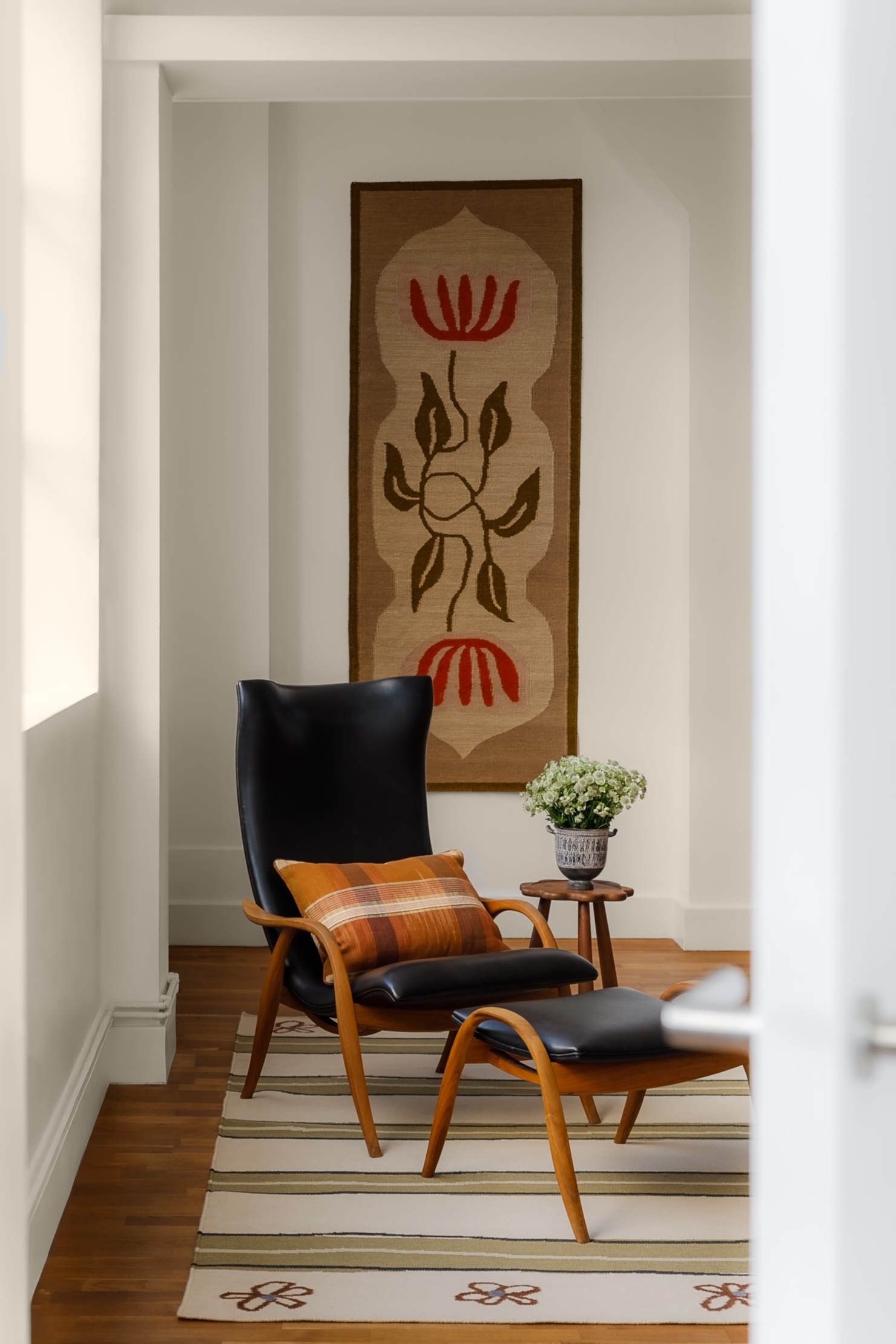
10 hours agoA family of 4 lives in a 560-square-foot tiny home. Here's what they love about its design and what they'd change.
The Matranga family built a 560-square-foot tiny house for their family of four in 2022, experiencing both love and regret about its design after four years of living there.
Remodel
#tiny-house
Renovation
fromYanko Design - Modern Industrial Design News
4 days agoThis Tiny House Has 30 Feet of Glass and Feels Nothing Like a Tiny House - Yanko Design
The Shoreline Glass House redefines tiny living with spacious, light-filled design and single-floor layout, offering a unique blend of comfort and openness.
#furniture-design
fromArchitectural Digest
3 days agoI'm Done Sourcing So Much Online. Here's Why
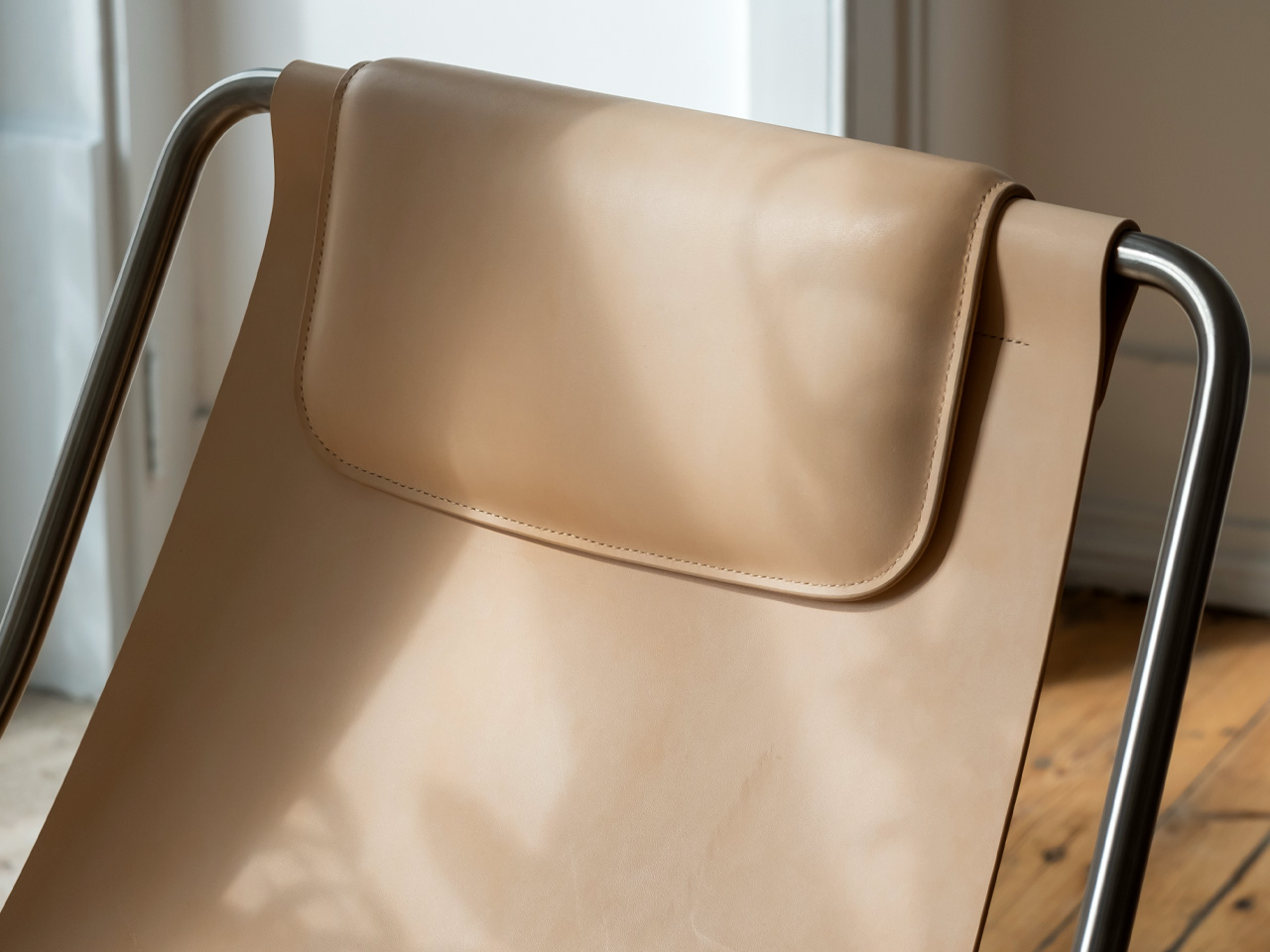
The convenience of sourcing online is fraught with more pitfalls than most of us want to admit. Try finding adequate photos of a vintage piece's condition-close-ups of the fabric, video of damaged areas, any images of a piece's rear or underside!
UX design
fromArchitectural Digest
2 weeks agoHome Design for a Longer Life: Can a House Really Promote Longevity?
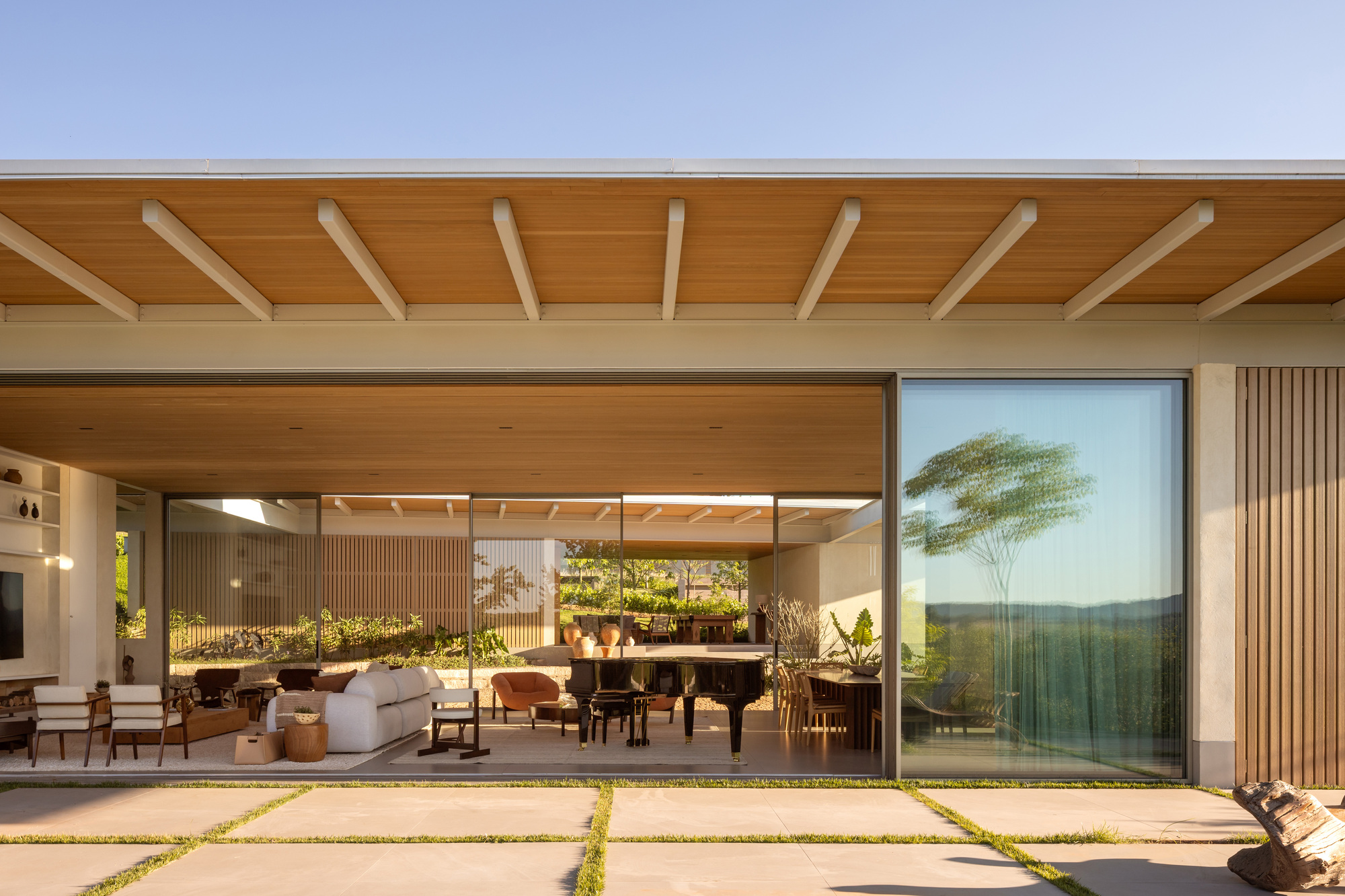
When you design your home with intentionality, you are essentially 'hard-coding' healthy behaviors into your daily rhythm. Health outcomes are the result of thousands of micro-decisions—so in his own home, he prioritized spaces like the kitchen, whose open layout makes cooking a pleasure, and the gym, centrally located.
Wellness

fromArchitectural Digest
2 years agoBrutalist Architecture Is Divisive-Here's Everything You Need to Know About the Style to Determine Your Stance
The style is characterized by raw, exposed concrete and bold geometric forms. You've certainly seen it before in many cultural and civic buildings built between the 1950s and '70s. With countless examples spanning countries and continents, the look has both historical significance and remains popular-particularly in residential design-today.
Miscellaneous
fromArchDaily
4 days agoThe Illusion of Lightness: Designing Civic Voids for Public Life
The original intent of pilotis was to create a sense of lightness that would allow circulation and light to flow beneath a structure, but contemporary requirements render thin columns insufficient for large-scale civic projects.
Renovation
Design
fromYanko Design - Modern Industrial Design News
5 days agoBiomimetic Architecture Reaches New Heights With This Bird-of-Paradise Yoga Space - Yanko Design
Thilina Liyanage's architecture translates animal gestures into functional designs, exemplified by the Rifle Bird Yogashala inspired by the Victoria's riflebird's courtship display.
fromArchDaily
2 weeks agoSpaces That Feel Back: How Buildings Respond to Human Behavior
Decades of research in environmental psychology and building science reveal that indoor conditions can profoundly affect human health and behavior. Lighting influences circadian rhythms and sleep patterns. Air quality impacts cognitive performance and respiratory health. Temperature and acoustics shape comfort and concentration.
Renovation
Design
fromwww.archdaily.com
1 month agoArchitecture as a Platform: What Makes a Building Evolve?
Architecture increasingly adopts product design principles, prioritizing operational clarity, performance, and scalability over novelty, making buildings accountable for functionality and consistent user experience.
fromApartment Therapy
2 months agoThis Is the Top Trick Designers Use to Make Small Spaces Look Larger
Thornton says that the secret to making a small space feel expansive is to think vertically. As the eye goes up, there's an illusion of higher ceilings and a larger space. "Anything that draws attention upward instantly adds a sense of height and breathing room," he told me. But how do you actually implement these tactics IRL? Ahead, the pro shares tips for how to make the most of every square inch in your own home.
Design
fromApartment Therapy
2 months agoDesigners Are Using This "Drenching" Trend to Make Cramped Spaces Look 10x Larger
Many interior designers are indeed looking towards neutral colors and "warm" minimalism in 2026, as reported in Apartment Therapy's annual design industry survey, the State of Home Design. But there are a few maximalist design trends that refuse to fade into the background this year - namely, room drenching, and, more specifically, stripe drenching. This pattern drench has design pros leaning into colorful, dizzying stripes from wall to wall.
Design
[ Load more ]