#ltps-oled-15k-display
#ltps-oled-15k-display
[ follow ]
#oled #technology #qd-oled #display-technology #samsung #tvs #lg #mini-led #sqd-mini-led #picture-quality #iphone-18-pro


fromYanko Design - Modern Industrial Design News
1 week agoLG's World-First 1Hz Panel Gives the Dell XPS 48% More Battery - Yanko Design
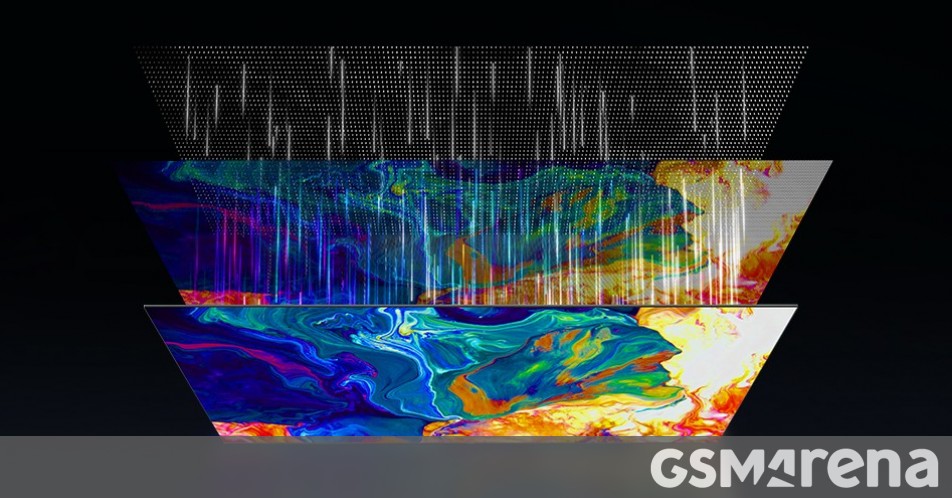
LG Display's Oxide 1Hz panel is the first mass-produced LCD laptop screen that adjusts its refresh rate based on the content displayed, dropping to 1 Hz for static images and scaling up to 120 Hz for video or gaming.
Gadgets
fromEngadget
1 month agoApple reveals its new 5K mini-LED Studio Display XDR
The latter is a higher-end model aimed at content creators with a 27-inch 5K Retina XDR display that features a mini-LED display with 2,000-plus dimming zones, up to 2,000 nits of peak HDR brightness and a wider color gamut for improved accuracy. It also has a 120Hz refresh rate, addressing complaints about the relatively anemic 60Hz refresh rate of previous models.
Apple

fromThe Verge
1 month agoTCL's $7,000+ flagship TV is ready to fight
From the moment I completed Google TV setup and started watching the TCL X11L I was amazed. I could immediately tell it's the brightest TV I've had in my home, but it was the color vibrancy that I found most impressive. The colors we're all most familiar with - skin tones, the sky, green grass and trees - all look as close to realistic as I've seen on a TV.
Gadgets
Mobile UX
fromYanko Design - Modern Industrial Design News
1 month agoTCL's new NXTPAPER 3200-Nit AMOLED Display Feels Like Paper and Won't Hurt Your Eyes - Yanko Design
TCL unveiled a new NXTPAPER display technology based on AMOLED panels at MWC 2026, combining eye comfort with high-performance capabilities for smartphones launching by end of 2026.
fromEngadget
1 month agoLG reveals pricing for its 2026 OLED TVs
The flagship LG evo G6 series ranges in price from $2,499 to $24,999. (Cue spit take.) Fortunately, that five-figure price only applies to the 97-inch model, which nobody this side of Elon Musk needs. The entry-level price is for a 55-inch OLED. Moving up the ladder, the 65-inch one costs $3,399, the 77-inch model is $4,499 and an 83-incher will set you back $6,499.
Television
fromwww.nature.com
2 months agoExciplex-enabled high-efficiency, fully stretchable OLEDs
Here we addressed this challenge by incorporating an intrinsically stretchable exciplex-assisted phosphorescent (ExciPh) layer. The elastomer-tolerant triplet-recycling mechanism mitigates exciton energy transfer limitations arising from the insulating elastomer matrix, yielding a light-emitting layer with more than 200% stretchability and an external quantum efficiency (EQE) of 21.7%. To translate this performance to fully stretchable devices, we integrated MXene-contact stretchable electrodes (MCSEs), which feature high mechanical robustness and tunable work function (W
Wearables
fromThe Verge
2 months agoRGB is the next big thing in OLED gaming monitors
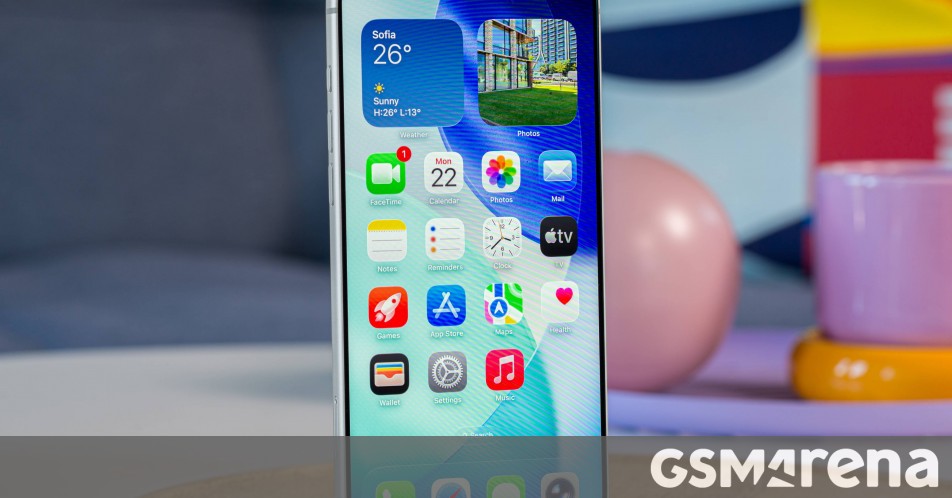
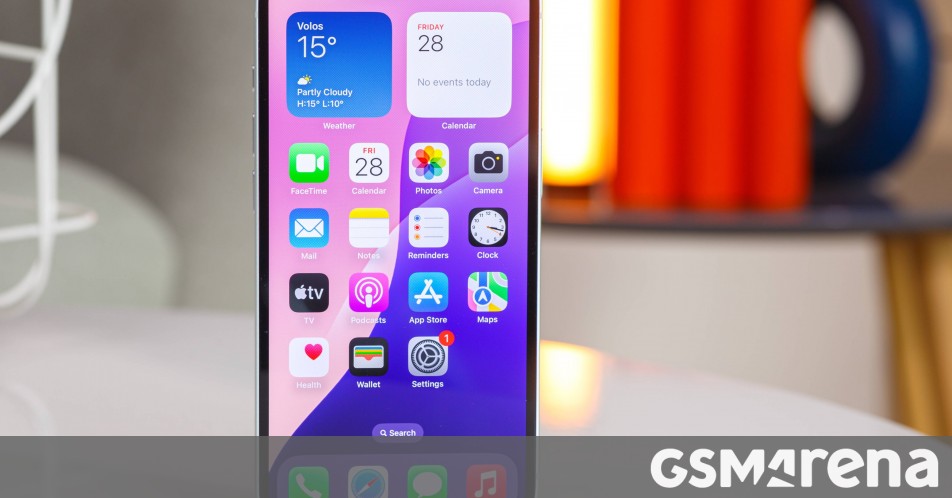
New OLED gaming monitors from top companies coming out this year should look clearer and crisper. LG Display and Samsung Display, which typically provide the actual panels used in gaming monitors, are finally lining up the colors of their subpixels in vertical RGB stripes - remember when we used to worry about Pentile OLED displays? - which means, among other improvements, the panels should have easier-to-read text.
Gadgets


fromTechRepublic
1 month agoApple's Bold MacBook Pro Overhaul Takes Shape
Another major upgrade is expected to be an OLED display, replacing the current LCD panels. A supply-chain report suggests Samsung is preparing OLED production for a device launching in the fall. Apple is aiming to move most of its premium devices to OLED over the next two years. Alongside the MacBook Pro, OLED is expected to come to the iPad Mini this year, with the MacBook Air following in 2027 or 2028.
Apple

fromZDNET
1 month agoThis TCL mini-LED TV competes with pricey OLEDs - and the lab results back it up
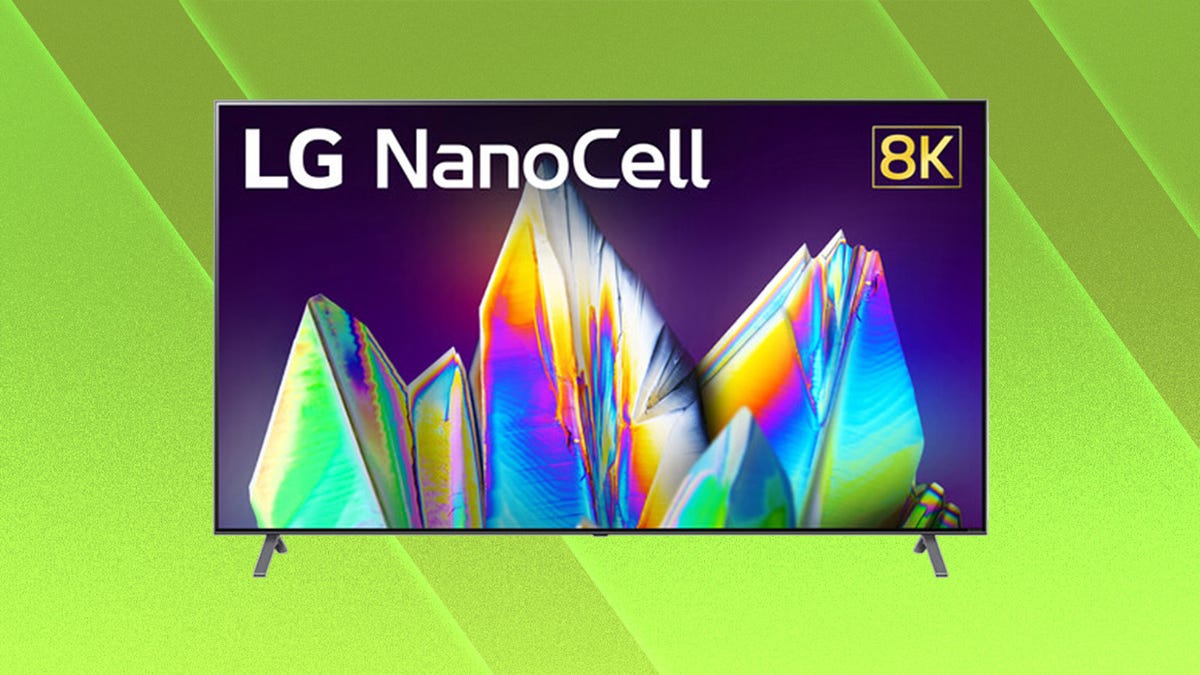
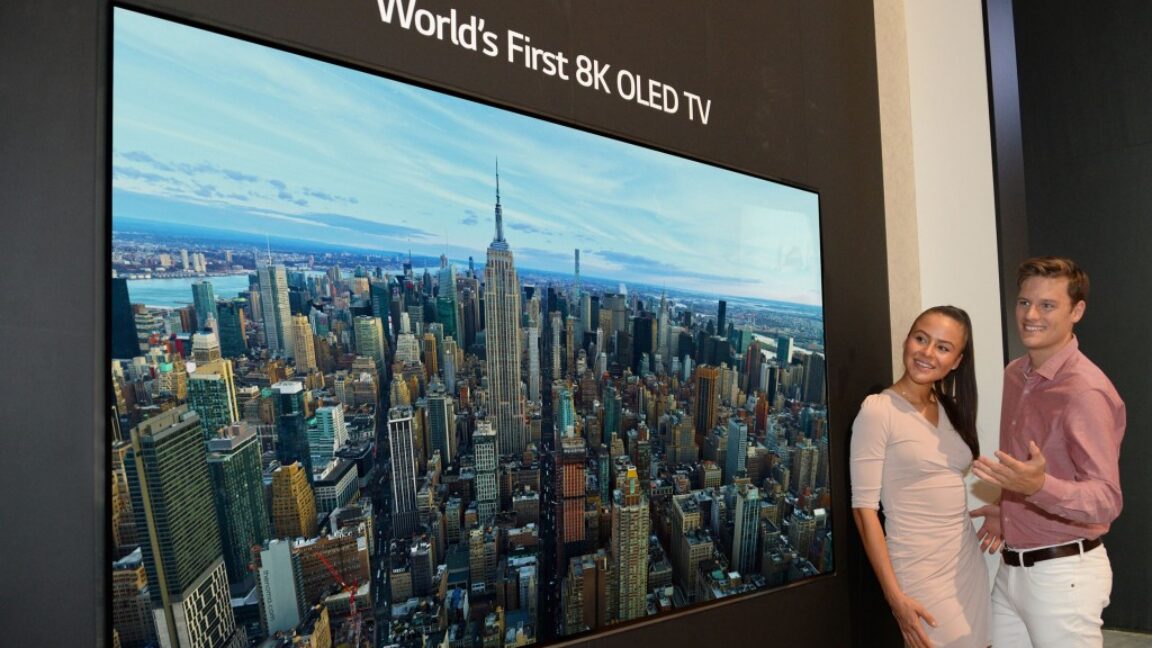
The Mini LED panel itself got an upgrade with 6,000 precision dimming zones for enhanced contrast that rivals OLED TVs, a peak brightness of 6,500 nits for better visibility in bright rooms and direct sunlight, an anti-glare matte screen to reduce the "halo" effect you sometimes see with LED backlighting, and improved LED technology for better color accuracy. A 7,000:1 contrast ratio means you'll get crisp details in dark scenes and inky blacks that make colors pop.
Television
fromGSMArena.com
2 months agoSamsung showcases foldable display with no visible crease at CES 2026
Tipster Ice Universe has shared images of a new foldable display that was showcased by Samsung Display at CES. The display is expected to be used in Apple's iPhone Fold. According to the tipster, the panel shows no visible crease, which is a common drawback of current foldable screens. Samsung appears to have significantly minimized the crease with this new display. The screen will also feature an under-display camera and offer improved overall quality.
Gadgets
fromYanko Design - Modern Industrial Design News
2 months agoI saw Samsung's 130inch Micro RGB easel TV at CES 2026 and now regular screens feel tiny - Yanko Design
A television spanning 130 inches diagonally creates immediate questions about physics, aesthetics, and whether something this massive can exist as anything other than spectacle. Samsung's answer at CES 2026 involves treating the R95H Micro RGB model as architecture rather than appliances, borrowing design language from gallery easels and luxury retail interiors to create what the company describes as an "extra-large window" that transforms room perception.
Gadgets
fromEngadget
2 months agoLG TVs at CES 2026: A stunning Wallpaper set, glorious Micro RGB colors and a better Gallery TV
If money were no object, I'd want a 100-inch LG Wallpaper TV in my family room immediately. It looks shockingly thin in person - almost as if it's some sort of sci-fi prop - and it delivers the rich colors and dark levels we expect from OLED. Cable management is also a cinch, since it requires just a single power cable. The A/V inputs are handled by LG's One Connect box, which you can position wirelessly up to 10 meters away from the TV.
Television
fromZDNET
2 months agoSamsung reveals 2026 TVs, including a 130-inch Micro RGB model
Available in 55-inch, 65-inch, 77-inch, and 83-inch options, this year's model is over 30% brighter, according to Samsung. Also: The best Samsung TVs: Expert tested OLEDs, big-screens, and more This is a model gamers will want to pay attention to, as it features 165Hz refresh rate support, VRR, and a "category-first glare-free technology" to eliminate distracting reflections. Samsung claims the 48-inch version is the "brightest 48-inch OLED ever."
Television
fromArs Technica
2 months agoThe most fascinating monitors at CES 2026
At 51.5 inches, the UltraSharp U5226KW that Dell announced at CES is the biggest UltraSharp monitor yet. It has a resolution of 6144×2560, for a pixel density of 129 pixels per inch. The IPS Black monitor also has a bevy of ports via a Thunderbolt 4 hub that supports up to 140 W power delivery, an integrated KVM for up to four PCs, and a pop-out box with 27 W USB-C and 10 W USB-A ports.
Gadgets
fromZDNET
2 months agoSamsung is giving away free 24-inch monitors - here's how to get yours
Running a multi-monitor setup with your PC or laptop can get pricey, especially if your rig pulls double duty as a gaming build and workstation. But right now at Samsung, you can get two screens for the price of one and save some extra cash on your main screen. When you order the , you'll save $600 and get the 24-inch Samsung Essential screen (a $140 value) for absolutely free.
Gadgets
fromZDNET
2 months agoLG just revealed its 2026 TV lineup, and it's challenging Samsung in almost every way
One of the highlights of this year's lineup is the new LG OLED W6 Wallpaper TV. The Wallpaper line itself isn't new, dating back to 2017, but this year's entry is only 9mm thick and features an improved wall mount that allows it to sit even more flush against the wall and the Zero Connect Box, meaning the TV is totally wireless except for a single power cord.
Television
fromThe Verge
2 months agoHP's latest OmniBooks are getting chip bumps and OLED screens
HP has announced a revamped lineup of OmniBook productivity laptops at CES, including its latest AI-focused flagship Ultra model. While pricing and availability haven't yet been revealed, we know the upcoming HP OmniBook Ultra 14 is ditching its previous AMD Ryzen AI 300-series CPUs in favor of Intel's Panther Lake and Qualcomm's Snapdragon X2 series processors, which are expected to provide a hefty performance boost to AI-related tasks.
Gadgets
Television
fromYanko Design - Modern Industrial Design News
2 months agoLG's Impossibly Thin 9mm Wallpaper TV Goes Wireless at CES 2026 - Yanko Design
LG's OLED evo W6 is a true-wireless, nine-millimeter-class Wallpaper OLED that wirelessly receives 4K from a Zero Connect Box and reduces reflections for bright-room viewing.


fromZDNET
2 months agoIf Sony and TCL are teaming up to make your next TV, it's better news than you'd think
The two companies have signed a memorandum of understanding to confirm their intentions to establish a joint venture to grow the home entertainment business in the global market by combining the strengths of both companies. The new company plans to advance its business by leveraging Sony's high-quality picture and audio technology cultivated over the years, brand value and operational expertise including supply chain management, while utilizing TCL's advanced display technology, global scale strength, industrial footprint, end-to-end cost efficiency, and vertical supply chain advantages.
[ Load more ]