#lucas-hunter
#lucas-hunter
[ follow ]
#contemporary-art #art #art-market #photography #architecture #contemporary-painting #art-exhibitions #creativity
#photography
Photography
fromwww.theguardian.com
1 day agoThe shadows, the figures playing basketball I waited for the magic to appear then it did': Jose Luis Morales Martin's best phone picture
Jose Luis Morales Martin captures the interplay of architecture and photography, emphasizing the emotional connection and artistry in both fields.
fromHi-Fructose Magazine - The New Contemporary Art Magazine
3 days agoKyle Cobban Draws From The Unknown - Hi-Fructose Magazine
"It's an amalgamation of the Chicago neighborhood aesthetic with a Bulls fan, quite literally. It's kind of on the nose, but that's how I juxtapose the elements of my work, with the structure of a home and then a figure who is around or in the home."
Chicago Bulls




fromTime Out New York
3 weeks agoThis free art show in the East Village spotlights awesome work from senior artists
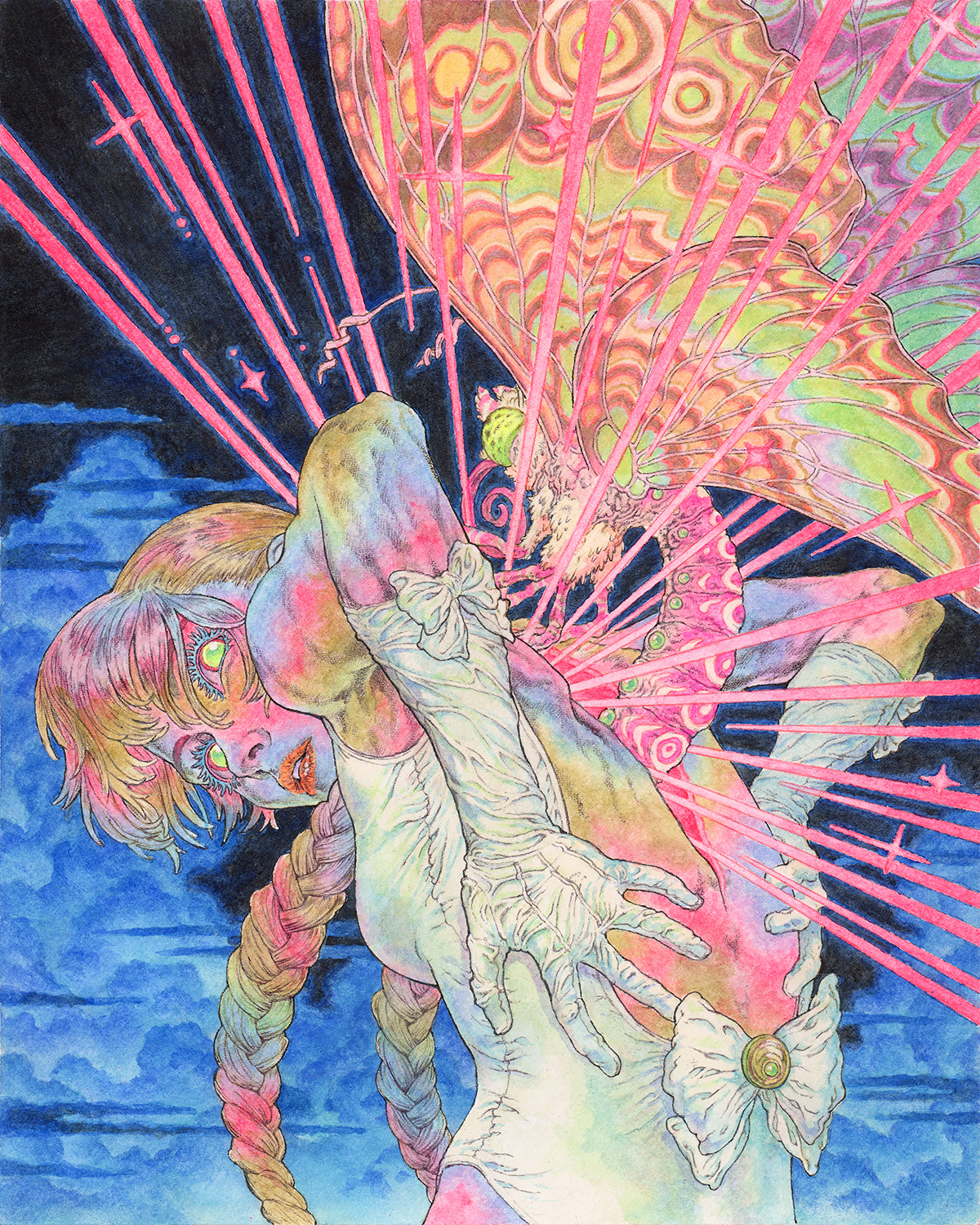
The show features pieces by participants in JASA's programs. The organization, which serves more than 40,000 older adults every year, offers art classes and creative workshops designed to bring people together while encouraging self-expression. The results will be on full display here, from paintings and textile work to other handmade pieces that reflect the artists' personal stories and styles.
Miscellaneous
fromComplex
3 weeks agoLAAMS: Inside New York City's Most Vital Creative Hub
It was literally the rise of the Phoenix. All these places that we knew and loved, they dissolved and died. Everybody had so much energy because we were mandated to stay in the house. When we made the announcement that we have a store, people were coming up, masking up, and they were buying shit.
NYC startup
Graphic design
fromHi-Fructose Magazine - The New Contemporary Art Magazine
3 weeks agoIn Blob We Trust: The Art of KRK Ryden - Hi-Fructose Magazine
KRK Ryden's vibrant, chaotic home studio and colorful paintings reflect his artistic philosophy of controlled chaos organized by color, pattern, and theme.
fromJuxtapoz
5 days agoJuxtapoz Magazine - Last Days to See Kate Meissner's New Paintings @ Lyles & King's Project Space, NYC
"These works are an exploration of the human body's elasticity and capacity to metamorphose. Informed by my own experience of pregnancy and the birth of my first child last year, these paintings are a meditation on physiological transformation and the body's underlying animalistic and mammalian nature."
Arts
Renovation
fromCurbed
1 month agoA Space to Gather (and Work) Above the Supreme Store
The historic Germania Bank building on Bowery and Spring, after decades of varied uses including artist Jay Maisel's sprawling live-work space, has been converted into co-working offices and flexible meeting spaces by Industrious.
fromHyperallergic
3 days agoThe Art World Is a Joke
Kamrooz Aram is everywhere this year, from Mumbai Art Week to the Whitney Biennial, and critic Aruna D'Souza is grateful. She pens a beautiful meditation on his work, reading his abstract paintings as not simply a denunciation of Western modernism nor a reassertion of Islamic visual motifs, but something else entirely - something gestural, exuberant, riotous, and incomparably his own.
Arts
fromComplex
2 months agoAtlas Artists Backs Launch of Val Segal's ELLO
Segal developed ELLO over seven years, drawing from his background operating a licensed YouTube Multi-Channel Network. The result is a hybrid platform that merges media publishing with secure messaging, eliminating reliance on social algorithms or third-party dashboards. ELLO supports video, audio, livestreaming, and digital publishing within a unified interface. For legacy media brands, the platform enables mobile-native magazine publishing-eschewing PDFs in favor of scrollable, interactive formats optimized for smartphone consumption.
Startup companies
fromThe Art Newspaper - International art news and events
2 months agoHow an artist and a writer forged a frank friendship-and a book
"I have been reading your book The Lonely City: The Art of Being Alone and I wanted to write and say how very good it is," "I discovered Henry Darger's work about 15 years ago. I am so interested in how you write about him and [Edward] Hopper, [Andy] Warhol and [David] Wojnarowicz."
Books
fromItsnicethat
1 month agoUnreal nature: Inside Mark Dorf's digital vivariums and infinite livestreams
Inside NYC-based artist Mark Dorf's project Late Pastoral, the ecological world is trapped in a rear-illuminated print. It's real - but something is off, it's been digitally altered, data-noise clutters images of glowing plant life. Shaped by the pervasive influence of technology, design and the rhythms of digital connectivity, even nature becomes at one with the unreal. Non-human nature is the main thesis of Mark's wide-spanning digital art works, offering reflections on our digital age.
Film
Design
fromThe Art Newspaper - International art news and events
2 months agoHow an artist's sketch was turned into a museum
A museum design translates a blue-house and white-tower sketch into a tiled architectural language reflecting regional materials, cultural markers, and historic South–West Asian trade links.
fromHyperallergic
2 weeks agoWhat Do We Really Think of the New New Museum?
The new New Museum is many things: contemporary, perhaps, but also a science, history, anthropology, and many other museums in one. It echoes the desire of its patron class to own the world and its affiliated courtier class to deliver it to them on a silver platter, or encased in perforated metal, in this case.
Arts
fromHyperallergic
3 weeks agoArt Problems: How Do I Get Gallery Representation?
Dealers like artists with established sales records because it lowers their already considerable financial exposure. Renting a gallery space in Tribeca costs anywhere between $8,000-30,000 a month on top of staff, marketing, and daily operations. With that kind of overhead, very few business owners can afford to take on the financial risk of untested artists.
Arts
fromHyperallergic
3 weeks agoEmbracing Friction in the Art World
On Franklin Street in Brooklyn's Greenpoint neighborhood, one non-commercial gallery fosters 'a small, stubbornly human space for friction.' Friction—the ubiquitous buzzword that captures the simultaneous delight and discomfort of doing things the slow way—is at the heart of artists Pap Souleye Fall and Char Jeré's current show at Subtitled NYC. It also reflects the overall spirit of this little exhibition space and of a burgeoning movement to reject our culture of optimization in favor of a bumpier, more intimate, less alienating experience.
Arts
Arts
fromArtnet News
3 weeks agoBlink and You'll Miss It! 3 New York Shows With Painfully Short Runs | Artnet News
Gallery exhibition runs have lengthened from weeks to five or six weeks due to increased competition and high mounting costs, though a countermovement of brief, limited-time shows is emerging.
fromArtnet News
3 weeks agoInside the Forum Where Women in the Arts Are Taking on the Status Quo
What began as a passion for collecting became a responsibility. She not only believes in the artistic genius of women, but she wants society in general to hold men and women artists in equal esteem-and to place the same monetary value on their work.
Arts
Arts
fromArtnet News
3 weeks agoAffordable Art Fair New York Explores the Evolving Nature of Photography
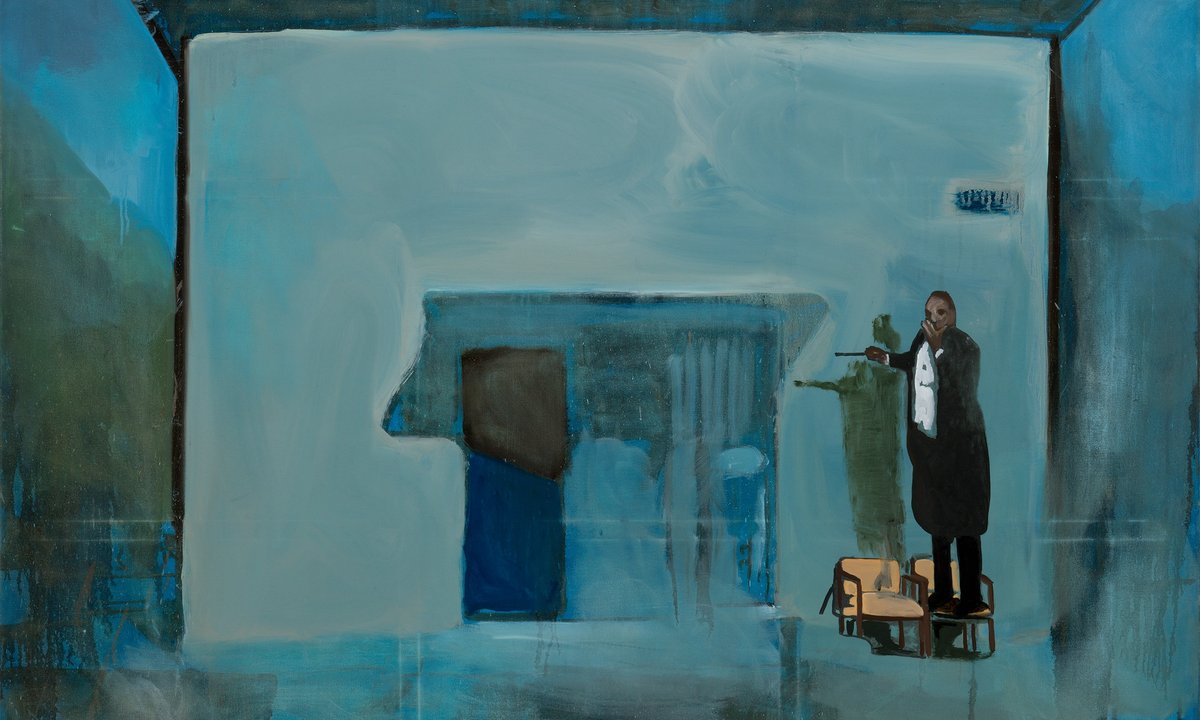
Affordable Art Fair New York's 2026 spring edition features a curated photography exhibition exploring how the medium evolves through new technologies, alternative processes, and interdisciplinary artistic boundaries.

Arts
fromwww.amny.com
1 month agoKing Paris shows the sovereignty of light through his contemporary masks on display in Manhattan | amNewYork
Embellished masks and reflective surfaces in West African traditions use radiance and material brilliance to convey authority, spiritual meaning, and social order through performance.
Arts
fromThe Art Newspaper - International art news and events
2 months agoNew experimental art organisation opens in New York
Summer Guthery and Francesca Sonara launch Times, a small, nimble three-year Manhattan art space prioritizing artists' needs, flexibility, and rejection of perpetual-growth institutional models.
fromJuxtapoz
2 months agoJuxtapoz Magazine - Misfits: Daniel Nunez Explores a New Freedom @ GR Gallery, New York
"The four large-scale canvases that constitute the core of ' Misfits' maintain the fundamental elements of the artist's visual lexicon while radically reconfiguring compositional structure and spatial organization. These works advance a design freedom that is simultaneously forceful and controlled, achieving a balance between expressive intensity and formal restraint. As such, the series marks a decisive moment in Nuñez artistic evolution and possibly an initial step toward a more profound and transformative reorientation of his practice."
Arts
fromHyperallergic
2 months agoA View From the Easel
Mornings are best for concentrated work. In the winter, I turn on the heat at 8am and get started around 10am. Summer, I start around 9am. I have two areas in the studio for projects. The large, heavy wood sculptures are carved in the front section of the studio, closest to the roll-up wide door. Smaller sculptures are placed on a hydraulic workbench. Before I start, I focus, connect with the Source, and ask for guidance.
Arts
[ Load more ]