#mainstream-breakthrough
#mainstream-breakthrough
[ follow ]
#ai #technology #advertising #openai #public-relations #innovation #artificial-intelligence #ai-in-marketing
fromThe Atlantic
19 hours agoHow Some People Became So Averse to Hype
Anna Holmes defines 'hype aversion' as a reflex against being told what to like, suggesting that popularity can create pressure rather than signal quality. This feeling can lead to a deliberate choice to resist mainstream culture.
Media industry
Relationships
fromSilicon Canals
14 hours agoNobody tells you that expecting instant replies is a relatively new social norm - and that an entire generation learned to communicate in ways that never required it - Silicon Canals
Instant communication has created pressure that undermines meaningful relationships, which thrived in a slower-paced era of correspondence.




#artificial-intelligence
Artificial intelligence
fromBusiness Insider
2 days agoHow AI could destroy - or save - humanity, according to former AI insiders
Artificial intelligence has the potential to transform various sectors but also poses risks like inequality, job loss, and increased power for governments and tech companies.





fromBig Think
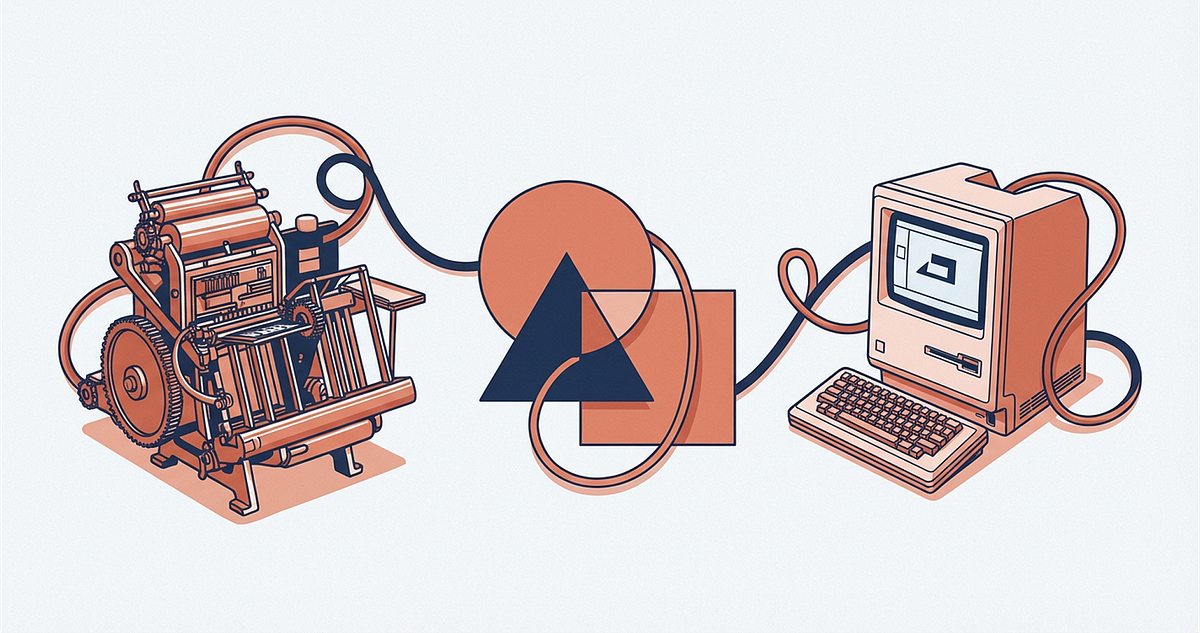
1 month agoFrom myth to machine: The technological evolution of storytelling
I wanted to write a book about how the smartphone changed the world, but the more I researched, the clearer it became that phones were actually the latest step in this evolution of storytelling technology that stretches all the way back to prehistoric times.
Books
Silicon Valley
fromSilicon Canals
1 month agoSilicon Valley built a religion around disruption - then quietly made sure nothing fundamental changes - Silicon Canals
The technology industry has adopted 'disruption' as marketing rhetoric while preventing genuine revolutionary change, hollowing out a term that once carried real transformative potential.
Media industry
fromFast Company
2 weeks agoTraffic is dying as a media metric. What comes next is more important
AI is significantly reducing traffic to major tech media sites, but publishers with strong brands and loyal audiences are adapting through paywalls and diversified strategies rather than facing business decline.
Digital life
fromBusiness Insider
3 weeks agoSocial media giants have grand plans for AI. Creators fear they'll be left out.
Social media platforms are prioritizing AI features that monetize creator content without compensation, threatening influencer livelihoods and creating tension between platforms and creators.
Marketing tech
fromDigiday
3 weeks agoAs AI creative moves upstream, one production firm is pitching brands a model built on that trend
AI-powered production services enable brands to pre-visualize campaigns and reduce production timelines from 60-90 days to half that duration, with projected cost savings of 30-50%.
fromPsychology Today
2 months agoWe Do Not Have the Luxury to Be Bystanders in a Hybrid World
Meanwhile, signs that the planet's health is worsening are unmistakable. Last year was among the warmest on record globally, with average temperatures far above long-term baselines and heat driving more extreme weather worldwide. In 2025, brutal heatwaves baked much of the Indian subcontinent with temperatures near 48 °C, stressing health systems and agriculture across India and Pakistan. Europe and the Mediterranean faced record wildfires and prolonged heat, forcing tens of thousands to evacuate and worsening drought conditions.
World news
Artificial intelligence
fromEntrepreneur
3 weeks agoThe 6 Leadership Behaviors That Quietly Kill AI Momentum and How to Replace Them
Leadership habits like micromanagement, slow decision-making, and perfectionism stall AI initiatives; organizations accelerate AI success by empowering teams to run fast pilots, make clear decisions, and focus on measurable outcomes.
fromBig Think
2 months agoThe most successful information technology in history is the one we barely notice
Joel Miller opens his new book, The Idea Machine, with this famous scene from The Confessions because it sparked his own epiphany. Not a spiritual conversion, mind. What struck Miller during his recent reread was how Augustine marked his place with his finger. This seemingly unremarkable detail - a move any reader has made countless times - forced Miller to reevaluate books as not simply a vessel for ideas, but as history's most successful "information technology."
Books
fromThe Nation
2 months agoAt the Doorstep of Tomorrow
The war began the week of my 26th birthday. There was a lightness on that day, something born from what remained of our childhood. Sparks like candy, crackling in our mouths: colorful letters; laughter leaking out through voice notes; hearts adorning our text chats; an abundance of cake. But the days that followed are laid out like burnt matchsticks; once the first one was lit, the flames consumed the rest. The war spared nothing on the calendar; I have had no other birthdays since.
World news
fromComputerworld
1 month agoIs AI killing technology?
Major RAM makers Samsung, SK Hynix, and Micron have shifted their production to focus on High-Bandwidth Memory (HBM) needed for AI. This has led to shortages of standard DRAM and NAND chips used in smartphones, laptops, and medical devices. Driving hardware prices up. Due to the memory shortage, building non-AI electronics is becoming expensive. By early 2026, prices for standard computer memory and storage drives (SSDs) had surged
Artificial intelligence
[ Load more ]