#marian-ziolkowski
#marian-ziolkowski
[ follow ]
#contemporary-art #art #architecture #design #art-exhibition #surrealism #memory #venice-biennale #adaptive-reuse
#art


fromIrish Independent
3 days agoArts
'You have to step in and experience it' - artists on the rise of AI-generated art and the 'essential' gallery visit
Miriam Fitzgerald Juskova's exhibit combines paper quilling with mathematics, showcasing intricate art that engages viewers and emphasizes the value of handmade creations.
Arts
fromdesignboom | architecture & design magazine
21 hours agoencyclopedias are lying to you and weronika gesicka proves it with hundreds of fake entries
Weronika Gęsicka's project transforms fictitious 'trap entries' from encyclopedias into a credible photographic book, questioning the nature of knowledge today.
Arts
fromIrish Independent
3 days ago'You have to step in and experience it' - artists on the rise of AI-generated art and the 'essential' gallery visit
Miriam Fitzgerald Juskova's exhibit combines paper quilling with mathematics, showcasing intricate art that engages viewers and emphasizes the value of handmade creations.

Design
fromdesignboom | architecture & design magazine
2 days agoreversible cultural pavilion activates public space in frankfurt 2026
Spain's pavilion for World Design Capital 2026 emphasizes reversible cultural infrastructure and sustainable design through innovative materials and construction methods.
fromdesignboom | architecture & design magazine
2 days agoROOM FOR DREAMS: immersive installations, cinema and talks at milan design week 2026
ROOM FOR DREAMS becomes a living manifesto for utopian optimism, creative courage, and the power of imagination through a multilayered approach where large scale installations, cinematic storytelling, live conversations, and ritual-driven encounters converge.
Berlin
Renovation
fromdesignboom | architecture & design magazine
1 week agoproposal for net-zero landmark office in warsaw highlights adaptive use and ecological design
ReVistula transforms an office building into a net-zero workplace using circular design and ecological strategies along Warsaw's riverfront.
fromDesign Milk
1 week agoMara Bragagnolo Unveils New Satinine Space in Milan
The care and attention to detail that is evident throughout the space, combined with the provenance of the hands that created it, marks Oficina Milanese as distinctly respectful and enduring of the surrounding streets.
SOMA, SF
Renovation
fromdesignboom | architecture & design magazine
1 week agoartist marjetica potrc learns from communities worldwide to rethink how we live together
Marjetica Potrč's work emphasizes adaptive community systems over rigid planning, focusing on resource management and environmental responsiveness.
fromwww.archdaily.com
3 weeks agoBorny Socio-Educational Center / ABC Studio
Arising from meadow-like tall grasses is ABC's new socio-educational center, delivered last July. Despite appearances, it is no countryside landscape but a dive into the atypical Borny district of the French eastern city of Metz.
Brooklyn
Europe politics
fromThe Art Newspaper - International art news and events
3 weeks agoEU threatens to pull funding from Venice Biennale after return of Russian pavilion
The EU threatened to withdraw €2 million in funding from the Venice Biennale if Russia's pavilion reopens, citing incompatibility with EU sanctions and opposition to using culture as propaganda.


fromBOOOOOOOM!
3 days ago"Idling" by Artist Greta Kresse
"These paintings merge the landscape and the intimacy of windows through the framing of the car, bridging the two realms I've typically explored separately. The car becomes a meditation on transition, on existing simultaneously here and elsewhere."
Arts
Europe news
fromwww.theguardian.com
3 weeks agoVenice Biennale risks losing EU funding over planned Russia involvement
The European Commission threatens to cut €2 million in funding to the Venice Biennale if Russia participates in the 2026 exhibition, citing violations of ethical standards and European democratic values.
Renovation
fromdesignboom | architecture & design magazine
2 weeks agovenice biennale reveals renovated central pavilion ahead of 61st international art exhibition
The Central Pavilion at La Biennale di Venezia has been fully refurbished, enhancing its spatial coherence and preparing for the 2026 Art Biennale.
fromArchDaily
1 month agoDala Restaurant / Znamy sie
Its name, Dala, refers to the traditional wooden horse, dalahäst, which for centuries has been given during celebrations as a symbol of happiness and festivity. Just like the horse, the restaurant is meant to live by the rhythm of celebration, from everyday fika, through the summer festival of Midsommar, to evening gatherings in the spirit of mingel.
Berlin food
fromBOOOOOOOM!
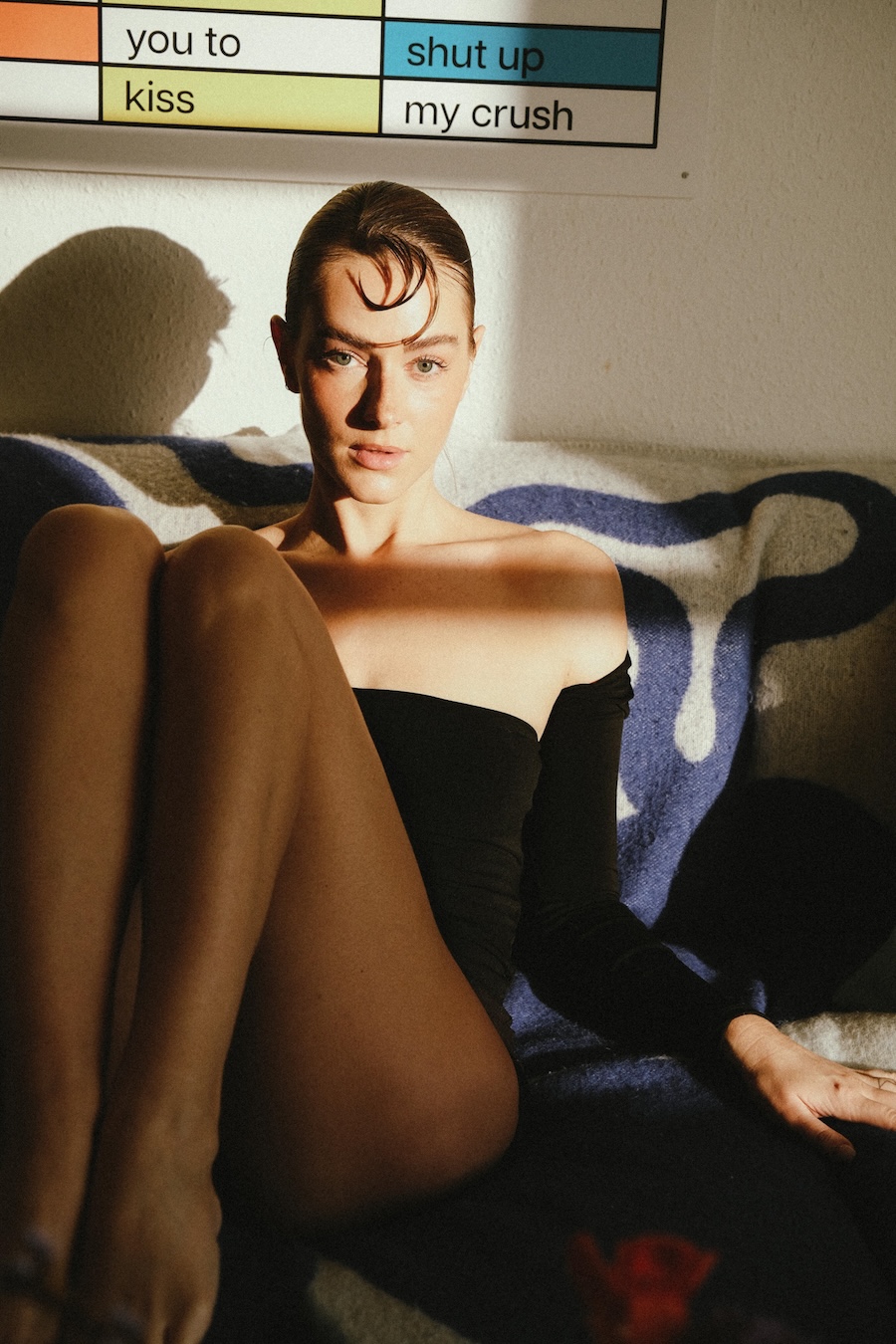
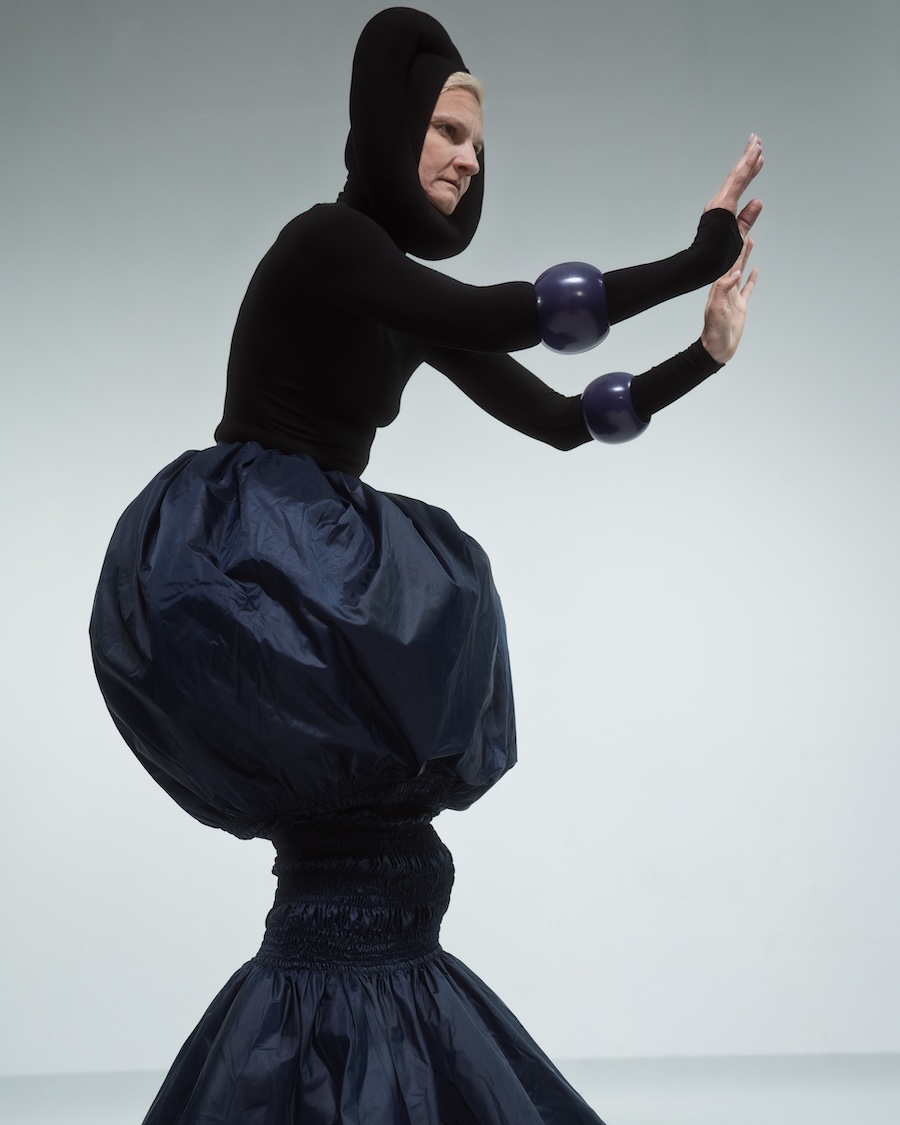
3 weeks agoIllustrator Spotlight: Julija Panova
Of Lithuanian-Russian heritage, Panova's work is informed by that layered cultural inheritance as growing up between cultures has shaped her sensitivity to shifting narratives. Her work explores folklore, quiet, and images that feel suspended between past and present.
Graphic design
Graphic design
fromItsnicethat
4 weeks ago"A poster is a bit like a song": Jakub Zasada's geometric works are a thing of beauty
Jakub Zasada creates midcentury-inspired digital posters using minimal software functions and scanned materials, prioritizing functional design for public spaces with universal accessibility.
fromwww.archdaily.com
3 weeks agoGunia Project Showroom / Temp Project
The new flagship showroom of Ukrainian brand Gunia Project occupies the ground floor of a late-19th-century building on a historic street near the Golden Gate where old Kyiv once began. After three months of careful searching, the chosen space revealed both clear advantages and notable challenges.
Renovation
fromdesignboom | architecture & design magazine
1 month agofuturistic masks by iga weglinska intensify different senses through restricted access
Perfect Sense is a series of six objects by designer Iga Węglińska that examines the concept of sensory substitution. The project investigates how the brain compensates when access to one sense is reduced, intensifying other sensory modalities and altering perceptual hierarchies.
Design
#contemporary-art

Arts
fromKALTBLUT Magazine
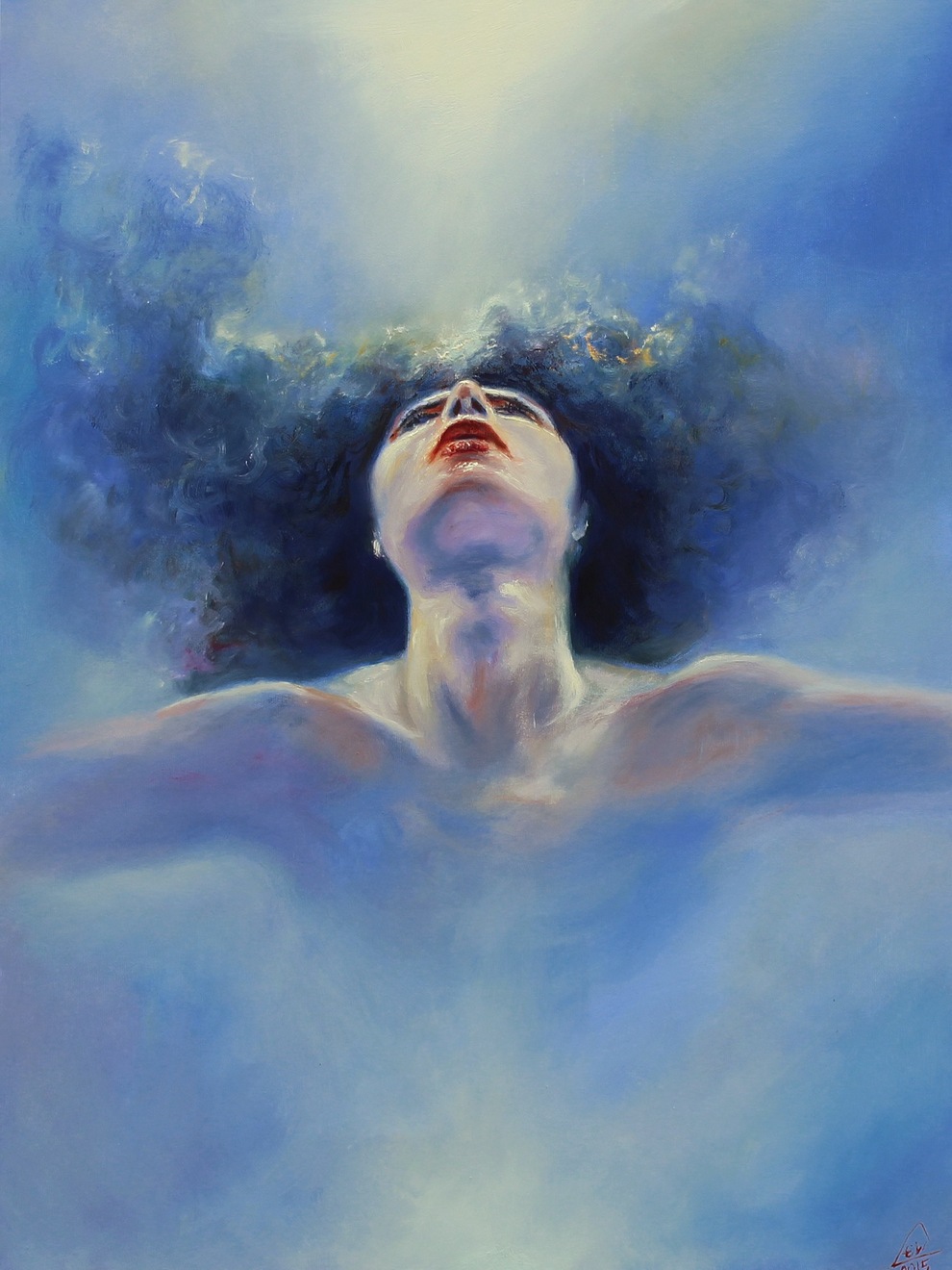
2 weeks agoExploring the Depths: Julian Charriere's "Midnight Zone" at Kunstmuseum Wolfsburg - KALTBLUT Magazine
Julian Charrière's 'Midnight Zone' exhibition explores water's ecological and political significance through multimedia art addressing climate change, pollution, and deep-sea mining threats.

Arts
fromKALTBLUT Magazine
2 weeks agoExploring the Depths: Julian Charriere's "Midnight Zone" at Kunstmuseum Wolfsburg - KALTBLUT Magazine
Julian Charrière's 'Midnight Zone' exhibition explores water's ecological and political significance through multimedia art addressing climate change, pollution, and deep-sea mining threats.
Photography
fromThe Art Newspaper - International art news and events
1 month agoDora Maurer, 'towering figure' of the Hungarian art scene, has died aged 88
Dóra Maurer, Hungarian painter, printmaker and filmmaker, died aged 88; her work explored form, time and movement using systematic processes and influenced Central European conceptual art.
Arts
fromHyperallergic
2 weeks agoZarina Brought the World to New York
Zarina's artistic practice, rooted in South Asian history and shaped by migration and displacement, established her as a foundational figure for South Asian American artists while maintaining independence from nationalist frameworks.
fromdesignboom | architecture & design magazine
1 month agoocular anatomy informs optical salon's interior in poland
The design team at Znamy Się introduces a glass installation with a ridged, biconvex profile that references the form of the eye's lens. Positioned to interact with natural daylight, the element refracts and distorts incoming sunlight, echoing the optical function of focusing light onto the retina. Through this intervention, light operates not only as illumination but as a shaping device within the space.
Design
Arts
fromArtnet News
2 weeks agoArchaeologists Identify Lost Medieval Village in Polish Forest | Artnet News
Researchers in Poland have located Stolzenberg, a lost medieval village in Pomerania, using metal detection and geophysical surveys that revealed 1,500 surface anomalies including coins and building remnants.
fromColossal
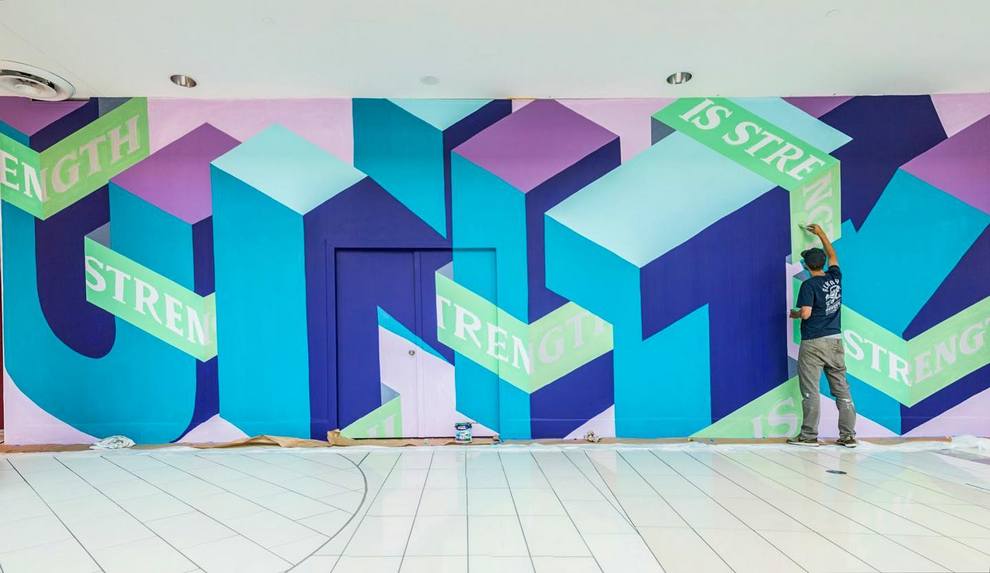
2 weeks agoWhite Lace Proliferates Across Urban Spaces in Patterned Murals by NeSpoon
NeSpoon uses paint and the power of contrast to create large-scale lace patterns in a celebration of the craft. Often symmetrical, they appear framed by the outlines of corners and roofs, while windows and doors emphasize the murals' scale. From a distance, the patterns appear flawless, as if they could be printed. Up close, it's clear the lines are sprayed and brushed by hand, emphasizing the handmade.
Arts
fromItsnicethat
1 month agoWeronika Marianna's flowing animations depict the natural world in constant motion
After quite impulsively tackling a frame-by-frame sequence of an animated figure merging into a mountainscape using paint on paper a few years ago, the artist started her journey into analogue animation and it's "a rabbit hole I never want to leave", she says. "This sense of continuous, boundaryless flow underpins both my life and my work. In animation, I have found the most compelling way to interpret the world being in constant motion."
Film
fromArtnet News
3 weeks agoMarina Abramovic Is the Unlikely Star of the New Balloon Museum
As a child, I imagined a place far behind our own sky. A planet with its own weather, its own atmosphere, its own logic entirely. It was my own version of science fiction. How did it feel on this planet? Was it snowy, windy, or could you sense the first green breath of spring-I called it Planet Z.
Arts
fromKALTBLUT Magazine
2 months agoGulu's Berlin Solo Debut: NIHILISTIC SUPERSTAR at Migrant Bird Space - KALTBLUT Magazine
As we traverse an era dominated by algorithms and driven by the impulse for efficiency, we increasingly sacrifice our ability to feel. In this "age of emotional poverty," highlighted by philosopher Byung-Chul Han, our emotional landscapes grow flatter, our pains diluted, and genuine intimacy replaced with a sterile digital façade. However, in Gulu's evocative imagery, the body emerges as a resilient space of resistance, pushing back against a world that demands we conform to neat, predictable narratives.
Photography
Miscellaneous
fromdesignboom | architecture & design magazine
2 months agokanal cultural complex in brussels to reopen with exhibition from centre pompidou's archives
Kanal- Centre Pompidou reopens in a converted Citroën factory in Brussels on 28 November 2026 as Europe’s largest museum dedicated to modern and contemporary art.
fromArtnet News
4 weeks agoMichele Pred's Art of Resistance Is More Necessary Than Ever
Going out and demonstrating is really important. But if you don't feel comfortable demonstrating, you can volunteer for organizations, you can donate to organizations, you can sign petitions, you can call your senator. There's no excuse not to be involved on some level.
Arts
Design
fromdesignboom | architecture & design magazine
1 month agothe four elements inform modulated zoological pavilion proposal in poland
A 6,000-sqm timber-based zoological pavilion sequences elemental-themed zones into a continuous visitor route integrated with animal habitats and new public space.
fromHyperallergic
1 month agoMagdalena Abakanowicz Sculpted the Collective Body
The organicity of the human body we're born inside of is encoded in us. This concept of our organic nature as the source of elemental knowledge, at once direct and mysterious, permeates the textural abstractions exhibited in her survey Magdalena Abakanowicz: The Thread of Existence at Musée Bourdelle.
Arts
Graphic design
fromItsnicethat
2 months agoThe Swamp Collective find roots of graphic design in the muck, mud and mire of Europe
Swamp Collective is a Berlin-based artist-led publishing collective producing nature-focused visual work, self-published books and identities while collaborating across European cultural institutions and festivals.
Arts
fromArtnet News
1 month agoVarvara Roza on Championing Artistic Rigor Over Trends and Speculation
Varvara Roza Galleries helps artists develop their practice and collectors build meaningful collections through integrity, long-term vision, and strategic career development rather than pursuing fleeting trends.
fromBerlin Art Link
1 month agoAn Interview with Monia Ben Hamouda | Berlin Art Link
Monia Ben Hamouda's work weaves calligraphy, material transformation and ancestral memory into sculptures and installations that oscillate between language and form. In conversation, we traced the conceptual and sensory threads of her practice, unfolding through key works that reflect on heritage, embodiment and translation. Using materials such as iron, stone and pigment, her installations become sites where history is not only referenced but physically felt.
Arts
fromJuxtapoz
1 month agoJuxtapoz Magazine - Krzysztof Grzybacz "To Empty Out" @ Mendes Wood DM, Brussels
Behind its seemingly polished framework, To Empty Out emerges as an exhibition beautifully rife with contradictions that overlay serious and playful themes according to Grzybacz, who often sets out to "clash the forces" of gravity and levity through his chosen subjects. Through sublime florals, bawdy scenes, and raw portraits of social life, Grzybacz balances contemplation and observation, navigating between painterly precision and intuitive expression in this deeply personal exhibition.
Arts
fromHi-Fructose Magazine - The New Contemporary Art Magazine
2 months agoHelena Minginowicz Paints Personal Works Utilizing & Depicting Disposable Materials - Hi-Fructose Magazine
"We can't escape the language of the internet; it's now our emotional alphabet," Minginowicz says. "Sometimes a hashtag or emoji expresses more than an entire essay." "I don't intentionally insert trends into my paintings... but I also don't filter them out. I absorb the world, I scroll, observe, analyze. So yes, the internet seeps into my work, through color, gesture, distortion, glitches. Humor, or rather, bitter absurdity, emerges from that saturation."
Arts
fromThe Art Newspaper - International art news and events
2 months agoVenice Biennale: South African pavilion scandal, Marian Goodman remembered, Paul Cezanne in Basel-podcast
The South African culture minister, the right-wing populist Gayton McKenzie, has cancelled the project for South Africa's pavilion at the forthcoming Venice Biennale, proposed by the artist Gabrielle Goliath and curator Ingrid Masondo. Goliath and Masondo have appealed to the country's president and submitted a case to its high court to overturn McKenzie's decision. Ben Luke speaks to Charles Leonard, who has been reporting on this story for The Art Newspaper over the past few weeks.
Arts
Arts
fromwww.theguardian.com
1 month agoArtist Sarah Sze: A work of art is finished when everything teeters'
Sarah Sze’s Gagosian Beverly Hills exhibition uses 13 works—large, intricate paintings and video installations—to create immersive, disorienting landscapes reflecting an image‑saturated, unstable contemporary world.
fromThe Art Newspaper - International art news and events
2 months agoThe must-see exhibitions of 2026: from Duchamp in New York to Baldessari in Beijing
Cezanne Fondation Beyeler, Basel, 25 January-25 May Paul Cezanne (1839-1906) represented a powerful inspiration for the artists who came after him; as Pablo Picasso famously put it, he was "the father of us all". Now, an ambitious exhibition focusing on the French artist's later works, when he was at the height of his powers, will open at Basel's Fondation Beyeler in January.
Arts
fromColossal
2 months agoRegina Silveira Pieces Together an Evolving Narrative of Latin America
Regina Silveira has spent the better part of three decades considering the relationship between media and meaning, particularly as it relates to Latin America. First presented in 1997, "To Be Continued..." features 100 black-and-white reproductions of photos, newspaper clippings, propaganda, advertisements, and more. Silveira nests each image into an oversized puzzle piece, which cuts off faces and scenes to leave fragments of pop culture icons, flora and fauna, and even the occasional mugshot spliced next to one another.
Arts
Arts
fromThe Art Newspaper - International art news and events
2 months agoTen essential works of art to see in Graubunden-the region that hosts the World Economic Forum
Graubünden’s dramatic alpine landscapes and trilingual culture fostered key Modernist artists and distributed important art, architecture, and design across its valleys.

fromJuxtapoz
1 month agoJuxtapoz Magazine - Zigzags and Curves: Sarah Crowner @ Galerie Nordenhake Mexico City
Galerie Nordenhake Mexico City is pleased to present Zigzags and Curves, an exhibition by Sarah Crowner that brings together her sustained research into geometry, abstraction, and the expanded language of painting. Presented across two sites - the gallery's Mexico City space and Casa Roja in Lomas de Chapultepec-the exhibition takes its title from the fundamental graphic elements that structure Crowner's visual vocabulary: the zigzag and the curve.
Arts
[ Load more ]