#meditative-architecture
#meditative-architecture
[ follow ]
#architecture #interior-design #mental-health #sustainability #mindfulness #japanese-tea-garden #san-francisco
#solitude
Mental health
fromSilicon Canals
40 minutes agoThe quiet power of doing nothing - why highly sensitive people who protect their solitude aren't avoiding life, they're preserving the energy most people burn through by noon - Silicon Canals
Solitude is often undervalued in a culture that glorifies constant activity and productivity.
Mental health
fromSilicon Canals
5 hours agoPsychology says people who genuinely enjoy being alone aren't missing the need for connection - they've located the one condition under which their full self is available, and that condition happens to require an empty room, and there is nothing wrong with that except that the world was not designed with them in mind and has been making them feel guilty about it ever since - Silicon Canals
Society often mislabels the need for solitude as a deficiency, while those who recharge alone are more emotionally stable and focused.
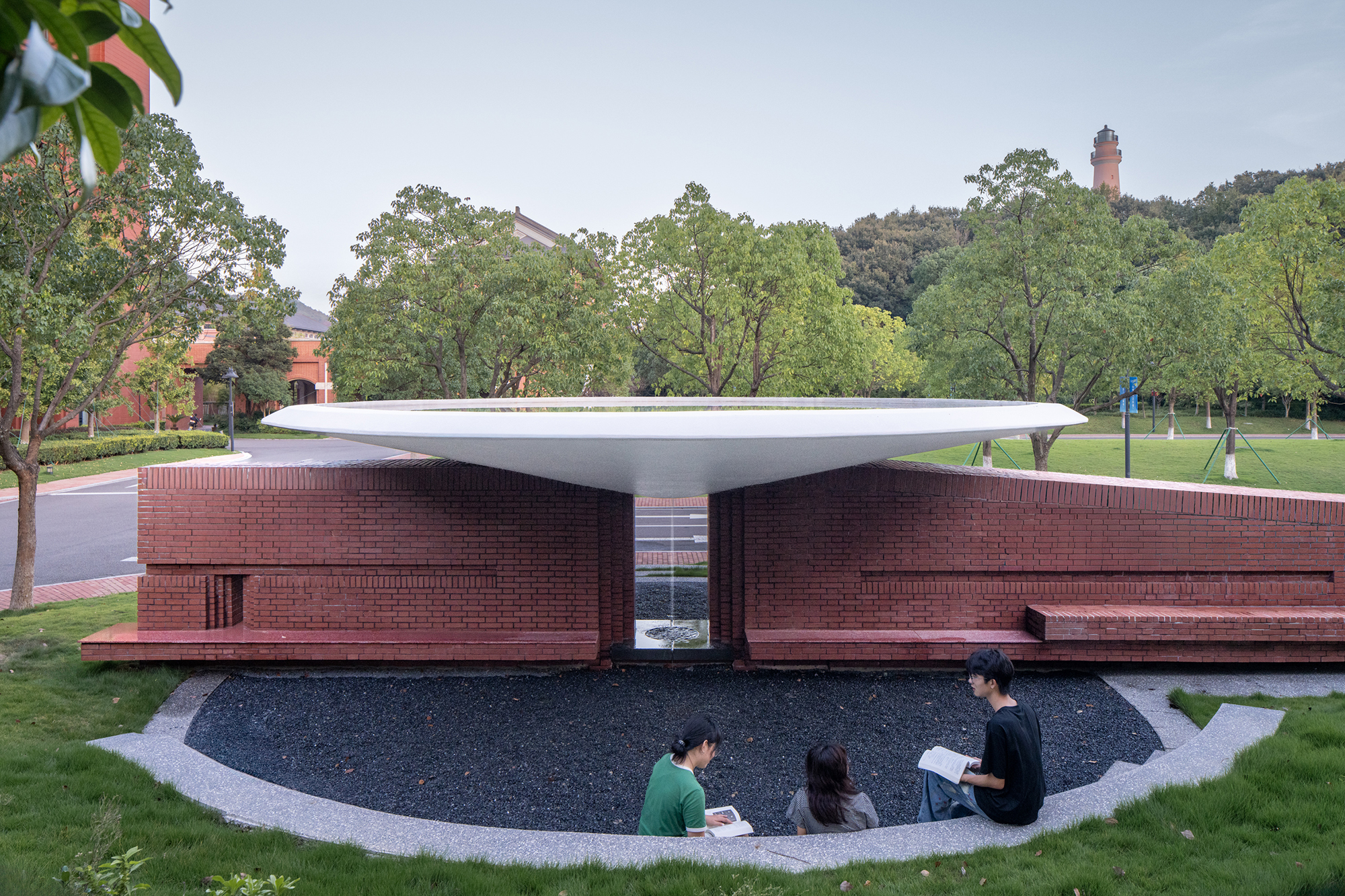
fromArchDaily
1 week agoArchitectures of the Gaze: 25 Viewpoints for Experiencing the Landscape
Viewpoints are structures designed for observing the landscape from elevated positions. They act as devices that organize the gaze and establish a direct relationship between the body and the territory.
Philosophy
fromArchitectural Digest
2 weeks agoHome Design for a Longer Life: Can a House Really Promote Longevity?
When you design your home with intentionality, you are essentially 'hard-coding' healthy behaviors into your daily rhythm. Health outcomes are the result of thousands of micro-decisions—so in his own home, he prioritized spaces like the kitchen, whose open layout makes cooking a pleasure, and the gym, centrally located.
Wellness
Philosophy
fromThe Conversation
3 weeks agoThe long history of silent meditation retreats and the individuals who helped shape them
Burmese meditation master Sayagyi U Ba Khin's 10-day silent mindfulness retreats became a foundational model for secular meditation practices now widespread in the United States.
fromBetter Homes & Gardens
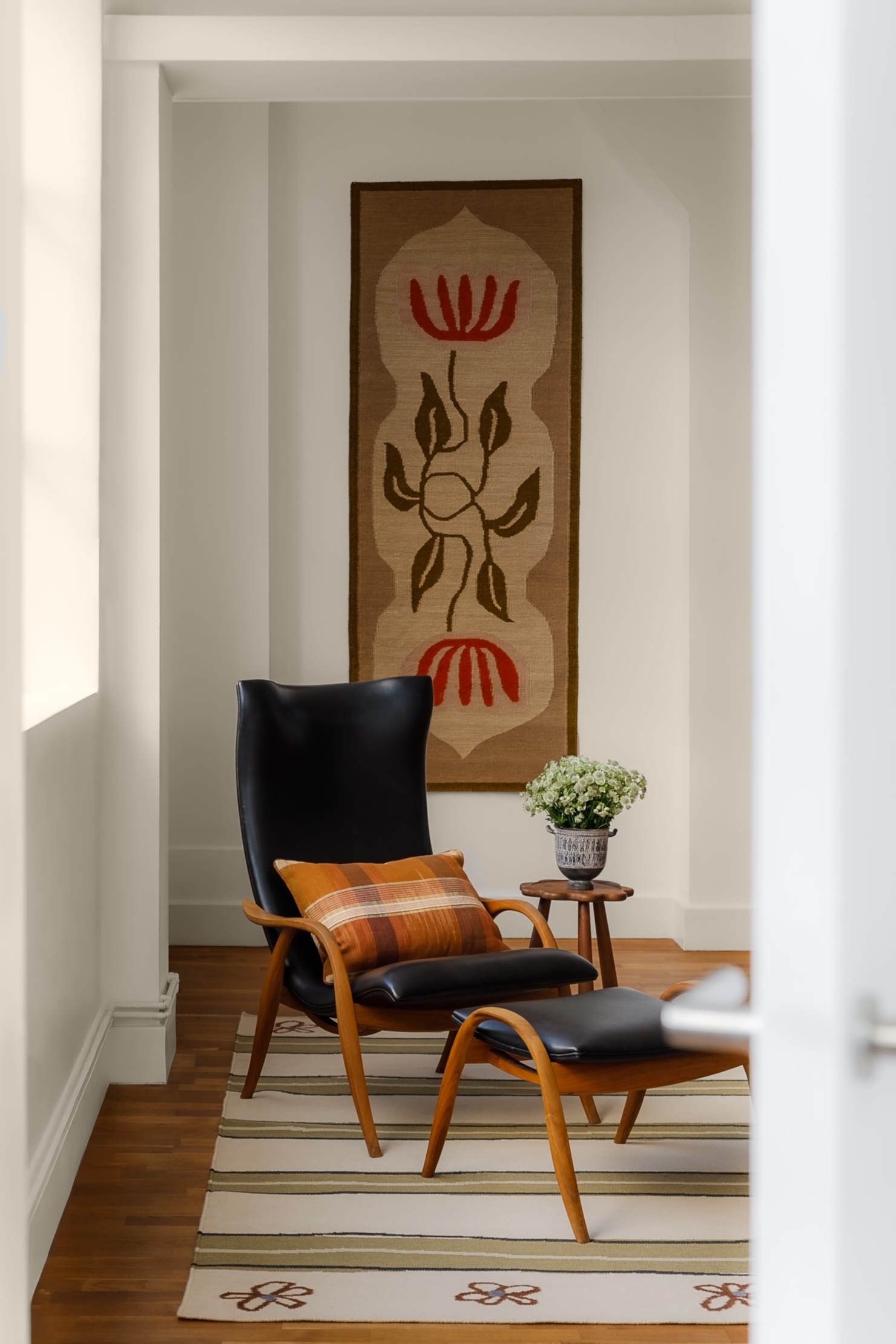
4 weeks agoHow to Design a No-Screen Zone That Helps Everyone Unwind and Reconnect
Work or social media can become addictive, and the bonds between people can suffer in the process. Designating certain spaces as screen-free zones helps provide a clear delineation between work or school and family time. Social media, office or school gossip, and work demands all erode time that could be better spent on personal growth through hobbies or the formation of social bonds.
Digital life
Design
fromYanko Design - Modern Industrial Design News
6 days agoBiomimetic Architecture Reaches New Heights With This Bird-of-Paradise Yoga Space - Yanko Design
Thilina Liyanage's architecture translates animal gestures into functional designs, exemplified by the Rifle Bird Yogashala inspired by the Victoria's riflebird's courtship display.
Wellness
fromDesign Milk
1 month agoEmergence is a New Kind of Multi-Sensorial Wellness Experience
The wellness sector reaches $6.3 billion in 2023 with 7.3% annual growth through 2028, expanding beyond traditional treatments into neuroscience-based experiences like Kinda Studio's personalized meditative Emergence service.
Mental health
fromwww.theguardian.com
3 weeks agoIt has changed my life': How a dose of nature is treating mental illness
Dose of Nature prescribes outdoor time as mental health treatment, achieving 64% recovery rates compared to NHS talking therapies' 50%, with nature exposure providing serotonin boosts and immune system benefits through phytoncides.
fromArchDaily
6 days agoThe Illusion of Lightness: Designing Civic Voids for Public Life
The original intent of pilotis was to create a sense of lightness that would allow circulation and light to flow beneath a structure, but contemporary requirements render thin columns insufficient for large-scale civic projects.
Renovation
Renovation
fromYanko Design - Modern Industrial Design News
6 days agoThis Tiny House Has 30 Feet of Glass and Feels Nothing Like a Tiny House - Yanko Design
The Shoreline Glass House redefines tiny living with spacious, light-filled design and single-floor layout, offering a unique blend of comfort and openness.
fromBustle
3 weeks agoMindfulness
Why Slow Living Is Gaining Ground in a Culture Obsessed With Speed
Slow living prioritizes quality, relationships, and presence over productivity and busyness, supported by research showing that chronic time pressure increases health risks while rest improves cognitive and creative performance.
Mindfulness
fromPsychology Today
3 weeks agoYour Brain Needs the Outdoors More Than You Think
Human brains evolved outdoors and require natural environments to function optimally; modern indoor lifestyles cause mental fatigue that nature exposure restores through soft fascination and circadian rhythm regulation.
Renovation
fromYanko Design - Modern Industrial Design News
3 weeks agoThis Crumbling Kyoto Home Was Rebuilt as a Wabi-Sabi Sanctuary - and Every Detail Is Intentional - Yanko Design
A Kyoto renovation restores a traditional Sukiya residence by removing decades of alterations, creating livable spaces that honor historical principles while serving contemporary needs.
fromArchDaily
2 months agoFrom Desert to Forest: 8 Unbuilt Houses Designed as Contemporary Retreats
Residential architecture remains one of the most active fields for unbuilt architectural exploration, offering a lens through which architects rethink how domestic space can respond to landscape, climate, and contemporary patterns of living. In this Unbuilt edition, submitted by the ArchDaily community, the selected proposals bring together a range of residential projects that engage with houses, villas, and retreats as sites of withdrawal, mediation, and everyday inhabitation.
Remodel
fromYanko Design - Modern Industrial Design News
2 months agoThis Mindful Seating Platform Turns Sitting Into a Ritual of Stillness and Connection - Yanko Design
In contemporary interiors shaped by speed, productivity, and constant stimulation, seating has largely become passive. It is designed to hold the body while the mind drifts elsewhere. OSOLO challenges this condition. It is not a chair in the conventional sense, but a mindful seating platform, a ritual object that reconsiders how we sit, gather, and occupy space. OSOLO emerges at the meeting point of two ancient cultures: Japanese stillness and Turkish hospitality.
Design
fromApartment Therapy
2 months ago"Instantly Calming": 8 Colors Designers Love in Trendy Japandi Interiors
If there was only one interior design style setting the tone in 2026, it would be Japandi. Apartment Therapy's State of Home Design survey identified Japandi style as one of the year's top design aesthetics, according to insights from 140 designers - and it's easy to see why. As more people strive to create spaces that feel calming, intentional, and grounded in nature, Japandi's blend of Japanese restraint and Scandinavian warmth feels especially timely.
Design
Design
fromYanko Design - Modern Industrial Design News
2 months agoRain, Light, and Lunch: Inside Ubud's Circular Bamboo Oasis - Yanko Design
Juna Ubud uses a circular, tiered bamboo and ulin‑shingle canopy to choreograph rain, light, and breezes, feeding a central courtyard pond for passive climate control.
[ Load more ]