Medicine
fromThe New Yorker
22 hours agoWhy Are People Injecting Themselves with Peptides?
Health and wellness influencers promote unapproved peptide treatments, raising concerns about consumer safety and the future of FDA regulations.
C-suite clients are getting treatments to age themselves down, with a focus on looking energetic, young, and full of vitality. Plastic surgeons report a significant increase in demand for facial procedures among executives.
"There was so much beauty, so much more than enough for everyone, that it did appear to be a vain activity to try and make a corner in it." This quote captures the essence of Villa Beatrice, where beauty and luxury converge in a breathtaking setting.
"When it's hot or humid, the longevity of your makeup really starts with how you prep the skin. I always begin with a smoothing primer to create grip, followed by a lightweight, breathable complexion product rather than anything overly heavy."
Federal regulators have issued warnings that unapproved exosomes could leave customers with severe skin infections. As procedures like exosome therapy become more popular, they draw attention to the potential threat to consumer health posed in some Florida med spas. In their rush to obtain the newest, buzziest treatments, customers may be injected with unapproved, mislabeled or even outright toxic substances.
Patients automatically trust practitioners of Harley Street and assume they will provide high quality surgery. In reality, many of the practitioners with Harley Street stamped on their business cards are no more than medical imposters.
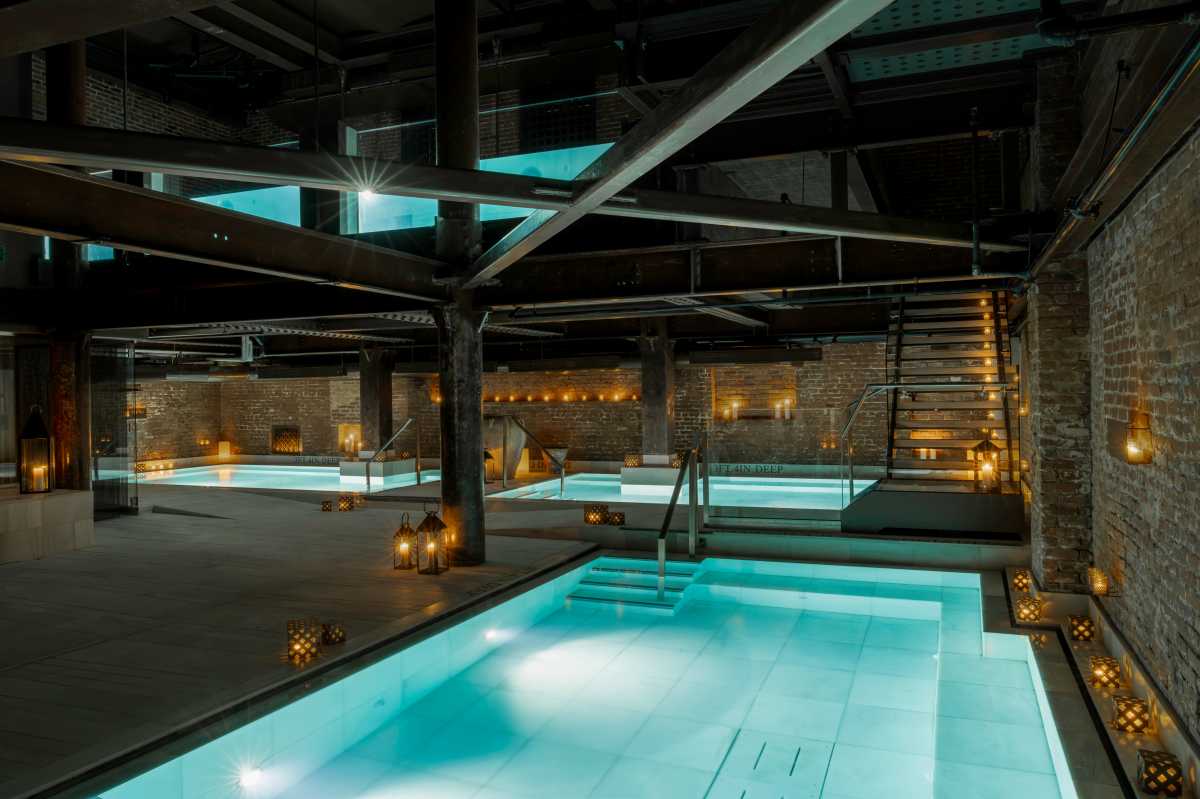
Well-being has never been more at the forefront of our minds than now, and there have never been more excuses to practice wellness on a daily basis. From sound baths in the Maldives to recovery lounges in Napa Valley, 2026 is set to see boundary-pushing wellness trends in the travel world.
I am familiar with this feeling. Breadcrumb trails of heat lead to pain that's called minor, pressure that's called surprising. Rooms like this-the salon where my scalp scalds as my curls burn away or the aesthetician's office where I lie as vulnerable as I might in a hospital bed-are drenched in anxiety's musk, scented with antibacterial spray. The women who leave me their warmth are like older sisters, evidence files, guinea pigs, role models, comrades, and competition.
Consultant dermatologist Dr Aiza Jamil says facial puffiness is usually caused by fluid retention and common triggers include high salt and alcohol intake, allergies and lack of sleep. Dr Tina Tian, also a consultant dermatologist explains most viral hacks fall into three categories - cold exposure, massage and temporary tightening effects. They can "genuinely reduce visible swelling and provide relief but the key word is temporary - they won't permanently change facial structure".
I got a 3D scan that measured my flexibility last August, hoping the predictably subpar results would finally inspire me to stretch more. Then, I did basically nothing. Even knowing my shoulder rotation movement was in the "red" zone - needing serious improvement if I wanted to avoid future pain - it wasn't enough to get me to devote three minutes of light stretching before my cardio and strength workouts as suggested by trainers I had spoken with.
Wavytalk: Hair Tools Create salon-quality hairstyles at home with one tool. Wavytalk's Curlmaker rotating curling iron comes with three interchangeable barrels, so you can make tight ringlets, loose waves, and more. The award-winning Blowout Express combines a brush and curler. Its fast, dual-heat design saves time and smart technology adds shine for a smooth, frizz-free look. Silk'n: Hair Removal Devices Remove hair at home easily and comfortably.
Demand for beauty treatments is soaring. The global aesthetics market is projected to reach €22.9bn by 2028, according to analytics company Clarivate, driven by the development of more natural-looking results and the influence of social media. But how much are Irish women actually spending on such treatments? "It's very hard to find statistics, because they're all private enterprises, so they don't need to release them," says Liz Dwyer (@lizdwyerbeauty), co-founder of the Future Beauty and Health Show, which returns to the RDS on March 21-22 with a line-up of Irish and international experts in aesthetics and longevity.
It's a watershed moment in aesthetic medicine, resonating across age groups. "Younger people are coming in with concerns about texture, tone, inflammation, early laxity, and how their skin behaves under stress," observes Dr. David Jack, an aesthetic doctor renowned for his light touch. "While more mature patients - many of whom have already had filler - are increasingly aware that volume alone does not age well if the architecture beneath it continues to degrade."
On my first day at Canyon Ranch's $20,000 four-day Longevity8 retreat in November, the schedule sounded dauntingly packed: I received a list of appointments with doctors and wellness specialists across a range of fields, from fitness to flexibility, meditation to mental health. In between electrocardiograms, carotid ultrasounds, and DEXA scans, I would attend spa appointments, fitness classes, and group hikes through the Santa Catalina Mountains;
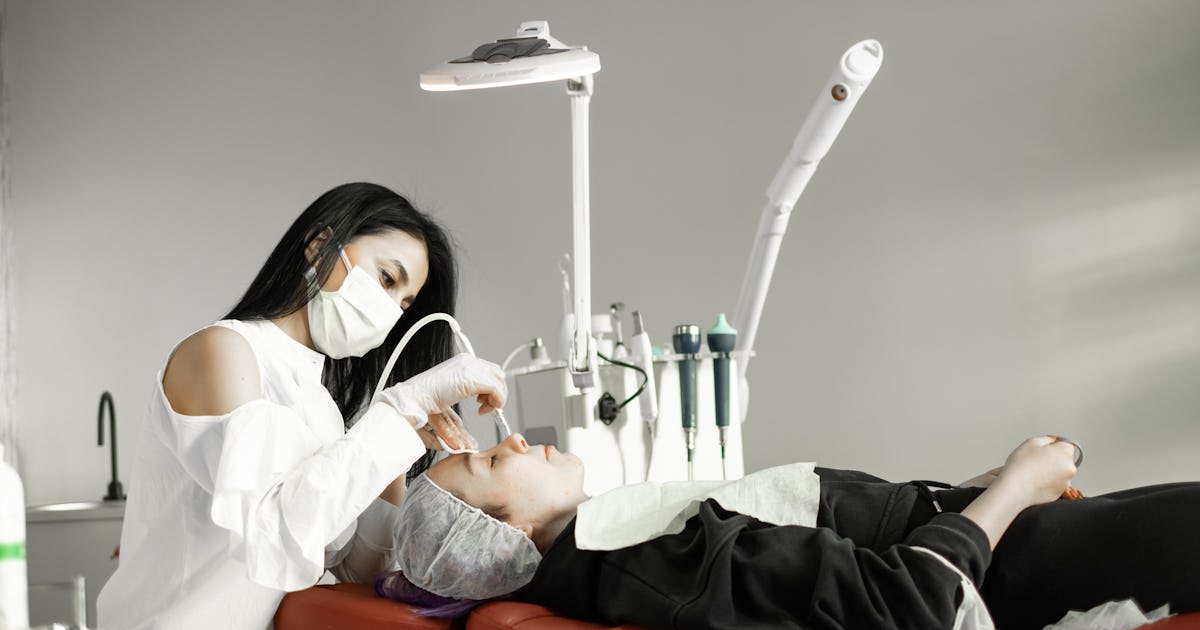
'Stem cell-based' treatments and just the latest aesthetic treatment marketed to those seeking to maintain or obtain youthful skin, but what exactly is involved and what's the evidence that they work It's hard to keep track of the number of scientifically based beauty treatments on offer these days. Most are aimed at middle-aged females with disposable incomes, who are willing to splash large amounts of money on their skin to counter the effects of time.
The conversation around workplace productivity has shifted. For years, the focus sat squarely on output: longer hours, faster responses, and relentless availability. But a growing body of evidence suggests that sustainable performance depends less on time spent working and more on how effectively professionals recover between periods of high demand. This shift is playing out visibly across the capital's business districts, where mobile massage in London is becoming increasingly popular as a scheduled necessity rather than an occasional indulgence.






:max_bytes(150000):strip_icc()/TAL-switzerland-EXPNSVWELLNESSDEST0126-2c434973c0cb4cd8a0adac0d7cf28328.jpg)
:max_bytes(150000):strip_icc()/TAL-rishikesh-india-ARFDWELLNESSDEST0126-91c1e94cd2834be99e443a09db92bdd9.jpg)

