#missile-capabilities
#missile-capabilities
[ follow ]
#us-military
World news
fromIrish Independent
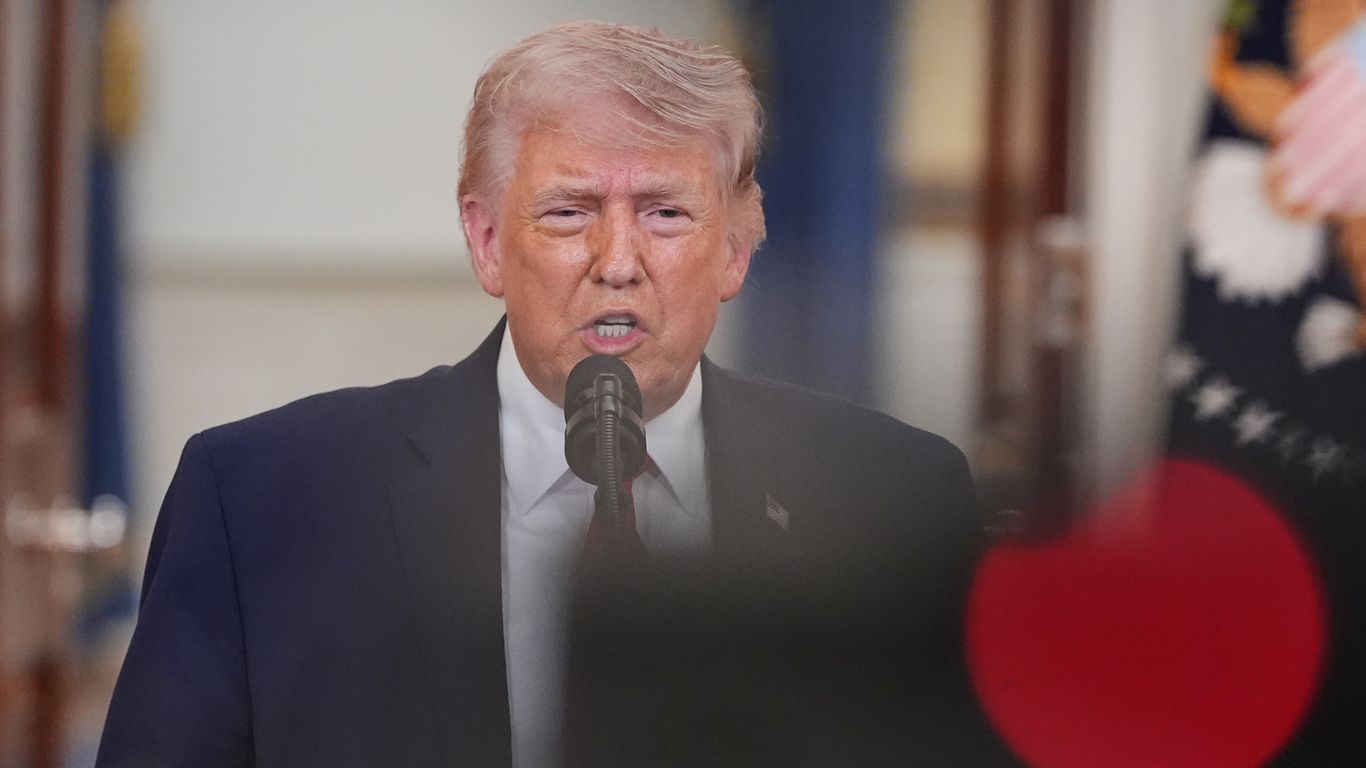
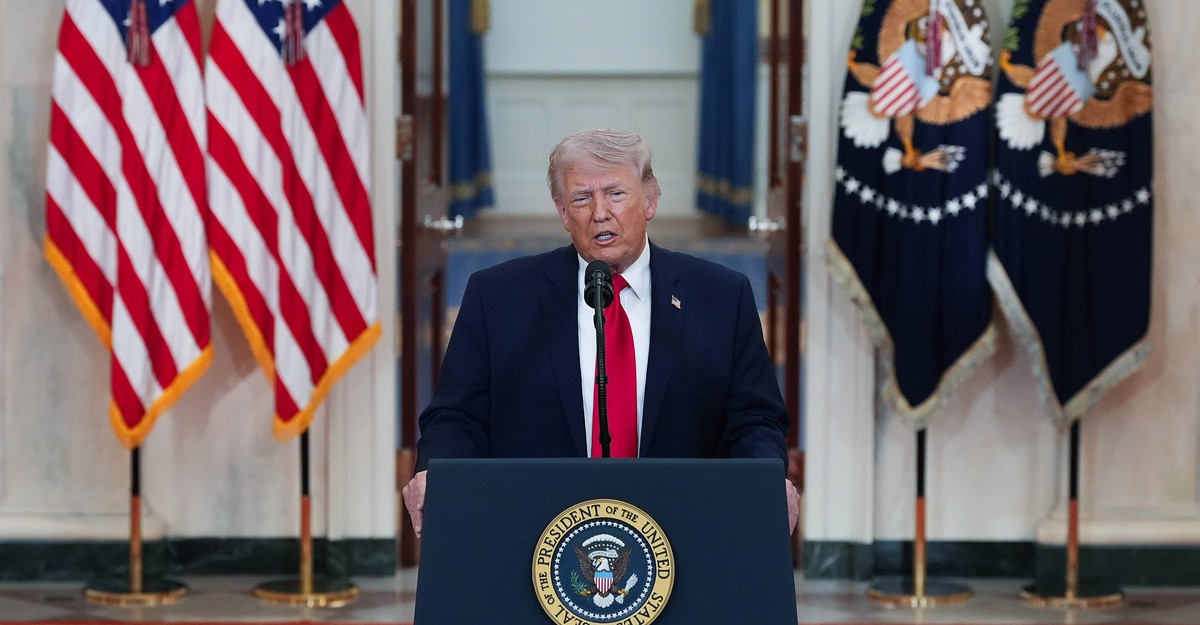
11 hours ago'Tuesday will be power plant day and bridge day' - Donald Trump says US will target Iran's infrastructure this week
A US service member missing after an Iranian attack has been rescued, according to Donald Trump, who confirmed the individual is injured but recovering.
World news
fromIrish Independent
11 hours ago'Tuesday will be power plant day and bridge day' - Donald Trump says US will target Iran's infrastructure this week
A US service member missing after an Iranian attack has been rescued, according to Donald Trump, who confirmed the individual is injured but recovering.


fromThe New Yorker
1 day agoHow Donald Trump's War on Iran Helps Vladimir Putin's War on Ukraine
In 2021, when Olga Rudenko and other journalists launched the Kyiv Independent, they were committed to making a publication that wouldn't face political pressure from an owner. A few months later, Russia launched a full-scale invasion of Ukraine, and the Independent began reporting breaking news from the front lines.
Russo-Ukrainian War







fromFast Company
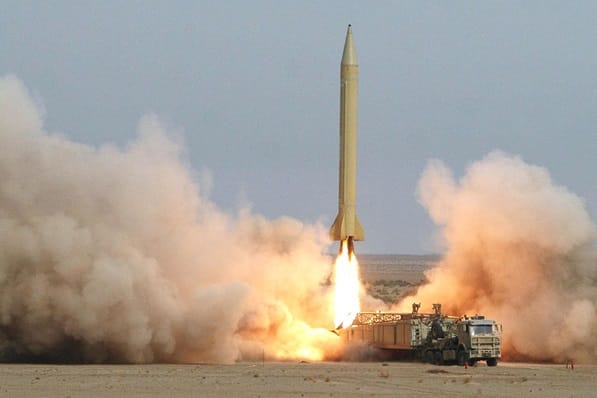
8 hours agoUsing nuclear explosives to bypass the Strait of Hormuz isn't a novel idea for the U.S.
Instead of fighting over a 21-mile-wide bottleneck forever, we cut a new channel through friendly territory. A dozen thermonuclear detonations and you've got a waterway wider than the Panama Canal, deeper than the Suez, and safe from Iranian attacks.
World politics
#trump

Europe news
fromLondon Business News | Londonlovesbusiness.com
3 days agoTrump threatens Ukraine arms halt to force Europe into Hormuz coalition - London Business News | Londonlovesbusiness.com
Trump threatens to halt arms supplies to Ukraine to pressure European allies into reopening the Strait of Hormuz.
European startups
fromwww.businessinsider.com
1 week agoThe US military is pushing up production for the weapons that could matter most in a major war
The Department of Defense is increasing production of critical weapons, including THAAD interceptors, to meet rising demand and address stockpile concerns.
Miami Marlins
fromBusiness Insider
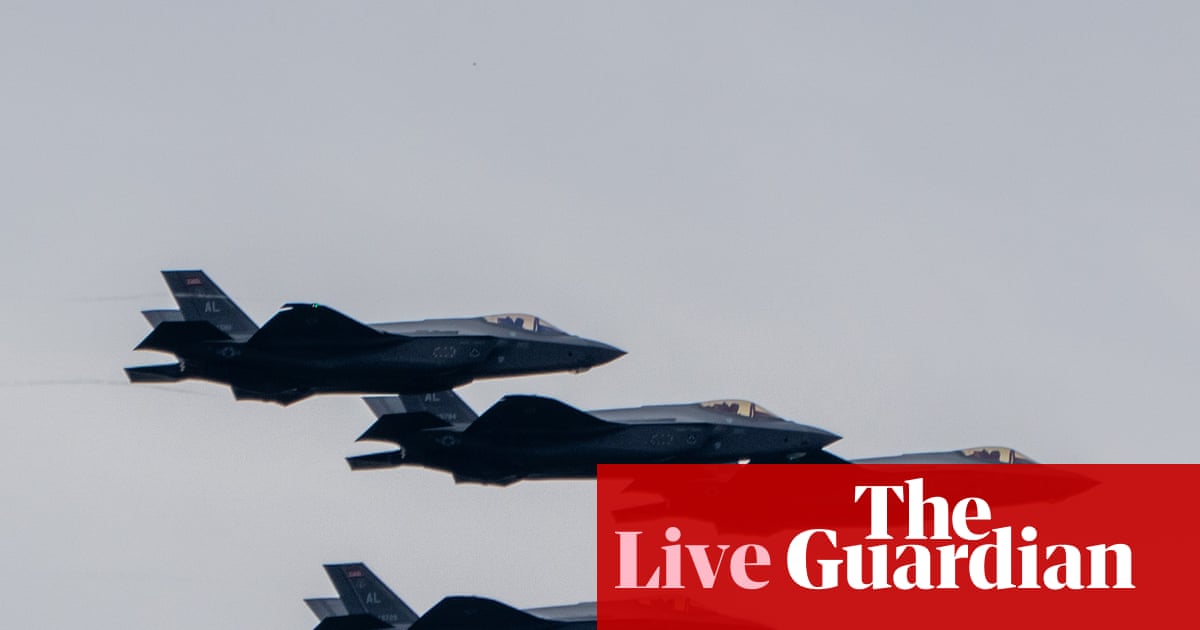
3 weeks agoUS Navy destroyers are firing top interceptors to bring down Iranian missiles flying into NATO airspace
US Navy destroyers in the Eastern Mediterranean have used SM-3 interceptors three times in two weeks to defend NATO airspace against Iranian ballistic missiles.

World news
fromLondon Business News | Londonlovesbusiness.com
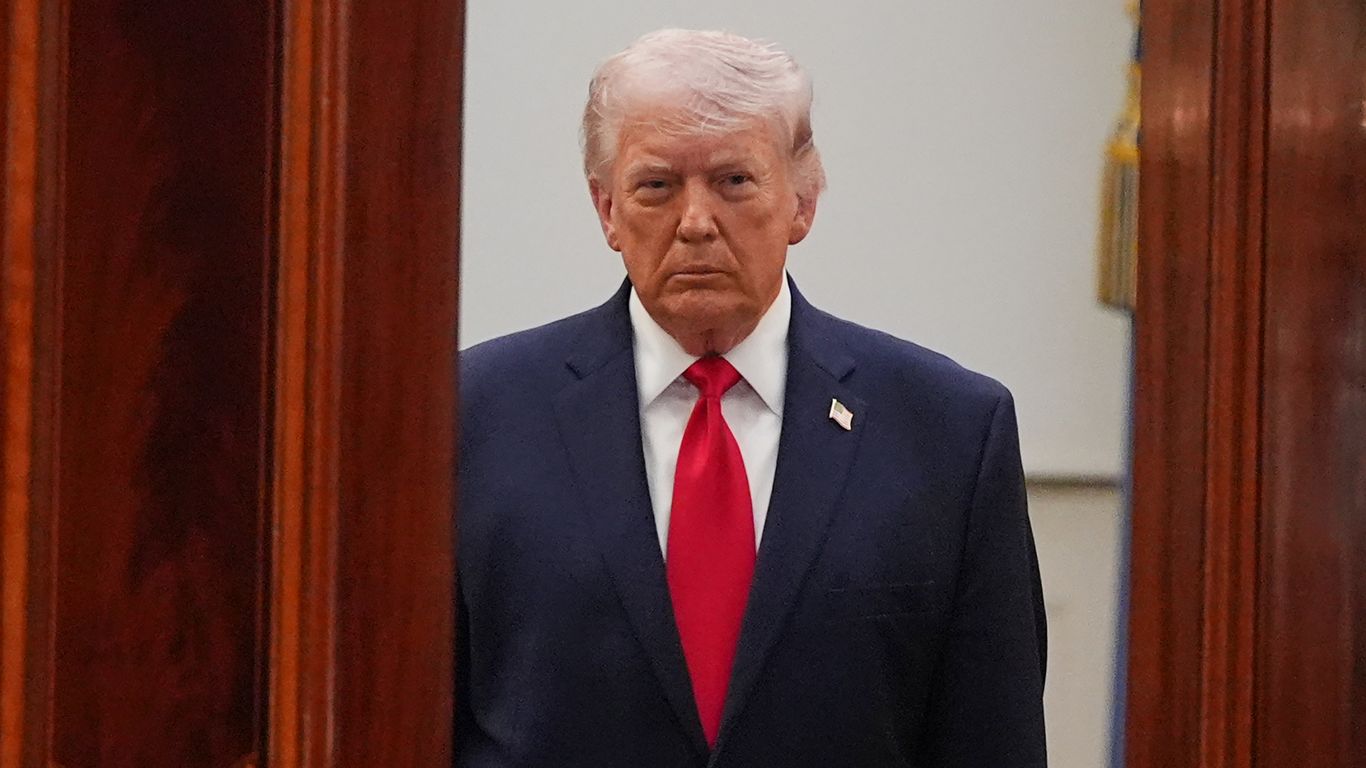
1 day agoUS Senator is 'convinced' Trump 'will use overwhelming military force' against Iran - London Business News | Londonlovesbusiness.com
Senator Lindsey Graham supports President Trump's ultimatum to Iran, threatening military action if they do not comply by April 6.
#f-15e
World news
fromLondon Business News | Londonlovesbusiness.com
2 days agoFootage shows US fighter jet being shot down as Iran 'put bounty on pilots' - London Business News | Londonlovesbusiness.com
The search for a downed F-15E Strike Eagle intensifies in Iran amid escalating tensions between American and Iranian forces.
World news
fromLondon Business News | Londonlovesbusiness.com
2 days agoPentagon confirms fighter jet shot down over Iran as rescue mission underway - London Business News | Londonlovesbusiness.com
An F-15E Strike Eagle was shot down over Iran, initiating a combat search and rescue operation for its two crew members.
fromwww.businessinsider.com
2 days agoThe US is burning through expensive missiles. DARPA is looking for cheaper ones that can be built in days, not months.
"To accelerate current weapons development timelines, DARPA is considering an alternative development paradigm to increase the nation's magazine depth and breadth."
World news

fromThe Washington Post
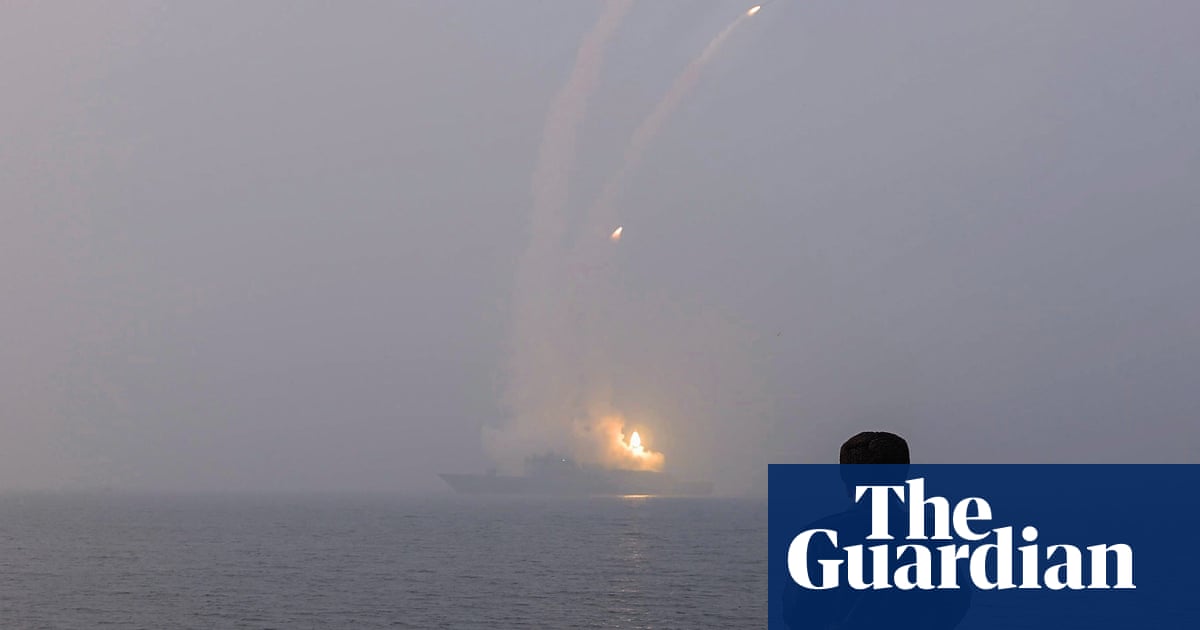
1 week agoU.S. uses hundreds of Tomahawk missiles on Iran, alarming some at Pentagon
The U.S. military has fired more than 850 Tomahawk cruise missiles in four weeks of war with Iran, burning through the precision weapons at a rate that has alarmed some Pentagon officials.
World news
fromwww.aljazeera.com
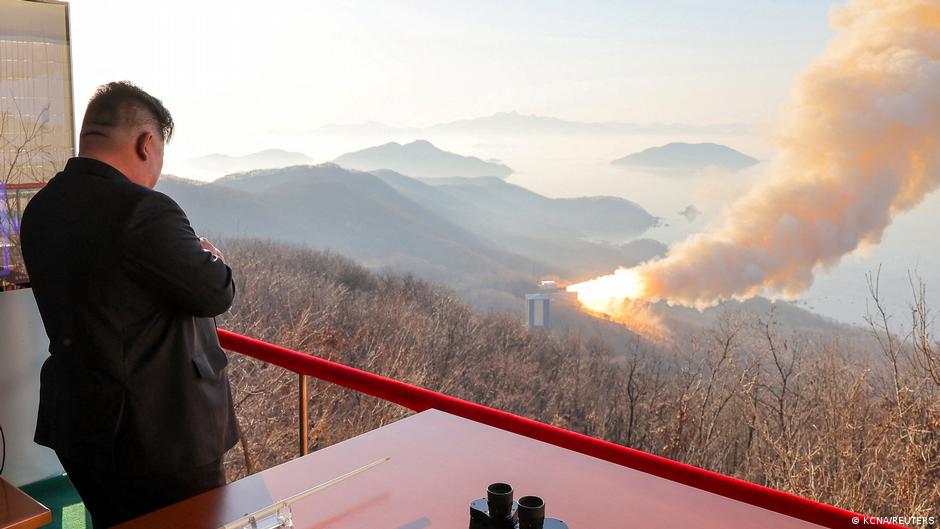
3 weeks agoNorth Korea fires ballistic missiles as US-South Korea hold military drills
Japan estimates that the missiles reached a maximum altitude of 80 kilometres (50 miles) and flew approximately 340 kilometres before landing near the east coast of the Korean Peninsula, outside Tokyo's exclusive economic zone. Early reports indicate that no damage has been reported by nearby aircraft or ships.
World news
fromwww.theguardian.com
3 weeks agoHasty redeployment of US missiles from South Korea to Middle East leaves Seoul rattled
Early on a spring morning, camouflaged trucks carrying the US-made terminal high-altitude area defense (THAAD) missile-defence system rolled into Seongju, as the country's government ignored protests from locals who said the deployment would make them a target for Pyongyang's ballistic missiles. The conservative government in Seoul, backed by Washington, insisted that Thaad was the most effective way to locate and destroy North Korean missiles before they threatened the South and the 28,500 US troops stationed there.
World news
fromwww.theguardian.com
2 months agoPentagon to reduce its role in deterrence of North Korea
South Korea hosts about 28,500 US troops in combined defence against North Korea's military threat and Seoul has raised its defence budget by 7.5% for this year. South Korea is capable of taking primary responsibility for deterring North Korea with critical but more limited US support, said the National Defense Strategy, a document that guides the Pentagon's policies. This shift in the balance of responsibility is consistent with America's interest in updating US force posture on the Korean Peninsula, the document added.
World news
[ Load more ]