Design
fromPsychology Today
1 hour agoThe Future of Brain Health Is Architecture
The built environment significantly influences mental health, mood, and performance, with neuroscience guiding design for improved well-being.
The convenience of sourcing online is fraught with more pitfalls than most of us want to admit. Try finding adequate photos of a vintage piece's condition-close-ups of the fabric, video of damaged areas, any images of a piece's rear or underside!
Meininger, who grew up in Germany but now lives in London, likes making things. So when he saw how much his young sons enjoyed the jungle gym and play forts at the local park, he made an indoor treehouse for them.
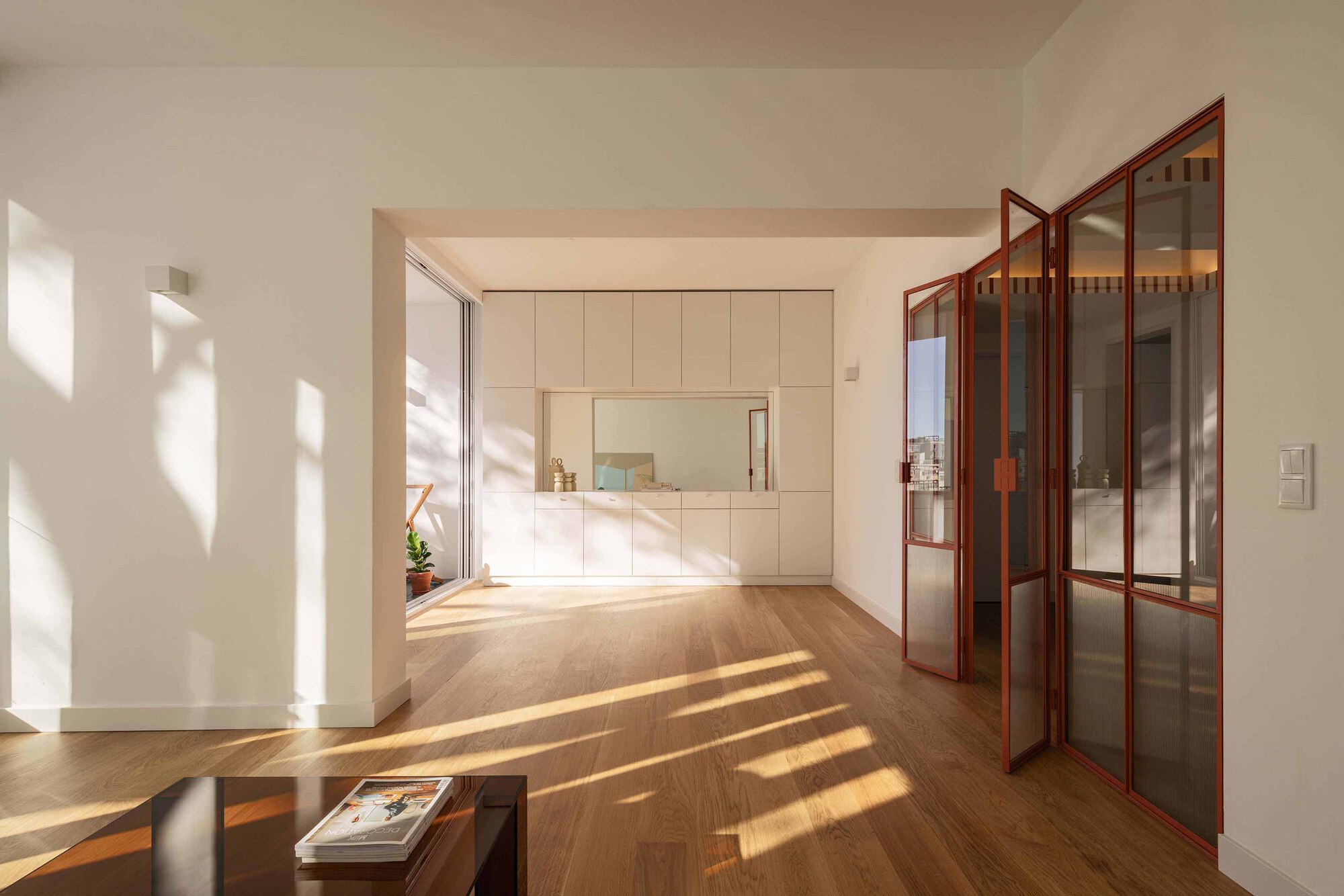
When you design your home with intentionality, you are essentially 'hard-coding' healthy behaviors into your daily rhythm. Health outcomes are the result of thousands of micro-decisions—so in his own home, he prioritized spaces like the kitchen, whose open layout makes cooking a pleasure, and the gym, centrally located.
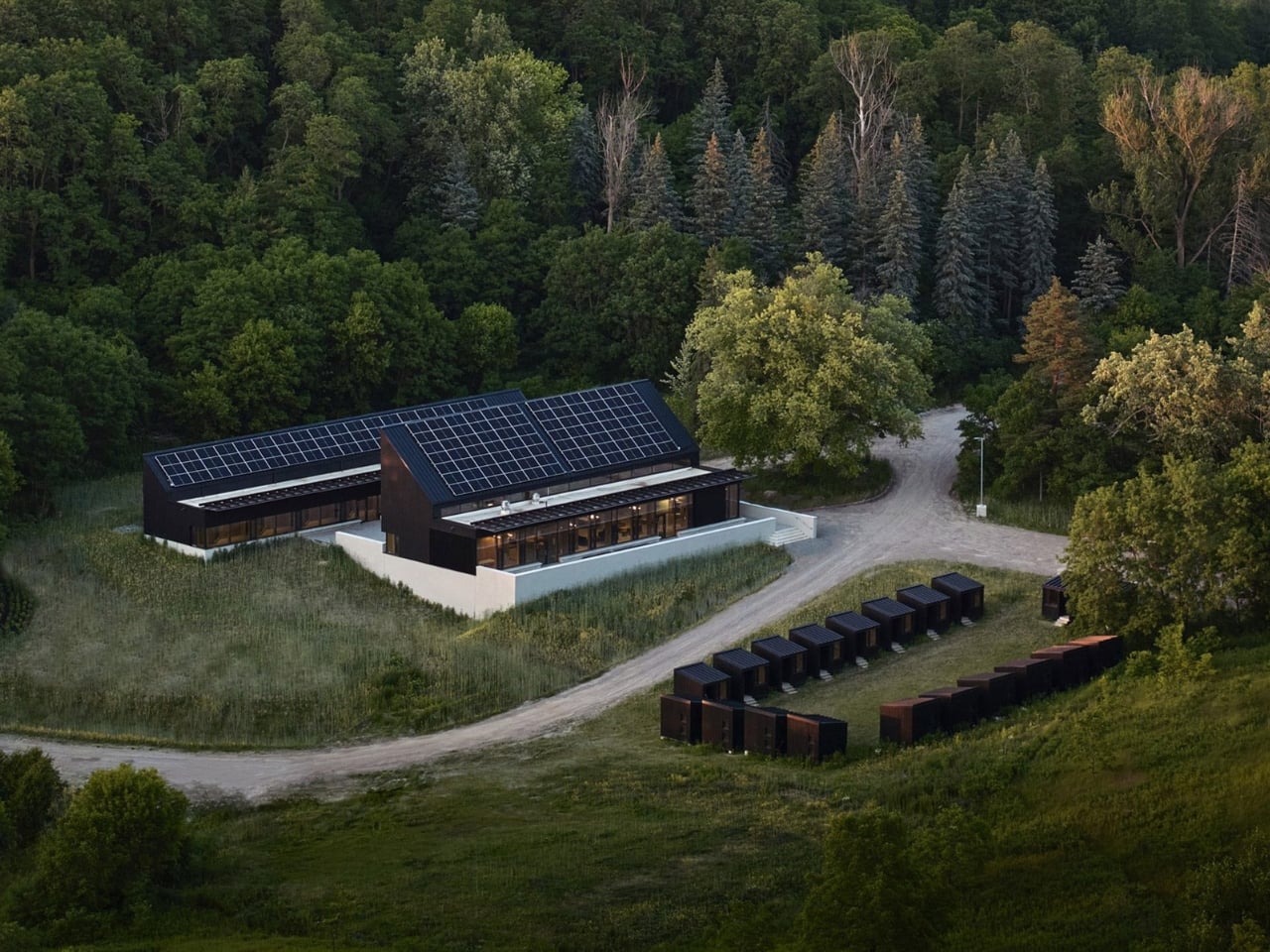
Photovoltaic (PV) solar energy represents a modular technology that can be manufactured in large-scale facilities, generating economies of scale, while also being adaptable to small-scale applications. From residential rooftop systems to large-scale power generation installations, photovoltaic solar energy has established itself as a cost-effective option for electricity production in many countries around the world.
The regeneration plan includes over 10,000 apartments, new transportation links, and commercial and civic spaces, forming a comprehensive urban redevelopment strategy aligned with 15-minute city principles.
In the nineteenth century, entire railway networks became obsolete almost overnight, not due to physical deterioration, but because of changes in the technical standards that supported them. The expansion of railroads across Europe and North America adopted different track gauges, and as a dominant standard gradually emerged, these infrastructures became incompatible with one another.
When you think about building a house, what materials come to mind? Brick, wood and metal all come to mind; there are also some very distinctive glass houses out there. (Even if their occupants should refrain from throwing stones - though honestly, that's a good tip for indoor living in general.) A group of MIT researchers have come up with a very different way of making buildings, and it's one that also addresses an ongoing waste issue."We've estimated that the world needs about 1 billion new homes by 2050. If we try to make that many homes using wood, we would need to clear-cut the equivalent of the Amazon rainforest three times over," explained AJ Perez, who conducts his research in the MIT Office of Innovation. The title of a paper written by Perez and his colleagues - "Design, Manufacture and Testing of Structural Trusses Using Additively Manufactured Polymer Composites" - gives a sense of the solution that they have in mind.
One of the earliest large-scale examples of composite materials can be found in the Great Wall of China, where stone, clay bricks, and organic fibers such as reeds and willow branches were blended to create a resilient and lasting structure. These early techniques reveal a timeless intuition: distinct materials, when combined thoughtfully, produce properties unattainable by any single element.
From the large industrial roofs and galleries of the 19th century to the contemporary atriums of museums and public buildings, glass has been a recurring material in shaping large and monumental interior spaces. More than a technological or engineering solution, these horizontal glazed planes introduce a distinct luminous quality: light that comes from above. Unlike lateral daylight entering through façades, zenithal light is more evenly distributed, reduces harsh shadows, and lends spaces a sense of continuity and openness that is difficult to achieve otherwise.