#mouse-utopia
#mouse-utopia
[ follow ]
#animal-behavior #neuroscience #animal-welfare #urban-wildlife #pretend-play #animal-cognition #mental-health
Psychology
fromSilicon Canals
1 day agoPsychology says the loneliest people in life aren't the ones nobody likes - they're the kind, helpful people everyone appreciates but nobody thinks to check on because they seem so self-sufficient - Silicon Canals
Highly capable, helpful individuals often feel lonely because their strength creates an illusion that they do not need support.
fromwww.scientificamerican.com
2 days agoHumans have been gambling since the Ice Age
Madden combed through this sparse record, confirming the oldest-known dice and establishing an unbroken, previously hidden lineage of chance-based games dating back at least 12,000 years, 6,000 before any counterpart in the Old World.
History
fromNature
4 days agoDopaminergic mechanisms of dynamical social specialization - Nature
Social foraging strategies illustrate the balance between competition and cooperation, where individuals either produce resources or exploit the efforts of others, navigating ecological and social constraints.
Psychology

fromNature
1 week agoCan a mouse be cloned indefinitely? Decades-long experiment has answers
Asexual reproduction is ultimately unsustainable for mice, and potentially other mammals, too. The clones looked normal and lived as long as normal mice. But large mutations - including the loss of an entire chromosome - accumulated in the cloned lineage at an unusually high rate.
OMG science
fromwww.scientificamerican.com
3 weeks agoRaccoons will solve puzzles just for fun
Raccoons have very dense brains, and that likely explains their heightened ability to solve problems and to be behaviorally flexible, says Lauren Stanton, a cognitive ecologist at the University of California, Berkeley. But new research published in Animal Behaviour suggests raccoons will try to solve problems even when they don't expect a food reward for the work.
Science
UK news
fromwww.independent.co.uk
3 weeks agoUltrasound waves could help hedgehogs avoid being run over by cars
Hedgehogs possess ultrasonic hearing capabilities that could be leveraged through vehicle-mounted sound repellents to reduce road traffic deaths, addressing a critical conservation crisis affecting one-third of the population.
OMG science
fromwww.scientificamerican.com
2 weeks agoScientists built a tickle robot to solve one of biology's strangest mysteries
Neuroscientists use Hektor, a tickle robot, to systematically study the neurological and physiological mechanisms of ticklishness by measuring brain activity, facial expressions, heart rate, and other bodily responses.
fromHigh Country News
1 month agoCoyotes and cougars and rats, oh my! - High Country News
An unnamed tourist saw it and told Aidan Moore, who works for Alcatraz City Cruises. Moore told SFGATE that he was initially skeptical, but the guest's iPhone footage left little room for doubt. The video shows, not a sea lion or an otter, but an actual Canis latrans, doggedly dogpaddling, then clambering out of the water, noticeably shaky and struggling to settle tired paws on the craggy rocks.
California
US news
fromwww.npr.org
1 month agoScientists make a pocket-sized AI brain with help from monkey neurons
Scientists compressed an AI visual system model from 60 million to 10,000 variables while maintaining performance, revealing how biological brains achieve efficiency and potentially advancing both neuroscience and artificial intelligence.
Psychology
fromSilicon Canals
1 week agoSocial psychologists say the reason a stranger's rudeness can ruin your entire morning has nothing to do with sensitivity - the brain processes unexpected social hostility through the same threat pathway as physical danger, and the disproportionate response isn't overreaction, it's a system that evolved to treat rejection from the group as a survival-level event firing in a context where the stakes have changed but the wiring hasn't - Silicon Canals
Unexpected rudeness triggers a strong emotional response due to ancient survival wiring that perceives social rejection as a threat.
Psychology
fromSilicon Canals
2 weeks agoBehavioral scientists found that people who aren't genuinely good don't lack empathy - they possess what researchers call 'selective empathy' that activates only when there's an audience or when feeling someone's pain serves their narrative - Silicon Canals
Empathy can be selectively activated, with cognitive empathy intact but affective empathy deployed based on personal benefit or audience presence.
fromDefector
1 month agoWhich Chimp Should Wield The Crystal? | Defector
After washing and displaying them, I invited my colleagues to observe them. One colleague seemed very angry after examining them, picked up a piece straight away, hit it hard on the other stone fragments, and exclaimed, 'These kinds of broken stones can be seen everywhere on the road!' But later that fall, the French archaeologist Henri Breuil examined the crystals and agreed with Wenzhong: The crystals were not just stones, but artifacts collected by the early humans who lived in the cave.
OMG science
Environment
fromSilicon Canals
1 month agoPsychology says people who pick up litter even when no one is watching usually display these 7 traits that are becoming increasingly rare - Silicon Canals
Some individuals perform small acts of care without recognition, driven by intrinsic motivation linked to greater psychological well-being and life satisfaction.

fromPsychology Today
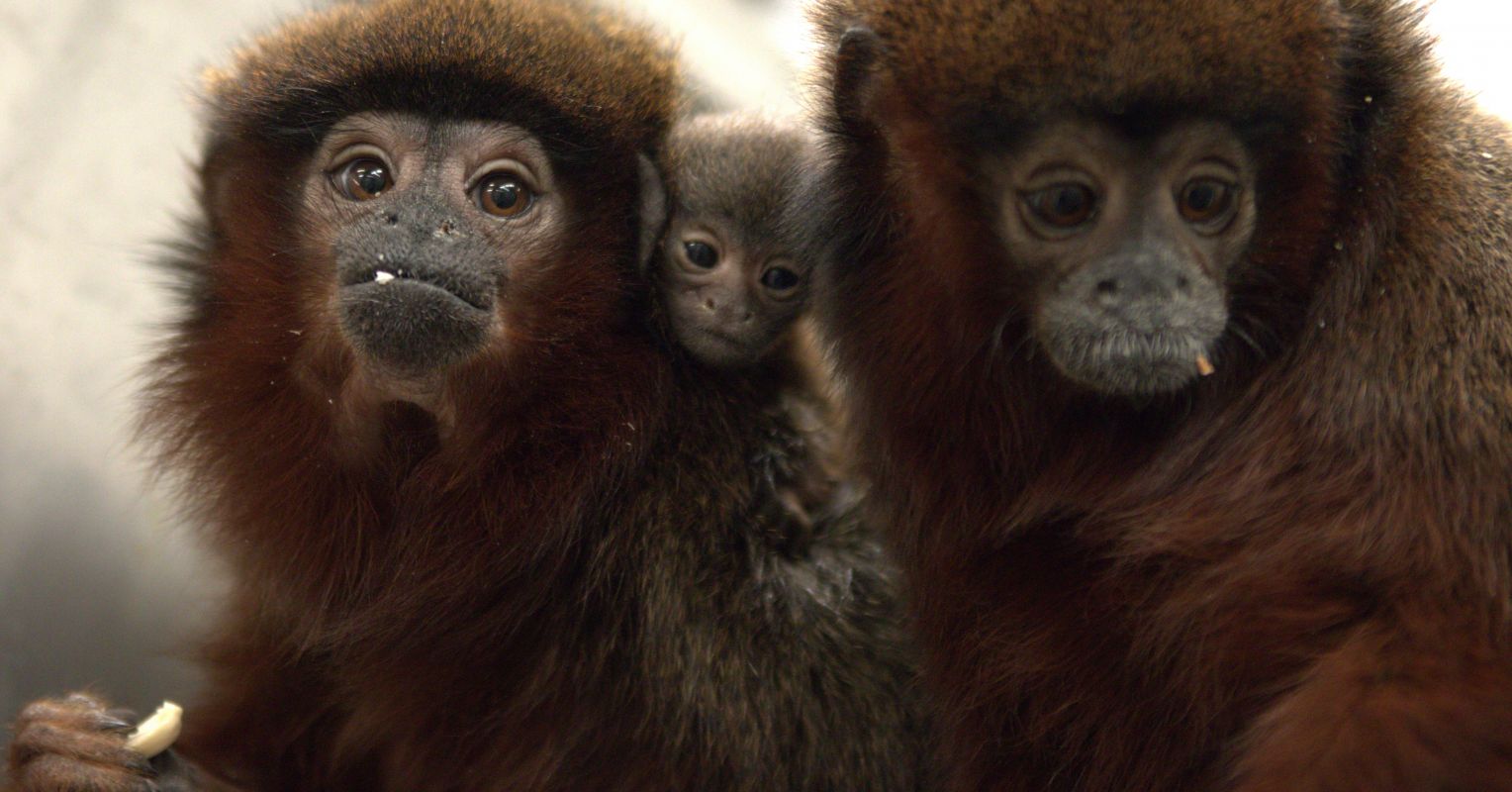
1 month agoOur Natural Intelligence Nexus Is at Risk
Inspiration, intuition, and interrogation are nodes in a living network, each one feeding and refining the others, generating a sort of generative consciousness: the capacity not just to respond to the world, but to reimagine it.
Artificial intelligence
fromNature
1 month agoThe age of animal experiments is waning. Where will science go next?
Last November, the UK government announced a bold plan to phase out animal testing in some areas of research. Animal tests for skin irritation are scheduled for elimination this year, and some studies on dogs should be slashed by 2030. The long-term vision is 'a world where the use of animals in science is eliminated in all but exceptional circumstances'.
Science

fromPsychology Today
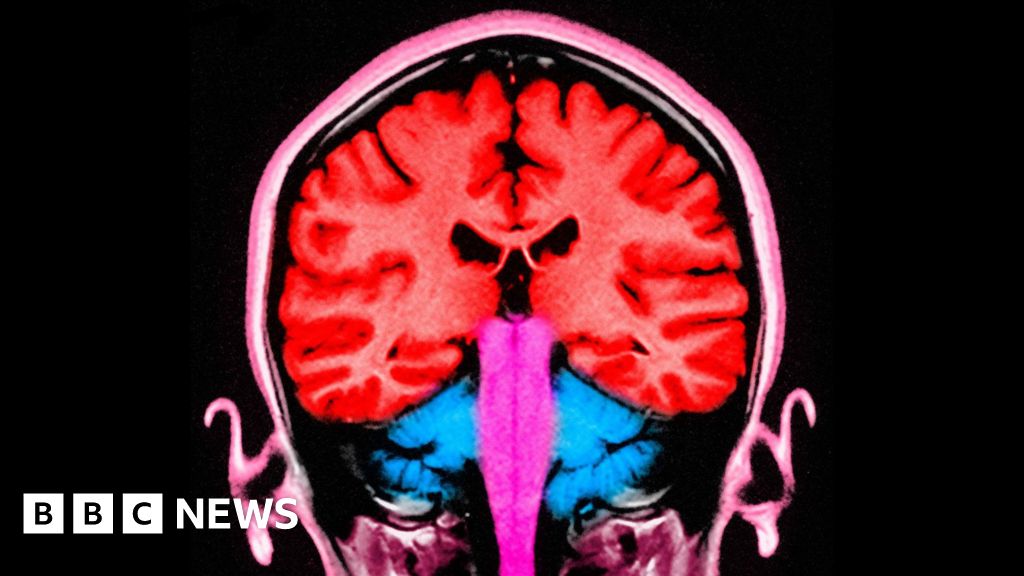
1 month agoHow Brawn and Engineering-Not Brains-Led to Human Domination
I'm always looking for books that challenge the status quo, and when I learned about Roland Ennos' new book The Powerful Primate: How Controlling Energy Enabled Us to Build Civilization, I couldn't wait to get my eyes on it, and I'm thrilled I did. In this landmark book, Ennos offers "a compelling argument that flips the traditional view of humanity on its head."
Science
Psychology
fromSilicon Canals
1 month agoResearch suggests that people who need a full day alone after socializing aren't antisocial, their brains are processing every interaction at a level most people skip entirely - Silicon Canals
People requiring recovery after socializing possess Sensory Processing Sensitivity, a neurological trait causing deeper social information processing that demands greater cognitive resources than typical social interaction.
fromPsychology Today
1 month agoThe Hidden Lives of Lab Animals and the Need for Reform
Countless millions of nonhuman animals (animals) of all sorts are used in a diverse array of laboratory research. Their treatment varies from being unspeakably inhumanely abused to being treated with kindness, depending on the questions at hand and the values and attitudes of the researchers themselves. The lives of these animals truly are hidden, and most people are incredulous when they learn that laboratory rats and mice still are not considered "animals" under the current federal Animal Welfare Act.
Science
Philosophy
fromSilicon Canals
1 month agoPsychology says the more educated and intelligent a person is, the more likely they'll make this one life choice - Silicon Canals
Highly educated individuals increasingly choose singlehood, prioritizing personal growth, career fulfillment, and stricter compatibility standards over traditional relationship milestones.
fromPsychology Today
1 month agoTool Use By Animals: Why the Hype and Why It's So Important
Recently, two unexpected examples by a wild wolf and a domesticated cow named Veronika attracted global attention and once again opened the door for experts and others to weigh in on the question, "Are these really examples of tooling?" Many people are eager to know more about the nitty-gritty details of tooling, so I am thrilled that Dr. Benjamin Beck, an expert in this area, could answer a few questions about this fascinating behavior.
Science
fromPsychology Today
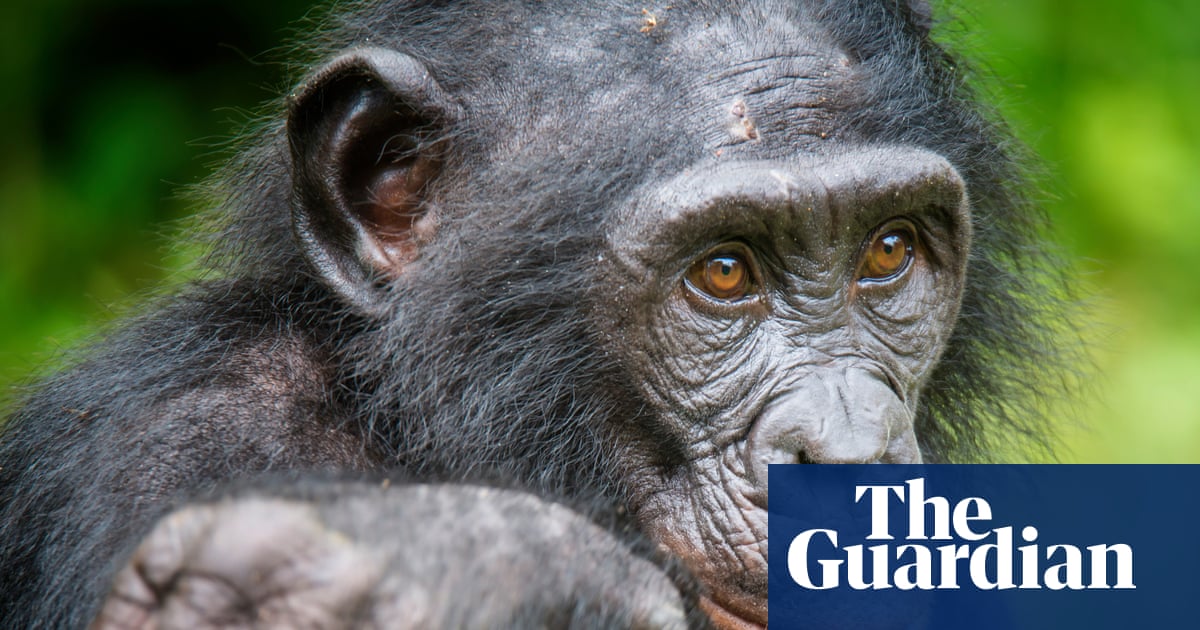
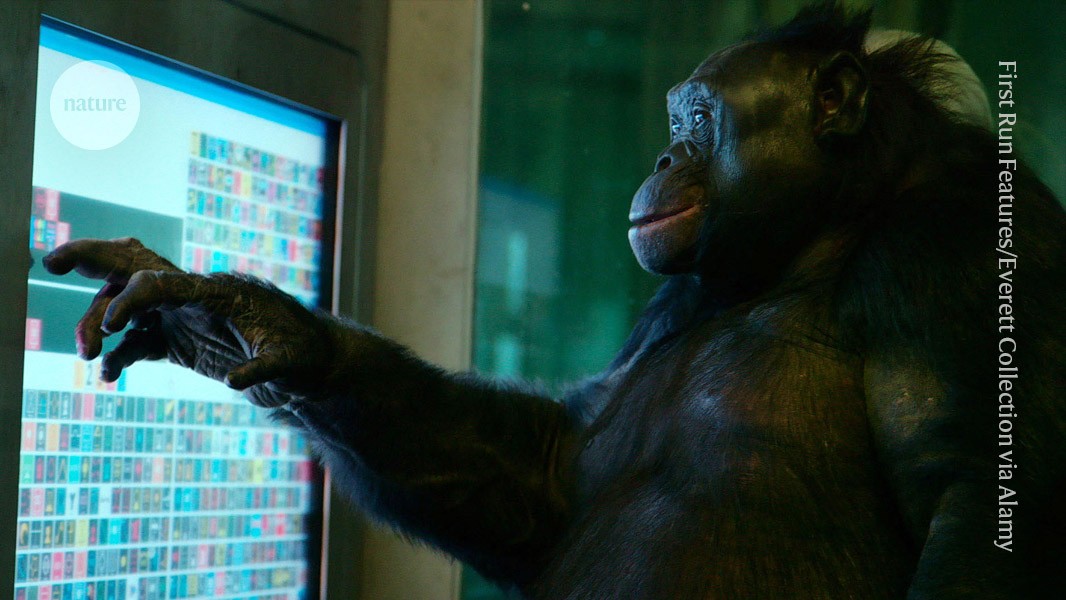
2 months agoWhy People Obey Systems They Know Are Wrong
Reflecting on the dramatic shifts in public opinion, political leanings, and social norms, a friend recently asked how it's possible that so many people seem to have changed their values so quickly. The more unsettling answer is that many haven't changed their values at all; they've changed how much attention they can afford to give. Increasingly, people aren't asking what they believe, but how much they can still carry.
Psychology
Psychology
fromSilicon Canals
1 month agoPsychology says the compulsion to double-check a locked door isn't anxiety; it's a sign of these 8 rare cognitive traits - Silicon Canals
Compulsive checking often signals heightened cognitive abilities, including exceptional pattern recognition, advanced mental simulation, and hypervigilant anomaly detection.
Science
fromwww.theguardian.com
2 months agoPrimates' same-sex sexual behaviour may reinforce bonds amid environmental stress'
Same-sex sexual behaviour in non-human primates reinforces social bonds and maintains group cohesion amid environmental stress, scarce resources, predation risk, and social competition.
[ Load more ]