#neuroscience-advancement
#neuroscience-advancement
[ follow ]
#neuroscience #neuroplasticity #brain-health #alzheimers-disease #artificial-intelligence #cognitive-health


fromWIRED
5 days agoMeet the Man Making Music With His Brain Implant
Galen Buckwalter, a 69-year-old research psychologist and quadriplegic, participated in a brain implant study to contribute to science that aids those with paralysis. The six chips in his brain decode movement intention, allowing him to operate a computer and feel sensations in his fingers again.
Music production

Digital life
fromSilicon Canals
1 week agoPsychology says older adults who stay tech-savvy into their 70s and 80s aren't just 'good with computers' - they display a specific type of cognitive flexibility that actually protects against age-related decline - Silicon Canals
Regular technology use may significantly reduce the risk of cognitive decline in older adults.
fromNature
4 days agoDopaminergic mechanisms of dynamical social specialization - Nature
Social foraging strategies illustrate the balance between competition and cooperation, where individuals either produce resources or exploit the efforts of others, navigating ecological and social constraints.
Psychology


#brain-initiative
Data science
fromNational Institute of Mental Health (NIMH)
4 weeks agoBRAIN Initiative: Data Archives for the BRAIN Initiative
The BRAIN Initiative data ecosystem provides domain-specific archives for long-term storage, curation, and community access to neuroscience research data, with continued funding essential for maintaining reproducible pipelines and accommodating exponential data growth.

Data science
fromNational Institute of Mental Health (NIMH)
4 weeks agoBRAIN Initiative: Data Archives for the BRAIN Initiative
The BRAIN Initiative data ecosystem provides domain-specific archives for long-term storage, curation, and community access to neuroscience research data, with continued funding essential for maintaining reproducible pipelines and accommodating exponential data growth.
#biological-computing
OMG science
fromwww.theguardian.com
2 weeks agoA petri dish of human brain cells is currently playing Doom. Should we be worried?
Scientists have created biological computers using lab-grown human brain cells that learn to play video games, demonstrating neural tissue can process information and adapt behavior in digital environments.
Science
fromTheregister
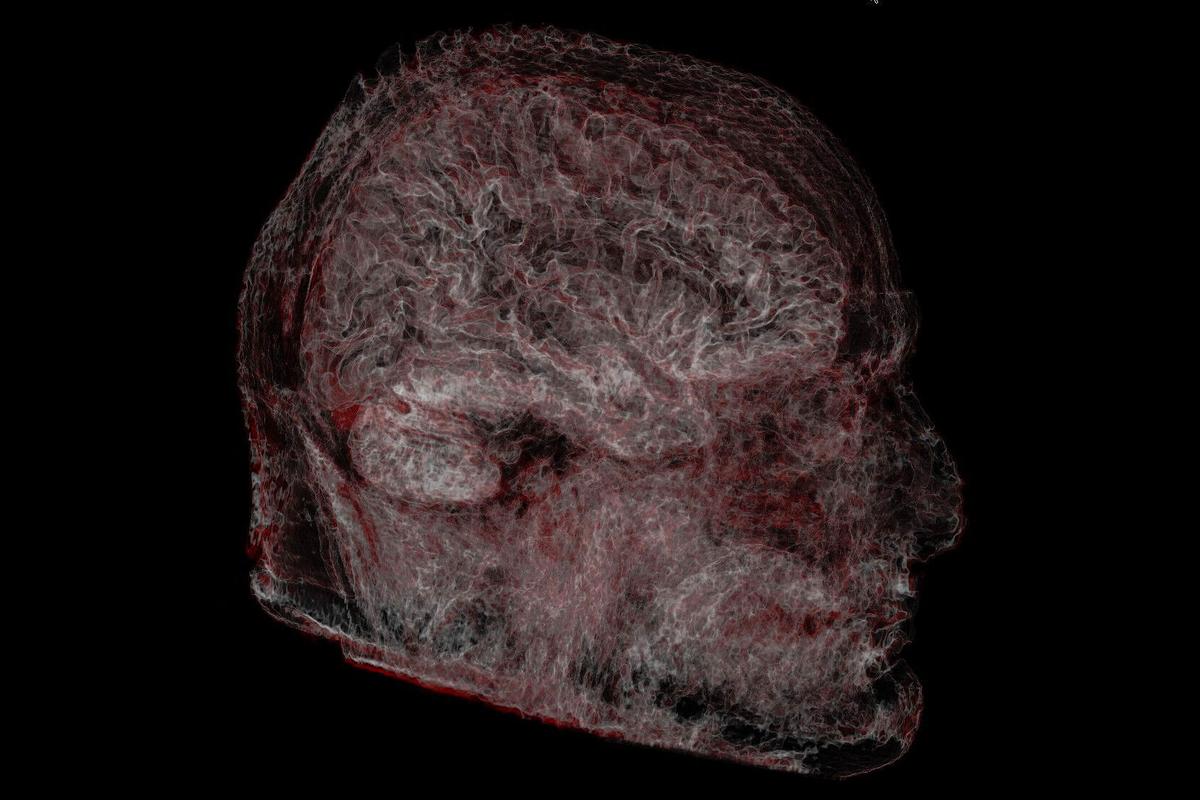
3 weeks agoInside datacenter where day starts with cerebrospinal fluid
Cortical Labs operates biological computers powered by living neurons that require daily maintenance with cerebrospinal fluid and precise atmospheric conditions to function and learn faster than classical computers while consuming less energy.

US news
fromwww.npr.org
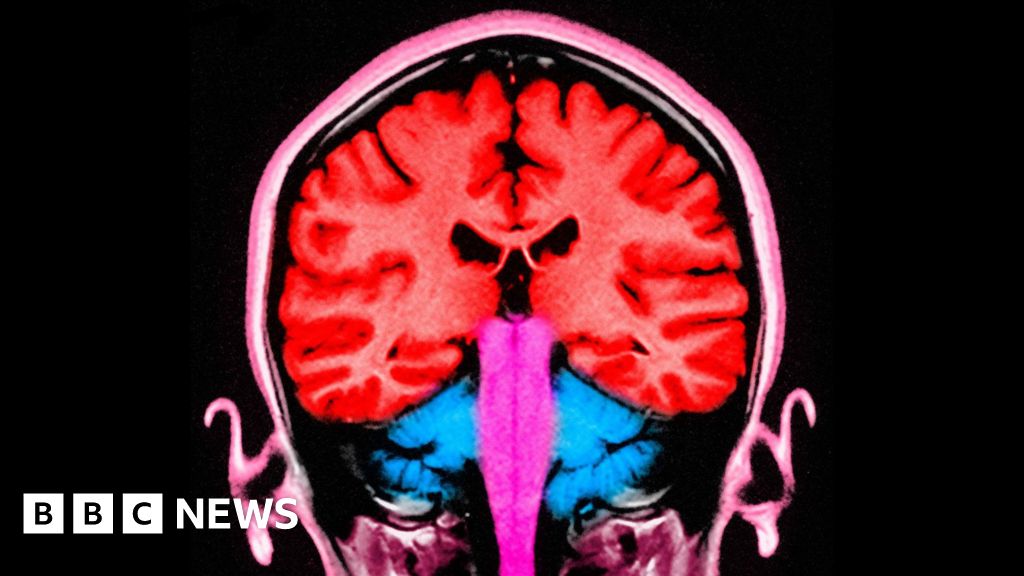
1 month agoScientists make a pocket-sized AI brain with help from monkey neurons
Scientists compressed an AI visual system model from 60 million to 10,000 variables while maintaining performance, revealing how biological brains achieve efficiency and potentially advancing both neuroscience and artificial intelligence.
fromwww.scientificamerican.com
3 weeks agoThe gut microbiome may influence brain aging, mouse study suggests
Young, two-month-old lab mice housed with older, 18-month-old mice showed really impaired cognition. Researchers exposed young mice raised in a sterile, microbe-free environment to gut bacteria from old mice, causing the younger animals to perform worse on cognitive tests, as if they had prematurely aged, just like the cohoused mice.
Medicine
fromFast Company
1 month agoOur brains are wired to ignore information. Here are neuroscience-backed tips for communicating memorably
The human brain is engineered to ignore most of what it sees and hears, according to the neuroscientists I interviewed for the audio original Viral Voices. If that's the case, how are you supposed to make a memorable impression? The empowering news is that if you understand how the brain works, what it discards, and what it pays attention to, you'll be far more persuasive than you've ever imagined. Persuasive people have influence in their personal and professional lives.
Philosophy
Science
fromNature
3 weeks agoScientists revive activity in frozen mouse brains for the first time
German researchers successfully cryopreserved and thawed mouse brains while preserving some neuronal functionality using vitrification, advancing toward potential future applications in brain protection and organ banking.
fromFast Company
17 years agoTalking About Nerve!
I received an email recently that claims Wal-Mart senior management has been calling mandatory meetings for the company's employees in which the employees are told they "cannot" vote for the Obama-Biden ticket "or any other employee-friendly, union-friendly candidates for political office". It's not an urban legend, according to the sources I checked. This makes me so angry I just boil. When it comes to the Constitution, I am a rabid supporter.
fromPsychology Today
1 month agoCould Glial Cells Be the Key to New Schizophrenia Treatments?
Anyone living with schizophrenia understands the true limitations of current treatment options. Antipsychotics remain the single leading treatment for the disorder, and they are riddled with undesirable side effects. Weight gain, tardive dyskinesia, and excessive drowsiness are a few. Much research is devoted to expanding the range of medication options, and few academics have pursued other avenues. However, there is a possibility that treatment for schizophrenia can be approached through cellular methods if long-term research validates early signs of hope.
Mental health

fromwww.nytimes.com
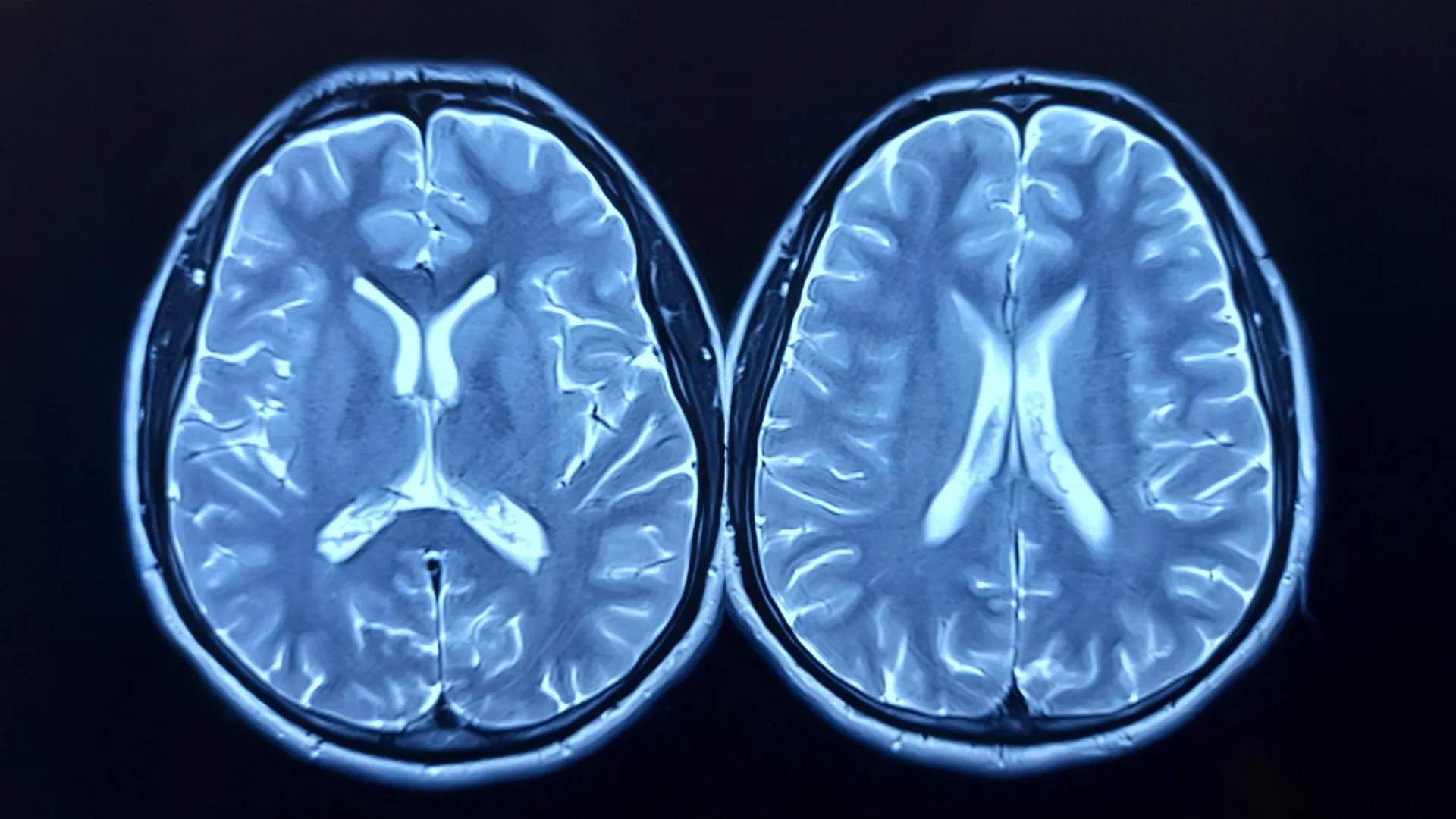
2 months agoBrain Health Challenge: Workouts to Strengthen Your Brain
When I asked neurologists about their top behaviors for brain health, they all stressed the importance of physical activity. Exercise is top, No. 1, when we're thinking about the biggest bang for your buck, said Dr. Gregg Day, a neurologist at the Mayo Clinic. Numerous studies have shown that people who exercise regularly tend to perform better on attention, memory and executive functioning tests. There can be a small cognitive boost immediately after a workout, and the effects are sustained if people exercise consistently.
Health
fromNews Center
1 month agoAs Superagers Age, They Make at Least Twice as Many New Neurons as Their Peers - News Center
We've always said that SuperAgers show that the aging brain can be biologically active, adaptable, flexible, but we didn't know why. This is biological proof that their brains are more plastic, and a real discovery that shows that neurogenesis of young neurons in the hippocampus may be a contributing factor.
Science
Medicine
fromenglish.elpais.com
1 month agoDiscovery of brain network that links body and mind could open the door to better Parkinson's treatments
Altered activity in the somatocognitive action network (SCAN) connects deep brain regions and cortical areas, linking motor, attention, perception, and action-planning deficits in Parkinson's.
fromFast Company
1 month agoHow hesitation is a fundamental brain feature, according to neuroscientists
At the Winter Olympics, skiers, bobsledders, speedskaters, and many other athletes all have to master one critical moment: when to start. That split second is paramount during competition because when everyone is strong and skilled, a moment of hesitation can separate gold from silver. A competitor who hesitates too much will be left behind -but moving too early will get them disqualified.
Science
Science
fromHarvard Gazette
2 months agoWant to speed brain research? It's all in how you look at it. - Harvard Gazette
SmartEM uses machine learning to guide common single-beam scanning electron microscopes in real time, increasing scanning speed sevenfold and democratizing high-resolution connectomics.
fromFuturism
2 months agoScientists Preparing to Simulate Human Brain on Supercomputer
The team, which is being led by Jülich neurophysics professor Markus Diesmann, will leverage the Joint Undertaking Pioneer for Innovative and Transformative Exascale Research (JUPITER) supercomputer for their simulation. JUPITER is currently the fourth most powerful supercomputer in the world according to the TOP500 list, and features thousands of graphical processing units. The team demonstrated last month that a " spiking neural network " could be scaled up and run on JUPITER, effectively matching the cerebral cortex's 20 billion neurons and 100 trillion connections.
Science
fromBig Think
2 months agoComputational model discovers new types of neurons hidden in decade-old dataset
There was a group of neurons that predicted the wrong answer, yet they kept getting stronger as the model learned. So we went back to the original macaque data, and the same signal was there, hiding in plain sight. It wasn't a quirk of the model - the monkeys' brains were doing it too. Even as their performance improved, both the real and simulated brains maintained a reserve of neurons that continued to predict the incorrect answer.
Science
fromFast Company
2 months agoHow to train your brain like your muscles, according to a neurologist
It might come as a surprise to learn that the brain responds to training in much the same way as our muscles, even though most of us never think about it that way. Clear thinking, focus, creativity, and good judgment are built through challenge, when the brain is asked to stretch beyond routine rather than run on autopilot. That slight mental discomfort is often the sign that the brain is actually being trained, a lot like that good workout burn in your muscles.
Science
[ Load more ]