#new-build-housing
#new-build-housing
[ follow ]
#homeownership
NYC real estate
fromwww.businessinsider.com
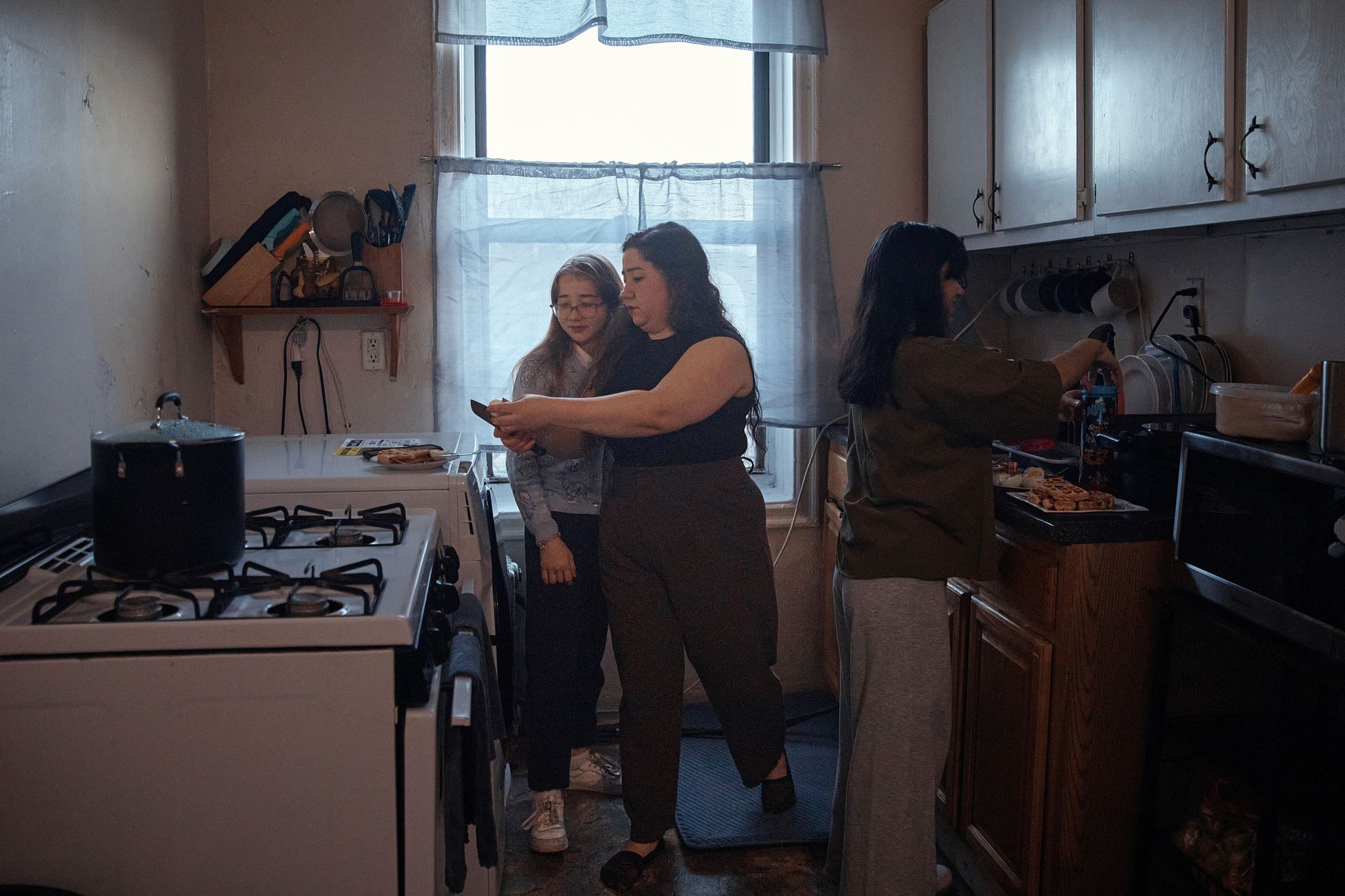
22 hours agoWe bought a house that's too small so we could afford our dream neighborhood. A $300,000 third-party loan will help us renovate.
The Feinbergs purchased a small home in Wayne, Pennsylvania, and planned to expand it using RenoFi financing based on future value.


#reproductive-rights
NYC politics
fromwww.independent.co.uk
23 hours agoZohran Mamdani wants to crack down on New York's bad landlords'. He has to find them
The Independent provides critical journalism on pressing issues, ensuring accessibility without paywalls, and supports community engagement through initiatives like rental hearings.


fromwww.housingwire.com
1 day agoMortgage lenders ramp up homebuilder divisions
Ginsburg stated that treating builder business as a core pillar rather than a side channel reflects a broader industry shift. He believes a healthy balance of builders should be around 15% to 20% of the overall retail book of business.
Real estate
#affordable-housing


East Bay real estate
fromFortune
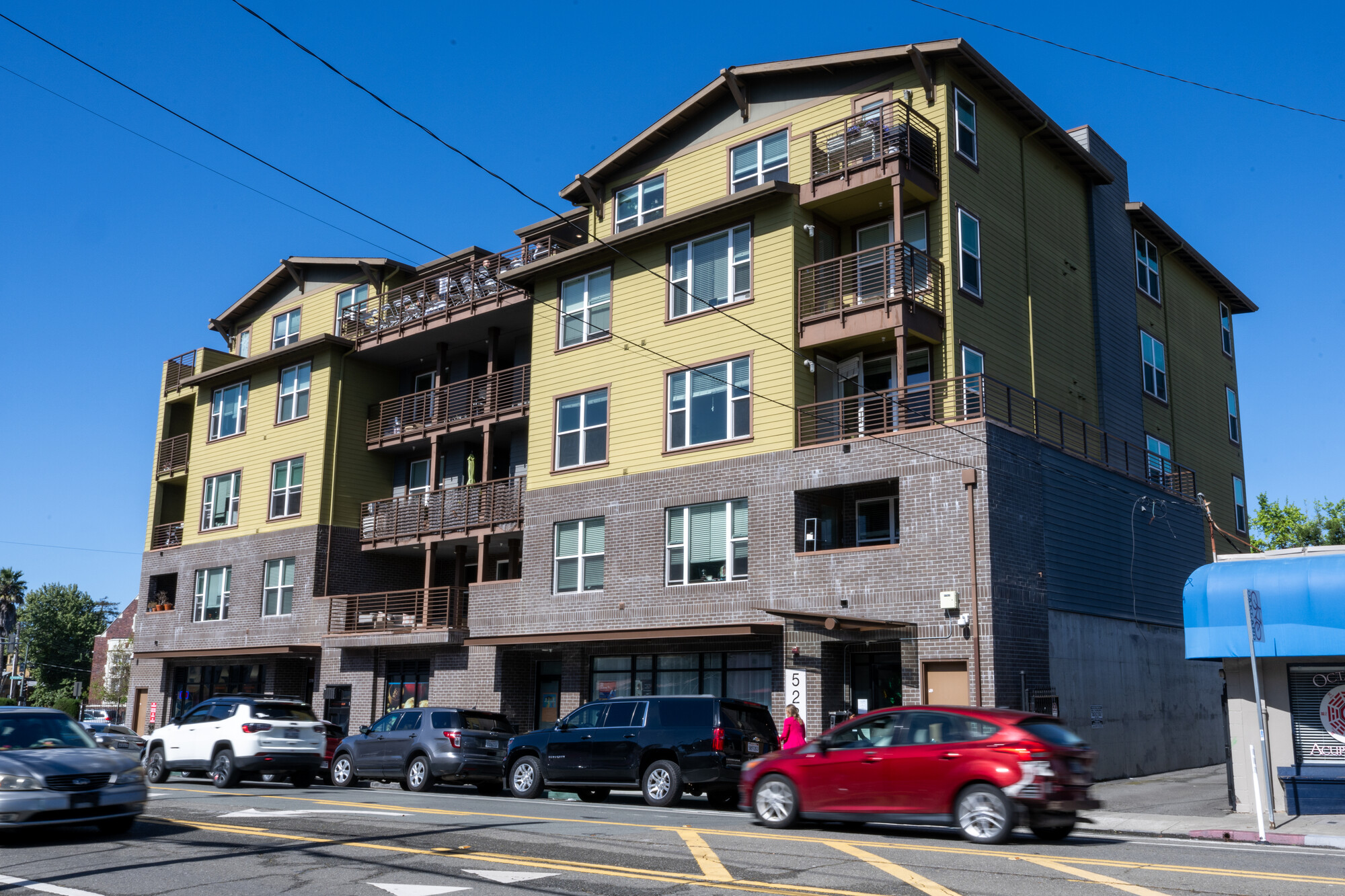
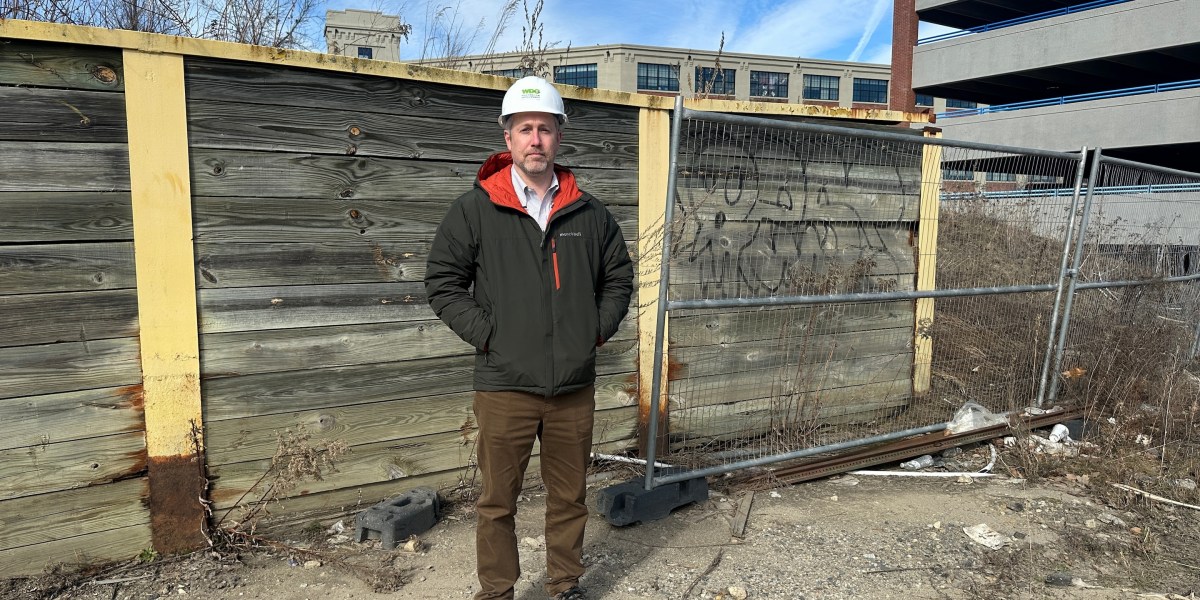
1 week agoAffordable housing is stuck in limbo thanks to a 'Made in USA' law that nobody can figure out how to follow | Fortune
The Build America, Buy America law is causing delays and increased costs in affordable housing projects due to strict compliance requirements.


fromFast Company
2 weeks agoIf you want housing abundance, let the market work
Good urbanism should transcend politics. Socialists and capitalists can walk the same neighborhood and agree it's a pleasant place to live. They can each appreciate the tree canopy, the corner café with people spilling onto the sidewalk, the mix of ages on bikes and on foot, the architectural details of older buildings, and so on.
Philosophy
fromwww.bbc.com
1 week ago'Wildy unaffordable': The harsh reality of shared ownership
Riccardo and Simone Bertagna bought a 25% stake in a property valued at 440,000 through a housing association, feeling proud and accomplished. However, they later faced significant issues, including rising service charges and maintenance problems, which left them feeling trapped in an unsellable home.
London politics

Boston real estate
fromRedfin | Real Estate Tips for Home Buying, Selling & More
1 week agoHow Much Does it Cost to Build a House in 2026?
Building a house involves various costs beyond construction, including land, site preparation, utilities, and permits, which can significantly increase total expenses.
Renovation
fromYanko Design - Modern Industrial Design News
3 days agoThis Tiny House Has 30 Feet of Glass and Feels Nothing Like a Tiny House - Yanko Design
The Shoreline Glass House redefines tiny living with spacious, light-filled design and single-floor layout, offering a unique blend of comfort and openness.




fromInsideHook
1 month agoCould Recycled Plastic Lead to More Housing?
When you think about building a house, what materials come to mind? Brick, wood and metal all come to mind; there are also some very distinctive glass houses out there. (Even if their occupants should refrain from throwing stones - though honestly, that's a good tip for indoor living in general.) A group of MIT researchers have come up with a very different way of making buildings, and it's one that also addresses an ongoing waste issue."We've estimated that the world needs about 1 billion new homes by 2050. If we try to make that many homes using wood, we would need to clear-cut the equivalent of the Amazon rainforest three times over," explained AJ Perez, who conducts his research in the MIT Office of Innovation. The title of a paper written by Perez and his colleagues - "Design, Manufacture and Testing of Structural Trusses Using Additively Manufactured Polymer Composites" - gives a sense of the solution that they have in mind.
Environment
[ Load more ]