#norfolk-archaeology
#norfolk-archaeology
[ follow ]




Arts
fromThe Art Newspaper - International art news and events
2 days agoShould English museums charge tourists? Plus, Raphael at the Met and Senga Nengudi at the Whitechapel Gallery-podcast
The UK government is considering charging tourists for entry to national museums, challenging the current policy of free admission.
London politics
fromwww.theguardian.com
2 weeks agoStonehenge tunnel plan officially scrapped after years of protests
The UK Department for Transport has officially cancelled a controversial tunnel project under Stonehenge after spending £179.2 million on planning, citing exceptional circumstances and revoking the development consent order.

fromArtnet News
3 weeks agoStrange Coin Used on U.K. Bus Turns Out to Be 2,000-Year-Old Relic
An enigmatic coin that someone used to board a British bus seven decades ago is now entering the collection of the Leeds Discovery Centre, following the revelation that it's a bit of 2,000 year old currency from the former Carthaginian trading settlement of Gadir, in modern-day Cádiz, Spain-one of Europe's longest-inhabited cities, settled by Phoenicians around 1,100 B.C.E.
Arts


US politics
fromwww.independent.co.uk
2 months agoInside the hunt for British Museum's missing treasures
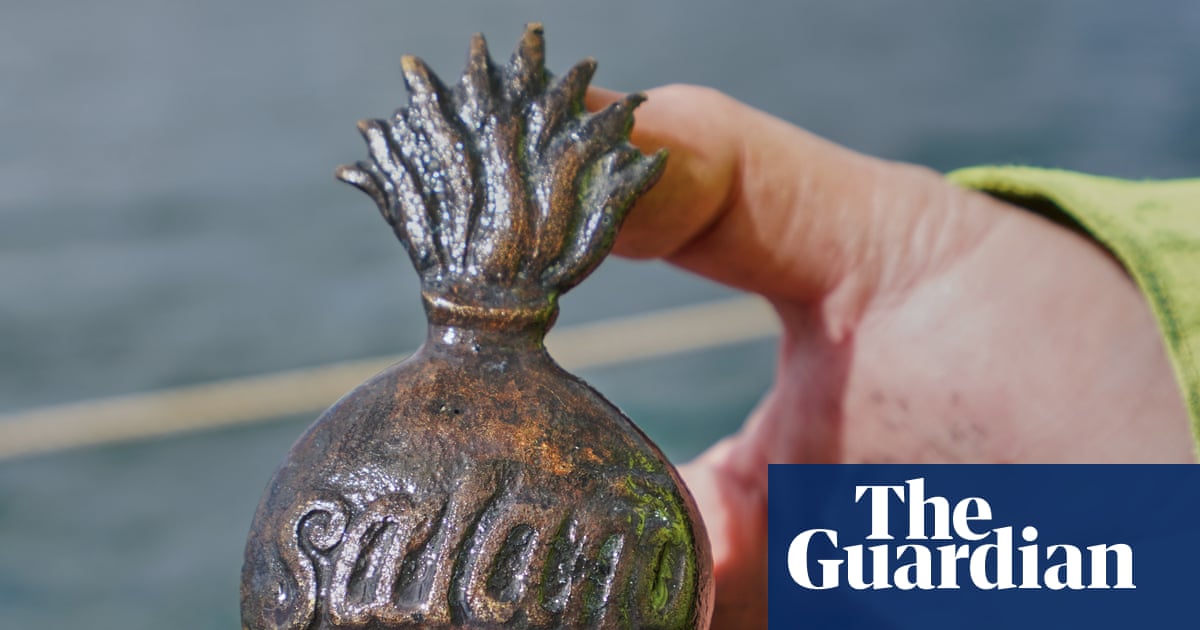
The Independent funds on-the-ground, paywall-free investigative reporting while a six-person British Museum team celebrates breakthroughs in tracing missing Greek and Roman treasures with a golden bell.
History
fromianVisits
3 weeks agoLooted from a royal palace: The medieval jug now on display in London
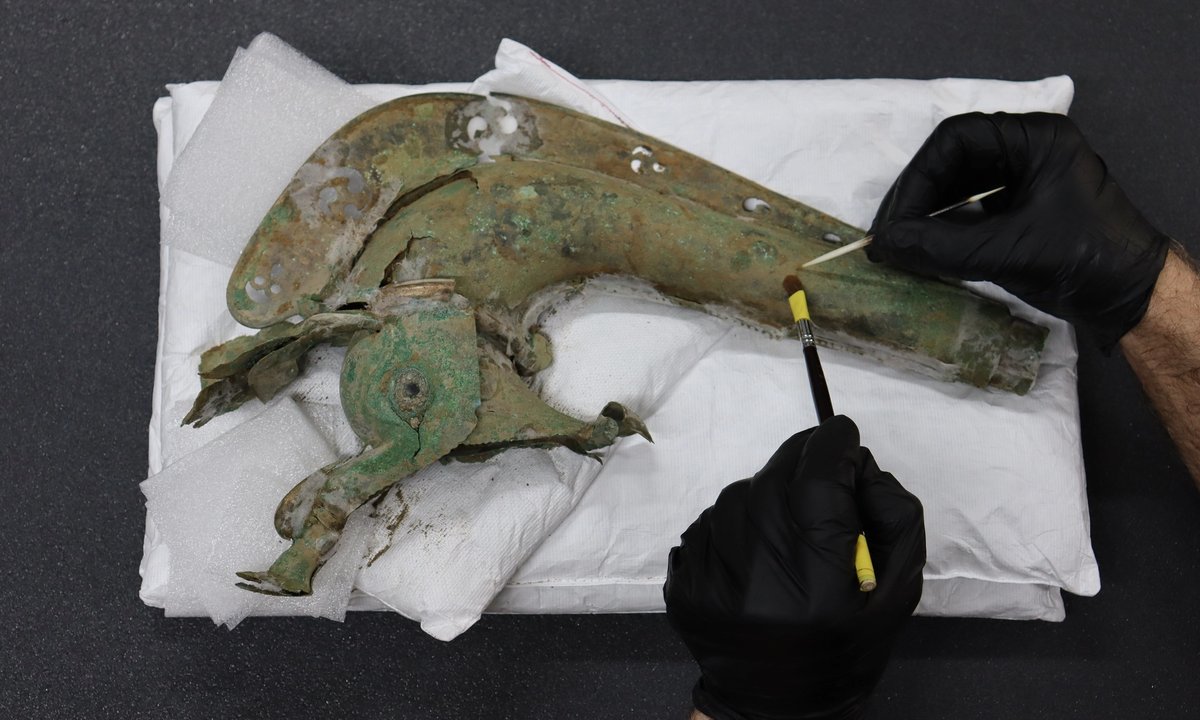
A medieval English bronze jug looted from Ghana's Asante kingdom reveals how European luxury goods became valued ceremonial objects through trans-continental trade networks before colonial appropriation.
History
fromMedievalists.net
1 month agoNew Medieval Books: Castles and Strongholds of Northumberland - Medievalists.net
Northumberland contains more castles, towers, peles, bastles and barmkins than any other British county, serving as private residences and fortifications for nobility and landowners.
fromMedievalists.net
1 month agoViking-Age Woman Buried with Her Dog in Norway - Medievalists.net
Excavations carried out in 2025 by the Arctic University Museum of Norway revealed that the artefacts came from a boat burial. The grave contained the skeleton of a woman placed inside a boat measuring about 5.5 metres in length. She had been buried together with a dog, suggesting the animal may have been an important companion in life.
History
fromwww.bbc.com
2 months agoTreasures found on HS2 route stored in secret warehouse
Treasures unearthed by hundreds of archaeologists so far during work on the controversial planned HS2 train line have been shown exclusively to the BBC. The 450,000 objects, which are being held in a secret warehouse, include a possible Roman gladiator's tag, a hand axe that may be more than 40,000 years old and 19th Century gold dentures. It is an "unprecedented" amount and array of items, which will yield new insights into Britain's past, says the Centre for British Archaeology.
London
fromWorld History Encyclopedia
1 month agoCnut: The North Sea King
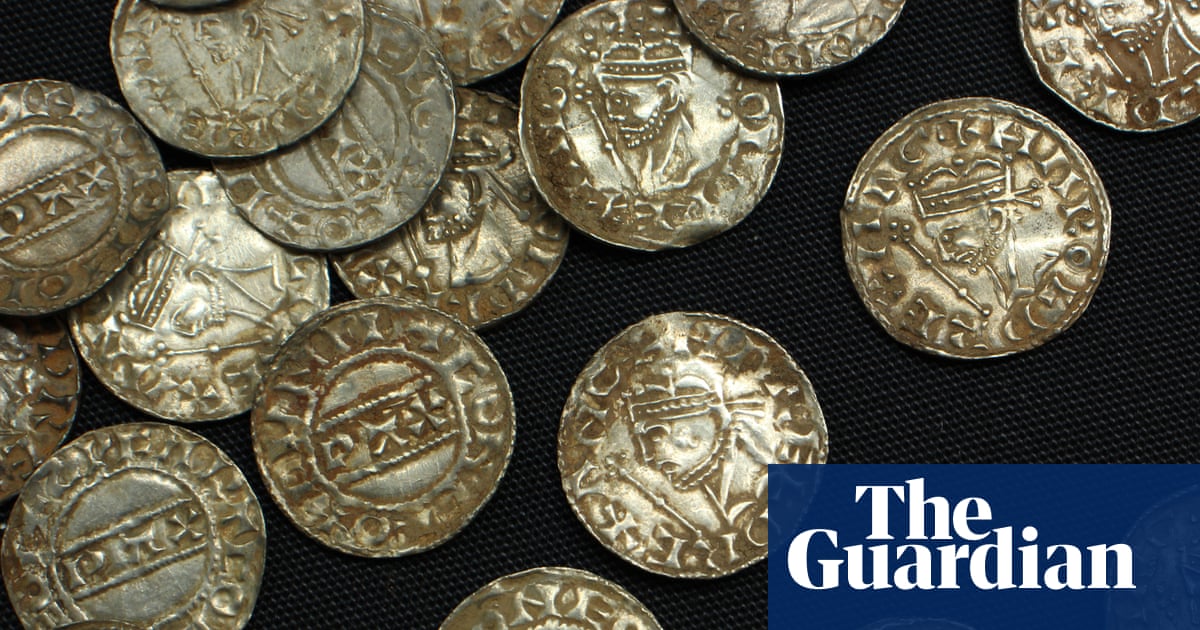
"Cnut: The North Sea King" by Ryan Lavelle is a short and engaging biography of the most ambitious and successful Scandinavian leader of the Viking Age. Lavelle captures both the brutality and pragmatism that allowed Cnut to govern England effectively for almost two decades, despite being an outsider and a foreign conqueror. In 1066 and All That (1930), a parody book of English history,
History
fromMedievalists.net
2 months agoMedieval gold ring discovered in Norway - Medievalists.net
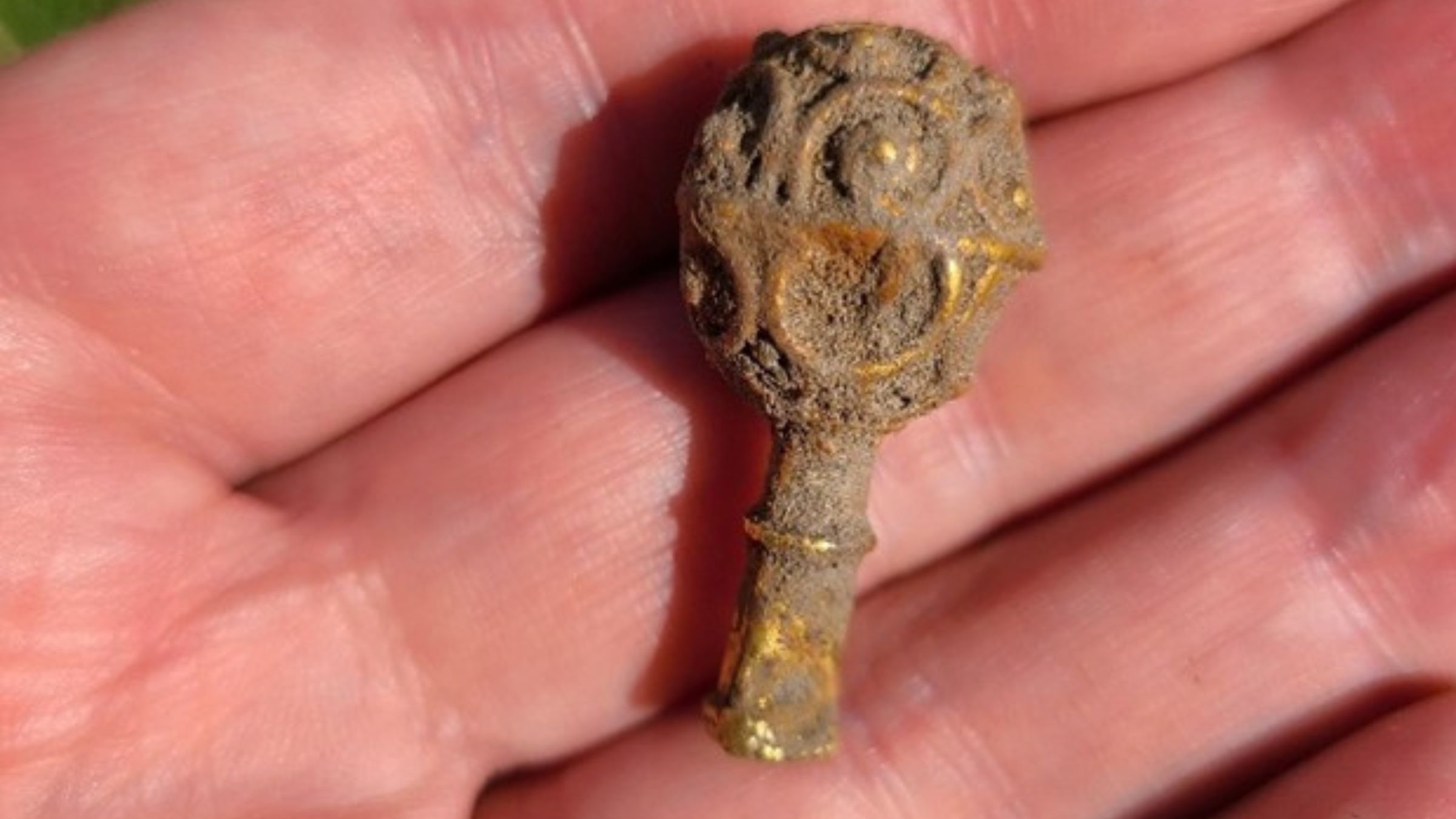
A gold ring with a deep-blue, oval setting - decorated with fine spirals of filigree and tiny granulated beads - has been recovered from medieval deposits in Tønsberg, a historic town in southeastern Norway. The ring was found during an excavation in the modern town centre, where archaeologists have been investigating layers of urban life preserved beneath today's streets. The discovery was made within the protected archaeological area known as Tønsberg Medieval Town.
History
fromwww.thehistoryblog.com
1 month agoRare Mithraic altars found in Scotland go on display for the first time
Two exceptionally rare and beautifully carved Mithraic altars found in Inveresk, East Lothian, Scotland, are going on display for the first time. They are not just the only Roman altars ever found in Scotland, but are among the finest examples of Roman sculpture in Roman Britain. They are also uniquely early in date, having been made in 140s A.D. during Antoninus Pius' reoccupation of southern Scotland, whereas most other archaeological materials related to the worship of Mithras in Britannia date to the 3rd century.
[ Load more ]