#normandy-gastronomy
#normandy-gastronomy
[ follow ]
#restaurants #fine-dining #james-beard-awards #new-york-city #french-cuisine #seafood #cooking #cooking-tips #paris
fromTravel + Leisure
9 hours agoWe Asked 8 Food and Beverage Experts for the Best Thing to Eat on a Cruise-and They All Picked the Same Kind of Food
Marisa Christensen, Holland America's associate vice president of food and beverage operations, directs guests to the line's Dive-In burger. 'It's made fresh to order, incredibly satisfying, and so easy to enjoy right after embarkation when you're settling in.'
Silicon Valley food


fromwww.theguardian.com
14 hours agoRoute des Vacances: a gastronomic driving holiday from Paris to the Mediterranean
In summer 1936, the French government passed a law that mandated paid holiday, a move that kickstarted the exodus of northerners to the Med every August, and it became a true emblem of the French vacances.
Paris food

fromTasting Table
5 days agoGive Deviled Eggs A Cajun Twist With Andouille Sausage - Tasting Table
[To make] Cajun-style deviled eggs, which actually sounds like a great idea, I would mix Creole mustard, Cajun spice, and crispy andouille into the egg yolk mix and garnish a piece of crispy andouille on top with charred corn kernels or crispy fried onions as well.
Cooking
fromTravel + Leisure
3 weeks agoIn Newfoundland, chefs, foragers, and entrepreneurs are nurturing the Canadian province's culinary roots-and planting new seeds while they're at it.
Life in Newfoundland is tied to the sea. For nearly 500 years, people here pulled a seemingly endless supply of Atlantic cod from the waters of the Grand Banks, then one of the world's richest fishing grounds. But by the early 1990s, industrial bottom trawlers had decimated cod stocks, and in 1992, the Canadian government instituted a moratorium on cod fishing, devastating the industry and ending a long-standing way of life.
Canada news
fromFrenchly
1 month agoThe Best Things to Do in SaintMalo - Frenchly
No introduction to Saint-Malo is complete without a stroll along the ramparts. These granite walls, rebuilt and reinforced over centuries, encircle the intra muros, the historic heart of the city by the port. The nearly two-kilometer circuit offers sweeping views of the Atlantic, the Fort National, and the distant Grand Bé. Walking the ramparts is like pacing the city's memory: narrow streets below hide cafés, boutique shops, and layers of architectural history.
Miscellaneous
fromTasting Table
3 weeks agoThe Most Underrated French Mother Sauce Adds Incredible Flavor To Your Dishes - Tasting Table
Of the five mother sauces, velouté is extremely under-appreciated and not talked about enough. It's what we as Americans call gravy, which we know has so many various uses. Velouté, which means velvety in French, is made with a light roux (or a mixture of flour and fat, like butter), stock or broth, and some seasoning like salt and pepper, and a bay leaf.
Cooking
fromPARIS BY MOUTH | WE'RE DELICIOUS
2 weeks agoBest Restaurants Near the Louvre | PARIS BY MOUTH
The streets around the Louvre have improved considerably as a dining destination. It's still true that the neighborhood rewards those who know where to look - the blocks immediately adjacent to the museum are thick with tourist traps - but a short walk in almost any direction opens up genuinely good options.
Paris food


fromparisbymouth.com
3 months agoCanard Sauvage
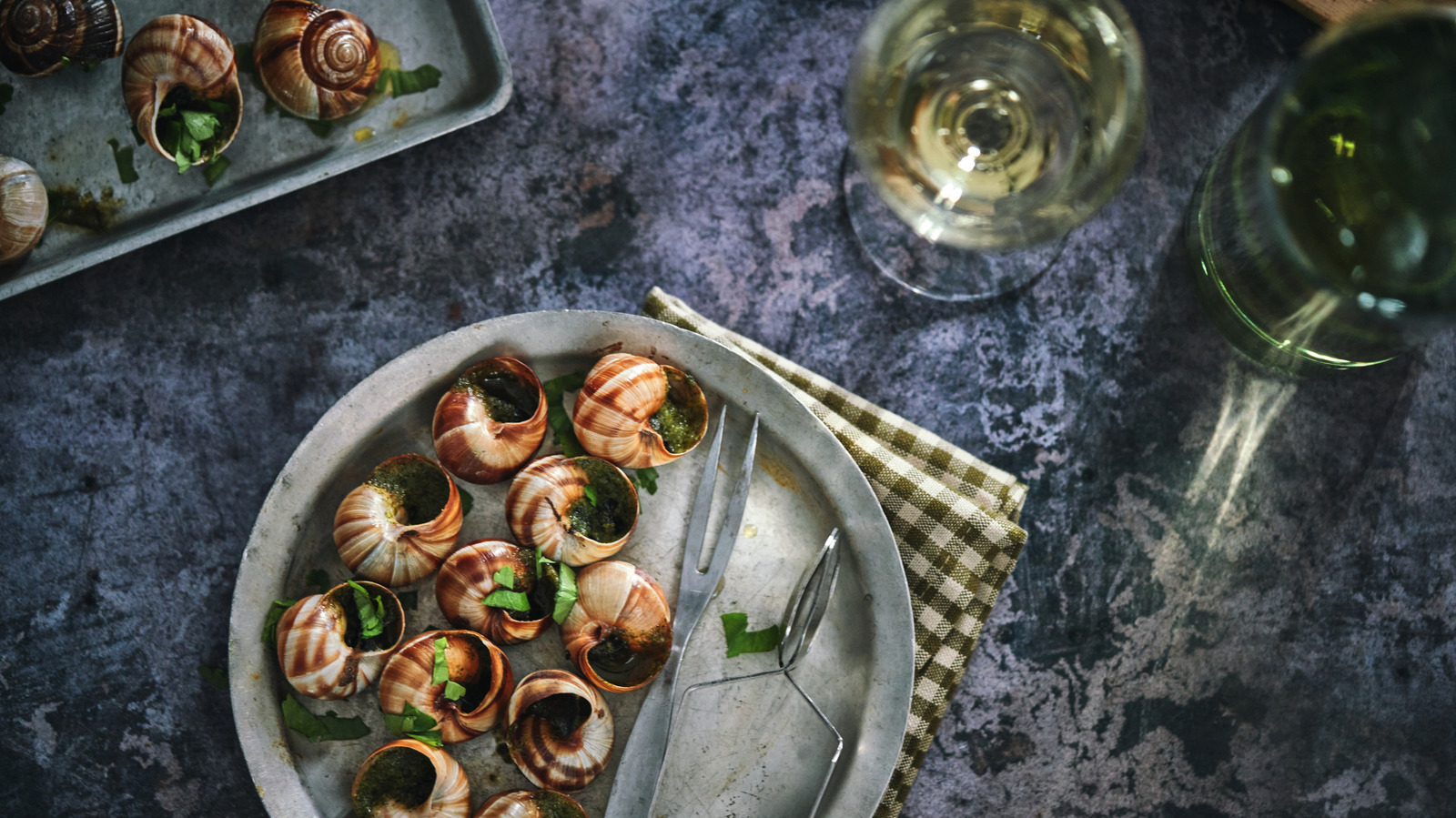
The cooking is unpretentious and generous—big flavors, careful balance, no tweezers—at prices that feel increasingly rare in Paris. Standout dishes include a pheasant tourte with Morteau sausage and girolles, roasted beets with smoked eel and horseradish cream, and wild duck with a Porto jus and roasted parsnips.
Paris food
Food & drink
fromTasting Table
2 months agoThe French Region Rick Steves Took An 'Unapologetically Hedonistic' Trip To - Tasting Table
Burgundy gourmet barge cruises showcase regional French cuisine, featuring dishes like coq au vin, œufs en meurette, boeuf Bourguignon, local cheeses, and Burgundy wines.
fromCN Traveller
2 months agoThe precision theatre of Parisian dining has entered an era of warm nostalgia
Past a sign for a family waterpark, a door opens onto an homage to fin-de-siècle Paris. Chandeliers are reflected in gilt-edged mirrors; there is a chorus line of lobsters and yards of fromage. Every so often, a waiter in a dinner suit flambées a crepe Suzette with a shock of flames, like a big top fire-eater. This is fine dining as buffet.
Food & drink
[ Load more ]