Right-wing politics
fromIntelligencer
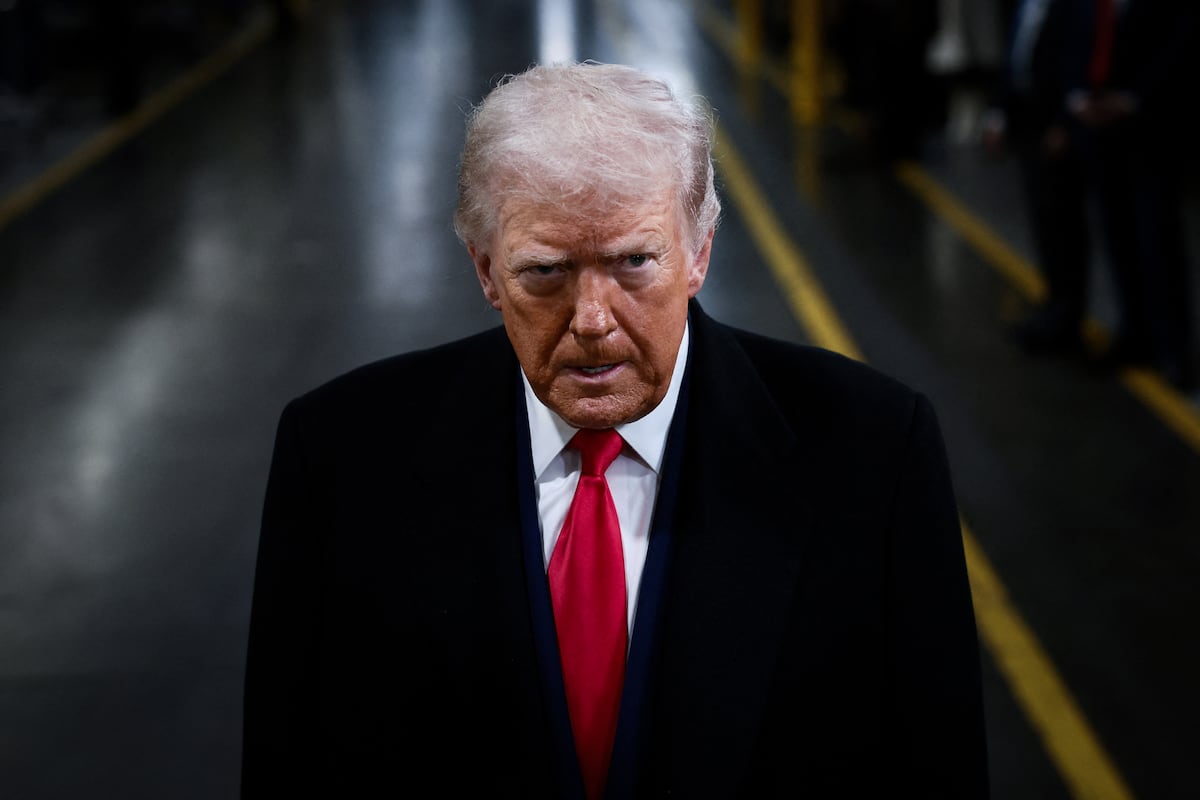
21 hours agoVoters Who Dislike Both Parties Are Turning Against Trump
Republicans may struggle in the 2026 midterms due to strong Democratic leanings among voters who dislike both major parties.
From the moment Donald Trump was sworn into office for his second term, he made clear that a major priority of his administration would be pursuing vindictive actions against his perceived enemies. One of the earliest targets of this agenda of retribution: law firms. In his first months in office, Trump signed executive orders that targeted firms that supported DEI, represented the Democratic Party, advocated for liberal causes, or employed prosecutors who had worked on former special counsel Robert Mueller's investigation into Trump's 2016 campaign.
It turns out: not that many world leaders or global citizens. That's because the Board of Peace, created last year by a UN security council resolution, and intended to have a singular focus on implementing a Gaza peace plan, is increasingly looking like a Donald Trump fiefdom, which could allow the US president to wade into other countries' affairs as he sees fit.
Collating data from the World Bank and other sources in innovative ways, he argues that globalization in the late twentieth and early twenty-first century was accompanied by then-unprecedented growth of income in both previously poor populations (notably in China) and people at the top of the world's income distribution (especially those in the West). By contrast, relative shares of world income stagnated or were thought to have declined for wealthy nations' middle and working classes, including in the United States.
The truth is that as a country we have often found one reason or another to let the powerful escape the consequences of their actions. Consider Jefferson Davis, the first and only president of the Confederate States of America, commander in chief of a rebellion that killed hundreds of thousands of people. Davis spent two years in federal custody after the end of the war. The indictment against him was dismissed following his release, and he spent the rest of his life a free man.
Earlier this week, Gary Kendrick, a GOP council member in the red town of El Cajon, on San Diego's eastern outskirts, announced that he was crossing the aisle and joining the Democrats. Kendrick was the longest-serving Republican official in the region's local government. "I've been a Republican for 50 years," he said, in the statement explaining his action. "I just can't stand what the Republican Party has become. I'm formally renouncing the Republican Party."
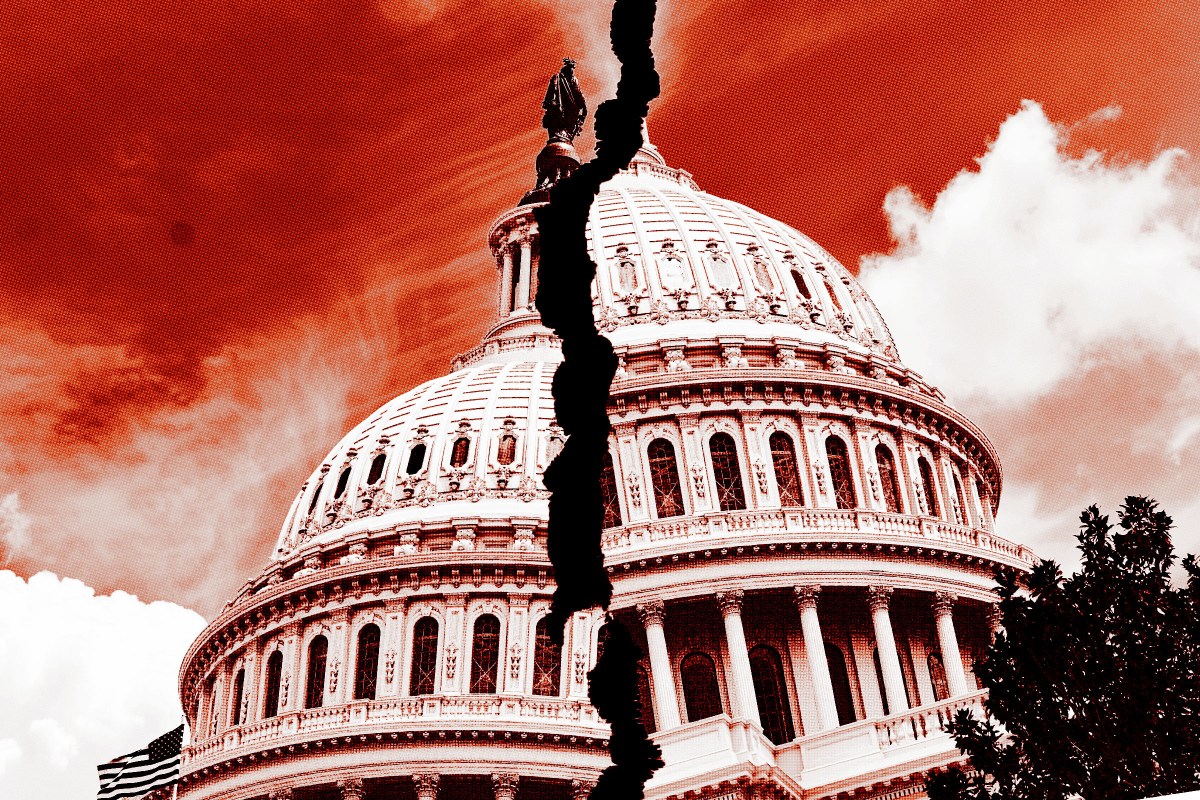
We are in the middle of at least four unravelings: The unraveling of the postwar international order. The unraveling of domestic tranquility wherever Immigration and Customs Enforcement agents bring down their jackboots. The further unraveling of the democratic order, with attacks on Federal Reserve independence and excuse the pun trumped-up prosecutions of political opponents. Finally, the unraveling of President Donald Trump's mind.
Lawmakers described routine death threats, armed protesters in galleries, and explicit fears for spouses and children. Several said the June 2025 assassination of former Minnesota House Speaker Melissa Hortman and her husband fundamentally changed how they assess the risks of staying in office. Case in point: Connecticut State Rep. Corey Paris, 34, reported death threats and calls for violence against him and his family last year after he posted on social media encouraging people to share information on ICE activity.
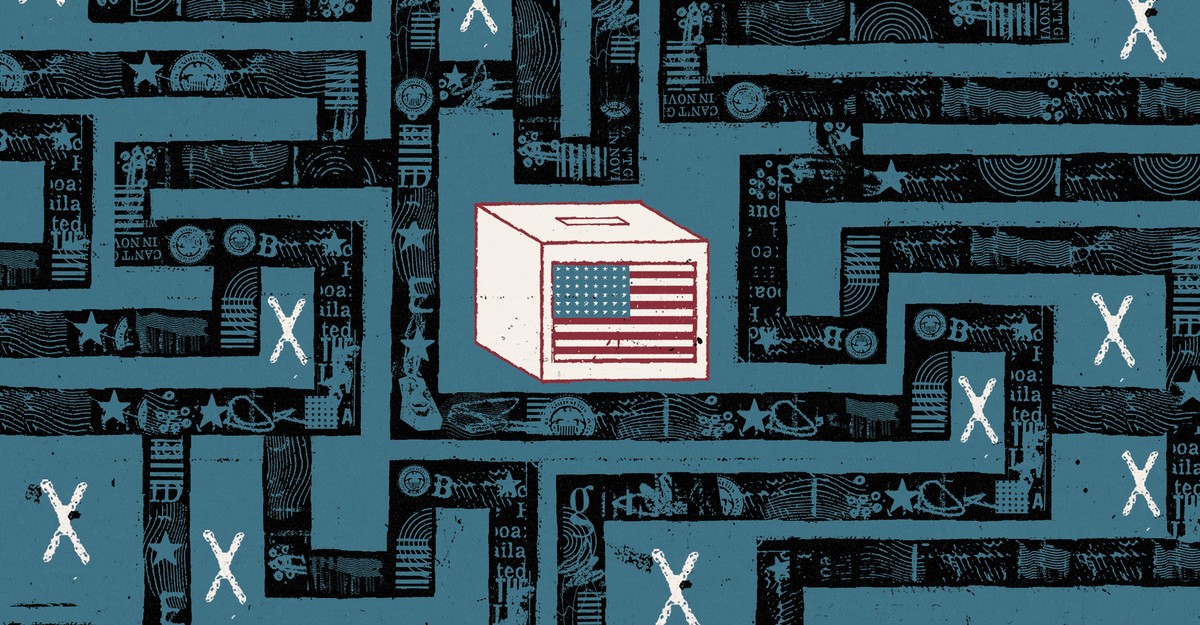
Donald Trump has called on the GOP to nationalize elections, which are currently run by states, as mandated in the Constitution. Many are alarmed by the president's words, considering his continued quest to consolidate power and his inability to accept the results of free and fair elections. In short, his desire to nationalize seems like a blatant effort to control their outcomes.
President Trump's firing of IGs and removal of acting IGs, and then the subsequent appointment of some very political folks as IGs ... does raise the specter of a politicized inspector general community," one of those fired watchdogs, Mark Lee Greenblatt, told Nextgov/FCW.