#redesign--materials
#redesign--materials
[ follow ]
#sustainability #architecture #design #interior-design #home-design #innovation #sustainable-architecture
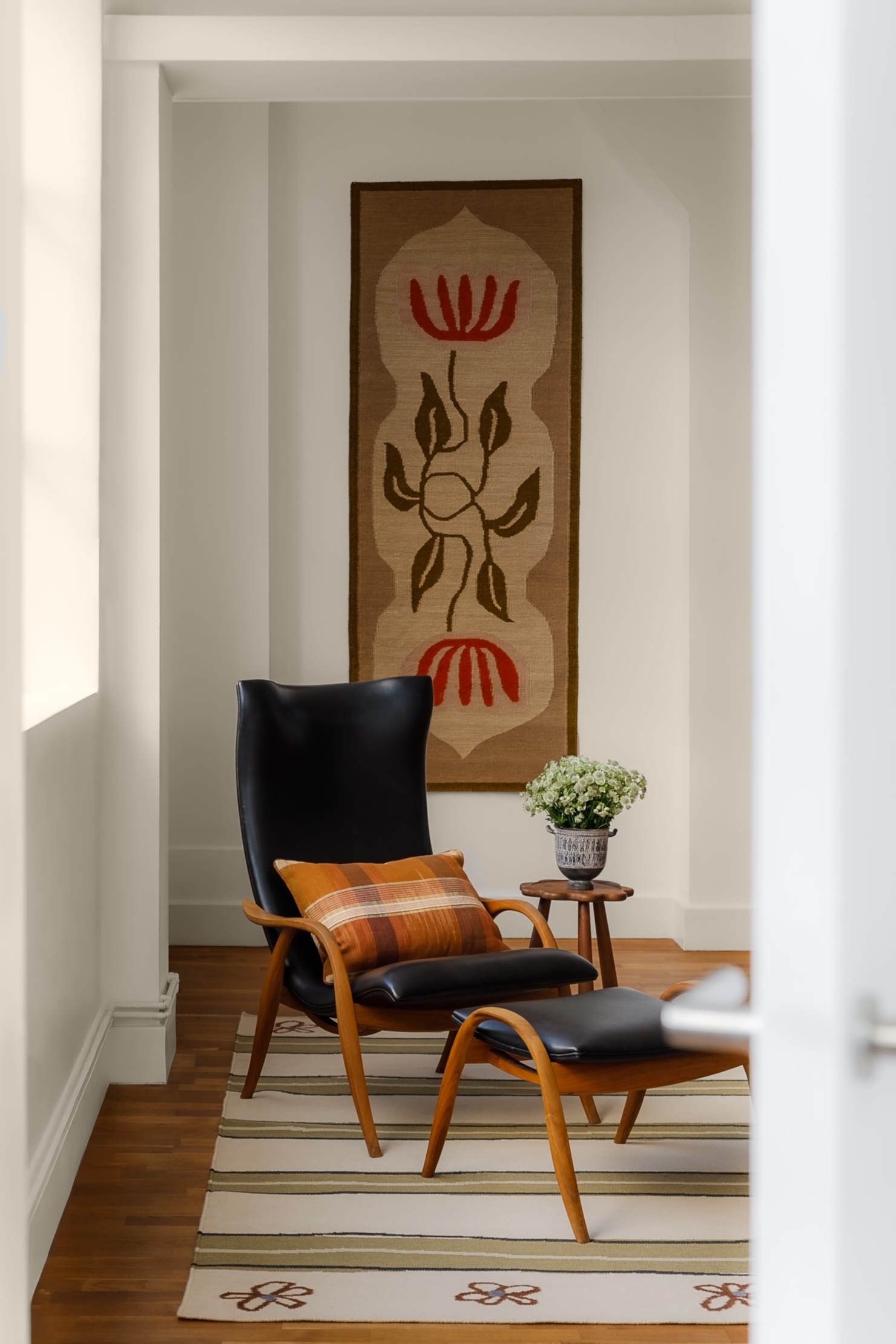

fromwww.businessinsider.com
4 hours agoA family of 4 lives in a 560-square-foot tiny home. Here's what they love about its design and what they'd change.
The Matranga family built a 560-square-foot tiny house for their family of four in 2022, experiencing both love and regret about its design after four years of living there.
Remodel
fromwww.theguardian.com
8 hours agoHow Paris swapped cars for bikes and transformed its streets
Corentin Roudaut, who once felt overwhelmed by Paris's traffic, found renewed confidence in cycling after the establishment of a segregated bike lane on Boulevard Voltaire. He now actively participates in promoting cycling in the city, witnessing a remarkable transformation in urban mobility and safety over the last decade.
Paris food

Alternative transportation
fromSustainable Bus
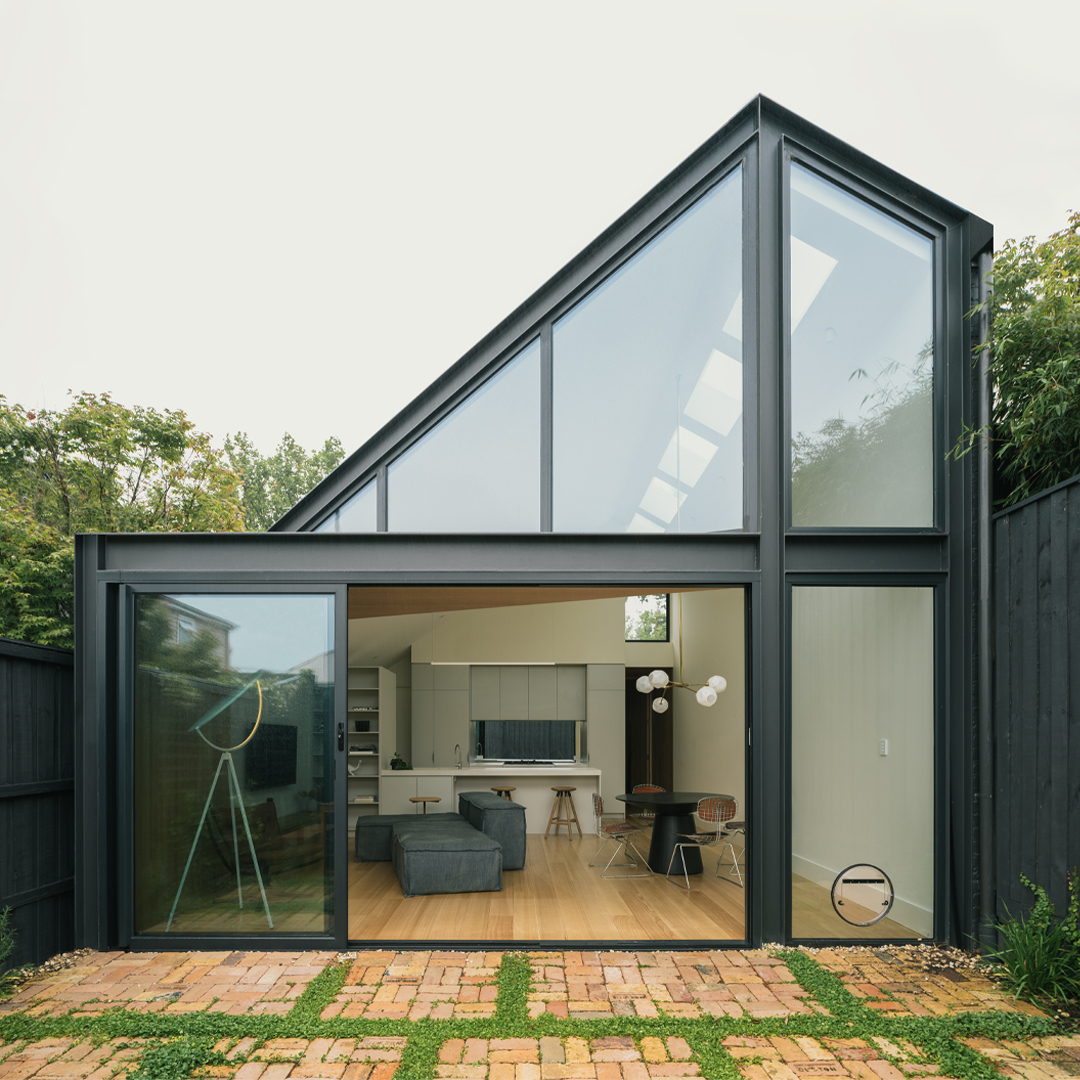
4 days agoNew certified Ultrafabrics collections target durability and compliance in passenger transport interiors - Sustainable Bus
Ultrafabrics launches new certified collections for passenger transport, combining durability, aesthetics, and sustainability in high-performance upholstery fabrics.
Fashion & style
fromdesignboom | architecture & design magazine
2 days agocollagen from dinosaur shapes the designer handbag made with lab-grown leather
Enfin Levé introduces a handbag made from lab-grown T-Rex leather, utilizing collagen from fossilized dinosaur bones, showcased at Art Zoo Museum in Amsterdam.
fromArchitectural Digest
2 weeks agoHome Design for a Longer Life: Can a House Really Promote Longevity?
When you design your home with intentionality, you are essentially 'hard-coding' healthy behaviors into your daily rhythm. Health outcomes are the result of thousands of micro-decisions—so in his own home, he prioritized spaces like the kitchen, whose open layout makes cooking a pleasure, and the gym, centrally located.
Wellness
#furniture-design



fromArchDaily
2 days agoColdefy Leads Winning Masterplan to Transform Budapest Brownfield into Rewilded Urban District
The regeneration plan includes over 10,000 apartments, new transportation links, and commercial and civic spaces, forming a comprehensive urban redevelopment strategy aligned with 15-minute city principles.
Renovation
fromArchitectural Digest
2 days agoI'm Done Sourcing So Much Online. Here's Why
The convenience of sourcing online is fraught with more pitfalls than most of us want to admit. Try finding adequate photos of a vintage piece's condition-close-ups of the fabric, video of damaged areas, any images of a piece's rear or underside!
UX design

fromArchDaily
4 days agoThe Illusion of Lightness: Designing Civic Voids for Public Life
The original intent of pilotis was to create a sense of lightness that would allow circulation and light to flow beneath a structure, but contemporary requirements render thin columns insufficient for large-scale civic projects.
Renovation
fromArchDaily
3 weeks agoHow Architecture Is Learning to Generate Its Own Energy
Photovoltaic (PV) solar energy represents a modular technology that can be manufactured in large-scale facilities, generating economies of scale, while also being adaptable to small-scale applications. From residential rooftop systems to large-scale power generation installations, photovoltaic solar energy has established itself as a cost-effective option for electricity production in many countries around the world.
Environment
Design
fromYanko Design - Modern Industrial Design News
4 days agoBiomimetic Architecture Reaches New Heights With This Bird-of-Paradise Yoga Space - Yanko Design
Thilina Liyanage's architecture translates animal gestures into functional designs, exemplified by the Rifle Bird Yogashala inspired by the Victoria's riflebird's courtship display.
#sustainable-architecture
Design
fromdesignboom | architecture & design magazine
3 days agoreversible cultural pavilion activates public space in frankfurt 2026
Spain's pavilion for World Design Capital 2026 emphasizes reversible cultural infrastructure and sustainable design through innovative materials and construction methods.
Design
fromYanko Design - Modern Industrial Design News
1 week agoThis Finnish Professor Built His Family Home From Old Tires and Fishing Nets - Yanko Design
Matti Kuittinen's Tiny House Shadow exemplifies sustainable living, utilizing recycled materials and significantly reducing resource consumption and carbon footprint.
Design
fromYanko Design - Modern Industrial Design News
2 weeks agoA Net-Zero Research Building That Actually Respects Its Landscape - Yanko Design
University of Toronto's Koffler Scientific Reserve exemplifies intentional design where every architectural element serves both functional and aesthetic purposes, from solar-optimized shed roofs to climate-responsive shading.
fromArchDaily
1 week agoDesigning for Obsolescence in an Age of Perpetual Upgrades
In the nineteenth century, entire railway networks became obsolete almost overnight, not due to physical deterioration, but because of changes in the technical standards that supported them. The expansion of railroads across Europe and North America adopted different track gauges, and as a dominant standard gradually emerged, these infrastructures became incompatible with one another.
Renovation
Design
fromArchDaily
2 weeks agoRethinking Architecture at the Scale of Planetary Systems
Contemporary architecture operates within interconnected technological systems—energy networks, data infrastructures, and global logistics—that fundamentally shape what can be built, its affordability, performance, and waste production.
fromArchDaily
2 months agoCircular Composites: Designing for a Sustainable Future
One of the earliest large-scale examples of composite materials can be found in the Great Wall of China, where stone, clay bricks, and organic fibers such as reeds and willow branches were blended to create a resilient and lasting structure. These early techniques reveal a timeless intuition: distinct materials, when combined thoughtfully, produce properties unattainable by any single element.
Environment
Design
fromArchDaily
3 weeks agoFacing the Age of Robots? Material Innovation in Architectural Structures
Robotic technology in construction extends beyond automation and cost reduction to fundamentally reshape architectural design, material experimentation, and construction methodologies through collaborative human-robot workflows.
Design
fromwww.archdaily.com
2 months agoFrom Material Intelligence to Circularity: Lessons from Architecture in 2025
Architects prioritize material innovation in 2025—agricultural waste, recycled plastics, and living materials—balancing tradition, circularity, and material intelligence for resilient, low-carbon construction.
Design
fromYanko Design - Modern Industrial Design News
1 month ago5 Biomimicry-based Architectural Designs That Copy Nature's Best Ideas - Yanko Design
Design in the Amazon embraces layered, adaptive systems prioritizing resilient materials, natural ventilation, and environmental harmony to create comfortable, low-impact interiors and products.
[ Load more ]