#reward-circuitry
#reward-circuitry
[ follow ]
#neuroscience #motivation #mental-health #neuroplasticity #dopamine #behavior-change #decision-making

fromNature
4 days agoDopaminergic mechanisms of dynamical social specialization - Nature
Social foraging strategies illustrate the balance between competition and cooperation, where individuals either produce resources or exploit the efforts of others, navigating ecological and social constraints.
Psychology
Mindfulness
fromSilicon Canals
2 days agoPsychology suggests people who stay calm during conflict aren't less emotional - they learned early that the person who controls the temperature of the room controls the outcome, and they stopped reacting and started choosing - Silicon Canals
Controlling emotional responses during conflict can significantly influence the outcome of the situation.
fromiRunFar
3 weeks agoThe Virtues of Intrinsic Rewards Revisited
For my sons, those experiences proved incredibly valuable. Both of them learned to value their athletic experiences not so much for the awards they won or accolades they received but for what participating in those events did for them on the inside. In comparing their childhood experiences to my long-distance running, I realized that many of my own fondest running memories did not come from the buckles or plaques I received but rather from the internal gratification I enjoyed in completing something really difficult.
Running
Medicine
fromenglish.elpais.com
2 weeks agoWhy some people get hooked and others don't: genetics, childhood and brain circuits explain addiction
Addiction is a mental disorder requiring professional treatment, not a matter of willpower or personal choice, yet society continues to stigmatize it as a moral failing.
fromNature
2 weeks agoDopamine takes a hit: how neuroscience is rethinking the 'feel-good' chemical
Dopamine is one of the most extensively studied neurotransmitters, chemicals that convey signals from cell to cell. It's the one with the highest profile outside neuroscience: often known as the 'pleasure chemical', it's depicted as the hit of reward that people get from recreational drugs or scrolling through social media. That's a gross simplification of what dopamine does; on that, researchers agree.
Medicine
fromMail Online
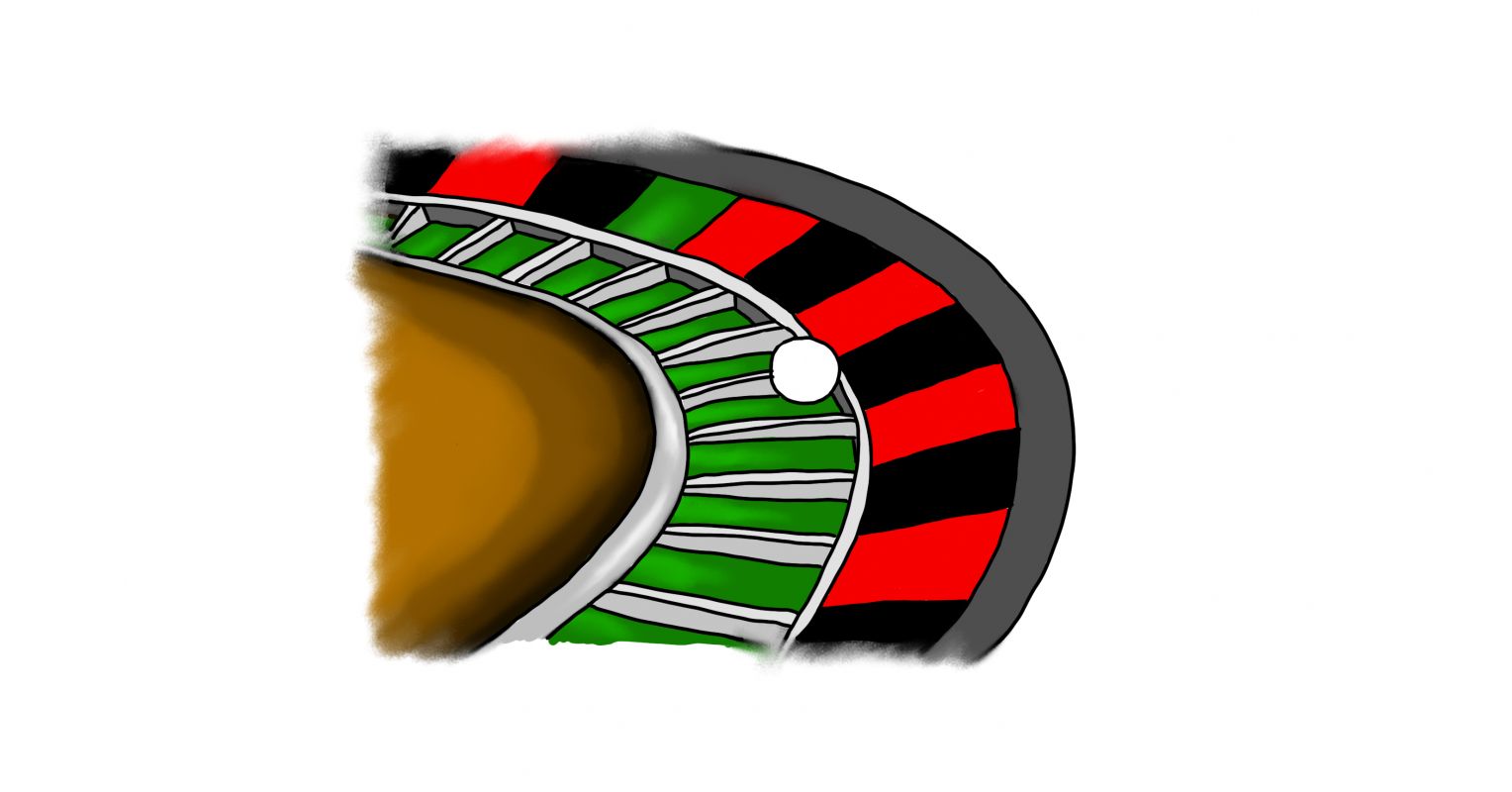
3 weeks agoIncredible map reveals how the brain processes different emotions
They created an artificial 'mental map', with pleasantness along one axis and bodily reactions along the other, and charted how the brain responded while watching clips from films. The results revealed clear groupings in the way that our brains represent emotion - with guilt, anger and disgust in one corner and happiness, satisfaction and pride in the other.
Science
Mental health
fromPsychology Today
3 weeks agoWhen Even a Neuroscientist Feels Overwhelmed
Modern crises create a 'Traumademic' where overlapping global and personal stressors trigger emotional hijacking, causing the ancient feeling brain to override rational thinking through constantly activated alarm systems.


Psychology
fromSilicon Canals
2 weeks agoNeuroscience reveals that people who feel trapped in repetitive daily routines aren't lazy or unmotivated. Their dopamine system has downregulated to match the predictability, which means the routine didn't kill their motivation - it quietly rewired their brain to stop expecting anything worth anticipating. - Silicon Canals
Overly predictable routines suppress dopamine and motivation by eliminating the uncertainty that drives anticipation, causing emotional numbness despite external life satisfaction.
#neuroscience
fromSilicon Canals
2 weeks agoPsychology
Behavioral scientists found that the human brain doesn't actually crave constant novelty. It craves pattern recognition and mastery, which means the person who finds genuine pleasure in their morning walk along the same route is neurologically closer to fulfillment than the person who needs every weekend to feel like an event - Silicon Canals
Psychology
fromSilicon Canals
2 weeks agoBehavioral scientists found that the human brain doesn't actually crave constant novelty. It craves pattern recognition and mastery, which means the person who finds genuine pleasure in their morning walk along the same route is neurologically closer to fulfillment than the person who needs every weekend to feel like an event - Silicon Canals
The brain's reward circuits respond more strongly to mastery and pattern recognition within familiar structures than to constant novelty-seeking.
fromPsychology Today
1 month agoPrediction, Survival, and the Origins of Feeling
According to the Free Energy Principle (FEP), developed by theoretical neuroscientist Karl Friston and colleagues, much of what the brain does can be understood as minimizing such mismatches—a technical form of 'surprise' defined as the improbability of sensory input given an internal model. The proposal brings perception, action, learning, and decision-making under a single framework.
Science
fromPsychology Today
1 month agoEnjoy the Pursuit: Why Adherence Is the Real Intervention
For my colleagues and me, whose task it is to improve population health, we architect specific health interventions because doing so gives us a measurement advantage. Through good intervention design, we (or the intervention's facilitators) can track attendance, program completion, vital signs, functional capacity, clinical labs, and downstream health utilization. Yet, despite our best design efforts, we still chronically face a fundamental challenge: program adherence.
Public health
fromFast Company
1 month agoOur brains are wired to ignore information. Here are neuroscience-backed tips for communicating memorably
The human brain is engineered to ignore most of what it sees and hears, according to the neuroscientists I interviewed for the audio original Viral Voices. If that's the case, how are you supposed to make a memorable impression? The empowering news is that if you understand how the brain works, what it discards, and what it pays attention to, you'll be far more persuasive than you've ever imagined. Persuasive people have influence in their personal and professional lives.
Philosophy
Mental health
fromSilicon Canals
1 month agoWhat neuroscience reveals about people who feel calm in chaos but fall apart when everything is finally okay - Silicon Canals
Chronic stress exposure rewires the brain's threat-detection system, causing people to function better under pressure but struggle when stress ends, as the nervous system continues scanning for threats that no longer exist.
fromPsychology Today
2 months agoIf Punishments Don't Work, What Does?
First, you have to facilitate through the situation, which means realigning your mindset and asking yourself what you need to do to effect change for the next time you see this behaviour. Once this mindset has been established, there is a sequence of steps we must avoid to be able to effect change. These are as follows: 1. Do not allow your reactions to be based on what your child is saying.
Parenting
fromwww.nature.com
1 month agoShared neural substrates of prosocial and parenting behaviours
Mice with higher levels of parenting exhibit more prosocial allogrooming toward stressed adults. The medial preoptic area (MPOA), a brain area involved in parenting behaviour, bidirectionally regulates allogrooming toward stressed conspecifics. Allogrooming and parenting behaviours recruit a partially overlapping neuronal ensemble in the MPOA, are both controlled by an MPOAtoVTA pathway and are associated with dopamine release in the nucleus accumbens.

fromFuturism
2 months agoScientists Say Go Ahead, Keep Gooning
Adult content has never been as accessible as it is now, thanks to the internet. Hell, online smut played a major role in the rise of the web itself in the 1990s. With that glut of porn, some have voiced concerns that some people are consuming too much of the stuff or even becoming addicted, which they claim could have consequences like regulating emotions or impaired sexual functioning.
Public health
Psychology
fromSilicon Canals
1 month agoPsychology says the people who remember exact dates, what someone was wearing, and the precise words used during painful moments aren't holding grudges. Their memory encoded the detail because their nervous system classified that moment as a survival event - Silicon Canals
Emotionally significant events create vivid 'flashbulb memories' through amygdala activation and stress hormones, prioritizing survival-relevant information over mundane details.
fromFast Company
1 month agoHow hesitation is a fundamental brain feature, according to neuroscientists
At the Winter Olympics, skiers, bobsledders, speedskaters, and many other athletes all have to master one critical moment: when to start. That split second is paramount during competition because when everyone is strong and skilled, a moment of hesitation can separate gold from silver. A competitor who hesitates too much will be left behind -but moving too early will get them disqualified.
Science

Psychology
fromSilicon Canals
1 month agoWhat neuroscience reveals about people who cry easily and why it signals a nervous system that processes the world more deeply, not more weakly - Silicon Canals
Frequent crying reflects heightened sensory processing sensitivity and deeper cognitive processing, not emotional fragility or malfunction.


fromSilicon Canals
1 month agoWhat neuroscience reveals about people who replay conversations in their head for hours after they happen - Silicon Canals
Neuroscientists have a name for the brain network that fires up when you're not focused on an external task: the default mode network, or DMN. It's the constellation of regions - the medial prefrontal cortex, posterior cingulate cortex, and angular gyrus among them - that hums to life when you daydream, reflect on yourself, or think about other people's mental states.
Psychology
fromPsychology Today
1 month agoAre Frontal Lobe Breakups Real?
There are lots of reasons why relationships fall apart; all kinds of incompatibilities can doom romance. Some are trivial, but occasionally there might be something more profound at the root of an estrangement. Recently, the concept of the "frontal lobe breakup" appeared in popular culture. The idea is that the final stage of development in the executive regions of the brain-the frontal lobes-changes someone's perspective about their relationship. The onset of advanced cognitive skills in one partner creates a gap in maturity too big to bridge.
Psychology
Science
fromHarvard Gazette
2 months agoWant to speed brain research? It's all in how you look at it. - Harvard Gazette
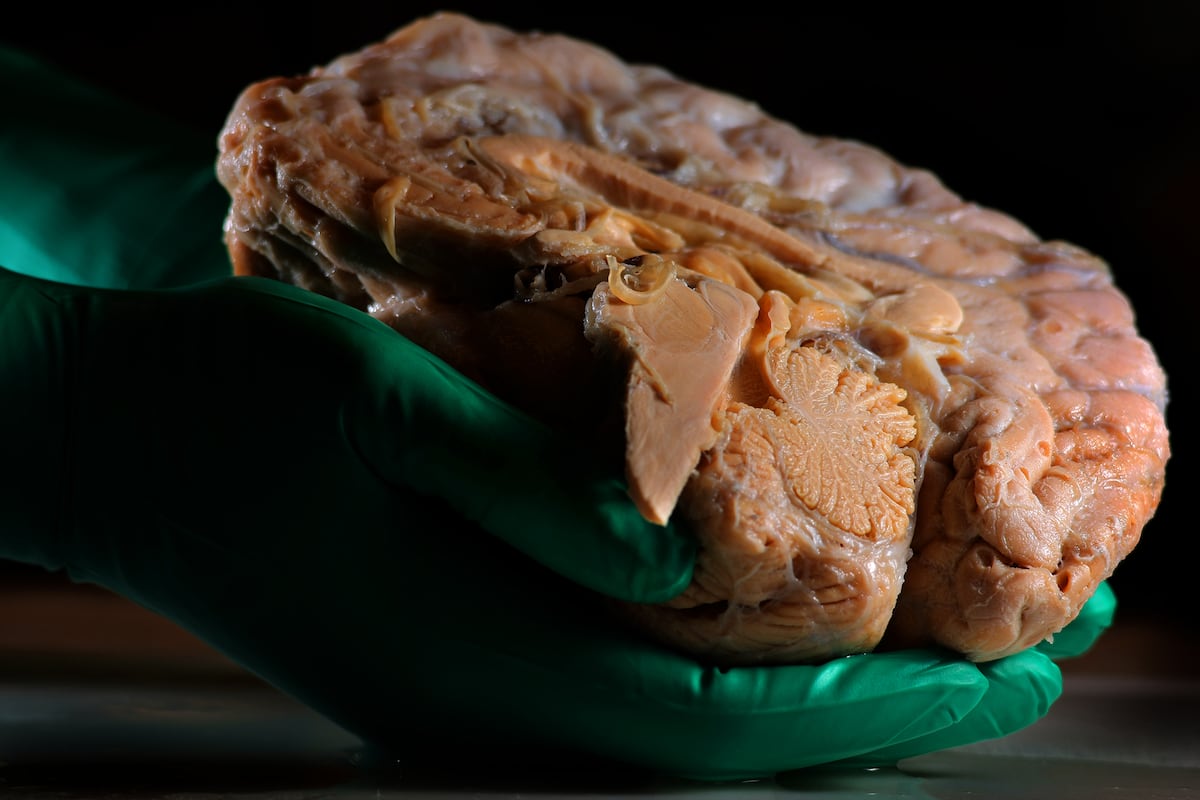
SmartEM uses machine learning to guide common single-beam scanning electron microscopes in real time, increasing scanning speed sevenfold and democratizing high-resolution connectomics.

fromPsychology Today
2 months agoAttribution Theory and Achievement Considerations
Ability is thought of as being an internal stable factor over which a person may not think they have any control. However, one should consider that the ability to control one's own learning may become available to an individual if they actively engage in their learning. This active learning engagement has the potential to change neurological pathways, leading to changes in cognitive and skill-acquisition capacities, as well as advances in knowledge, potential, insight, and creativity(Arrowsmith-Young, 2012; Coyle, 2009; Doidge, 2010, 2015).
Psychology
fromMail Online
2 months agoNeurologist reveals three simple tricks to help you kick any bad habit
'Have you ever noticed how your day starts?' Khan asks in a YouTube video on his channel, The Brain Project. 'You open your eyes, and your hands already know what to do. Same apps, same path to the kitchen, same routines you never actually chose. 'It feels automatic because, well, it is. Habits aren't a personality trait, they're neural shortcuts your brain builds to save energy.'
Psychology
fromPsychology Today
1 month agoWhen Praise Is Not the Answer
Praise. Universally good, right? Those of you who are fans of Alfie Kohn's (2018) work know it isn't. Praise comes with baggage. I (EB) was reminded of another downside by a young adult patient who sees praise as invalidating or dismissive of a person's experience. What about this exchange? Person: "I can't do it." Response: "Yes, you can. You are so amazing and strong."
Psychology
fromPsychology Today
1 month agoDaily Prophets: How Your Brain Predicts the Future
I am a worrier, and have been for most of my life. At some point, someone dear and smart teased me that I worry about the wrong things. The things that hit me, she noted, were never the things I worried about. For a while that left me feeling like an incompetent worrier-until my research caught up. I realized that the things I worry about often don't end up hurting me precisely because worrying helps me diffuse them ahead of time.
Psychology
[ Load more ]