Design
fromPsychology Today
15 hours agoThe Future of Brain Health Is Architecture
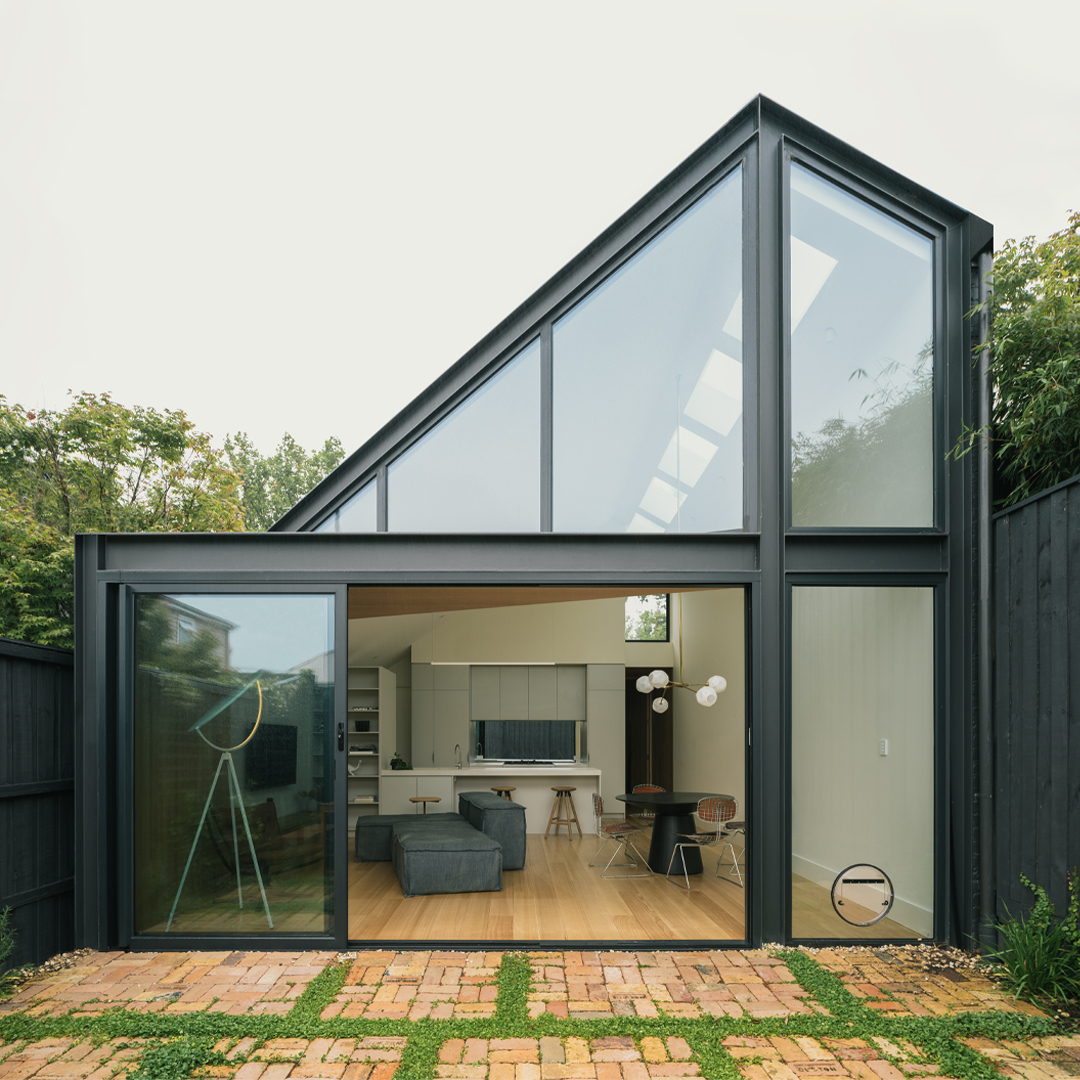
The built environment significantly influences mental health, mood, and performance, with neuroscience guiding design for improved well-being.
When you design your home with intentionality, you are essentially 'hard-coding' healthy behaviors into your daily rhythm. Health outcomes are the result of thousands of micro-decisions—so in his own home, he prioritized spaces like the kitchen, whose open layout makes cooking a pleasure, and the gym, centrally located.
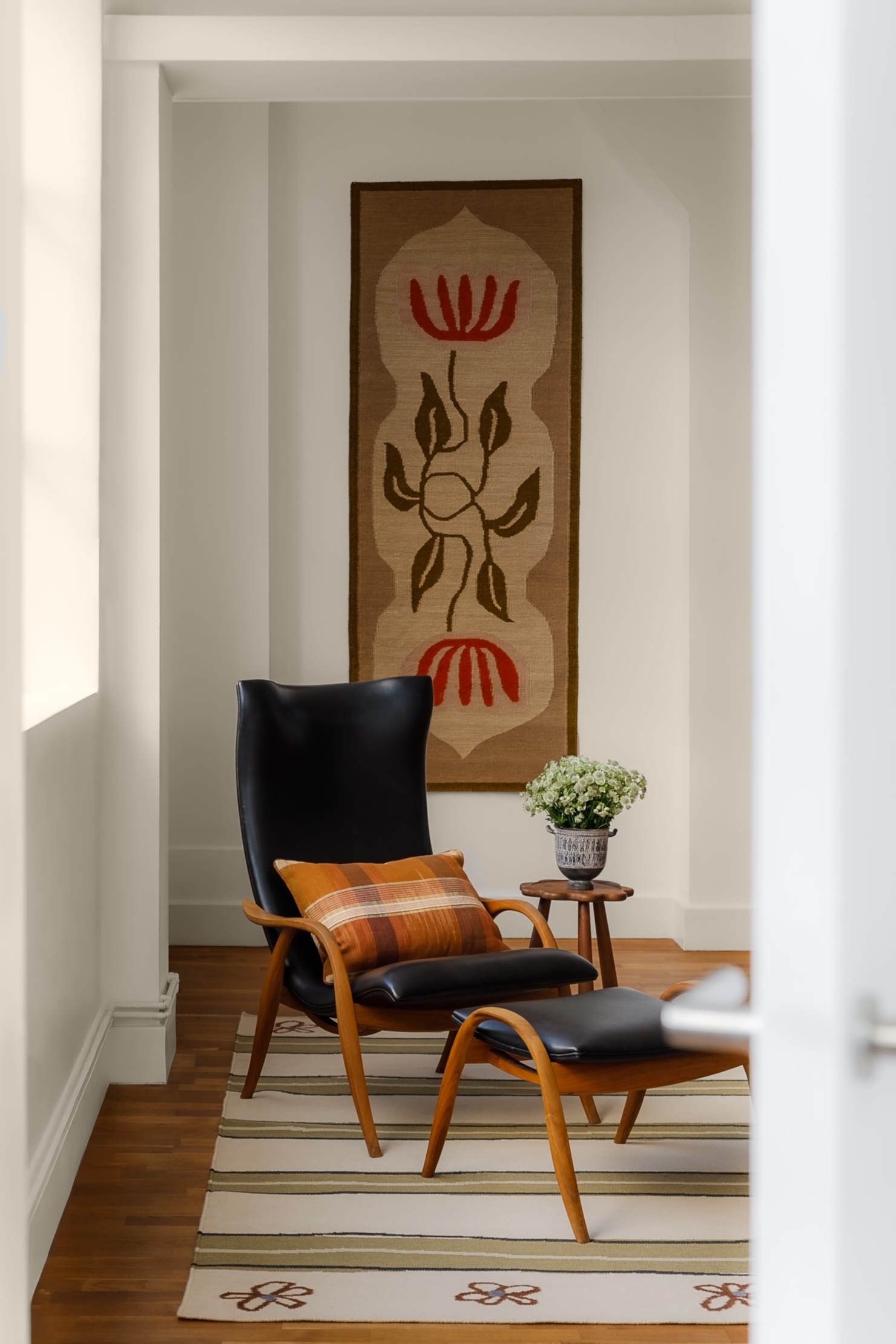
The convenience of sourcing online is fraught with more pitfalls than most of us want to admit. Try finding adequate photos of a vintage piece's condition-close-ups of the fabric, video of damaged areas, any images of a piece's rear or underside!
"The clients are a family of five who were already living in the Barcelona flat but wanted to give it new character through the redesign of the kitchen and bathrooms," says Muñoz. "Our focus was to update the spaces while maintaining continuity with the rest of the apartment, which has a lot of personality thanks to the clients."
The original intent of pilotis was to create a sense of lightness that would allow circulation and light to flow beneath a structure, but contemporary requirements render thin columns insufficient for large-scale civic projects.
Decades of research in environmental psychology and building science reveal that indoor conditions can profoundly affect human health and behavior. Lighting influences circadian rhythms and sleep patterns. Air quality impacts cognitive performance and respiratory health. Temperature and acoustics shape comfort and concentration.
Many interior designers are indeed looking towards neutral colors and "warm" minimalism in 2026, as reported in Apartment Therapy's annual design industry survey, the State of Home Design. But there are a few maximalist design trends that refuse to fade into the background this year - namely, room drenching, and, more specifically, stripe drenching. This pattern drench has design pros leaning into colorful, dizzying stripes from wall to wall.
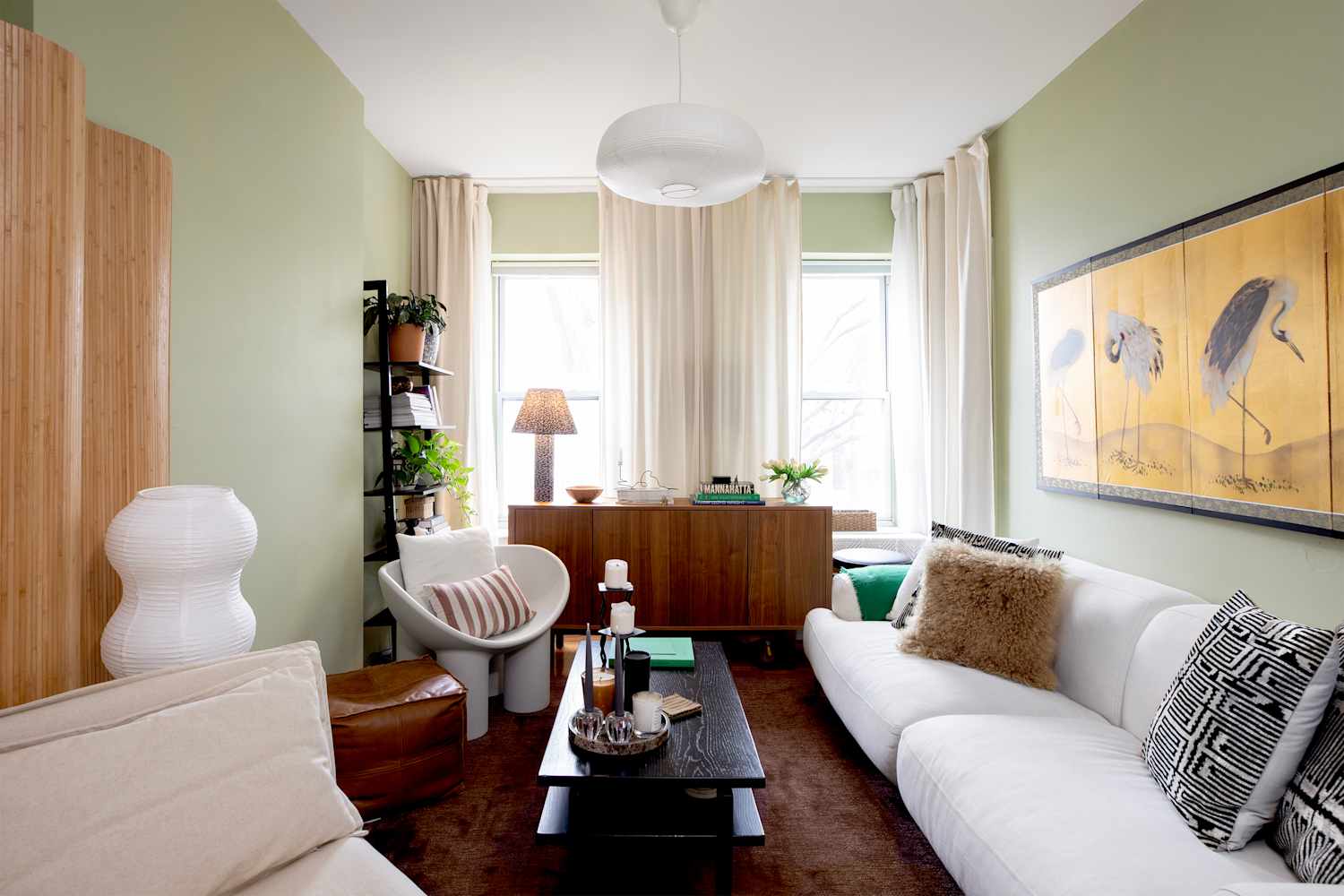
Thornton says that the secret to making a small space feel expansive is to think vertically. As the eye goes up, there's an illusion of higher ceilings and a larger space. "Anything that draws attention upward instantly adds a sense of height and breathing room," he told me. But how do you actually implement these tactics IRL? Ahead, the pro shares tips for how to make the most of every square inch in your own home.