#seiichi-furuya
#seiichi-furuya
[ follow ]
#contemporary-art #memory #surrealism #identity #japanese-architecture #sculpture #contemporary-painting

fromHi-Fructose Magazine - The New Contemporary Art Magazine
2 days agoKyle Cobban Draws From The Unknown - Hi-Fructose Magazine
"It's an amalgamation of the Chicago neighborhood aesthetic with a Bulls fan, quite literally. It's kind of on the nose, but that's how I juxtapose the elements of my work, with the structure of a home and then a figure who is around or in the home."
Chicago Bulls
Berlin music
fromdesignboom | architecture & design magazine
2 weeks agohow yuri suzuki builds social architecture through sound sculptures and playful interaction
Yuri Suzuki uses sound sculptures and horns as social connectors that build collective experiences and community through shared listening and interactive participation in public spaces.
fromwww.archdaily.com
2 weeks agoMonologue Cafe / SOSOKKI ANAC
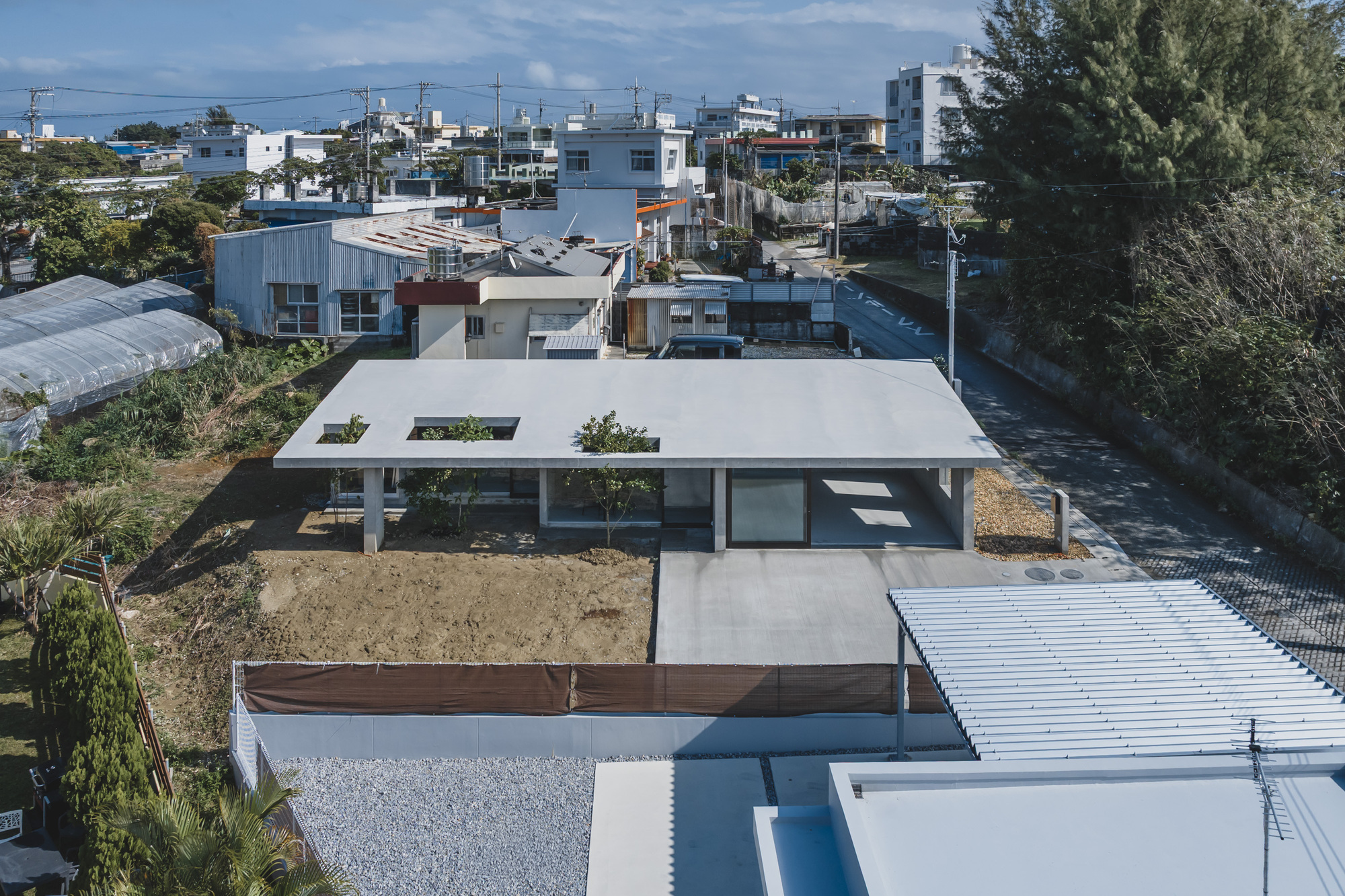
Monologue A Walker in Time's Soliloquy originates from a speculative narrative imagining that the Earth has undergone a reset. The project begins with a simple question: if an ancient civilization once existed before this reset, and a monastery had been built within that forgotten world, what architectural form might it have taken?
Renovation
fromThe Art Newspaper - International art news and events
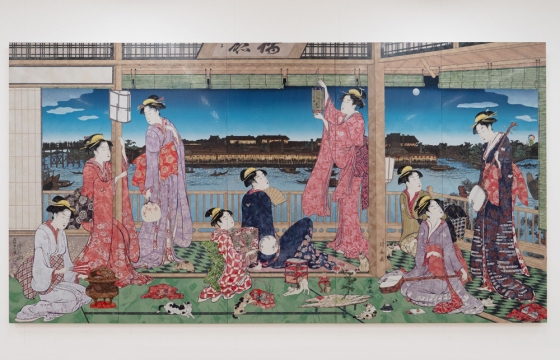
1 week agoBritish artist Simon Fujiwara tackles Guernica, syphilis and the death of a Japanese pornstar in Luxembourg survey exhibition
This depicts Guernica after the battle. The figures are no longer fighting. They're in a giant pile. They're exhausted and there's a sunrise on a new day behind them. The title of the work is A Whole New World (for Who?). It's asking what's going to happen after the conflicts that we have. Who's going to be taken into that new world?
Arts

Renovation
fromYanko Design - Modern Industrial Design News
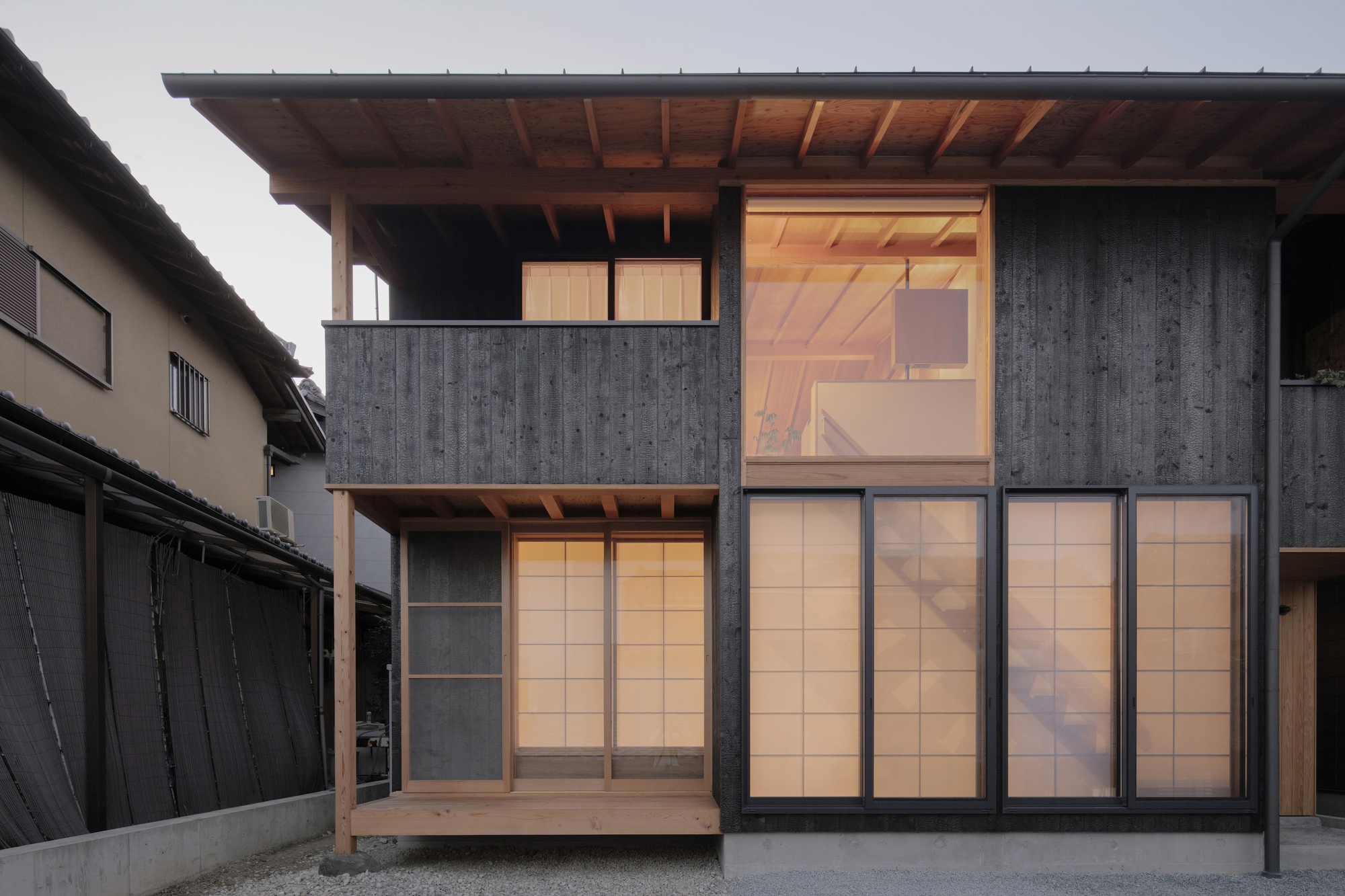
2 weeks agoThis Crumbling Kyoto Home Was Rebuilt as a Wabi-Sabi Sanctuary - and Every Detail Is Intentional - Yanko Design
A Kyoto renovation restores a traditional Sukiya residence by removing decades of alterations, creating livable spaces that honor historical principles while serving contemporary needs.
fromColossal
2 weeks agoRestrained Emotions Simmer in Shinsuke Inoue's Tender Wood Sculptures
I have virtually no idea what the finished piece will look like until I actually begin working with the wood. As a result, the form often emerges as I carve, and I frequently change my plans midway through the process. Naturally, I keep the many failures a secret.
Arts
Graphic design
fromdesignboom | architecture & design magazine
1 month agoissey miyake crafts sunglasses with eight concave lenses inspired by japanese ceramic works
Issey Miyake Eyes releases UROKO sunglasses featuring eight concave lenses inspired by Japanese potter Shoji Kamoda's ceramic works, combining 3D printing with traditional craftsmanship aesthetics.
#contemporary-art
Arts
fromKALTBLUT Magazine
3 weeks agoCelebrate the Unconventional: Discover Fernando Carpaneda's Solo Exhibition at the Arkell Museum - KALTBLUT Magazine
Fernando Carpaneda's solo exhibition at the Arkell Museum showcases expressive portraiture celebrating LGBTQIA+ narratives and everyday urban life through vibrant acrylic paintings.
Arts
fromJuxtapoz
3 weeks agoJuxtapoz Magazine - Good Looking: Raymond Lemstra @ Nanzuka Underground, Tokyo
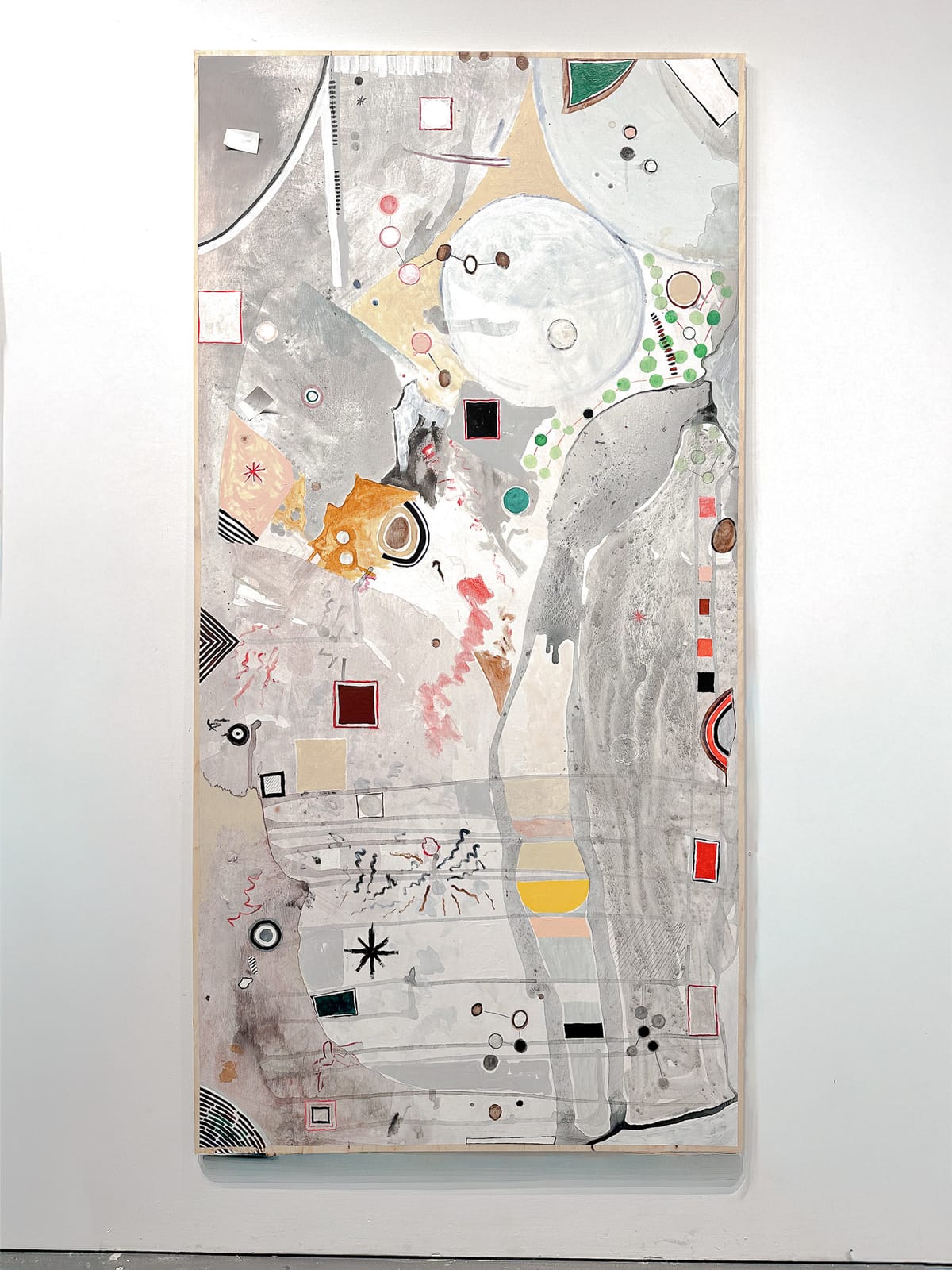
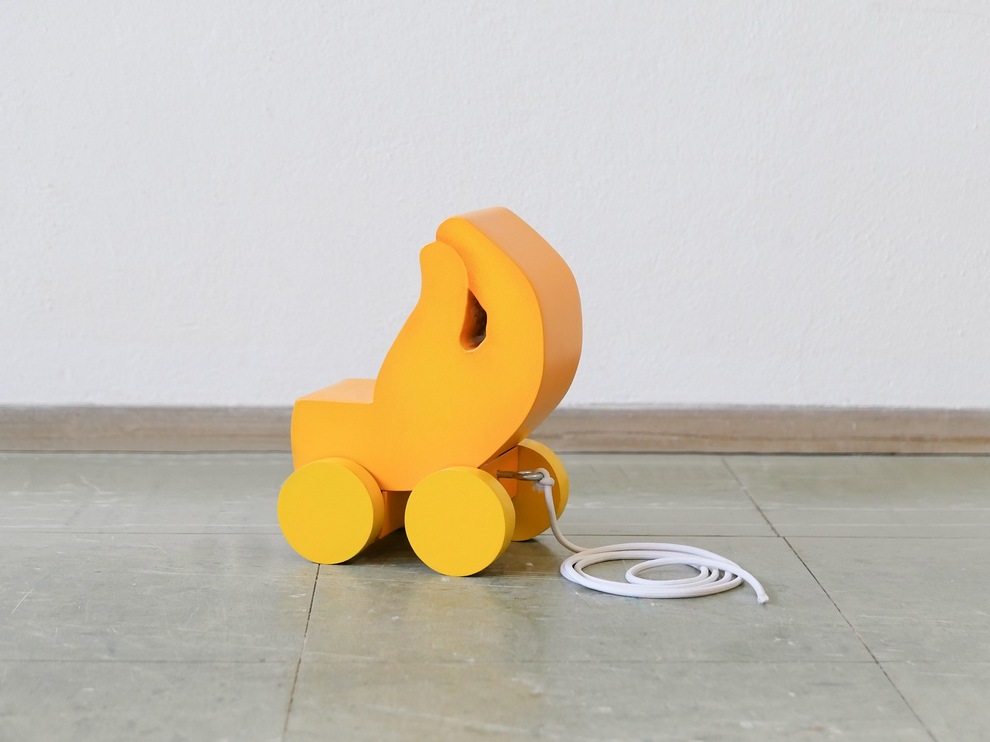
Raymond Lemstra's solo exhibition features meticulous graphite portraits and painted works combining Dutch oil techniques with Korean hanji paper, exploring the boundary between reality and the unreal.

Arts
fromKALTBLUT Magazine
3 weeks agoCelebrate the Unconventional: Discover Fernando Carpaneda's Solo Exhibition at the Arkell Museum - KALTBLUT Magazine
Fernando Carpaneda's solo exhibition at the Arkell Museum showcases expressive portraiture celebrating LGBTQIA+ narratives and everyday urban life through vibrant acrylic paintings.
Arts
fromJuxtapoz
3 weeks agoJuxtapoz Magazine - Good Looking: Raymond Lemstra @ Nanzuka Underground, Tokyo
Raymond Lemstra's solo exhibition features meticulous graphite portraits and painted works combining Dutch oil techniques with Korean hanji paper, exploring the boundary between reality and the unreal.
#residential-architecture
Renovation
fromdesignboom | architecture & design magazine
1 month agoconcrete and timber converse in osaka residence through an interplay of solid and void
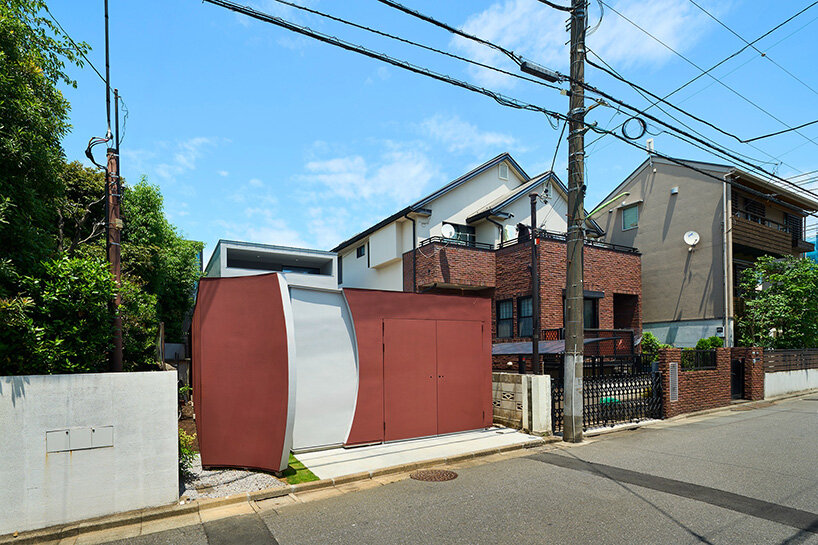
An Osaka residence adapts to an irregular three-sided plot through layered volumes and alternating solid-void articulation, balancing street integration with domestic privacy.
Design
fromYanko Design - Modern Industrial Design News
1 month agoJapan Just Solved Spring Home Refresh With 8 Minimalist Accessories That Make Your Space Feel New - Yanko Design
Small, restrained Japanese craft objects subtly reset and enrich interior spaces through texture, scent, sound, light, and purposeful minimalism.
Arts
fromdesignboom | architecture & design magazine
4 weeks agochiharu shiota's woven webs meet yin xiuzhen's clothing installations at hayward gallery
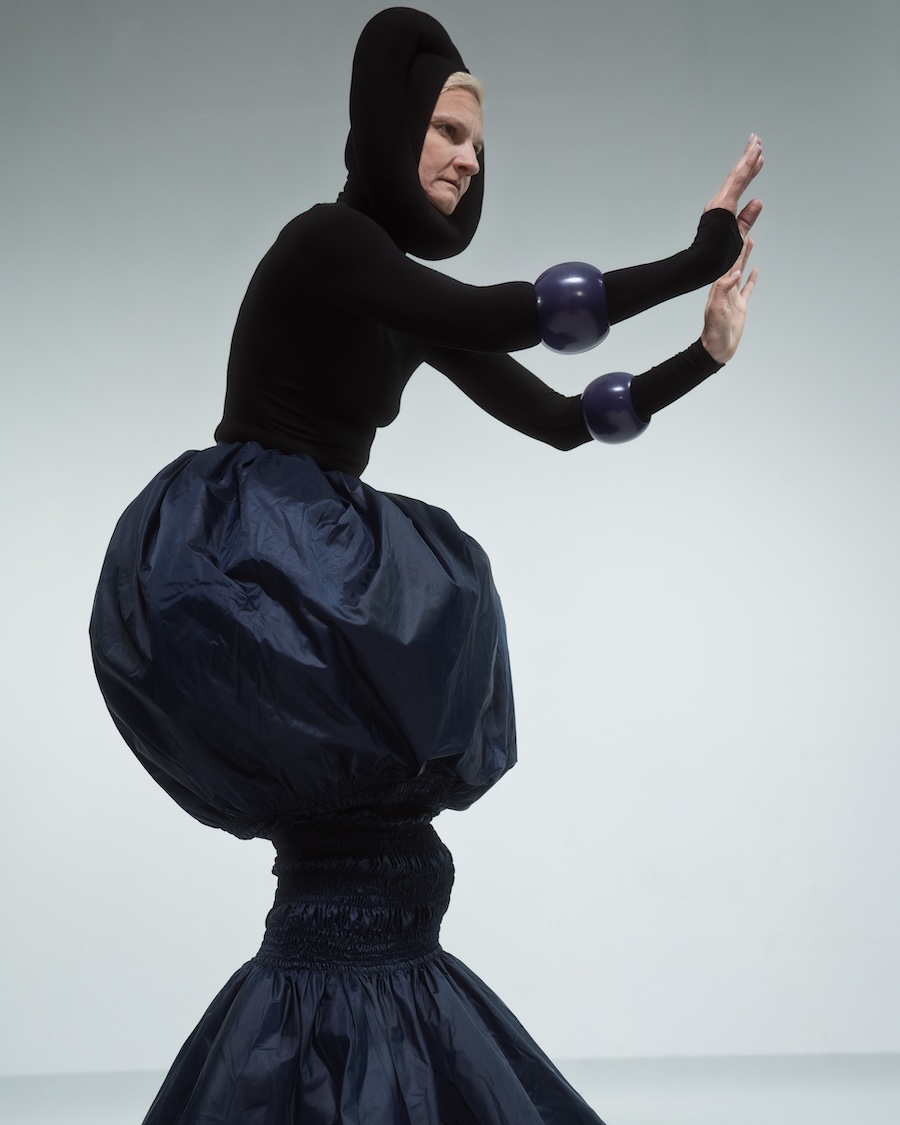
Hayward Gallery presents two major concurrent textile installations by Chiharu Shiota and Yin Xiuzhen that transform ordinary materials into immersive spatial explorations of memory, identity, and shared human experience through large-scale installations.
Gadgets
fromYanko Design - Modern Industrial Design News
2 months agoNaoto Fukasawa on Poetic Observation and Designing the realme 16 Pro Urban Wild - Yanko Design
Urban Wild Design transforms smartphones into organic, jewelry-like objects through bio-based textures and polished frames, reflecting settled optimal size and everyday emotional attachment.
fromAnOther
2 months agoInside a New Exhibition of David Lynch's Paintings and Photographs
Before he was a filmmaker, David Lynch was a painter and, if you're familiar with his esoteric filmmaking practice - peppered as it is with some of cinema's most indelible imagery - it all makes a lot of sense. A year after the auteur's passing, a newly opened show at Pace Gallery's Berlin space, Die Tankestelle, foregrounds Lynch's career-spanning fine art practice and its inextricable link to his cinematic oeuvre.
Film
Photography
fromOregon ArtsWatch * Arts & Culture News
1 month agoAn absence of flattery: Diane Arbus at JSMA * Oregon ArtsWatch
Diane Arbus's portraiture exposed subjects' vulnerabilities and identity fault-lines, producing unflattering yet compelling images showcased in a Eugene exhibition of vintage prints.
fromDesign Milk
1 month agoMovie Magic: The Lumina Sideboard from YOMEI and LEICA
Enter the Lumina Sideboard from German furniture brand YOMEI and Leica Camera AG, crafted specifically for the Leica Cine 1. This Bauhaus-inspired solution offers brilliant color and sound, without the permanent fixture of a black screen staring back, a void usually occupying the focal point of the room when not in use. With the Lumina Sideboard, each piece of the puzzle fits together neatly, minimizing pain points of the TV experience, all while gifting this container for culture a sleek aesthetic.
Gadgets
fromAnOther
2 months agoComme des Garcons Homme Plus Finds Beauty After the Black Hole
"Love me, please love me." It's not a refrain you anticipate hearing at a Comme des Garçons show, Rei Kawakubo perhaps being one of the most unloveable designers working in fashion right now. Kawakubo is adored, but as a self-declared and much-demonstrated punk, she makes no overtures or compromises to engender universal affection with her clothes. They're difficult, obstinate, unreasonable in their undeniable genius. Kawakubo doesn't need to be loved.
fromdesignboom | architecture & design magazine
2 months ago'dan flavin: grids' floods NYC's david zwirner gallery with fluorescent color
The exhibition gathers several grid installations first developed in 1976, presented here through careful re-creations of historic works. Installed directly into corners, the luminous sculptures become a fixed part of the gallery as walls, ceilings, and floors receive light as an active condition. The atmosphere of each room shifts, all while remaining unified by the straightforward presence of the simple fluorescent fixtures.
Design
fromAnOther
1 month agoChiharu Shiota, the Artist Making Human Connection Tangible
Known most for her large-scale artworks created from vast, intricate networks of thread, she developed her unique practice to make tangible the endless speculative configurations of human connections - something to be experienced rather than defined. But by asking her to describe her new exhibition, Threads of Life at the Hayward Gallery, I'm dragging her back into a reductive world of language. "If I wanted to express myself in words, if I could explain in words, I'd rather write," she says. "So I want to build visually, and I want to create visually. What I want to describe is beyond words."
Arts
Design
fromdesignboom | architecture & design magazine
2 months agoluminous layers of colored wire mesh weave tea ceremony house by moriyuki ochiai
Layered wire mesh creates permeable tea house enclosures that modulate light, sightlines, airflow, and spatial perception through material, layering, and moiré effects.
Arts
fromdesignyoutrust.com
1 month agoBeautiful Daily Retrowave City Pop Landscapes From Club Retro, A Neon-drenched Instagram Gallery Of Vaporwave Dream Worlds
Collection of diverse visual-art features and lifestyle pieces, including paintings, architecture drawings, illustrations, murals, vintage posters, surreal digital art, and practical guides.
fromColossal
1 month agoSzilveszter Mako's Surreal Photographs Reconstruct the Boundaries of Portraiture
Szilveszter Makó 's enigmatic photographs carry layers of mystery and introspection. Standing inside curious block-like backdrops and lain against two-dimensional fields of color and texture, his subjects seamlessly meld into stories in which every detail carries intention. Taking inspiration from art history, the Milan-based artist references Surrealism and grotesque art through his use of chiaroscuro effects via light exploration and contrasting earth tones.
Arts
fromHyperallergic
1 month agoNaoto Nakagawa 2026 Is on View at KAPOW
Naoto Nakagawa's current show at KAPOW brings together a significant group of new acrylic paintings and intimate watercolors, situating his recent practice within both the Japanese shunga tradition of erotic art and his own six-decade exploration of perception, material culture, and the natural world. On view at KAPOW in Manhattan's Lower East Side through February 22, works across the exhibition resonate with themes that have defined Nakagawa's career since the 1960s - most notably his persistent pairing of man-made objects with organic life.
Arts
Arts
fromJuxtapoz
2 months agoJuxtapoz Magazine - Ayako Rokkaku "SCENERY IN THE PROCESS OF BEING FORMED" @ Konig Galerie, Berlin
Ayako Rokkaku’s work emphasizes tactile, hand-driven processes where landscapes and collected materials shape sculptures, glass, fabric, bronze, ceramics, and paintings as form slowly appears.


[ Load more ]