Podcast
fromArtforum
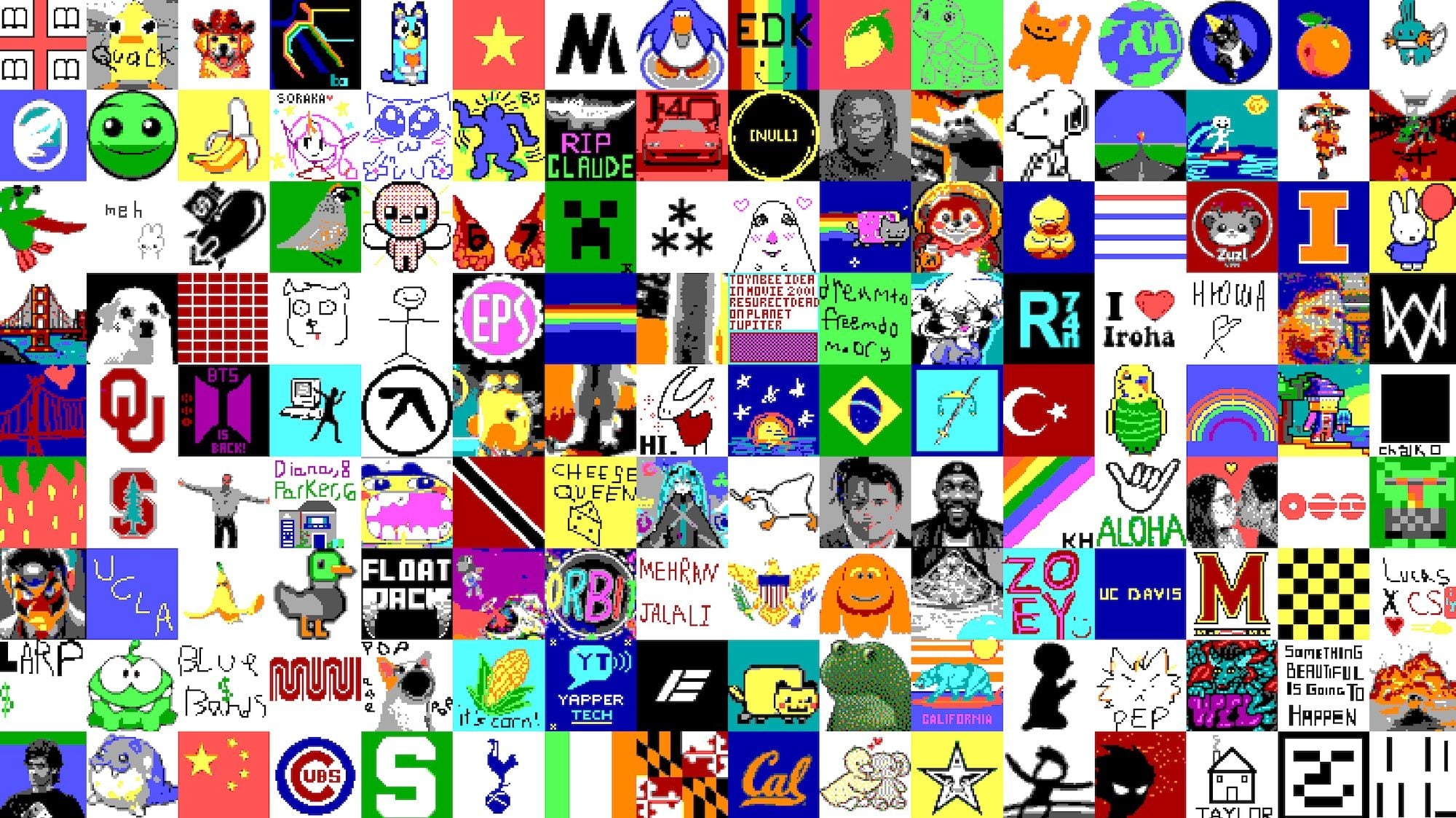
16 hours agoSchlock Jock: Joshua Citarella at the Whitney Biennial
Doomscroll podcast's live tapings at the Whitney reflect changing museum priorities and the evolving relationship between art and digital discourse.
"It's an amalgamation of the Chicago neighborhood aesthetic with a Bulls fan, quite literally. It's kind of on the nose, but that's how I juxtapose the elements of my work, with the structure of a home and then a figure who is around or in the home."
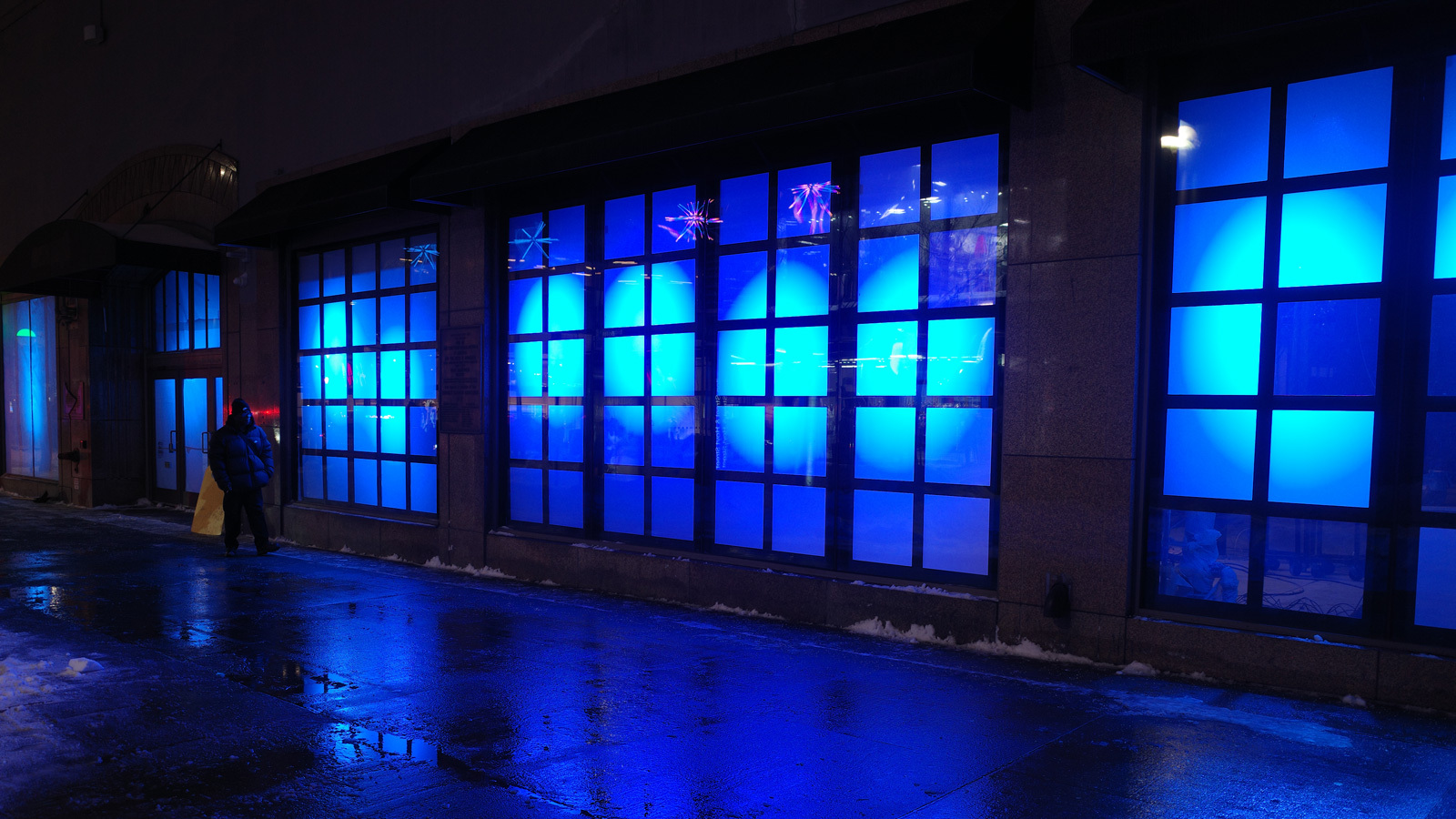
Lachlan Turczan's practice sits in the space between physics, optics, and environmental art, as he works with lasers, water, mist, and custom-built lenses to produce sculptures made entirely from light.
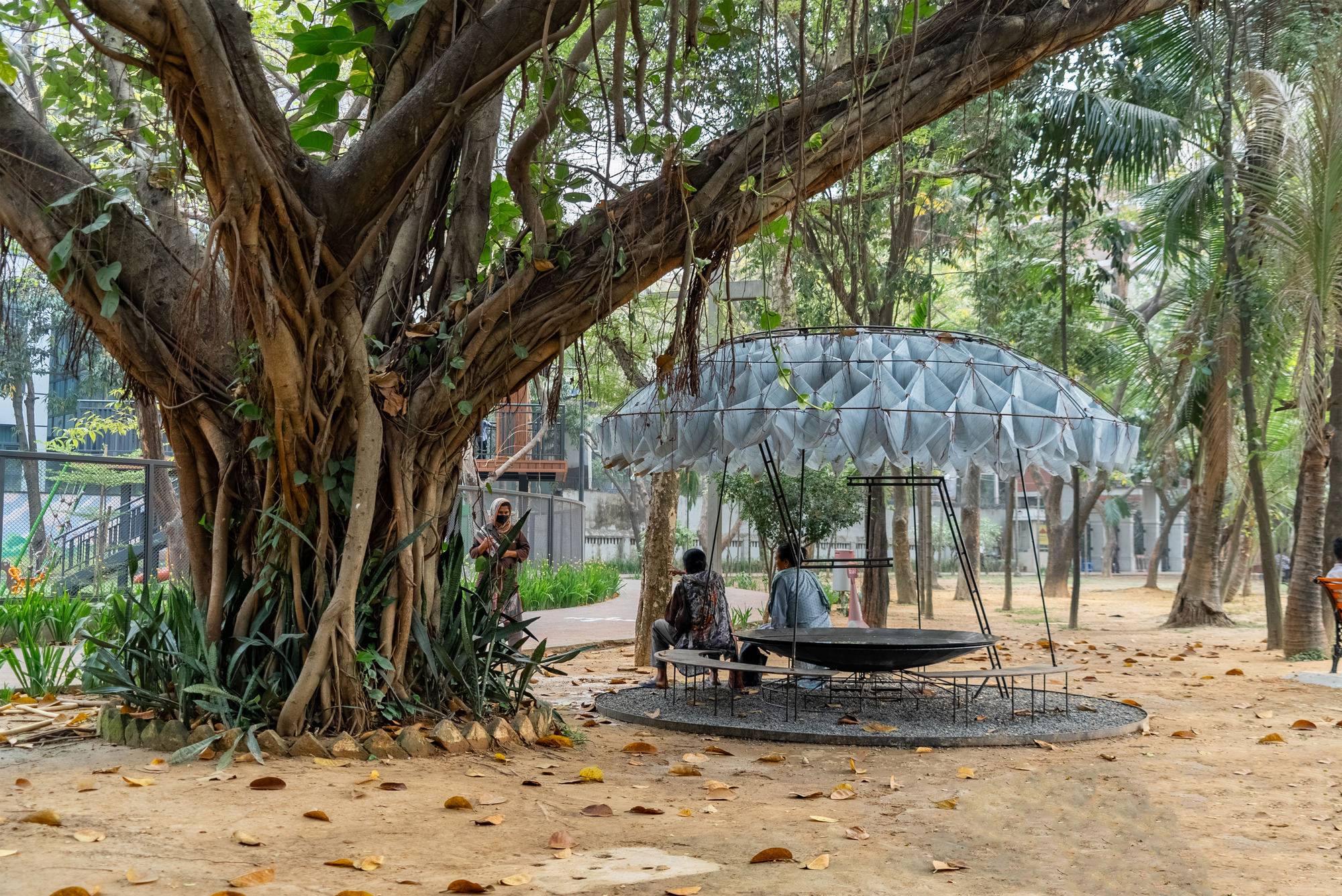
The documentary, created by Dr. Igea Troiani, Dr. Mamuna Iqbal, artist and researcher Paula Roush, and filmmaker Rime Tsujino, brings visibility to the experiences of six architects of South Asian origin.
"The hardest thing for both of us was losing home-the place you go that's safe, that provides comfort," Reilly says. The emotional toll was immediate, but the material losses were staggering in their own right: 'I lost the craziest archive of fashion and notes from Karl Lagerfeld'-pieces that, by their nature, are irreplaceable.
"These works are an exploration of the human body's elasticity and capacity to metamorphose. Informed by my own experience of pregnancy and the birth of my first child last year, these paintings are a meditation on physiological transformation and the body's underlying animalistic and mammalian nature."
Kamrooz Aram is everywhere this year, from Mumbai Art Week to the Whitney Biennial, and critic Aruna D'Souza is grateful. She pens a beautiful meditation on his work, reading his abstract paintings as not simply a denunciation of Western modernism nor a reassertion of Islamic visual motifs, but something else entirely - something gestural, exuberant, riotous, and incomparably his own.
Hong Kong's particular and seductive Metabolist city planning is an ode to consumption as a great totalizer of culture, and to contemporary art as merely a niche commodity form among many others.
The new New Museum is many things: contemporary, perhaps, but also a science, history, anthropology, and many other museums in one. It echoes the desire of its patron class to own the world and its affiliated courtier class to deliver it to them on a silver platter, or encased in perforated metal, in this case.
Dealers like artists with established sales records because it lowers their already considerable financial exposure. Renting a gallery space in Tribeca costs anywhere between $8,000-30,000 a month on top of staff, marketing, and daily operations. With that kind of overhead, very few business owners can afford to take on the financial risk of untested artists.
Taking over the museum's transformed school building starting April 16, the cross-borough survey will celebrate MoMA PS1's 50th anniversary with a bevy of site-specific installations, new commissions, and rarely seen work by 53 artists and collectives living and working across New York City. A complete list of participants is included at the end of this article. This year, Greater New York will coincide with the Whitney Biennial for the first time in the show's history.