#self-taught-sculptor
#self-taught-sculptor
[ follow ]
#art #sculpture #architecture #contemporary-art #creativity #public-art #art-history #ceramics #art-exhibition

#art
fromIrish Independent
4 days agoArts
'You have to step in and experience it' - artists on the rise of AI-generated art and the 'essential' gallery visit
Miriam Fitzgerald Juskova's exhibit combines paper quilling with mathematics, showcasing intricate art that engages viewers and emphasizes the value of handmade creations.
Arts
fromIrish Independent
4 days ago'You have to step in and experience it' - artists on the rise of AI-generated art and the 'essential' gallery visit
Miriam Fitzgerald Juskova's exhibit combines paper quilling with mathematics, showcasing intricate art that engages viewers and emphasizes the value of handmade creations.

Washington DC
fromThe Art Newspaper - International art news and events
1 week agoHirshhorn Museum's revamped sculpture garden will feature new acquisitions by Mark Grotjahn, Lauren Halsey and more
The Hirshhorn Museum's sculpture garden will reopen with eight new works by various artists, enhancing the cultural landscape of Washington, DC.

fromThe Art Newspaper - International art news and events
3 weeks agoGlassblower and porcelain heir Paul Arnhold on the art he loves to collect
Glass demands immediacy. Working at temperatures above 2,000°F leaves little room for overthinking, so the process becomes a kind of live dialogue between material, colour and chance. That same immediacy informs what I'm drawn to as a collector: works that carry a decisive gesture, a tactile presence, and the feeling that they could only exist in one form.
Miscellaneous
fromColossal
3 weeks agoHistoric Architecture Emerges from Stone in Matthew Simmonds Ethereal Sculptures
From unassuming hunks of Carrara marble and limestone, Matthew Simmonds carves realistic, miniature gothic cathedral arches, stairwells, and colonnades. Often based on architectural details of real places, such as cities around Tuscany and Germany's Bamberg Cathedral, the sculptures portray intimate details of corners, vaulted ceilings, arcades, and stairwells that can sometimes be peeked through additional apertures.
Berlin music
fromTime Out New York
3 weeks agoThis free art show in the East Village spotlights awesome work from senior artists
The show features pieces by participants in JASA's programs. The organization, which serves more than 40,000 older adults every year, offers art classes and creative workshops designed to bring people together while encouraging self-expression. The results will be on full display here, from paintings and textile work to other handmade pieces that reflect the artists' personal stories and styles.
Miscellaneous
Design
fromYanko Design - Modern Industrial Design News
1 week agoThis walkable steel sculpture turns geometric chaos into an experience - Yanko Design
Five Fragmented Cubes is an interactive sculpture designed for immersion, challenging traditional viewing by inviting people to enter and explore its structure.
Graphic design
fromItsnicethat
3 weeks agoThe illustrations of Sebastian Curi are all about learning analogue tools (flaws and freckles included)
Sebastian integrates multiple artistic mediums—acrylic painting, colored pencils, and relief printing—while using digital tools primarily for documentation and learning the foundational principles behind each technique.
fromHyperallergic
2 days agoThe Art World Is a Joke
Kamrooz Aram is everywhere this year, from Mumbai Art Week to the Whitney Biennial, and critic Aruna D'Souza is grateful. She pens a beautiful meditation on his work, reading his abstract paintings as not simply a denunciation of Western modernism nor a reassertion of Islamic visual motifs, but something else entirely - something gestural, exuberant, riotous, and incomparably his own.
Arts
fromArtnet News
3 days agoAt Art Basel Hong Kong, Wet Paint Hits Galleries, Malls, a Semi-Secret Space, and More | Artnet News
Hong Kong's particular and seductive Metabolist city planning is an ode to consumption as a great totalizer of culture, and to contemporary art as merely a niche commodity form among many others.
Arts


Design
fromArchDaily
2 weeks agoSmiljan Radic: Material Explorations Between Ephemerality and Permanence
Chilean architect Smiljan Radić creates buildings that blend ancient monumentality with provisional fragility, combining diverse materials in experimental ways that challenge conventional architectural categorization.
Miscellaneous
fromThe Art Newspaper - International art news and events
1 month agoComment | Art is more than its original context
Understanding art's original context enriches appreciation, yet modern viewing conditions and lost contexts require adapting how we engage with artworks across different settings and time periods.
Arts
fromThe Art Newspaper - International art news and events
1 week agoOne of Donatello's most important bronze statues is being restored: should it ever be shown outdoors again?
Donatello's Gattamelata statue is undergoing restoration and its future location remains uncertain after being moved indoors due to corrosion.
fromDesign Milk
4 weeks agoThe Fountain Celebrates Craft, Connection, and Lime Green
To drink, to bathe, to swim, water has been integral to every society, at every point in our relatively short history here on earth. We connect, drink, and extend ourselves over water, a lifegiving force whose polarity explains much of human behavior. Fostering this sense of community is vital to our health and happiness as well.
Design
fromHyperallergic
1 week agoTaking a Seat at Robert Therrien's Table
Robert Therrien's 'Under the Table' is a 10-foot-tall sculpture that captivates visitors, inviting them to experience its scale and intricacies from below. The piece exemplifies Therrien's ability to transform everyday objects into monumental art.
Arts
fromBoard Game Quest
1 month agoSand Art Review
Sand Art is a game by Kory Jordan and published by 25th Century Games for two to four players ages 10 and up. It takes about an hour to play, and has you collecting resources and then coloring in a bottle, making art in a bottle out of sand, in case the name didn't give away the plot. Gameplay Overview: Sand Art has you gathering and mixing sand, which is used to fill your bottle.
Board games
fromdesignboom | architecture & design magazine
1 month agoplayful interactive cone installation reflects viewers' sand art back to them
A circular concrete ring forms a defined boundary, incorporating a landing and three steps that lead into a contained field of refined sand. At the center of this ring rises a tall cone clad in polished mirrored steel. The composition establishes a clear geometric contrast between the horizontal plane of sand and the vertical reflective surface.
Design
fromApartment Therapy
1 month agoThe Clever Way to Turn Your Home into a Curated Art Gallery
LG Gallery+ is a new visual curation service for LG TVs - and a brilliant way to make your home more unique and personalized. It lets you express your ever-changing creativity with a massive library of classic art, digital and 3D artwork, scenery, games, and more. With more than 4,500 options to choose from, you can turn your LG TV into a world-class art gallery, a peaceful forest, or an homage to your favorite video game - all in the same day.
Gadgets
Relationships
fromSlate Magazine
2 months agoI Walked In On My Colleague Defiling a Precious Piece of Art. Now His Fate Is in My Hands.
An artist masturbated on a communal sculpture, apologized, promised to stop, and trusting him may be reasonable unless a recurring inappropriate sexual pattern appears.
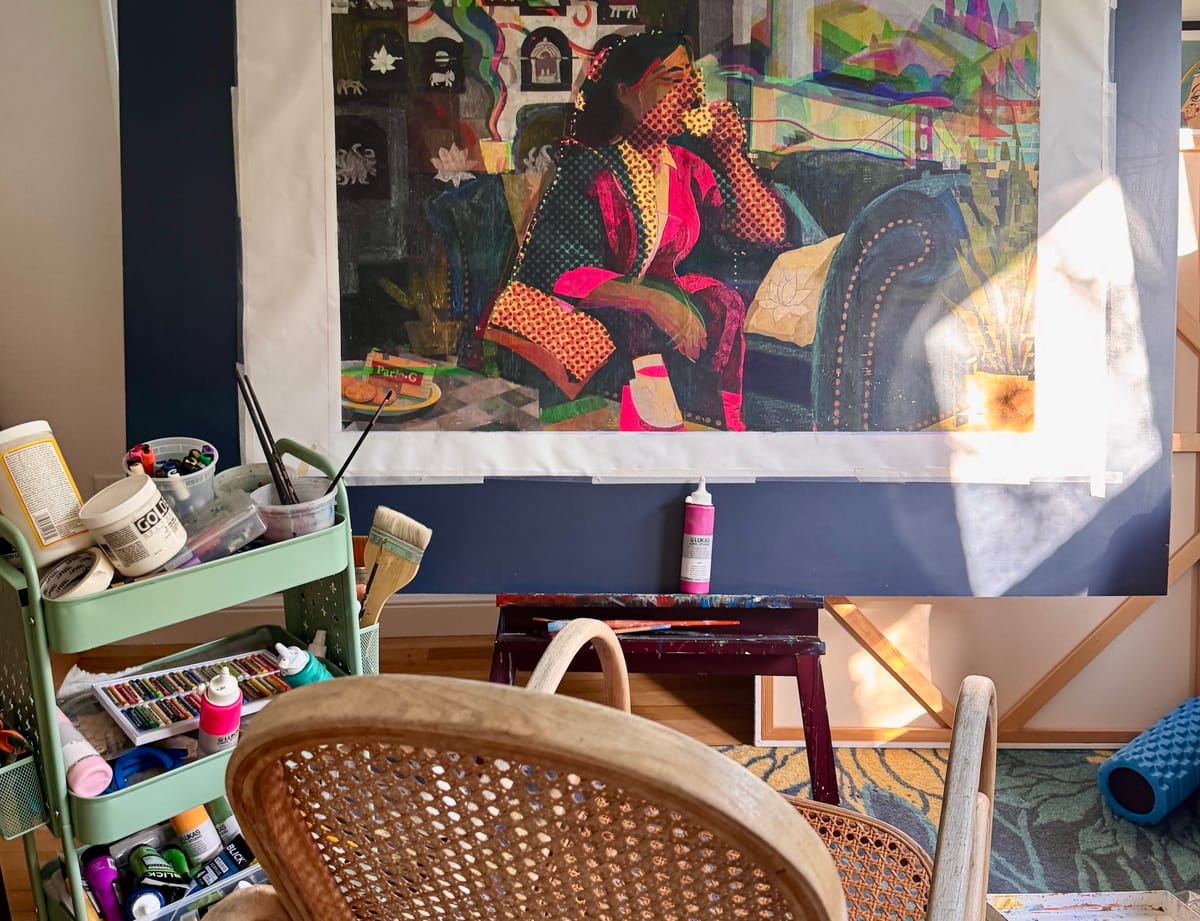
fromHyperallergic
3 weeks agoEmbracing Friction in the Art World
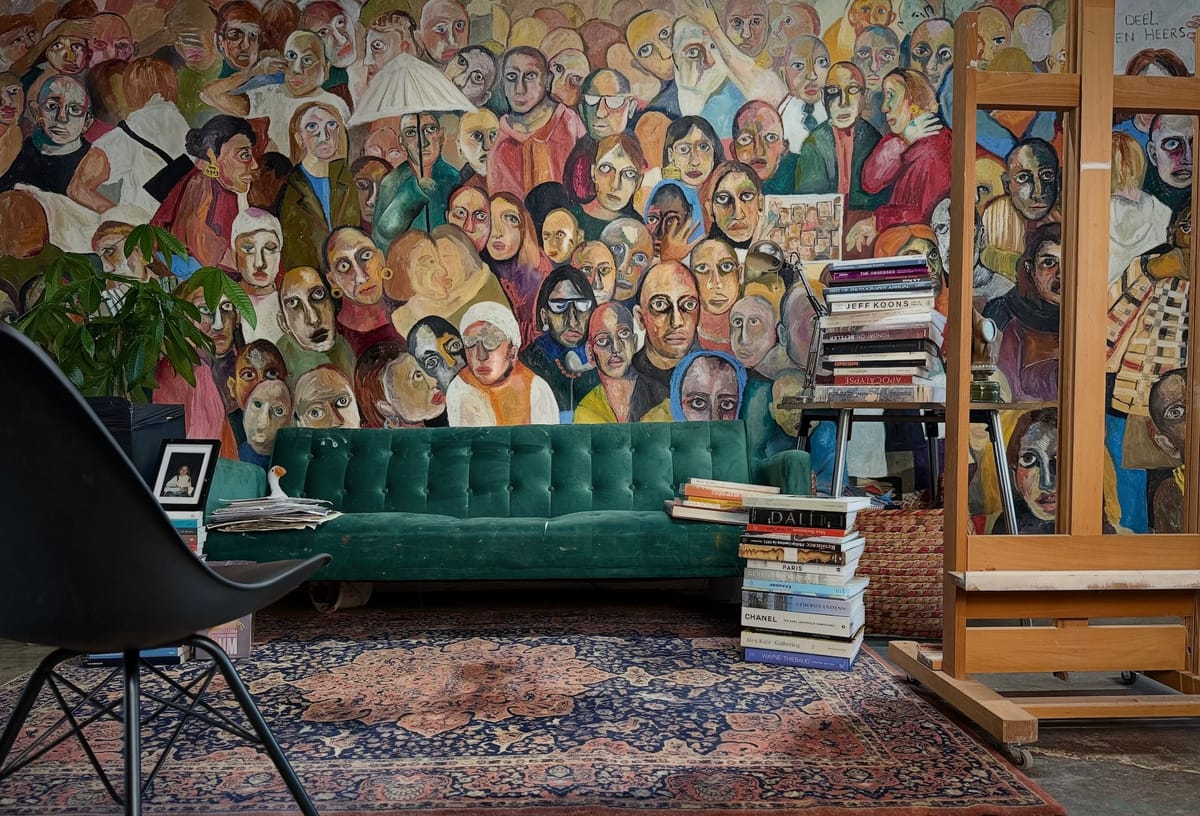
On Franklin Street in Brooklyn's Greenpoint neighborhood, one non-commercial gallery fosters 'a small, stubbornly human space for friction.' Friction—the ubiquitous buzzword that captures the simultaneous delight and discomfort of doing things the slow way—is at the heart of artists Pap Souleye Fall and Char Jeré's current show at Subtitled NYC. It also reflects the overall spirit of this little exhibition space and of a burgeoning movement to reject our culture of optimization in favor of a bumpier, more intimate, less alienating experience.
Arts
Arts
fromColossal
3 weeks agoLongevity and Obsoletion Impress Upon Alexander Endrullat's Intaglio Prints
Artist Alexander Endrullat creates prints by running discarded laptops through a century-old printing press, revealing device destruction and internal structures while commenting on consumption and planned obsolescence.
Arts
fromHyperallergic
3 weeks agoMerging Craft Practices and New Media at the Museum of Craft and Design
Video Craft exhibition explores how video, film, and early moving image technologies share formal and technical properties with traditional craft media like ceramics, textiles, and glass through encoding, looping, and sampling.
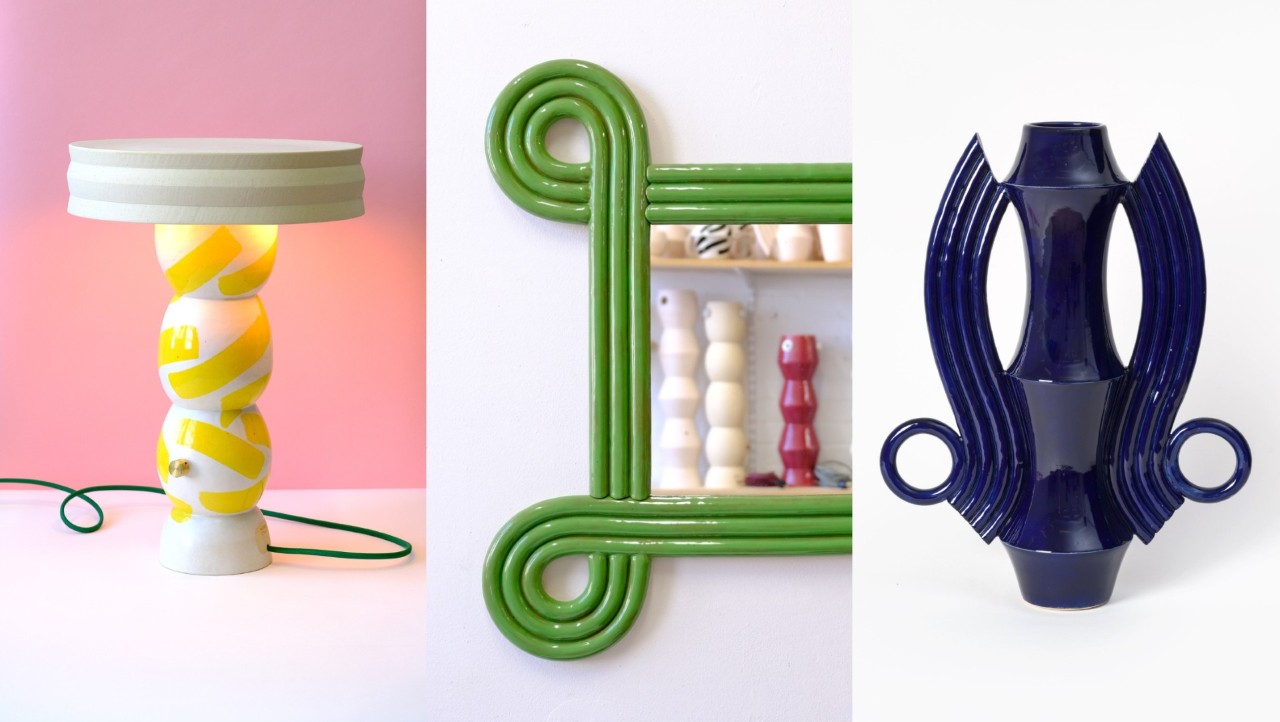


fromArtnet News
1 month agoHow Creative Studio Ten X Reimagined an Ancient Bodhisattva Sculpture
The bodhisattva motif is a popular one in East Asian art and represents an enlightened being who has deferred their entrance into nirvana to instead guide others toward redemption and deliverance. The bodhisattva form is often identifiable through its opulent adornment and serene and contemplative posture, frequently shown with a hand touching their temple as a sign of meditation.
Arts
Arts
fromwww.theguardian.com
1 month agoThe Guardian view on an explosion of solo exhibitions by women: move over old masters | Editorial
Major UK art institutions are finally increasing exhibitions of female artists after decades of severe underrepresentation, marking a significant shift from historical gender disparities in museum programming.
Arts
fromThe Art Newspaper - International art news and events
1 month agoIn Pictures: Sculpture gets a leg up at Frieze Los Angeles
Contemporary artists showcase innovative sculptural works at art fairs, blending traditional materials with conceptual themes and attracting significant collector interest.
fromdesignyoutrust.com
2 months agoArtist Reshapes Walls And Spaces With Explosive Typographic Murals That Turn Buildings Into Giant, 3D Messages
Beautiful And Detailed Paintings In Resin By Feif Dong The Illustrator Has Created a Dreamy World that She Travels Through with Her Boyfriend Elspeth McLean Creates Beautiful Hand-Painted Stones This Artist Creates Beautifully Bizarre Backpacks That Look Like Octopus, Spiders, And Beetles Amazing Surreal And Tribal Backpacks By Konstantin Kofta Saddened By The Empty Streets Of Budapest During Lockdown, This Artist Filled The City With People From Classical Paintings UK Artist Unveils COVID-19 Glass Sculpture, One Million Times The Size Of The Virus
Arts
Arts
fromdesignyoutrust.com
2 months agoArtist Paints Smoky Lounges And Quiet Strangers, Letting Halffinished Details Turn Viewers Into Coauthors Of The Scene
A wide-ranging visual roundup showcases creative reinterpretations, vintage design, activist art, photography, illustration, and humorous cultural works spanning contemporary and historical styles.
Arts
fromThe Art Newspaper - International art news and events
2 months agoComment | Art and science rely on freedom of thought-and on each other
Art and science are complementary, interconnected ways of understanding the world that inspire each other and require mutual support, especially amid funding cuts.
fromColossal
2 months agoLuftwerk Transforms Paint and Aluminum into Radiant Explorations of Sunlight
Topped with a roof shaped like a crabshell, Le Corbusier's Chapelle Notre-Dame-du-Haut is a sanctuary amid the French mountainside. The 1955 construction rests atop a hill in Ronchamp, standing unobstructed by the otherwise forested inclines. As the sun rises and falls, light filters in through the mélange of rectangular windows tinted to cast streams of color around the space. The stained glass apertures of Le Corbusier's modernist chapel are a clear reference point for Luftwerk's "Open Frame."
Arts
fromdesignboom | architecture & design magazine
2 months agothousands of recycled CDs form reflective vertical sculptures in tara donovan's stratagems
Tara Donovan presents Stratagems at the Institute of Contemporary Art San Francisco (ICA SF), at the Transamerica Pyramid Center, installing a group of vertically oriented sculptures made entirely from thousands of recycled CDs. On view until July 31st, 2026, the exhibition is installed within the transparent Annex space. Stratagems enters into a deliberate exchange with the Transamerica Pyramid itself. The sculptures echo the skyscraper's verticality and reflective skin, while their recycled material introduces a counterpoint to the monumentality of the building.
Arts
fromHyperallergic
1 month agoTeaching Children Taught Me How to Be an Artist
At the end of November of 2011, I saw my dad take his last breath. I came back to the United States after participating in all the death-related rituals that helped organize my pain in México. New York City was not a place to live my mourning, and right around December of the same year, I felt an intense longing to become small again. I needed to work with children.
Arts
fromHyperallergic
1 month agoA View From the Easel
The studio is at my house within a ranch, surrounded by nature. It's on the second floor of the house, where there's better light. My routine all day shifts between studio work and housework, including outdoor garden work. I get up a bit before 7am, drink coffee in the yard, and get morning sunshine. Then my husband and I eat breakfast and do a bit of cleaning or some chores in the garden.
Arts
Arts
fromThe Art Newspaper - International art news and events
2 months agoComment | We are living in an age of bad painting-the medium must be challenged to stay interesting
Contemporary painting shows a widespread trend of complacent, market-driven, and poorly executed works that often lack urgency and substantive engagement.
[ Load more ]