#shallots
#shallots
[ follow ]
#flavor-enhancement #cooking-tips #cooking-techniques #cooking #recipes #gardening #nutrition #cabbage #salmon
LA food
fromTasting Table
4 days agoJulia Child Bolstered Lasagna's Flavor With An Unexpected Citrus Ingredient - Tasting Table
Julia Child revolutionized lasagna with her unique recipe, incorporating unconventional ingredients like dried orange peel and saffron, challenging traditional Italian cuisine.
fromTasting Table
2 weeks agoWhy Bell Peppers Sometimes Hide A Tiny Baby Pepper Inside - Tasting Table
This mini pepper is technically known as an internal proliferation, and is due to a natural process called parthenocarpy. Parthenocarpy is when any fruit develops without fertilization, and in the case of bell peppers, it results in these small internal tissue growths. Although it can have the same shape and look like a regular pepper, if you cut open this mini pepper, you'll find it's completely seedless.
SF food
Food & drink
fromTasting Table
2 weeks agoI Tried 9 Spices From Target. Here Are The Ones I'd Buy Again - Tasting Table
Good & Gather ground cinnamon and paprika offer adequate quality for baking and cooking, with cinnamon being particularly suitable for pastries while paprika adds color without strong flavor impact.

fromTasting Table
2 weeks agoThe Absolute Best Way To Store Green Garlic To Keep It Fresh And Crisp - Tasting Table
Moisture is your best bet for keeping green garlic fresh and crisp long enough to elevate your dishes throughout the week. Just wrap it in a damp paper towel before placing it in a plastic bag for fridge storage (the crisper drawer should work). These steps should last it for about five to seven days.
Everyday cooking
fromBon Appetit
12 years ago31 Spring Side Dishes to Brighten Any Meal
One lap around the farmers market is enough to inspire spring vegetable recipes that make the most of thick stalks of asparagus, perky pink radishes, purple-streaked spring onions, tender sweet peas, thin-skinned new potatoes, and more.
Everyday cooking
fromBon Appetit
9 years agoWhat to Cook When You're Stuck Between Winter and Spring
Cooking during late March can be particularly challenging due to the cold weather and lack of fresh produce. The desire for spring recipes clashes with the reality of winter ingredients still dominating the market.
Cooking
fromEpicurious
8 years ago31 Cashew Recipes That Go Beyond the Snack Bowl
Soaked and blended, cashews become a stand-in for heavy cream, keeping stuffed shells, soups, pasta sauces, and desserts luxuriously dairy-free. Toasted and roughly chopped, they add crunch to salads, curries, stir-fries, and more. There are so many reasons to love cooking with these seeds-that's right, "cashew nut" is technically a misnomer, since they grow outside the fruit rather than inside a hard shell like true nuts.
Food & drink
Cooking
fromTasting Table
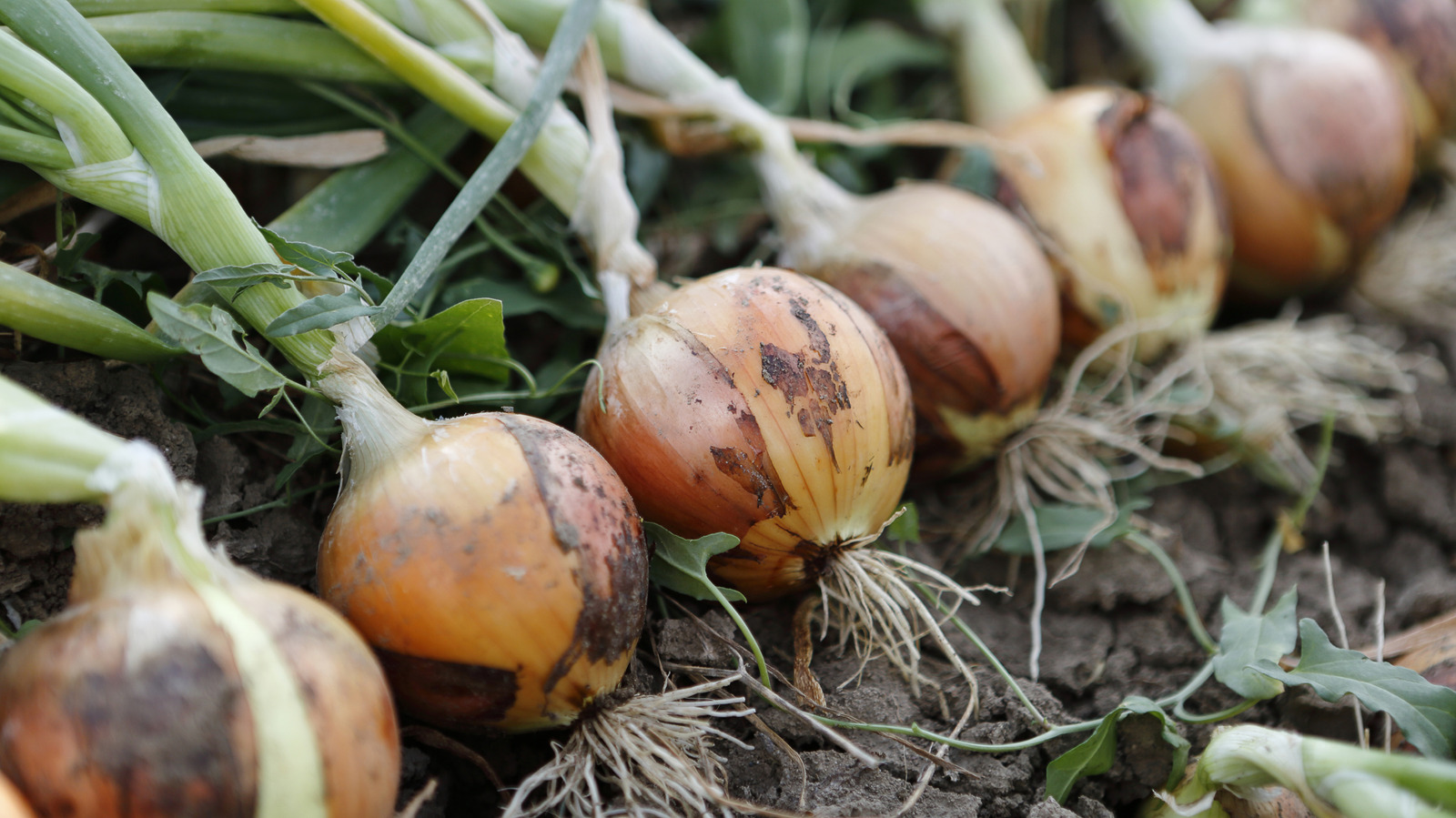
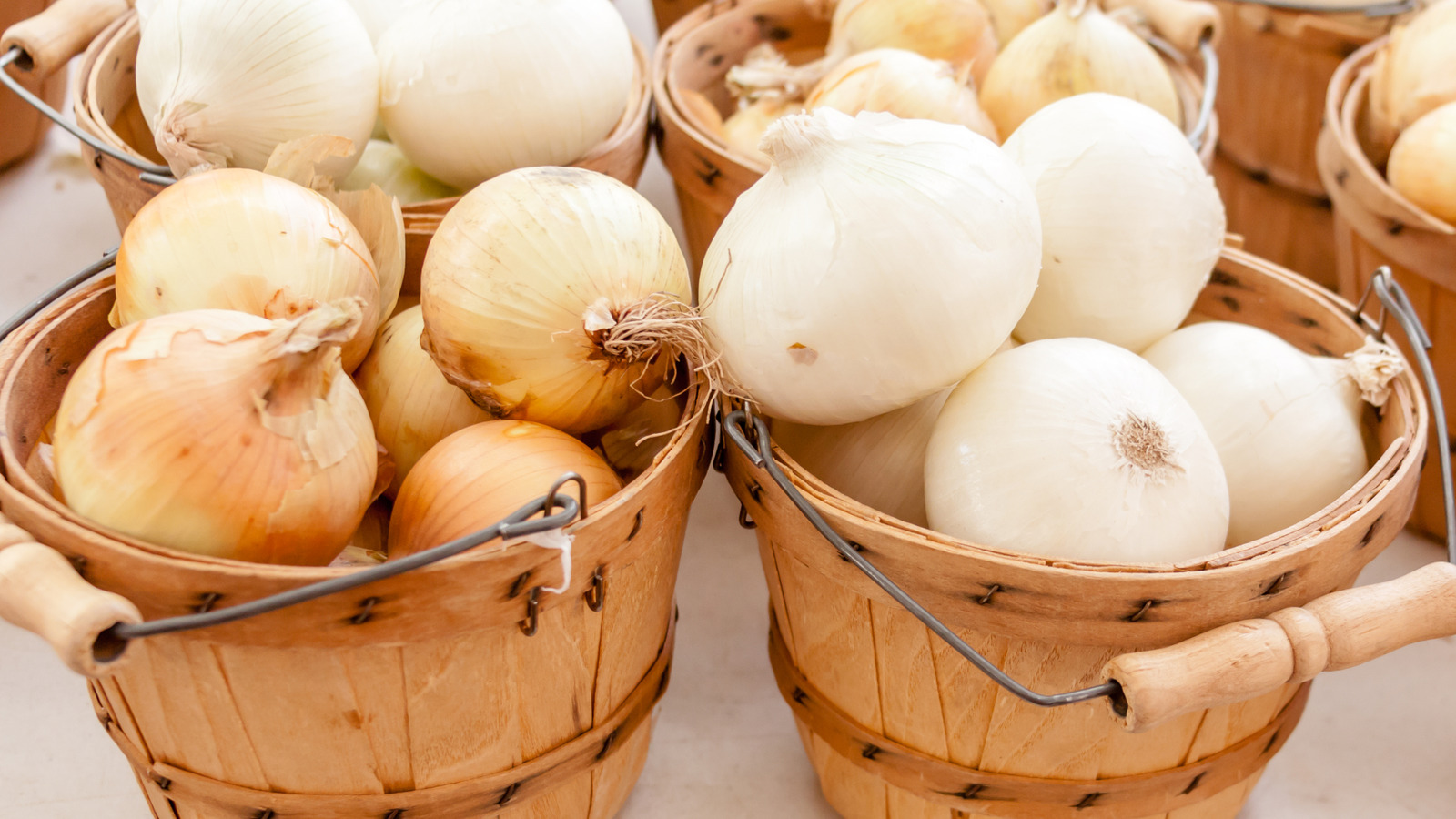
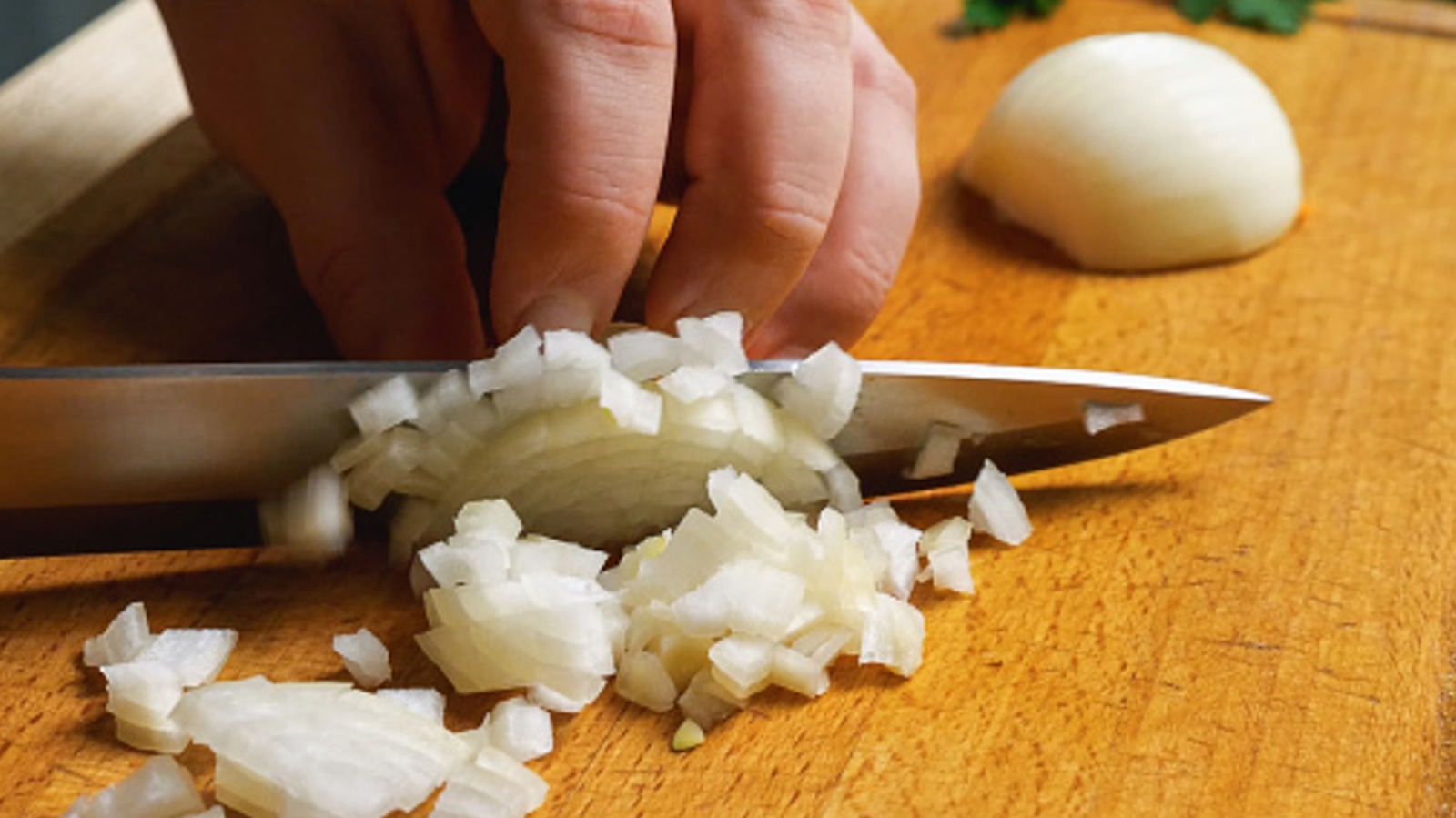
2 weeks agoForget Caramelized Onions: Onion Confit Makes The Best Topping For Virtually Anything - Tasting Table
Onion confit is a French jam-like topping made by simmering sliced onions with butter, oil, vinegar, and aromatics for 30-40 minutes, creating a smooth, tangy flavor superior to caramelized onions.
Cooking
fromTasting Table
2 weeks ago14 Mistakes Everyone Makes With Cauliflower - Tasting Table
Proper cooking techniques transform cauliflower from mushy and rubbery into flavorful and tender; avoiding common mistakes like microwave steaming and using stovetop steamers preserves nutrients and natural flavors.
Cooking
fromTasting Table
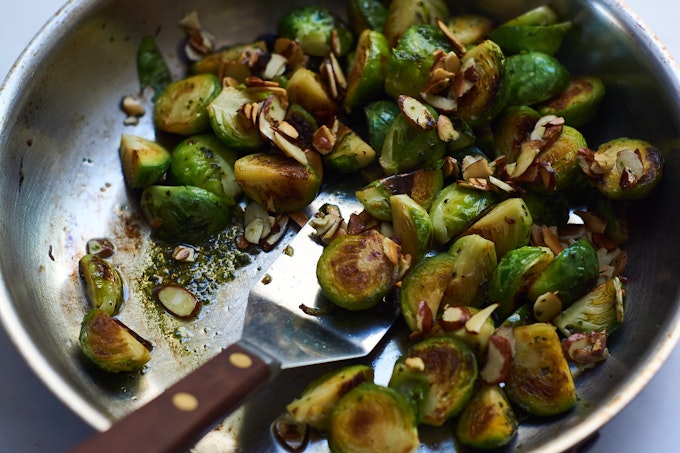
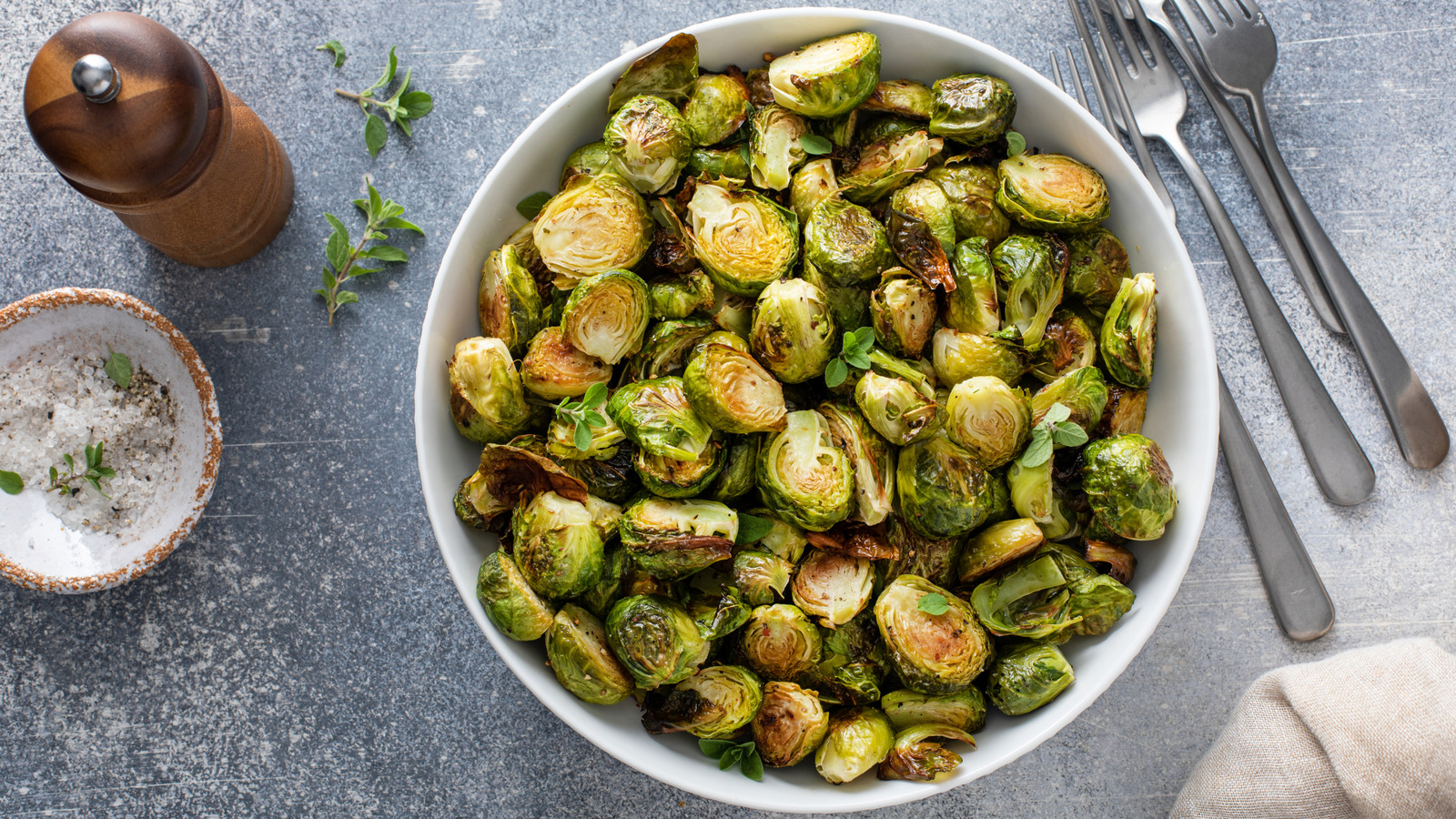
2 weeks agoAlton Brown's Foolproof Way To Make Brussels Sprouts Taste Incredible - Tasting Table
Chef Alton Brown's bacon and Brussels sprouts recipe combines roasted vegetables with bacon fat, Dijon mustard, and maple syrup to create a dish that appeals to vegetable-averse diners.
Cooking
fromwww.theguardian.com
3 weeks agoPerfect chopped chives are a status symbol for chefs. Can I learn to master green confetti'?
Properly chopped chives serve as a foundational culinary skill and indicator of overall kitchen excellence, with an Instagram account dedicated to rating chive-cutting technique attracting thousands of professional chefs.
fromTasting Table
2 months agoOnce-Popular Parsnips Didn't Fail As A Vegetable - They're Just Easy To Ruin - Tasting Table
Parsnips' signature sweet, nutty flavor comes from their cold-weather cultivation. That subterranean freeze is what converts the roots' starches into sugars as the veggie grows underground. This is also why spring-harvested parsnips tend to be sweetest, although parsnips can be harvested during the fall and winter months, too. Fall- and winter-harvested parsnips feature a firmer texture and earthier, subtly bitter tasting profile.
Food & drink


fromTasting Table
1 month agoThe Simple Trick For Substituting Coriander With Cumin - Tasting Table
Coriander and cumin aren't direct substitutes. Cumin is more pungent and earthy, so if used in place of coriander, I recommend using about half the amount and adding a touch of citrus zest or fennel seed to restore brightness.
Cooking
fromA Couple Cooks
1 month agoGreen Beans Almondine Is the Best Fancy-But-Simple Side
But make it at home, and this dish is brilliant! The beans are bright green and perfectly tender, sautéed in butter with garlic and toasted almonds and finished with a little lemon zest. After one bite, we were singing its praises: then finished off the entire platter. It quickly jumped to the top of my favorite green bean dishes (like this salad and this simple side).
Cooking
fromTasting Table
2 months agoI Tried 6 Different Ways To Caramelize Onions. This One Was The Best. - Tasting Table
In this review, I'll provide instructions on how to use the stovetop, oven, Instant Pot, and air fryer to prepare caramelized onions in six different ways, using nothing more than butter, salt, onions, and sometimes vegetable broth. Although you can achieve shockingly good caramelized onions with a variety of ingredients like brown sugar, alcohol, and balsamic vinegar, I kept things simple so that I could better evaluate the flavor and texture of the onions themselves.
Cooking
fromTasting Table
2 months agoStop Throwing Away Garlic Peels - They Belong In Your Soup Pot Instead - Tasting Table
Now, on their own, right after you peel them off the cloves, garlic skins don't make a great snack. Technically you can eat them, but the tough, fibrous texture isn't exactly something that you'll look forward to either chewing on or choking down. If you do sample a bit, however, you will notice that despite seeming like a useless bit of waste all this time, these peels actually do contain a lot of flavor.
Cooking
fromwww.ocregister.com
1 month agoRecipes: Make these 3 delicious dishes with fresh mushrooms
Don't be intimidated by fresh mushrooms. They are prized for their flavor and versatility. Look for firm mushrooms that are free of soft spots or mold. Wash them just before using them but be sure to store them unwashed. Never submerge in water to wash them because mushrooms absorb like a sponge and become mushy. Wipe with moist paper towels. Some prefer to clean them with a soft-bristled mushroom brush. If extremely dirty, they can be very briefly dunked into cold water and wiped dry.
Cooking
fromBon Appetit
2 months agoBeans and Greens With Halloumi Cheese Crumbles
Dynamic duo beans and greens come together again in this pantry-friendly soup. Toasted garlic, tomato paste, and smoked paprika boost store-bought vegetable stock (use a base like Better Than Bouillon for superior potency) into a rich broth. Chickpeas and Swiss chard hang on to their texture in the brew, but use whichever white beans and hearty greens speak to you.
Cooking
fromBon Appetit
2 months agoHarissa Scampi
This recipe is fairly simple, but it does require you to use your judgment when adjusting the balance of flavors among the wine's acidity, the butter, and the salt you season with at the end. Not to mention the heat from the harissa, depending on the brand you use. Harissa adds a layer of nuance, offering added body and warmth from spices such as caraway and cumin.
Cooking
[ Load more ]