#site-regeneration
#site-regeneration
[ follow ]
#sustainability #architecture #climate-change #gardening #new-york-city #environment #urban-planning
#climate-change
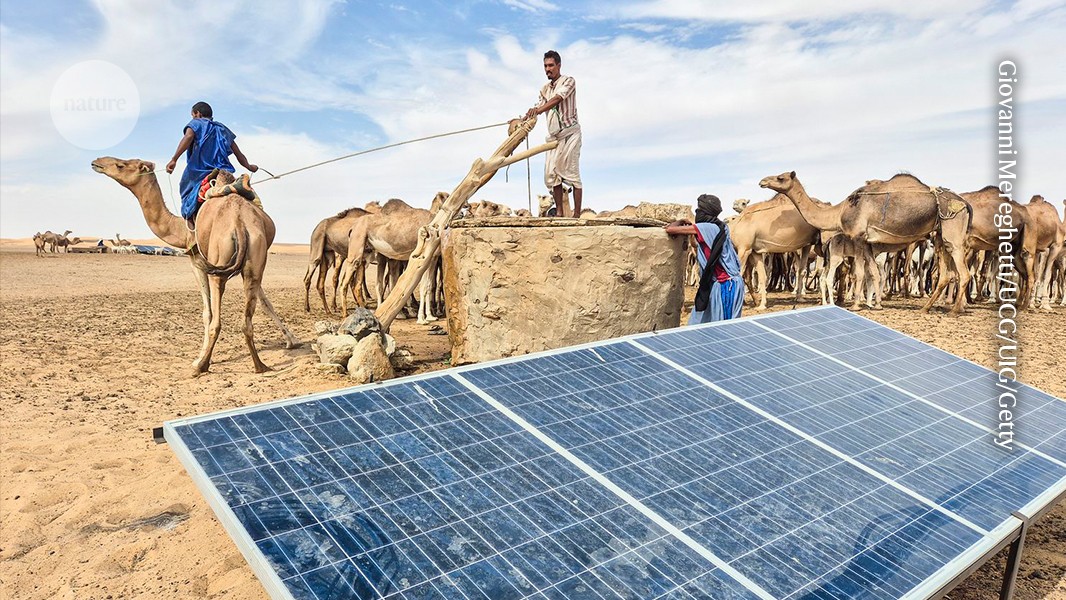


Online Community Development
fromInside Higher Ed | Higher Education News, Events and Jobs
1 day agoA Town-Gown Partnership Focused on Climate Resilience
Agnes Scott College collaborates with Decatur to address climate change through a joint Climate Resilience Plan, focusing on sustainability and community engagement.
fromArchitectural Digest
15 hours agoOutdoor Planters That Aren't So...Concrete
Bergs Potter takes the cake for me, closely followed by the majolica-like planters at Williams-Sonoma and a few stylish designs from Ferm Living and Pottery Barn. These planters lean home decor over plastic planters, making them weather-resistant, durable pieces even on a wind-whipped balcony or hurricane-sacked home garden.
NYC food
Design
fromdesignboom | architecture & design magazine
15 hours agomud, bamboo, and tin craft a climate-responsive vernacular home in rural bangladesh
The Vernacular Home in Bangladesh utilizes local materials and techniques for climate-responsive design, emphasizing sustainability and cultural continuity.
fromHell Gate
22 hours agoRandy Mastro Truly Gutted Compost Collection
In April 2025, New York City got serious about composting, as the Department of Sanitation implemented its first-ever mandatory curbside composting program. The program aimed to divert food and yard waste generated in residential buildings from landfills, as organic materials make up a third of the City's waste stream.
Podcast




fromwww.theguardian.com
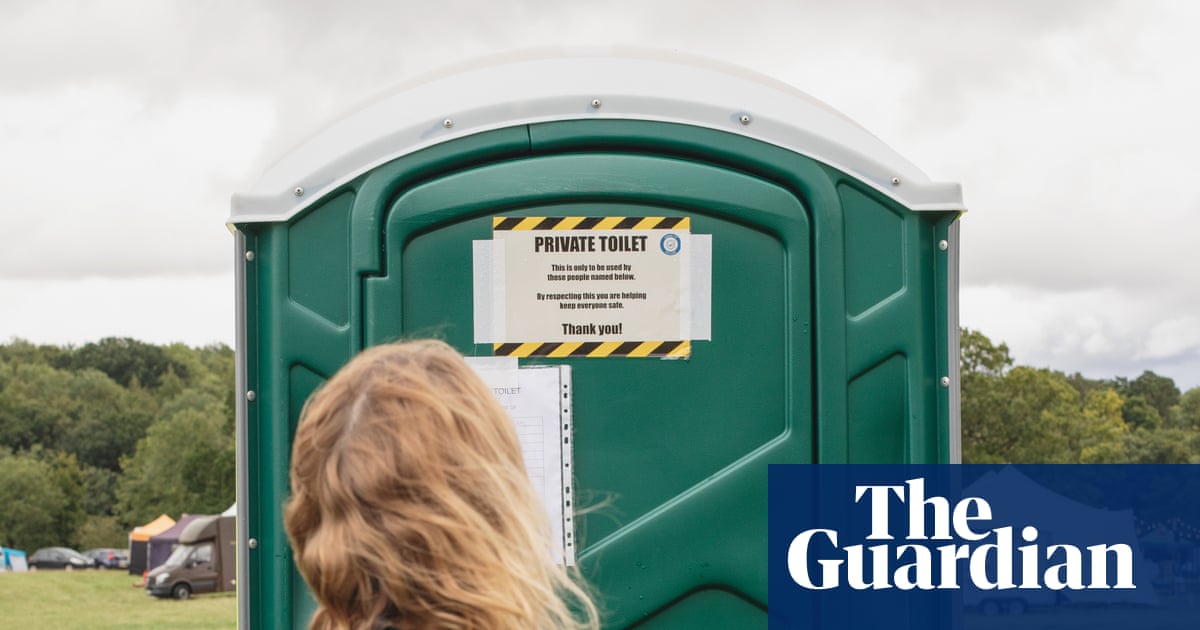
3 hours agoHouseplant hacks: do eggshells deter fungus gnats from laying eggs?
Crushed clean, dry eggshells, when scattered over the soil, are intended to stop adult gnats from laying eggs and potentially add natural fertilizer. However, they merely sit on the surface, collecting dust, while the gnats remain attracted to the damp compost.
Renovation
#biomimicry
Design
fromYanko Design - Modern Industrial Design News
6 days agoBiomimetic Architecture Reaches New Heights With This Bird-of-Paradise Yoga Space - Yanko Design
Thilina Liyanage's architecture translates animal gestures into functional designs, exemplified by the Rifle Bird Yogashala inspired by the Victoria's riflebird's courtship display.
Renovation
fromYanko Design - Modern Industrial Design News
1 day agoHow Architects Turned a Postwar London Terrace Into an Open-Plan Home Without Touching the Facade - Yanko Design
Islington houses are redesigned to create open, continuous spaces while maintaining the original facade and architectural integrity.
fromwww.theguardian.com
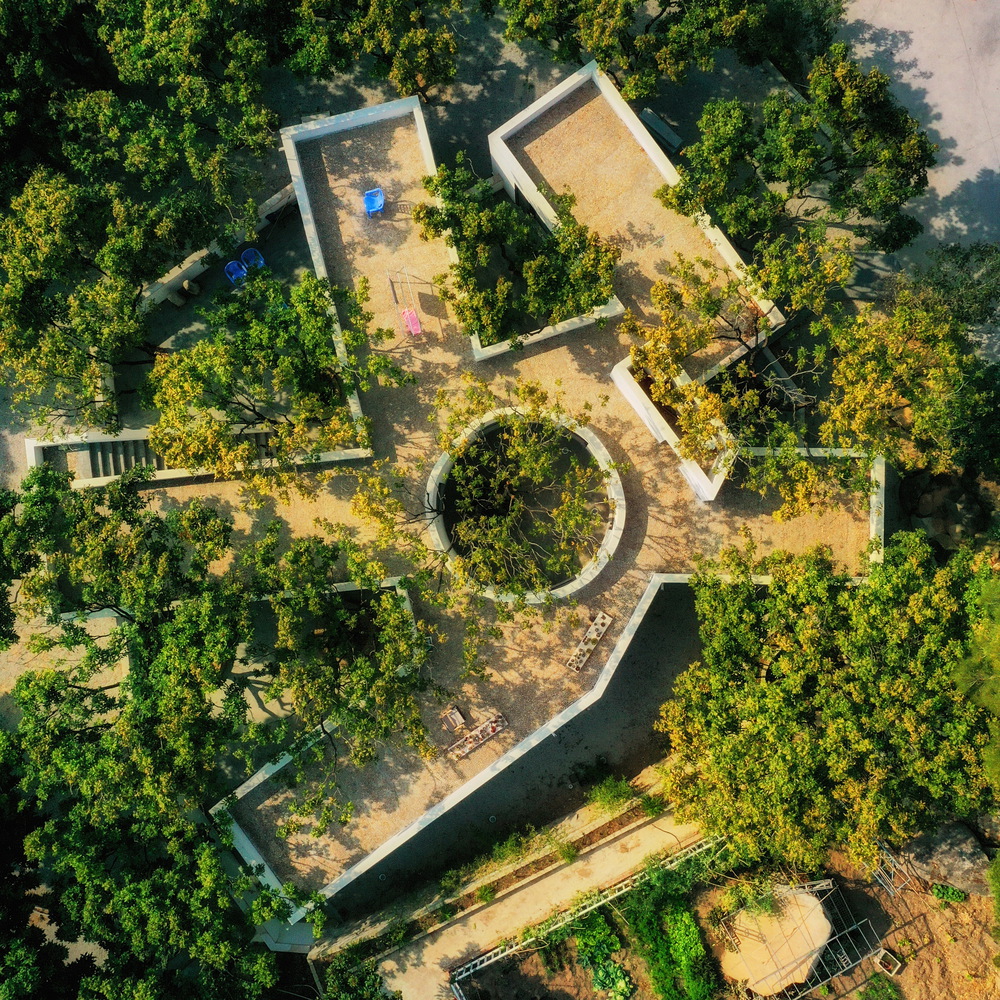
3 weeks agoSmall changes in how we garden can make a big difference to birds | Letter
Around a third of UK gardeners use pesticides, and our studies found that house sparrow numbers, for example, were nearly 40% lower in gardens where the pesticide metaldehyde was used. By reducing pesticide use, you can actively encourage birds back into your outdoor spaces, as they rely on invertebrates such as slugs and snails as natural prey.
Pets
fromArchDaily
4 days agoColdefy Leads Winning Masterplan to Transform Budapest Brownfield into Rewilded Urban District
The regeneration plan includes over 10,000 apartments, new transportation links, and commercial and civic spaces, forming a comprehensive urban redevelopment strategy aligned with 15-minute city principles.
Renovation
Alternative transportation
fromStreetsblog
2 weeks agoWhy Some Congresspeople Want to Go Big on Greenways - Streetsblog USA
The Parks to People Act proposes $300 million in federal funding for walking and biking infrastructure as essential transportation tools, despite political opposition dismissing them as distractions.
fromwww.bbc.com
2 weeks agoCampaigners celebrate after new town plans dropped
Campaigner Aysha Hawcutt stated that residents were 'not anti-homes', but believed the Adlington plan was 'the wrong proposal in the wrong place'. She expressed pride in the community's resilience against the development threats.
London politics
Brooklyn
fromBrownstoner
2 weeks agoRestoration Work in Prospect Park's The Vale Kicks Off
An eight-acre section of Prospect Park undergoes a $37.5 million restoration project, the largest capital investment in over a decade, transforming a neglected area into an accessible nature-focused retreat by 2027.
Miscellaneous
fromArchDaily
1 month ago7 Unbuilt Masterplans Reimagining Urban Futures Through Ecology and Collective Space
Unbuilt urban masterplans explore adaptive spatial frameworks that recalibrate mobility, ecology, and collective life through climate-responsive design and public space integration across diverse global contexts.
#urban-ecology
Agriculture
fromdesignboom | architecture & design magazine
2 weeks agourban rewilding in practice: restoring london's heathland for humans, sheep, and ecology
Sheep grazing is proposed to regenerate urban heathland ecology, creating a continuous ecological corridor that supports both human and non-human systems.
Agriculture
fromdesignboom | architecture & design magazine
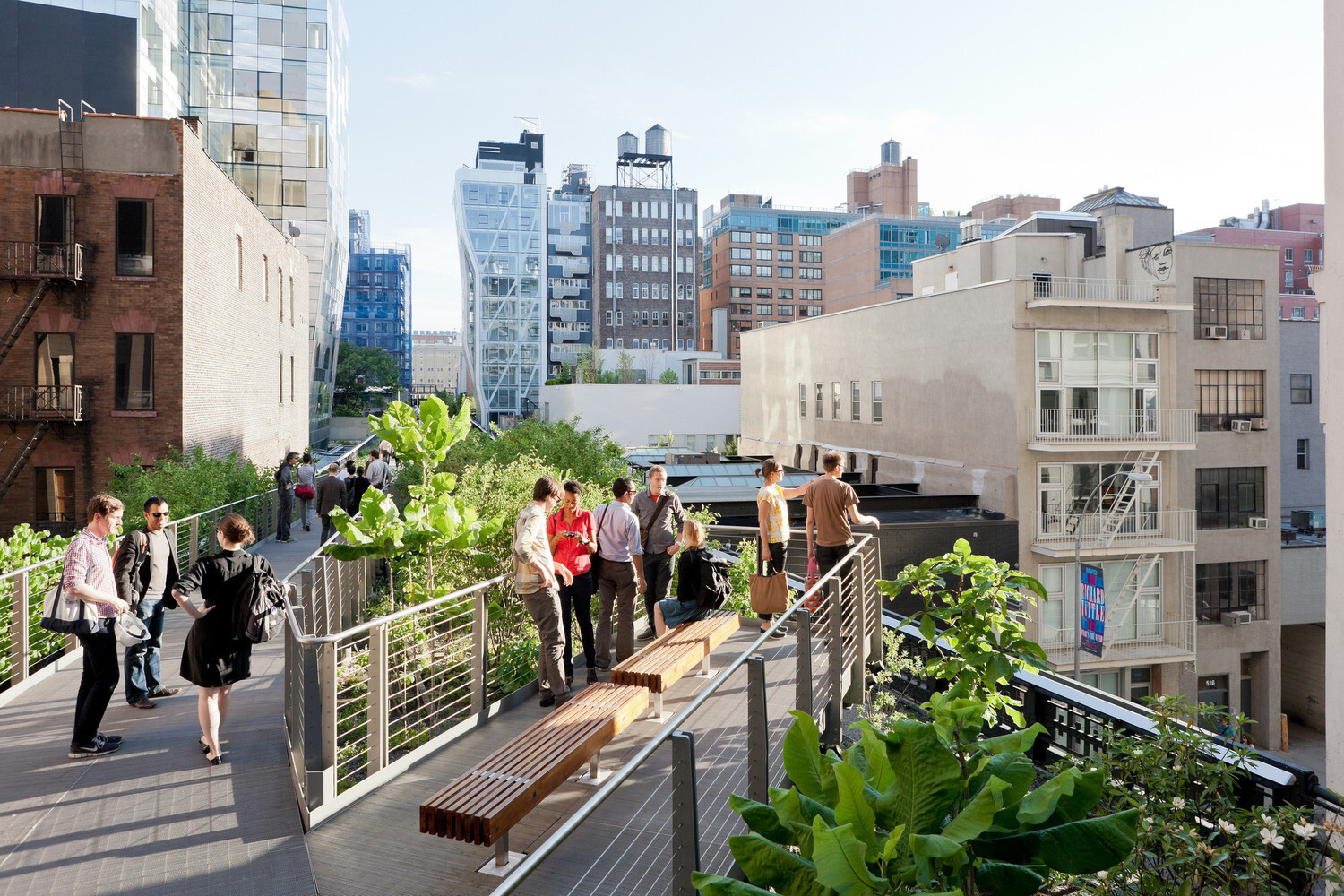
2 weeks agourban rewilding in practice: restoring london's heathland for humans, sheep, and ecology
Sheep grazing is proposed to regenerate urban heathland ecology, creating a continuous ecological corridor that supports both human and non-human systems.
Brooklyn
fromTime Out New York
1 month agoTen NYC parks across all five boroughs are getting upgrades
New York City will invest $50 million to upgrade 10 neighborhood parks across all five boroughs that have lacked meaningful improvements for at least 20 years, benefiting over 116,500 residents in historically underserved communities.
fromdesignboom | architecture & design magazine
2 weeks agobionic tumbleweed ball heals damaged lands as it rolls around and plants seeds
The Wasteland Nomad is built from biochar and seeds of indigenous plants, which are both biodegradable materials. Biochar works like a sponge inside the soil, as it holds water, gives microbes a surface to live on, and locks carbon into the ground instead of letting it escape into the air.
Design
Environment
fromwww.theguardian.com
2 weeks agoEngland should give over 7% of land to nature and renewables to meet environmental targets, data shows
England must allocate 7% of its land to nature, forests, and renewable energy to meet environmental targets while maintaining food production and housing capacity.
Design
fromArchDaily
3 weeks agoRethinking Architecture at the Scale of Planetary Systems
Contemporary architecture operates within interconnected technological systems—energy networks, data infrastructures, and global logistics—that fundamentally shape what can be built, its affordability, performance, and waste production.
Real estate
fromwww.theguardian.com
2 months agoGreen spaces should be the norm for all new housing developments in England, guidelines say
New government guidelines recommend mixed-use, heritage-preserving, nature-inclusive neighbourhood developments with shops, schools, green spaces and flood protection as standard for new housing developments.
fromwww.dw.com
2 months agoThe city that swapped parking for green space
Though they're individually tiny, parking spots quietly play a dominant role in shaping urban landscapes. Most US cities dedicate at least 25% of their developable land to them. Some, even more. That land usage doesn't only determine the way a city looks. It also means covering large swathes of urban areas in heat-absorbing asphalt, which contributes to making summers hotter and heightens the risk of flooding since it prevents drainage during storms and heavy rainfall.
Miscellaneous
fromAeon
1 month agoIn solarpunk cities of the future, tech follows nature's lead | Aeon Essays
In Indra's Net of pearls and jewels, every gem reflects every other, a shimmering image of interdependence. This ancient Vedic metaphor for connection across the cosmos also illuminates what the environmental philosopher Glenn Albrecht first proposed in 2014as 'theSymbiocene': the era after the Anthropocene, in which human technologies take their cues from living systems and work in partnership rather than through dominance.
Philosophy
fromArchDaily
1 month agoHeritage Without Permanence: When Architecture Endures by Disappearing
A Gothic cathedral can take centuries to complete. A world exposition pavilion may stand for six months. A ritual structure in Kolkata rises and vanishes within five days. Yet each draws pilgrimage, shapes collective memory, and reorganizes urban life. If heritage has long been defined by what endures, architecture repeatedly shows that cultural authority can also belong to what gathers people.
Design
fromArchDaily
1 month agoShaping Architectural Continuity: 25 Revitalization Projects Across Historic, Industrial, and Natural Sites
Heritage sites constitute complex spatial archives in which architecture, history, and collective memory converge. They encompass a wide spectrum of contexts-from archaeological remains, ancient and historic townscapes, UNESCO-listed landscapes, to early modern civic structures and industrial infrastructures. Yet these environments confront challenges: climate change, urban transformation, disaster, shifting social needs, and the gradual erosion of material fabric. Revitalization and restoration projects respond to these conditions by positioning architectural and spatial practice as an active mediator between preservation and the contemporary topologies.
Renovation
fromArchDaily
2 months agoDesigning Streets Through the Lens of Care
Jane Jacobs was also one of the voices that challenged this predominantly rationalist logic, arguing that truly vibrant streets are those capable of sustaining the diversity of everyday life, its informal exchanges, and the forms of care and natural surveillance that emerge from them. What these authors share is a fundamental insight: streets are not merely infrastructures for circulation, but social ecosystems, shaped by the relationships, uses, and encounters that take place within them.
Design
[ Load more ]