#sleep-and-activity-tracking
#sleep-and-activity-tracking
[ follow ]
#sleep #wearable-technology #wearables #sleep-health #health-technology #health-monitoring #sleep-technology
Digital life
fromSilicon Canals
1 day agoPeople who check their phone within five minutes of waking up are training their brain to start every day in reaction mode - and it's costing them more than they realize - Silicon Canals
Starting the day with phone use can negatively impact mental state and set a stressful tone for the day.


fromWIRED
1 day agoGarmin's Latest Training Features Fend Off the Advances of the Apple Watch
Food logging can be done in a few ways, including searching a database, scanning barcodes, or using AI-based camera analysis. Simpler items like eggs and fruit are identified well, but complex meals can be frustrating due to lighting and AI limitations.
Wearables
fromGSMArena.com
1 week agoThe Ultrahuman Ring Pro is now available for pre-order in the US, here's how to get a 10% discount
The Ultrahuman Ring Pro builds on the Ultrahuman Ring Air's features with several key improvements, including an impressive battery life of up to 15 days, which is more than twice as long as the Air.
Mobile UX






fromGSMArena.com
1 month agoUltrahuman Ring Pro unveiled with 15-day battery life, improved sensors and processing
The Ultrahuman Ring Pro advertises up to 15 days of battery life. For comparison, the Ultrahuman Ring Air lasts 4-6 days on a charge according to official numbers. That's a massive upgrade but isn't the end of it either. The new ring comes with a new Pro Charger, which extends the ring's endurance up to 45 days.
Mobile UX
Wearables
fromZDNET
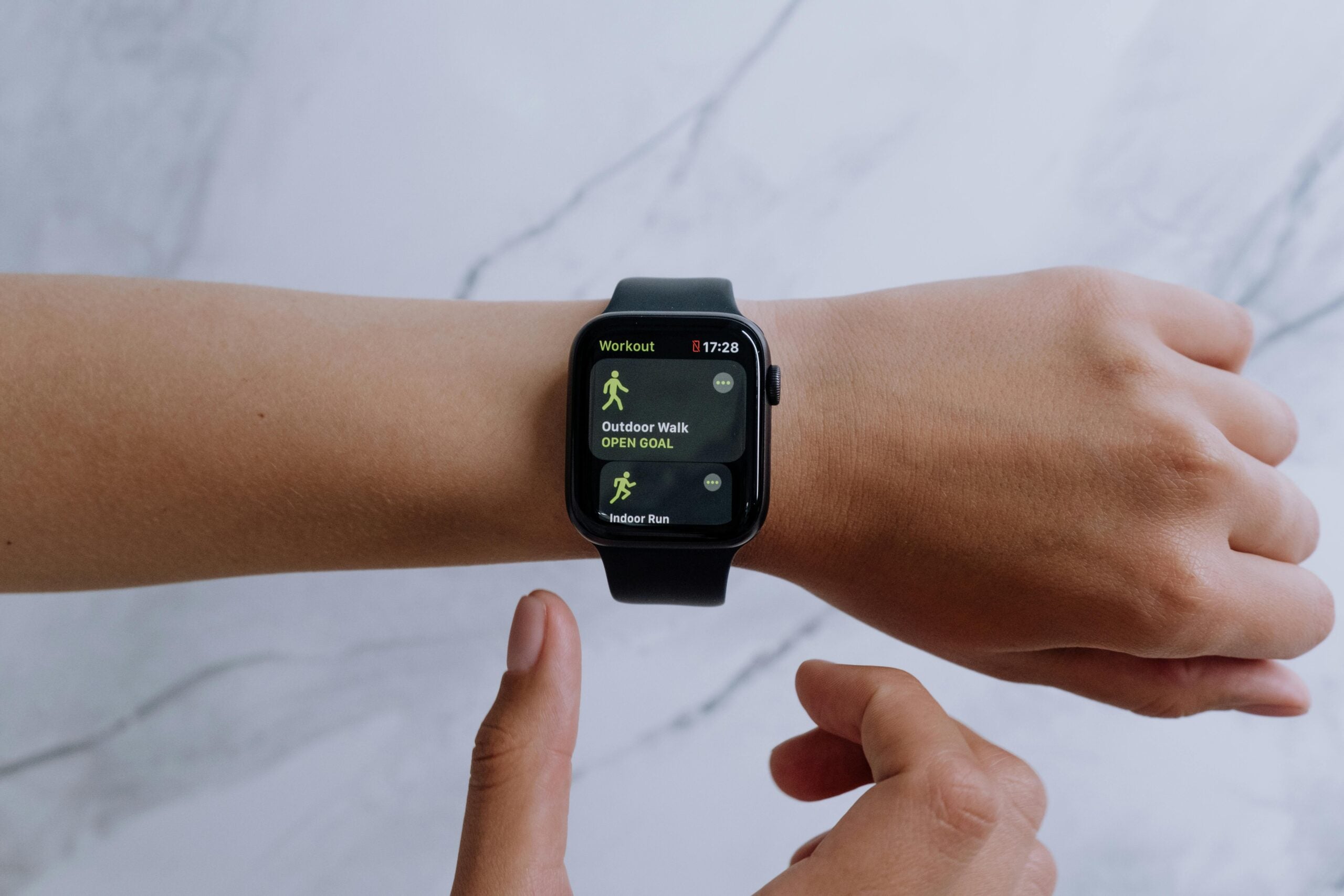
2 weeks agoI wore the Whoop 5.0 for a month - it combines the best of the Oura Ring and Apple Watch
Whoop launched the 5.0 and MG health trackers to reach broader consumers, featuring blood pressure monitoring, ECG detection, and clinician-reviewed blood testing through Advanced Labs.

#wearable-health-technology
Wearables
fromYanko Design - Modern Industrial Design News
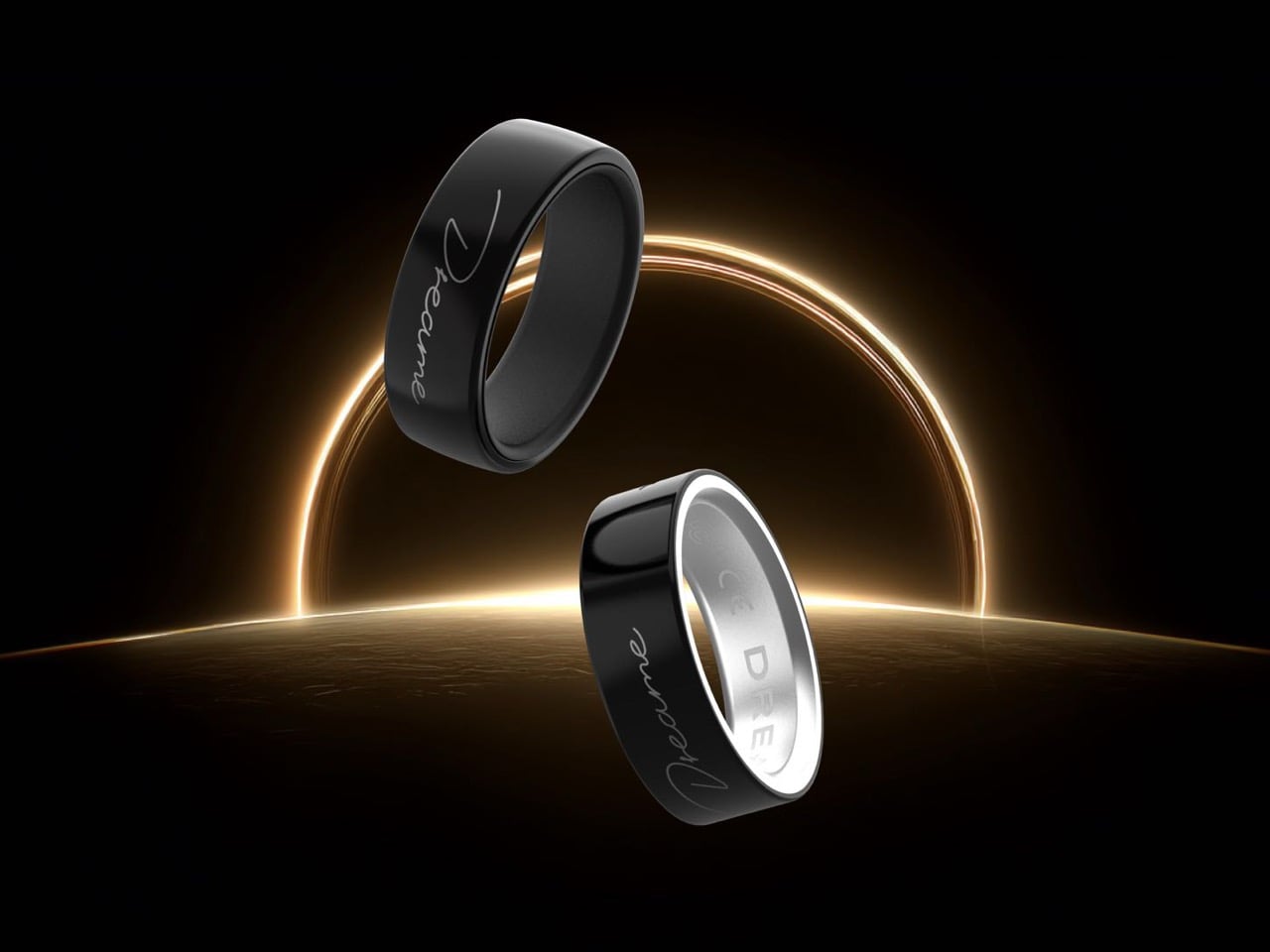
2 weeks agoThe $199 VITA RING Wakes You Up Mid-Apnea Before You Ever Know It Happened Thanks To AI Health Tracking - Yanko Design
Smart rings with week-long battery life enable continuous 24/7 health monitoring during sleep, capturing critical biometric data that smartwatches miss due to daily charging requirements.

fromPsychology Today
1 month agoWhen Sleep Banking May Be A Viable Strategy
Sleep banking is essentially extending your normal sleep hours in the nights leading up to a known period of sleep deprivation. On the face of it, it appears unlikely banking sleep could counter the decreased alertness and other cognitive decrements that we experience when deprived of sleep, or stop that strong sensation we get when our body wants sleep.
Health
Wellness
fromSilicon Canals
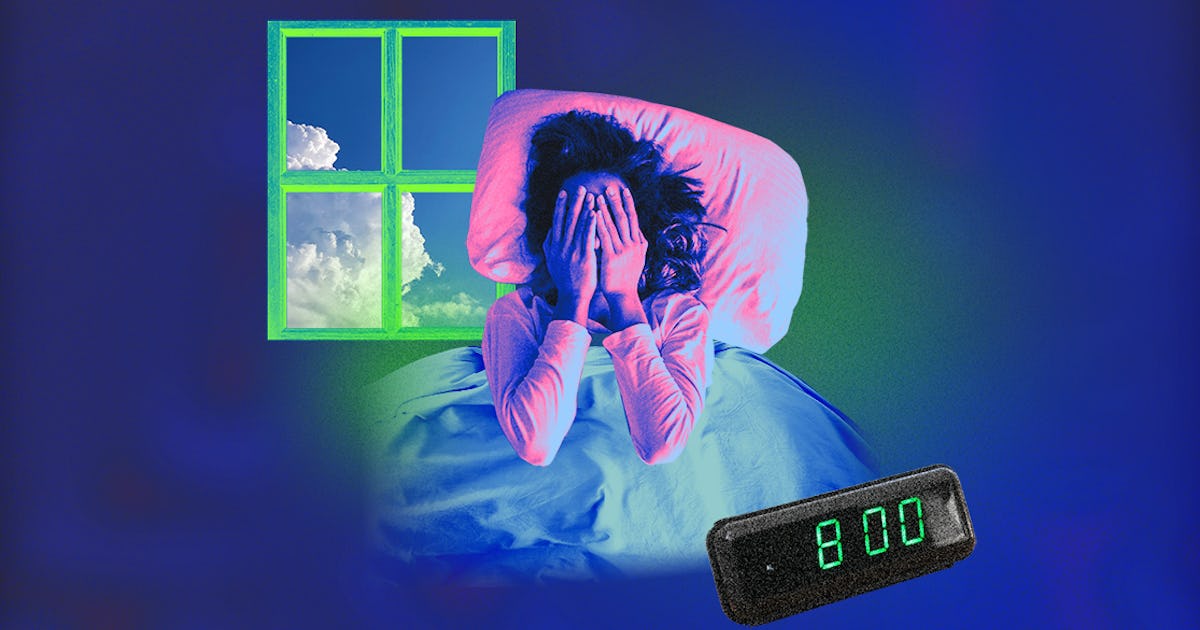
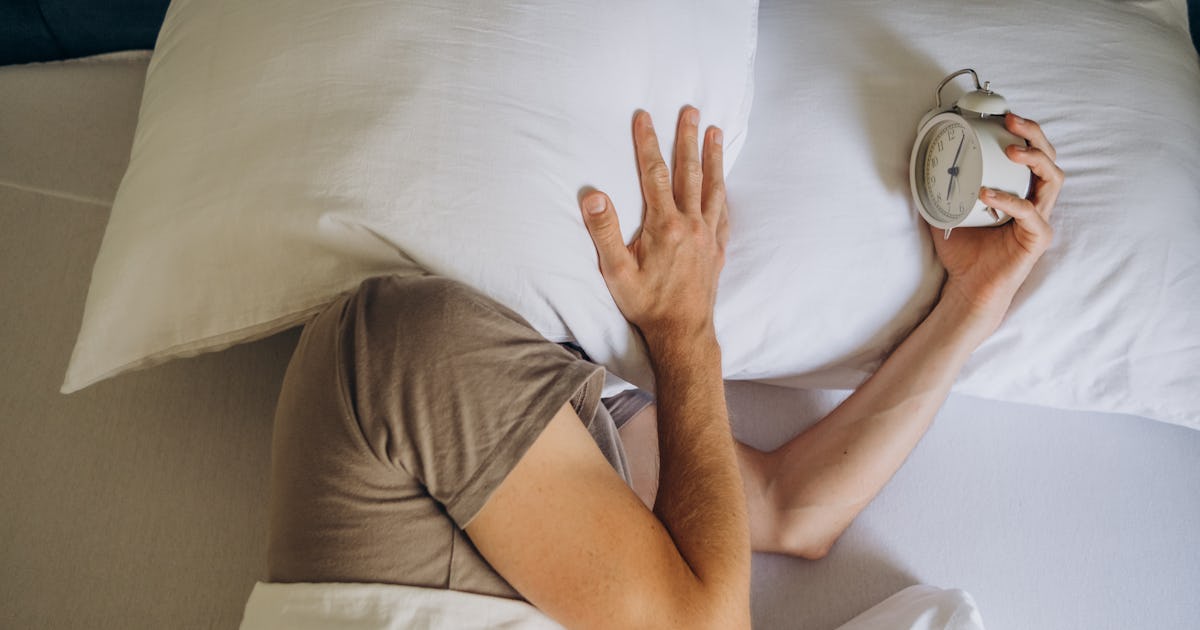
1 month agoIf you wake up exhausted even after 8 hours of sleep, your body might be trying to tell you something important - Silicon Canals
Eight hours of sleep does not guarantee restoration; sleep quality, stress-related hormone activity, environmental factors, and undiagnosed sleep disorders determine true rest.


Wellness
fromwww.theguardian.com
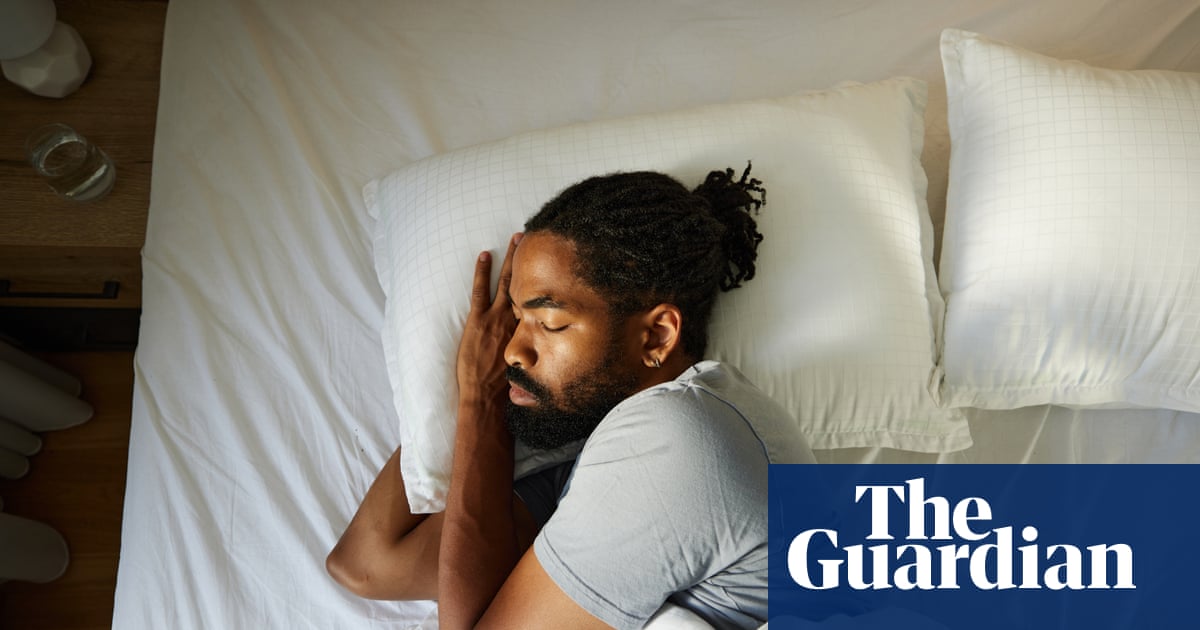
2 months agoThe most rejuvenating sleep of my life': 12 products our writers rely on for rest each night
Well-designed sleep products—comfortable earplugs, pillows, masks, white-noise machines, and wearable blankets—can significantly improve sleep quality, especially for travelers and light sleepers.
fromYanko Design - Modern Industrial Design News
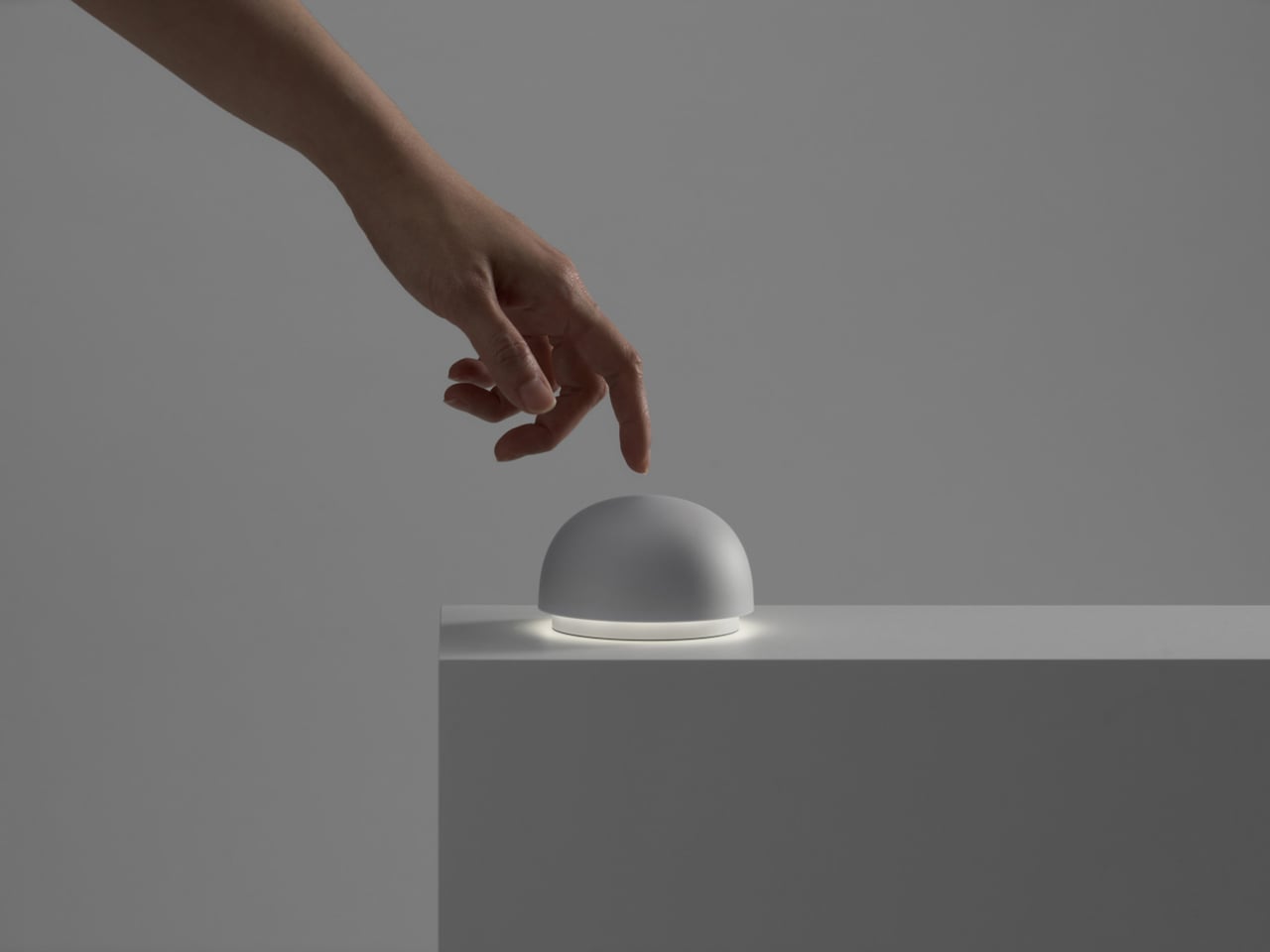
1 month agoA Sleep Tracker That Solves the "Creepy Gadget" Problem With Soft Forms and Invisible Sensing - Yanko Design
Wellune looks like a small, sculptural lamp. A slender white stem curves upward from a flat circular base, blooming into a soft, rounded head that sits somewhere between a sprouting bud and a modernist desk light. The head detaches magnetically, which is a lovely detail because it turns setup into something almost playful. You hold this smooth, egg-like dome in your hand, place it on the stem, and it clicks into position with a satisfying connection.
Wearables

fromZDNET
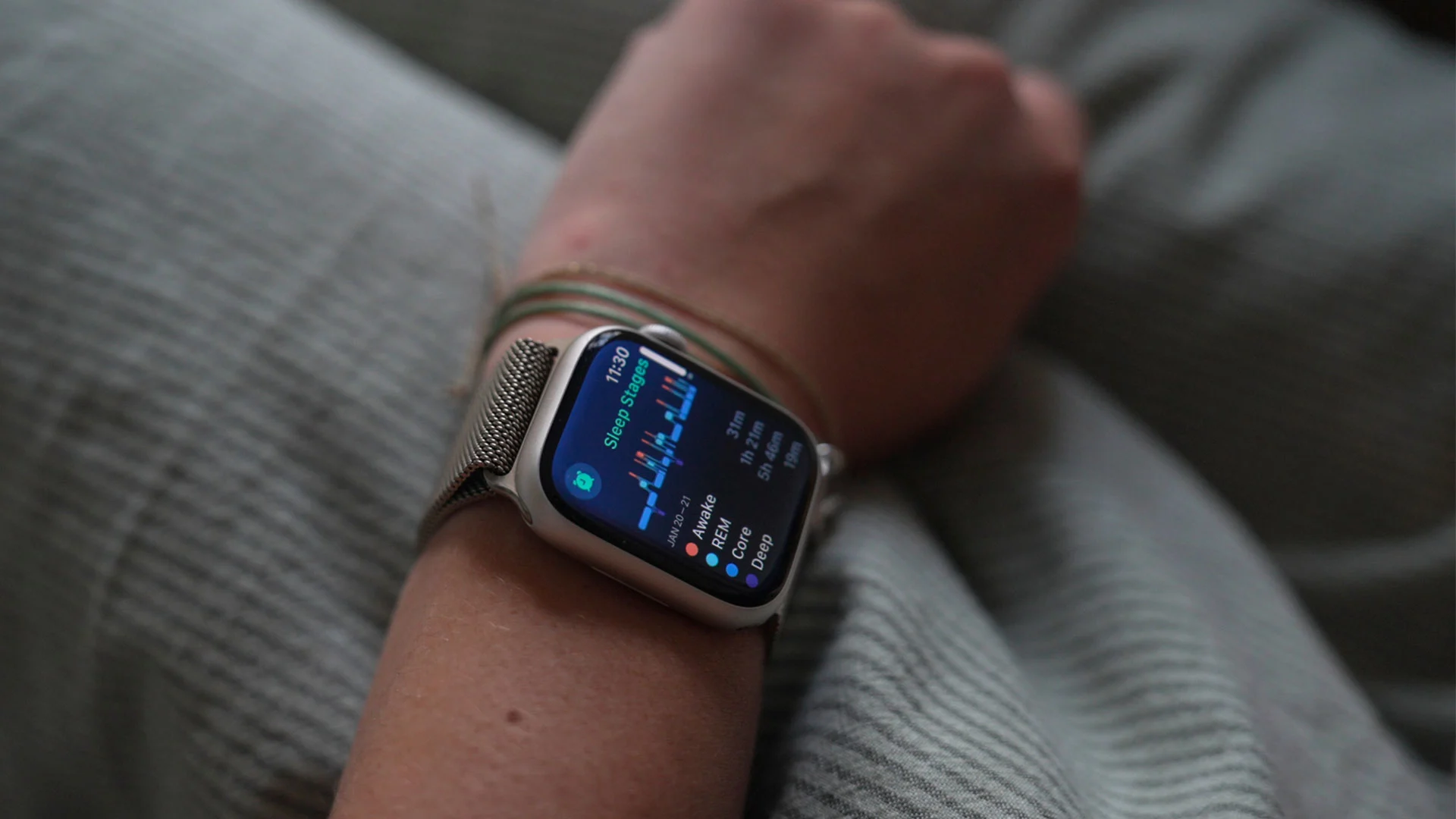
1 month agoDoes a $250 alarm clock actually make you wake up better? My verdict after a week
Phones have messed up our sleep in more ways than one. Not Only do their addictive functions keep us up scrolling well past our bedtimes, but they also wake us up with jarring sounds and haptics, shocking our systems with loud sounds and frantic measures that, once the alarm is disabled, send us back to sleep, overwhelmed. Also: I biohacked my sleep with these 5 gadgets (and it worked) Smart sunrise alarm clocks have grown in popularity as an alternative to our blaring phone alarms.
Gadgets
fromEngadget
1 month agoUltrahuman's new Pro ring comes with 15 days battery life
If there's one thing that stops people using their smart rings over the long term, it's the battery life. After all, they're so unobtrusive, it's easy to forget to drop it on the charging plate every few days. It doesn't take long for your pricey gadget to become little more than a very expensive piece of jewelry.
Wearables
fromZDNET
2 months agoMy Oura Ring told me I was sick. I disregarded it, and then got sick
Last Wednesday morning, I woke up and did what I normally do when I open my eyes. I grabbed my phone and checked my Oura app to see how I slept. This morning, however, Oura's home page looked a bit different. Unlike the sleep and readiness scores I usually see on the home page, a new message appeared on top. While no biomarker deviated strongly from my baseline, Oura's Symptom Radar feature warned me that my biometrics indicated "major signs of strain." It encouraged me to take it easy -- a tall task given that I was headed into the office for the workday.
Wearables
fromZDNET
2 months agoI uploaded my Oura Ring data to this free web tool - the results surprised me in the best way
Health trackers like Apple Watches and Oura Rings already do a fine job at providing insights into health patterns and trends. But sometimes, software comes along that offers a little something else as well. Enter Simple Wearable Report, a free tool that transforms Oura Ring data into a helpful, easily scannable report. An Oura Ring user on the r/ouraring subreddit created Simple Wearable Report after wanting to explore their health patterns using AI or easily share data with their PCP.
Wearables
fromThe Verge
2 months agoThis ring watch squeezes in heart rate, sleep, and fitness tracking
It's not a household name, but Rogbid has been churning out budget-friendly smart wearables for around a decade. Its latest creation capitalizes on the recent trend of functional ring watches, but unlike Timex and Casio's wearables that don't do much more than tell time, the Rogbid Fusion includes smart functionality like fitness tracking, heart rate and blood oxygen measurements, and sleep monitoring.
Wearables
[ Load more ]