Travel
fromwww.businessinsider.com
15 hours agoThe new vacation flex? Waking up without a hangover.
Sober tourism is rising, especially among Gen Z, who prioritize wellness and experiences over alcohol during vacations.
The only thing worse than making a mistake is keeping it bottled up inside. Learning from the mistakes of others could help you embark on the healing journey of sharing and working through a mistake of your own, with someone you trust.
Devon Hase states, 'People are trying desperately to fix, optimize, or escape their way out of relationship difficulty - and suffering more for the effort. Social media has made this worse! We're surrounded by images of perfect partnerships while quietly drowning in our own ordinary struggles.' This highlights the pressure couples feel in the age of social media.
The Alaska Department of Corrections does not provide comprehensive access to this life saving medication. "I'm gonna give you a little pinch," Spencer said, sliding the needle into a fold of skin on the patient's belly for the subcutaneous injection. Alaska's not an outlier. Despite the fact that those recently released from incarceration are some of the most vulnerable to dying from drug overdose, addiction experts say that many jails and prisons around the country don't provide medication treatment.
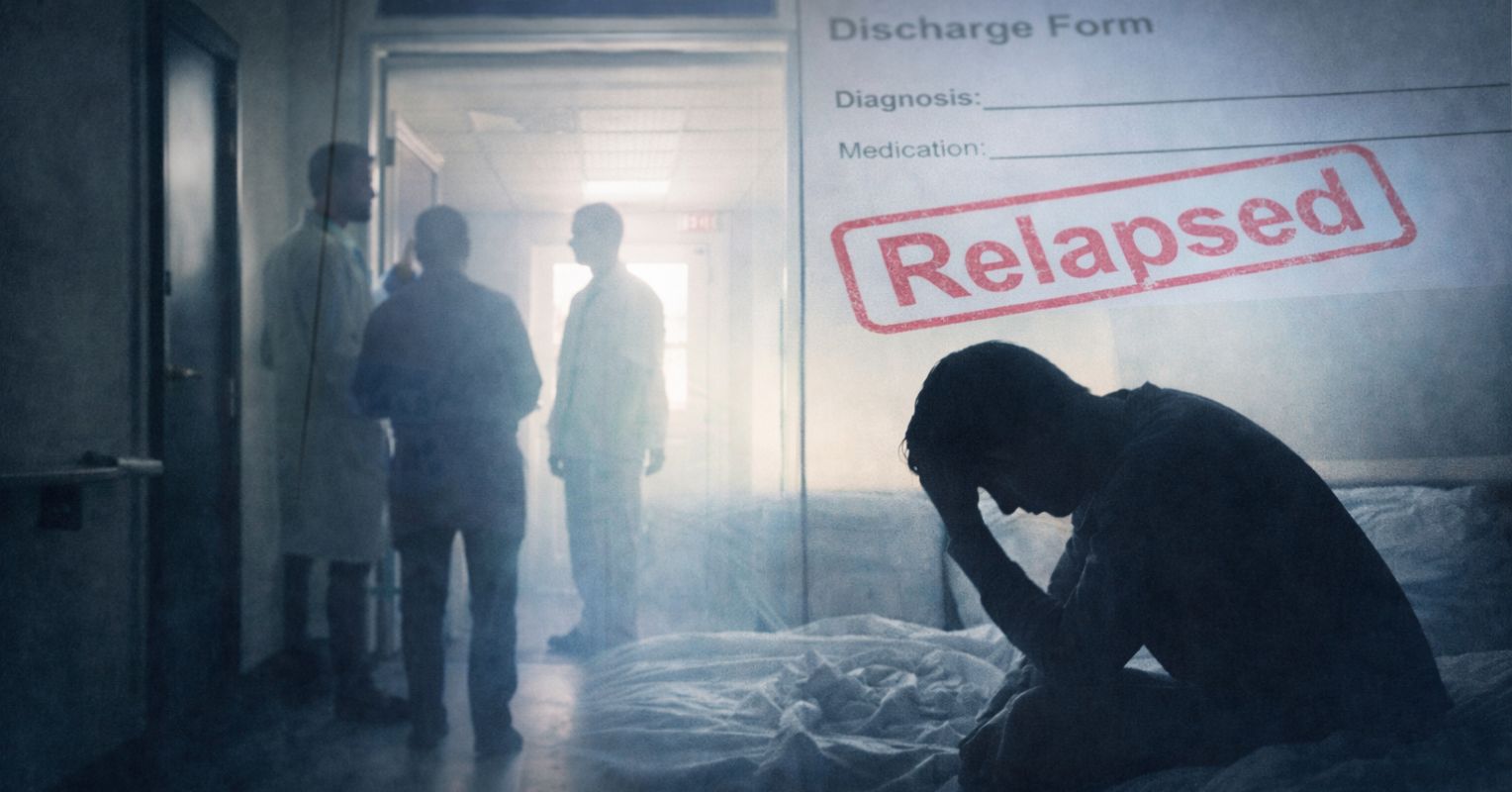
Hi, I'm Cullen, and I'm an alcoholic. At least that's what I recited in front of hundreds of strangers once a week while attending virtual Alcoholics Anonymous meetings last year. I mumbled the words, but often didn't believe them or give their depth of meaning to my life. But when I turned the legal drinking age, even though I swapped out plastic bottles for premium glass ones, that frenzied "teenage" spirit didn't go away.
Almost all Americans are familiar with posttraumatic stress disorder ( PTSD) and its long-term, sometimes devastating effects on people's lives-crippling anxiety, depression, disturbing flashbacks, sleep problems, irritability, concentration difficulties, and much, much more. About 70 percent of U.S. adults have experienced at least one major life trauma. The fact that so many of us experience trauma makes it easier to empathize with the 10 or so percent of people who go on to develop PTSD.
The question of whether mental health retreats allow social media access does not have a universal answer. Different facilities approach digital connectivity in varying ways, reflecting their treatment philosophies and therapeutic goals. Most mental health retreats limit or completely restrict social media use during the initial phases of treatment, though specific policies can range from total digital detox to supervised access at designated times.
When we think about getting help for our mental health, therapy is often the first-and sometimes only-option that comes to mind. Therapy works, and for many people it is essential. But it is not the only effective path. Emerging evidence suggests that well‑designed coaching -especially when delivered inside an adaptive, stepped‑care model-can help people feel better faster, build emotional skills, and relieve pressure on an overburdened clinical system (Sagui Henson et al.).




:quality(85):upscale()/2026/01/06/936/n/49351082/eca0b2e7695d7ea016f525.80424515_.jpg)