#somni
#somni
[ follow ]
#sleep #sleep-quality #sleep-deprivation #sleep-hygiene #sleep-apnea #circadian-rhythm #mental-health
Digital life
fromSilicon Canals
2 days agoPeople who check their phone within five minutes of waking up are training their brain to start every day in reaction mode - and it's costing them more than they realize - Silicon Canals
Starting the day with phone use can negatively impact mental state and set a stressful tone for the day.



fromInverse
2 weeks agoWhat Scientists Are Learning About Sleep and Memory Formation
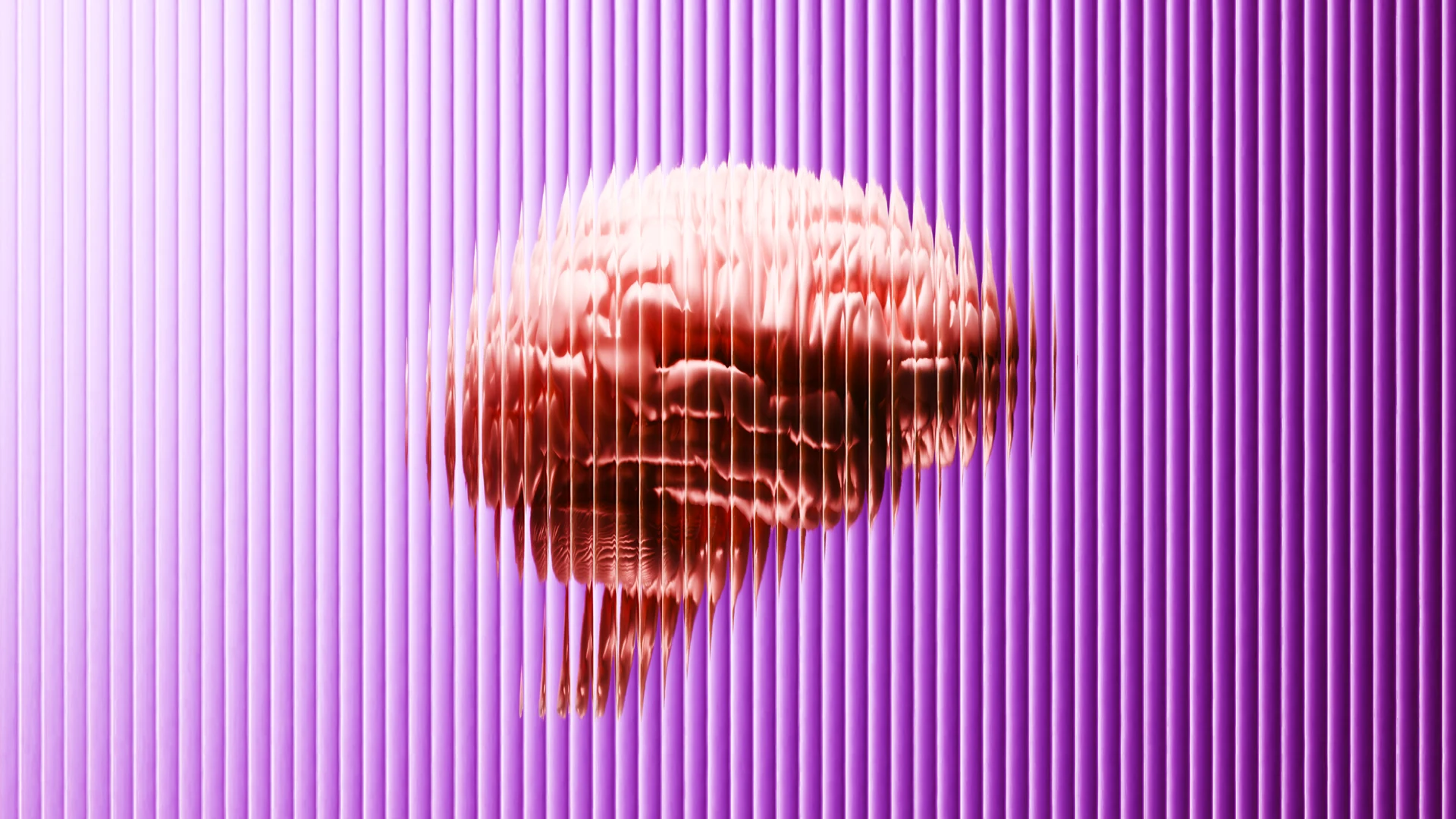
Sleep plays a central role in memory consolidation - the process by which newly acquired information is stabilized and integrated into long-term memory stores. Research from institutions including Harvard Medical School and the Max Planck Institute for Human Cognitive and Brain Sciences has shown that different stages of sleep contribute to different types of memory. Slow-wave sleep, or deep sleep, appears to be particularly important for declarative memory - the kind that stores facts and events.




Mental health
fromScary Mommy
3 weeks agoHere's Why Your Brain Hits "GO" On Every Anxious Thought Right When You Want To Sleep
Nighttime anxiety spikes are normal and caused by factors like blood sugar dysregulation, reduced distractions, and the brain's protective mechanisms becoming hyperactive in darkness and quiet.
fromSilicon Canals
1 month agoWhat neuroscience reveals about people who lie awake replaying conversations from six hours ago - Silicon Canals
Rumination activates the default mode network (DMN) - the brain's self-referential processing system. This is the neural circuitry that fires when you're thinking about yourself in relation to others: your identity, your social standing, your mistakes. It's the brain asking, over and over, What does this say about me?
Psychology
#daylight-saving-time
Health
fromwww.pressdemocrat.com
1 month agoBay Area sleep expert gives tips to prepare for Daylight Saving Time
Daylight Saving Time exacerbates chronic sleep deprivation affecting 85 million Americans, increasing motor vehicle accidents by 6% and worsening health outcomes including heart disease, stroke, and depression.
fromThe Washington Post
1 month agoWhy your most creative ideas may come after a night of sleep
Neuroscientist Karen Konkoly is a lucid dreamer. When she's asleep and immersed in a dream, she knows that she is, in fact, dreaming. One of her favorite things to do during these sleep sojourns is pose personal, even existential questions - probing the mysterious terrain of her own subconscious mind. Asa researcher who studies the human mind, Konkoly has read many scientific papers positing different explanations for why humans dream - and she's made it her mission to rigorously test them.
Science
Mental health
fromSilicon Canals
1 month agoNeuroscience reveals that people who overthink at night often have brains that refuse to file away unresolved emotional experiences during the day - Silicon Canals
Unprocessed emotional experiences from daytime accumulate and resurface at night when the brain attempts consolidation, particularly in people with insufficient cognitive bandwidth during waking hours.

fromPsychology Today
1 month agoWhen Sleep Banking May Be A Viable Strategy
Sleep banking is essentially extending your normal sleep hours in the nights leading up to a known period of sleep deprivation. On the face of it, it appears unlikely banking sleep could counter the decreased alertness and other cognitive decrements that we experience when deprived of sleep, or stop that strong sensation we get when our body wants sleep.
Health
Public health
fromwww.scientificamerican.com
2 months agoLike staying up late? You may be putting yourself at risk of heart problems
Habitual evening chronotypes have about a 16% higher risk of heart attack or stroke and exhibit more cardiovascular-risk behaviors like smoking, poor diet, and irregular sleep.
fromwww.npr.org
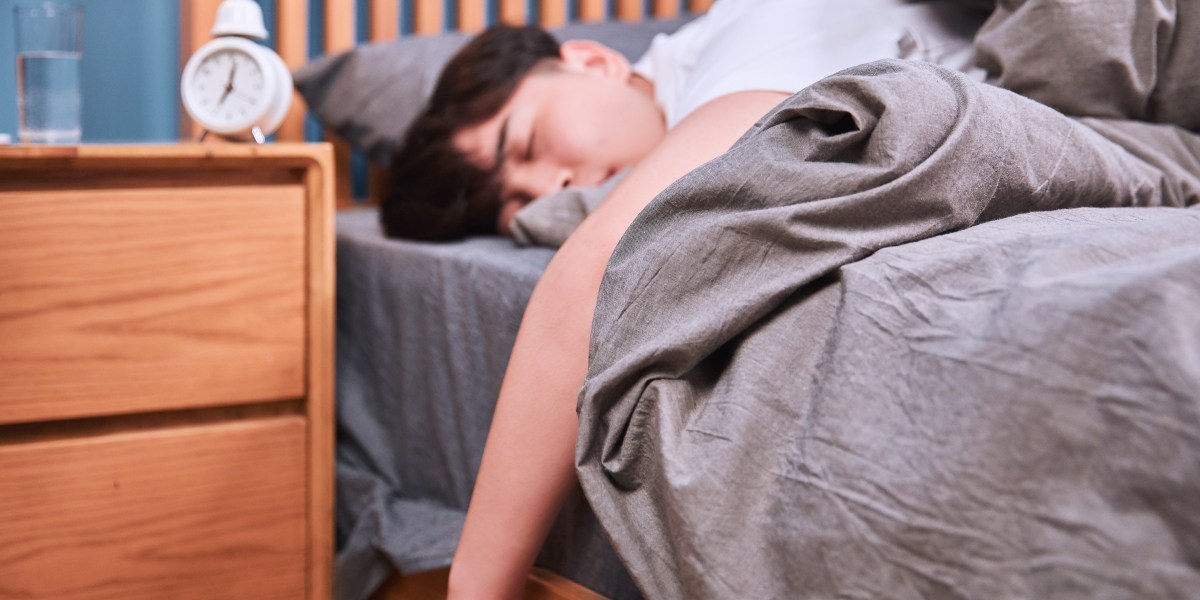
2 months ago4 ways to beat the anxiety of insomnia and get back to sleep
"I started getting into the frame of mind most people get sucked into. I worried, 'What's going on? Is there something wrong with me?'" he says. That fear of not being able to sleep is a phenomenon called "sleep anxiety," says Orma, who went on to become a specialist in insomnia treatment. Left untreated, that anxiety can prevent people from actually falling asleep. "The more you focus on it, the less chance you'll sleep, which then makes you more anxious. That's the cycle that spins," he says.
US news
fromwww.wired.com
1 year agoI Tested 20 Over-the-Counter Sleep Aids to Find a Way to Beat My Insomnia
I tested AGZ's chocolate and mint flavors, which come with a frother, and you can blend the powder with water or milk, either warm or cold (although I think it tastes the best with milk, like a frothy hot cocoa). The drink doesn't taste overly sweet and has a nice, rich chocolate taste. The mix is melatonin-free, instead with adaptogens, herbs, and minerals, including magnesium, vitamin B6, L-theanine, ashwagandha, and calming herbs.
Alternative medicine
Gadgets
fromEngadget
2 months agoThis tabletop sleep device and sunrise alarm clock aims to help you put your phone away before bed
Dreamie is a standalone bedside device providing customizable phone-free sleep and wake routines with soundscapes, sensors, on-device controls, dynamic lighting and no subscription.
Health
fromSilicon Canals
1 month agoPeople who wake naturally at the same time every day possess these 9 unique traits - Silicon Canals
Natural early wakers possess exceptional body awareness, strong circadian rhythms, and strict boundary protection that enable consistent wake times without alarm clocks.

fromBusiness Insider
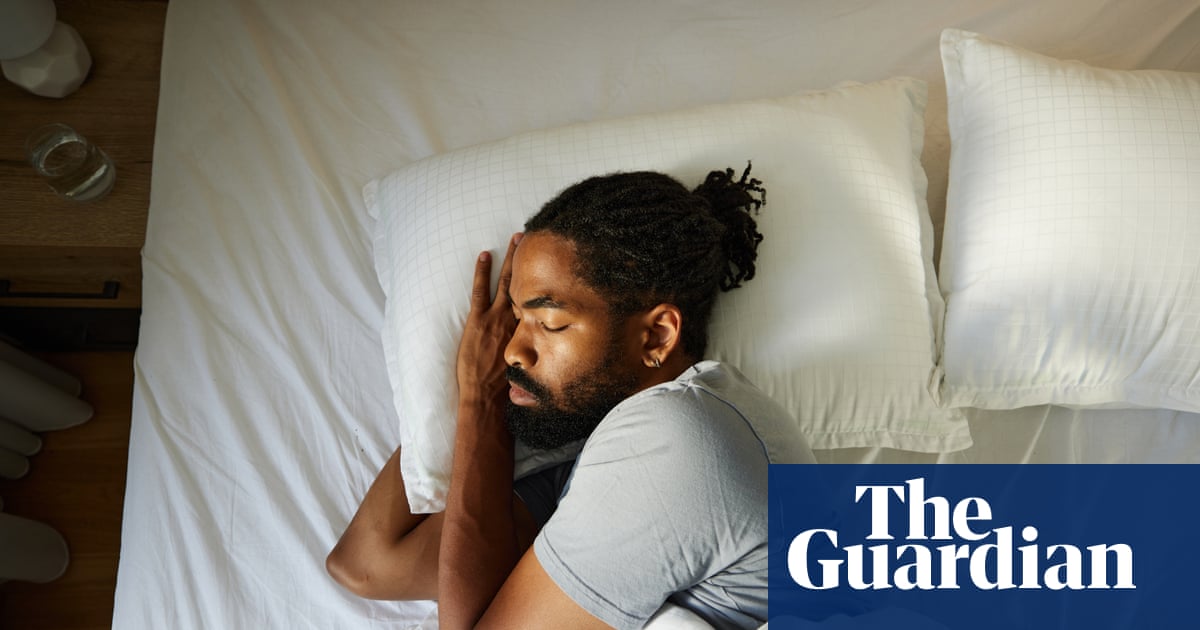
1 month agoMany people sleep worse in winter. Here's what experts want you to know.
It's normal to feel sluggish during the winter. Cold temperatures and fewer hours of sunlight can mean less time outdoors and more time staring at our screens. For some people, these cold-weather habits may contribute to a sleep disruption, known as winter insomnia. This isn't a clinical condition, but it might begin or worsen during the winter months.
Mental health
fromwww.theguardian.com
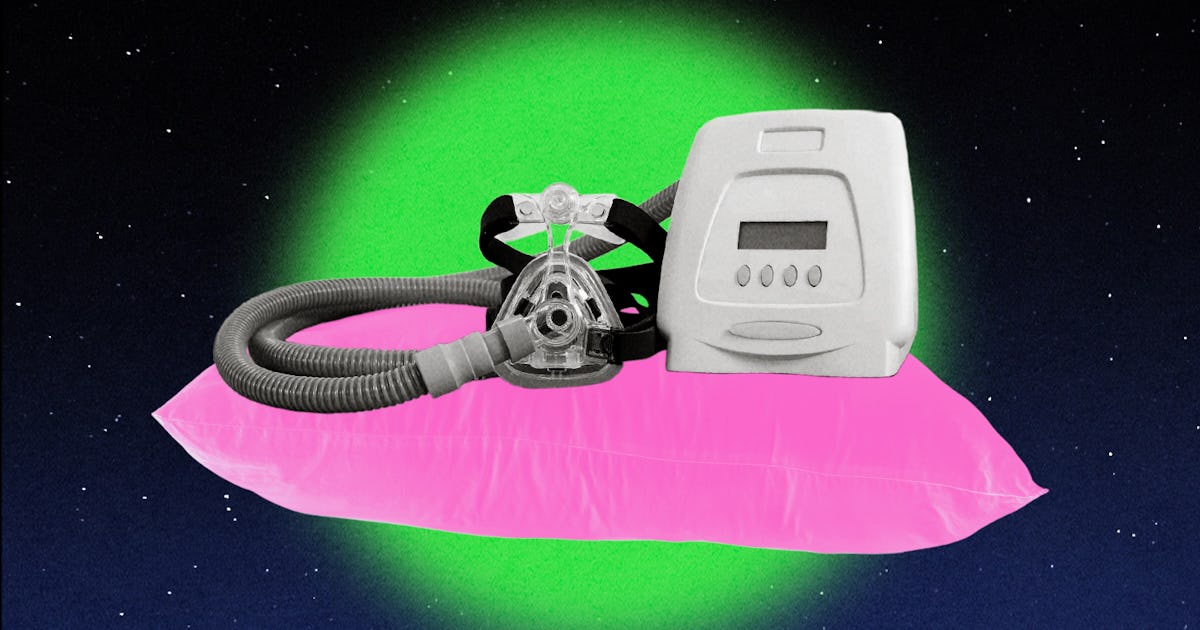
1 month agoDeafening, draining and potentially deadly: are we facing a snoring epidemic?
When Matt Hillier was in his 20s, he went camping with a friend who was a nurse. In the morning she told him she had been shocked by the snoring coming from his tent. She basically said, For a 25-year-old non-smoker who's quite skinny, you snore pretty loudly,' says Hiller, now 32. The Guardian's journalism is independent. We will earn a commission if you buy something through an affiliate link. Learn more.
Medicine
Wellness
fromwww.theguardian.com
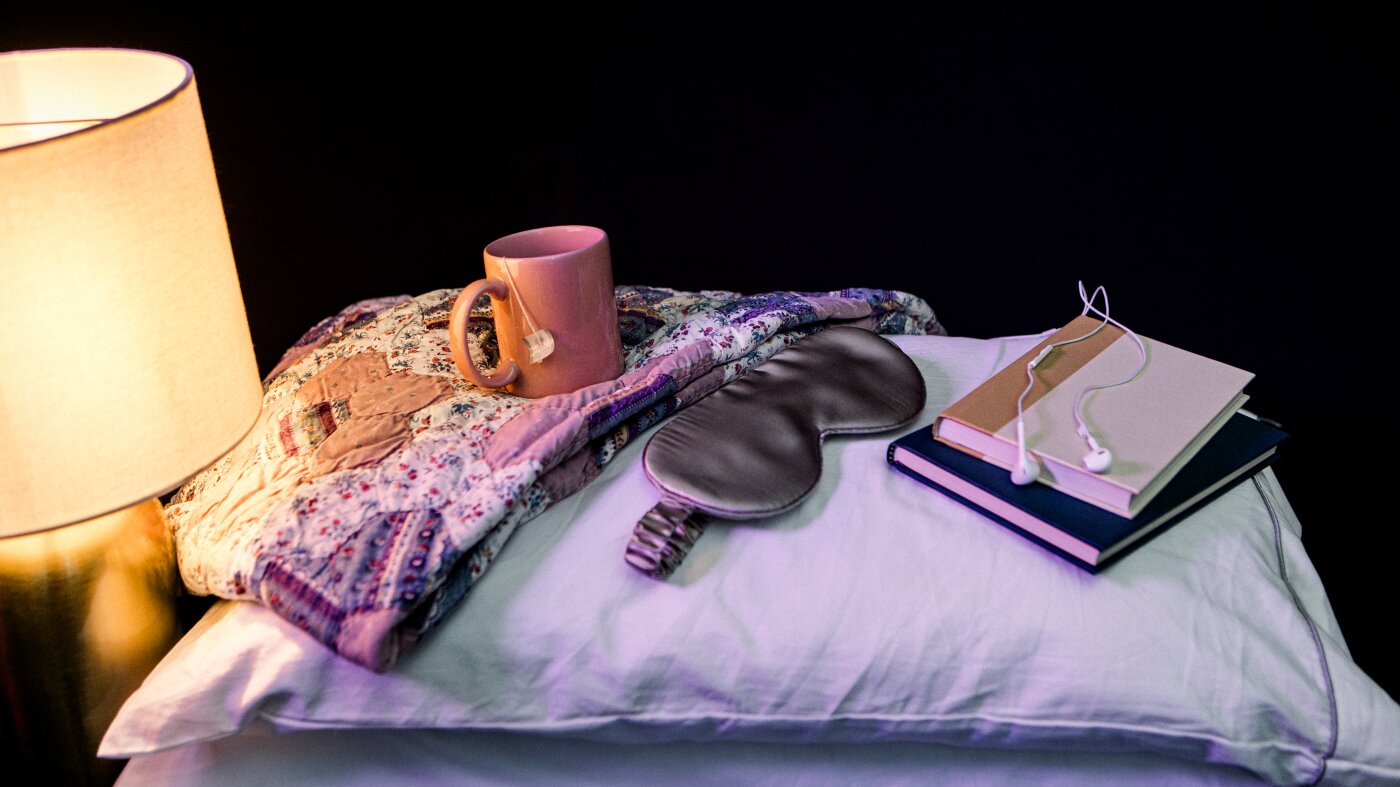
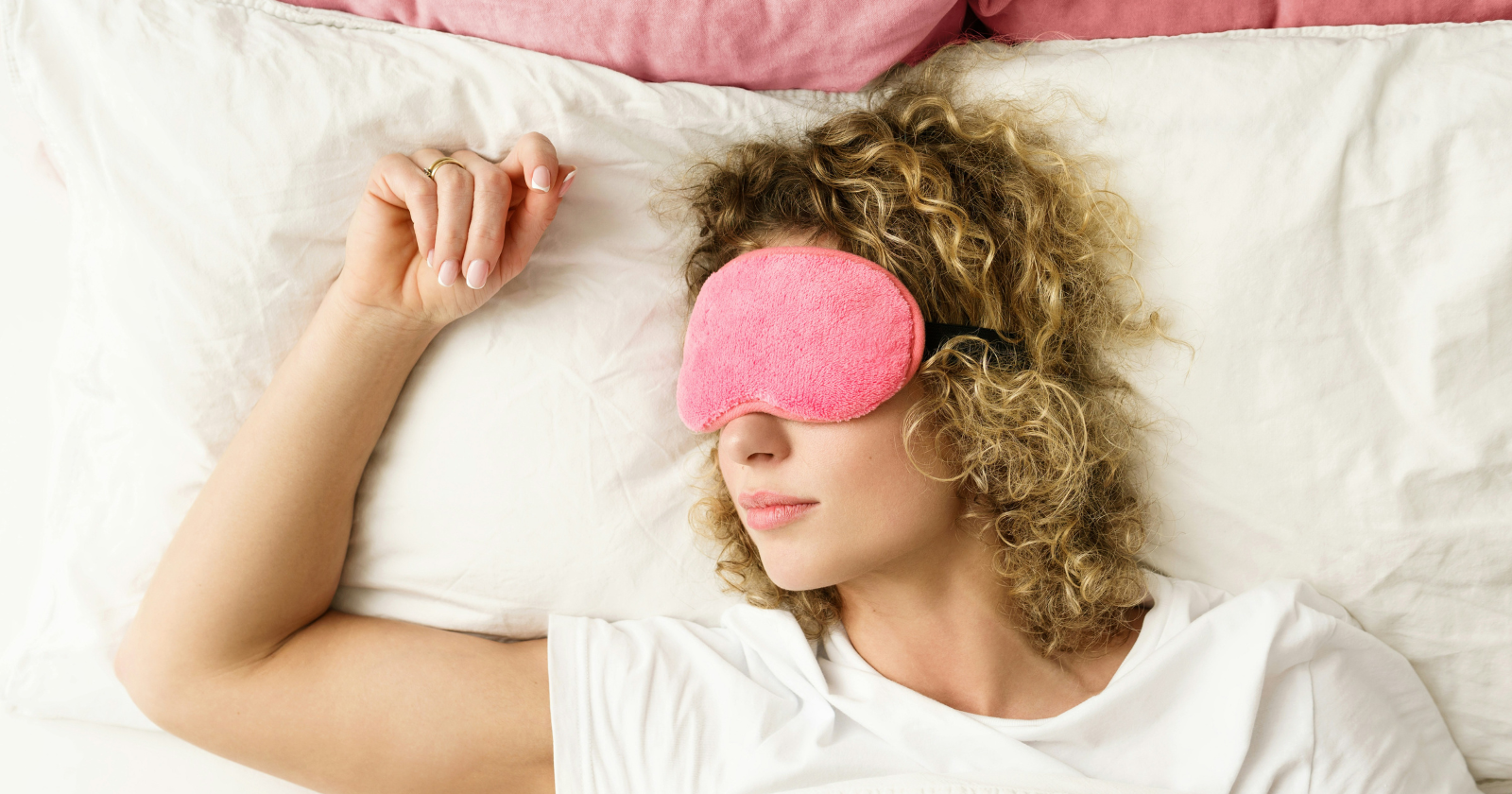
2 months agoThe most rejuvenating sleep of my life': 12 products our writers rely on for rest each night
Well-designed sleep products—comfortable earplugs, pillows, masks, white-noise machines, and wearable blankets—can significantly improve sleep quality, especially for travelers and light sleepers.
[ Load more ]