#sram-compatibility
#sram-compatibility
[ follow ]
#ai #stock-market #micron-technology #intel #turboquant #ai-infrastructure #amd #semiconductors #nvidia #ai-demand





fromTheregister
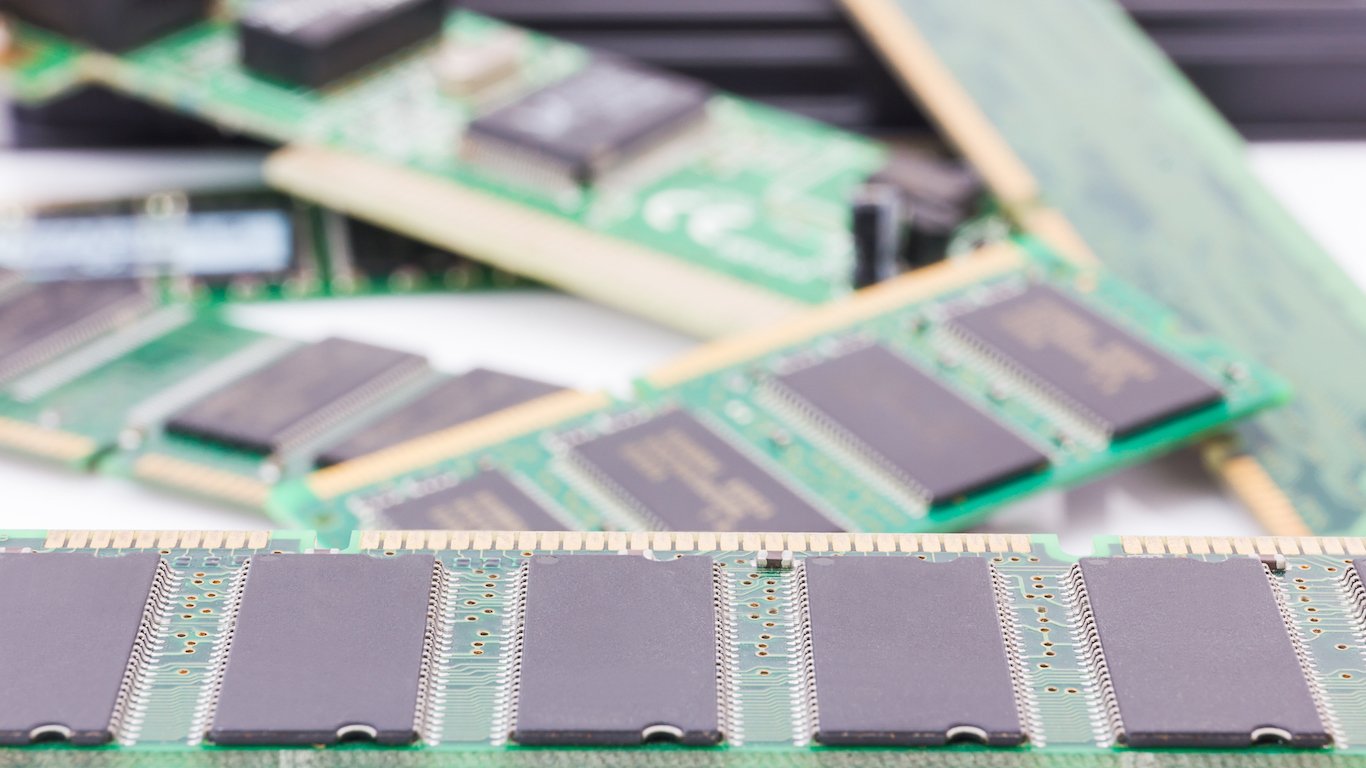
3 weeks agoRAM is getting expensive, so squeeze the most from it
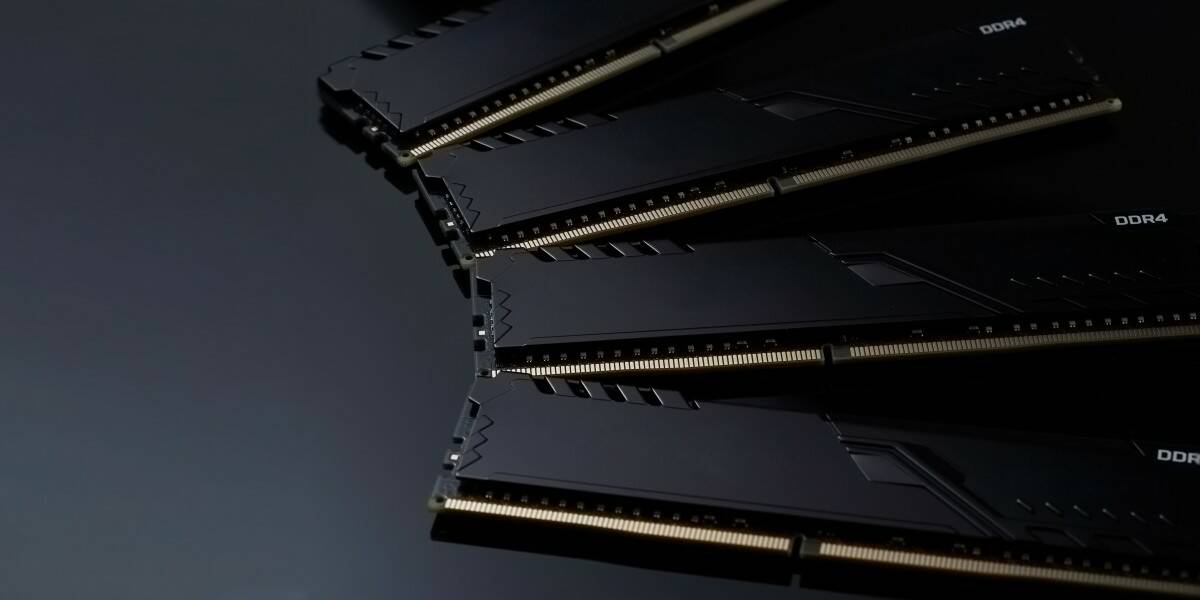
Both work with Linux's existing swapping mechanism. Swapping (called paging in Windows) is a way for the kernel to handle running low on available RAM. It chooses pages of memory that aren't in use right now and copies them to disk, then those blocks can be marked as free and reused for something else.
Software development
#ai-memory-demand
Tech industry
fromTheregister
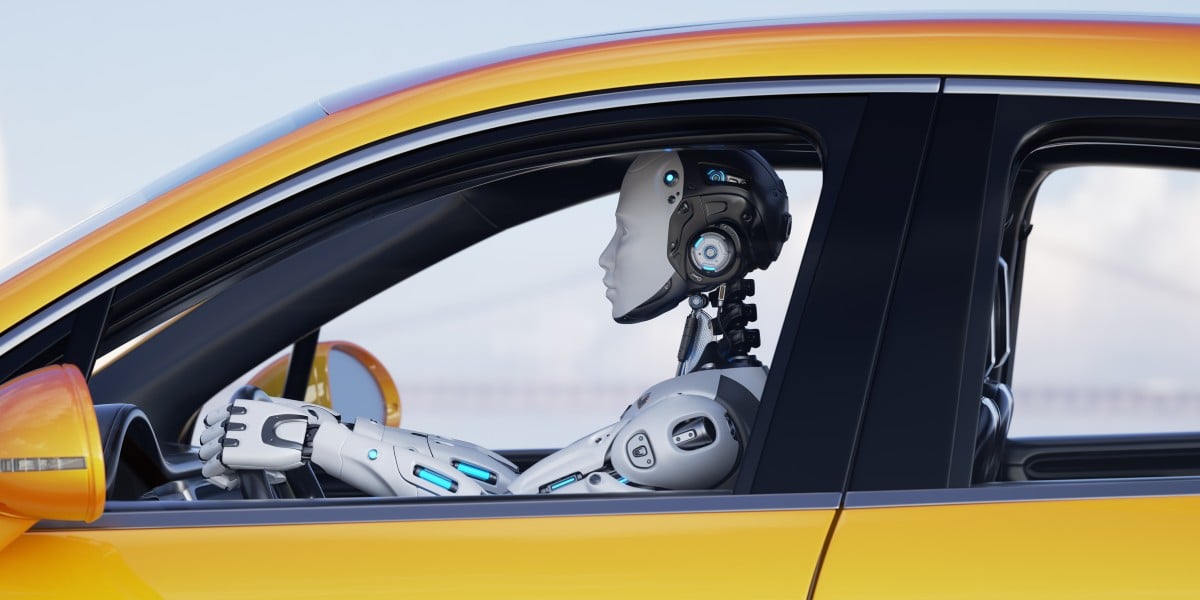
2 weeks agoYour next car night need 300GB of RAM, and so will robots
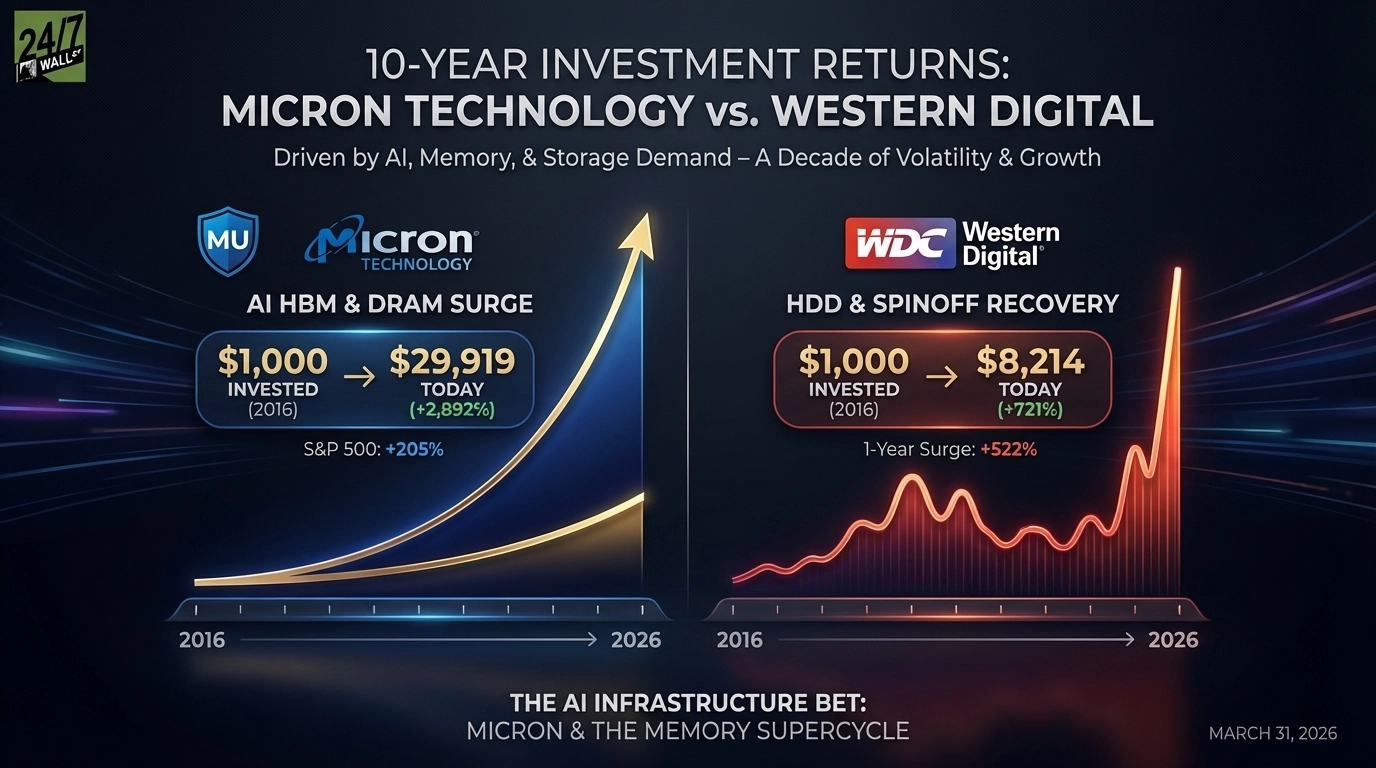
Micron Technology projects sustained growth driven by AI demand, with autonomous vehicles and humanoid robots requiring 300+ gigabytes of DRAM, while the company tripled revenue year-over-year to $23.86 billion in Q2 2026.
fromGSMArena.com
3 weeks agoSK hynix has developed 1c LPDDR6 RAM, which is faster and more efficient than older standards
The company has developed 16 gigabit LPDDR6 chips that will be used in smartphones and tablets with on-device AI. Bandwidth-hungry AI tasks will see a 33% speed-up in data processing compared to LPDDR5X. The new RAM has a base operating speed of 10.7Gbps.
Mobile UX

fromTheregister
1 month agoAMD's edgiest Epycs get a Zen 5 boost with 84-core Sorano
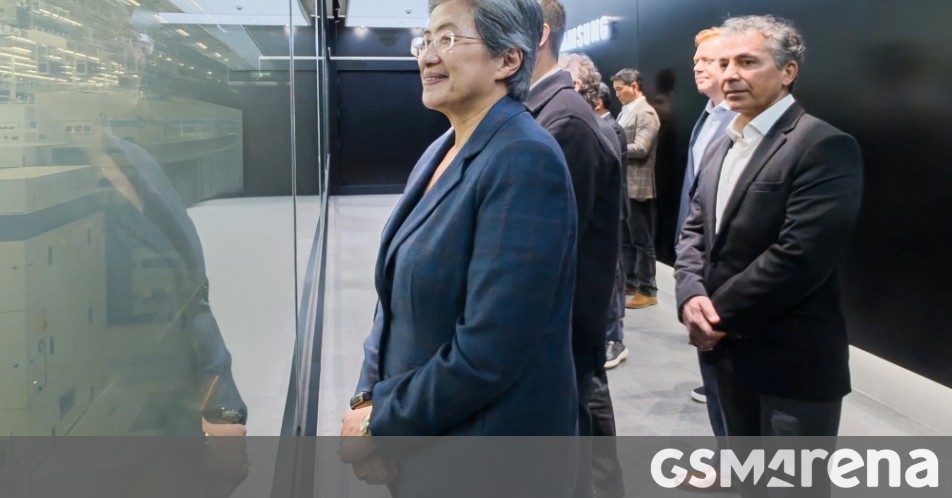
Sorano will be available with up to 84 Zen 5 cores - up from 64 on Siena - in a power envelope of just 225 watts. AMD isn't ready to spill all the beans on its latest Epyc just yet, but based on core count alone, we surmise the chip will either feature six density-optimized Zen 5c chiplets with 14 of 16 cores enabled or 12 of the frequency-optimized Zen 5 variety with one of the eight cores fused off.
Artificial intelligence

fromTheregister
1 month agoPositron opts for laptop RAM over HBM to take on Nvidia
On paper, Positron's next-gen Asimov accelerators, no doubt named for the beloved science fiction author, don't look like much of a match for Nvidia's Rubin GPUs. Yet, the Arm-backed AI startup boasts its inference chip will churn out five times as many tokens per dollar while using one-fifth the power of Nvidia's latest accelerators to do it. Those are certainly some bold claims, which the company contends are possible because the chip was designed to support large-scale inference workloads.
Artificial intelligence


fromTechzine Global
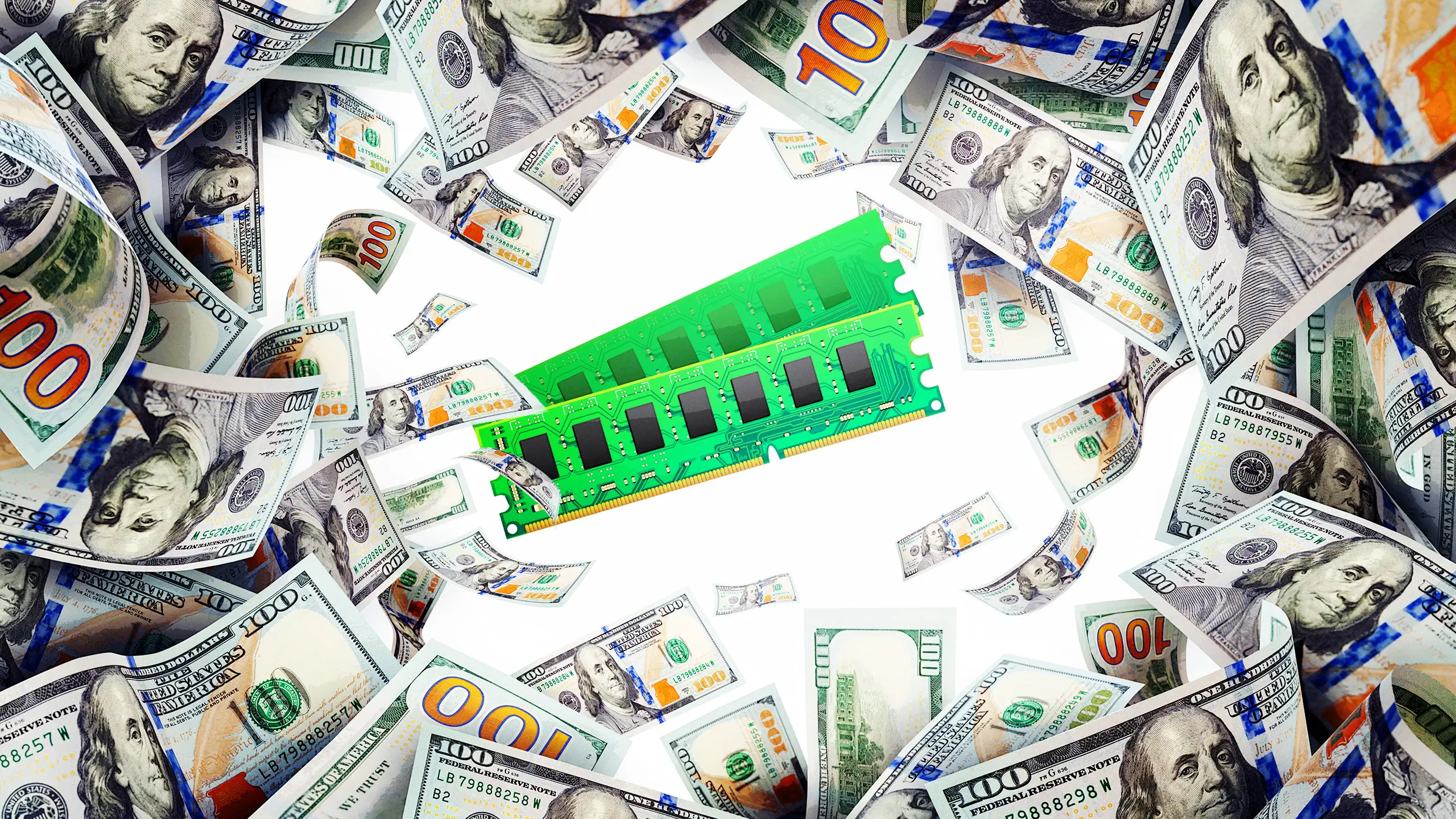
2 months agoMemory pricing expected to double this quarter beyond record high
DRAM contract prices are now expected to rise around 90 to 95 percent quarter-over-quarter. NAND flash similarly sees a huge jump, with expected prices ballooning by 55 to 60 percent compared to Q4 2025. Specifically, PC DRAM prices could more than double even from their elevated positions late last year. This will invariably result in overall price increases across all product categories, though varying in significance depending on component costs.
Artificial intelligence
Tech industry
fromTheregister
1 month agoOne vendor is happy RAM prices are high: VMware
VMware Cloud Foundation 9 introduces memory tiering technology that offloads data from RAM to NVMe drives, reducing infrastructure costs and enabling server consolidation without requiring all hosts to implement the feature.
Tech industry
from24/7 Wall St.
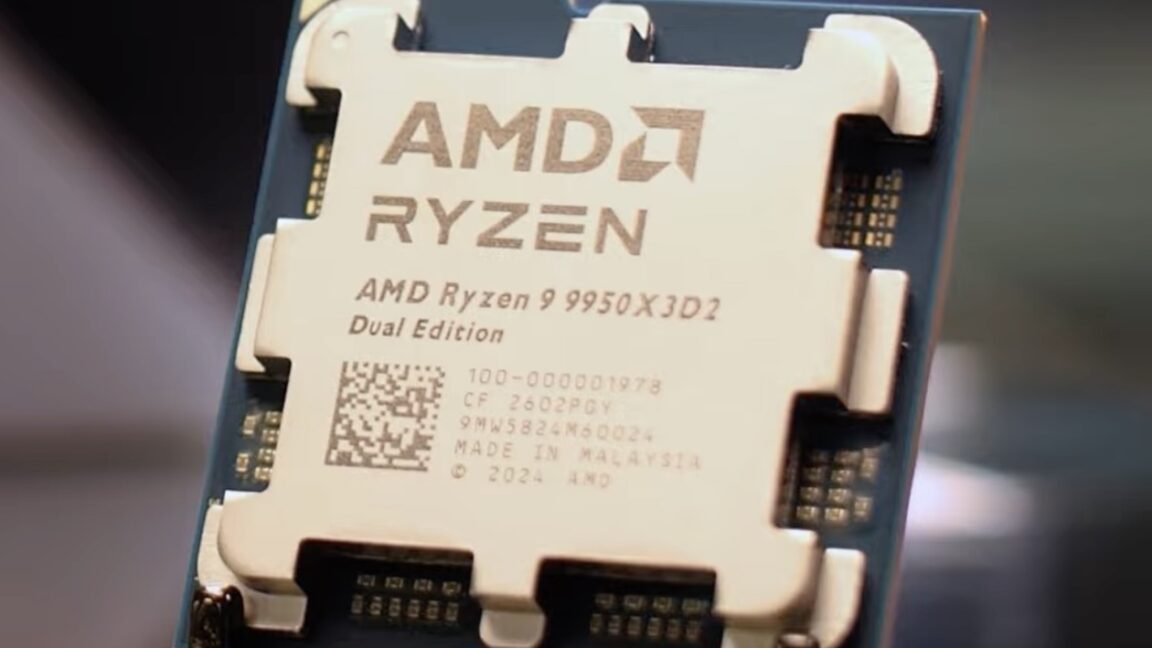
1 month agoAMD Looks to Displace Intel With World's First Copilot+ Desktop Chips
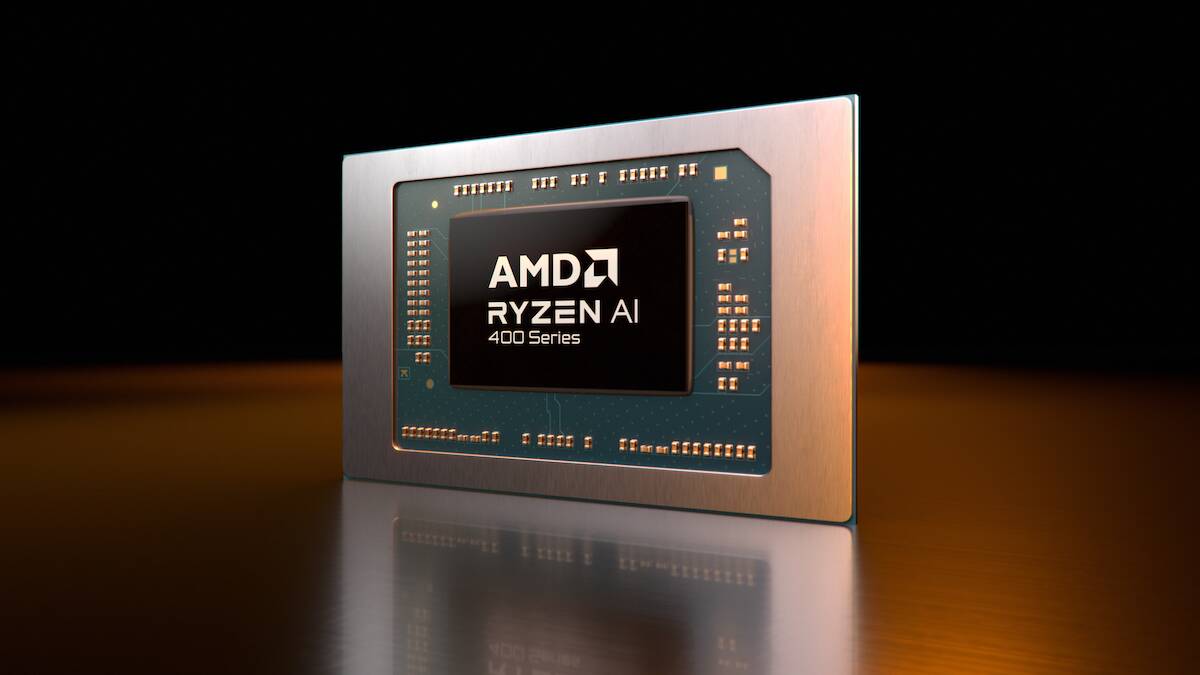
The AI PC market will grow at 30% annually from 2025 to 2034, reaching $967 billion, driven by on-device AI demand, with AMD's Ryzen AI 400 Series challenging Intel's x86 dominance through superior AI performance capabilities.

fromZDNET
2 months agoHow much RAM does your Linux PC actually need in 2026? An expert's sweet spot
Modern Linux is powerful, flexible, stable, and secure. With the exception of some of the more lightweight Linux distributions, it's also far more resource-dependent (just like all modern operating systems). Also: 5 things to consider before leaping from one Linux distribution to another Consider this: The minimum system requirements for Ubuntu Desktop today include just 4GB of RAM. I've run Ubuntu on a virtual machine with only 3GB of RAM.
Gadgets
fromTheregister
2 months agoIntel greets memory apocalypse with Xeon workstation CPUs
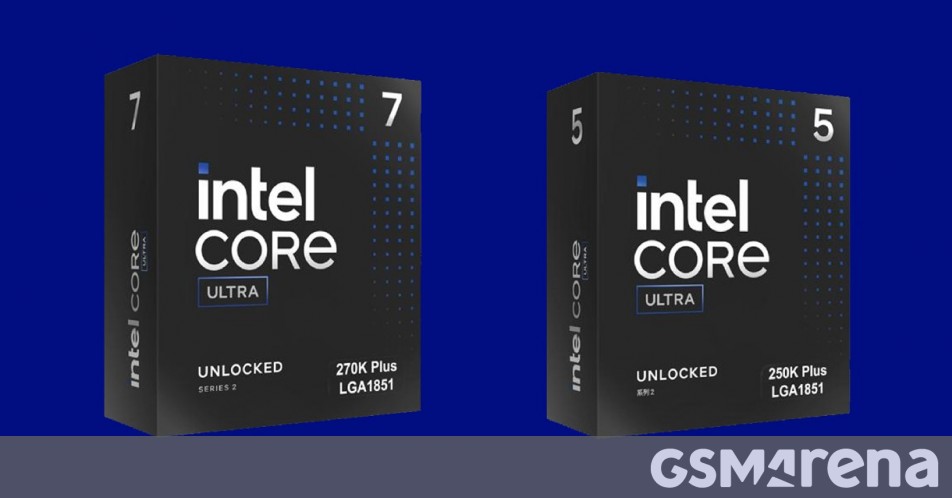
The Xeon 600 lineup spans the gamut between 12 and 86 performance cores (no cut-down efficiency cores here), with support for between four and eight channels of DDR5 and 80 to 128 lanes of PCIe 5.0 connectivity. Compared to its aging W-3500-series chips, Intel is claiming a 9 percent uplift in single threaded workloads and up to 61 percent higher performance in multithreaded jobs, thanks in no small part to an additional 22 processor cores this generation.
Tech industry
[ Load more ]