#sympathy-letters
#sympathy-letters
[ follow ]
#grief #mental-health #bereavement #relationships #loneliness #emotional-health #vulnerability #empathy
Relationships
fromSilicon Canals
1 day agoThe people who are best at hiding unhappiness aren't the stoic ones or the quiet ones - they're the ones who became so skilled at giving everyone around them exactly enough warmth to never be looked at too closely - Silicon Canals
People often hide their struggles behind a facade of warmth, leading to loneliness despite appearing thriving.
#grief
Mental health
fromSilicon Canals
1 week agoNobody warns you that grief and loneliness are two different animals that hunt together. Grief takes the person. Loneliness takes every small moment you used to share with them and leaves you standing in the kitchen holding two coffee cups out of habit, morning after morning, until you teach yourself to reach for one. - Silicon Canals
Grief and loneliness are distinct experiences that affect individuals differently, with grief being a communal event and loneliness a persistent absence.

Mental health
fromSilicon Canals
1 week agoNobody warns you that grief and loneliness are two different animals that hunt together. Grief takes the person. Loneliness takes every small moment you used to share with them and leaves you standing in the kitchen holding two coffee cups out of habit, morning after morning, until you teach yourself to reach for one. - Silicon Canals
Grief and loneliness are distinct experiences that affect individuals differently, with grief being a communal event and loneliness a persistent absence.
Mental health
fromSilicon Canals
2 days agoYou know a woman has lost her joy in life when she describes her days accurately and without feeling - when the words are all correct and the tone is completely flat and the account of her own life sounds like something being reported rather than lived, and she doesn't notice the flatness because she has been inside it long enough that it just sounds like how things are - Silicon Canals
Emotional flatness can creep in, making life feel like a series of tasks rather than meaningful experiences.
#emotional-health
Retirement
fromSilicon Canals
4 days agoI'm 66 and I spent forty years trying to stay positive through everything - and what I actually created was a life where nobody knew me well enough to notice when I was drowning - Silicon Canals
Staying positive can lead to hidden struggles and emotional isolation, as individuals often mask their true feelings to appear strong.
Psychology
fromSilicon Canals
5 days agoThere's a specific kind of loneliness that only hits people who are very good at listening. Everyone trusts them with the heavy stuff, everyone seeks them out when things fall apart, and nobody ever thinks to ask them how they're doing because the role was assigned so early it became invisible. - Silicon Canals
Good listeners often carry unaddressed emotional burdens, as their role can stem from childhood experiences of absorbing others' pain.
#empathy
Psychology
fromSilicon Canals
6 days agoPsychology says people who ask 'how can I learn to be more empathetic' already possess the one trait that matters most - self-awareness - while people who claim they're already empathetic rarely are - Silicon Canals
Self-awareness is essential for developing genuine empathy and emotional intelligence.
Writing
fromSilicon Canals
1 day agoI'm 66 and the most important relationship of my adult life has been with solitude - not as a consolation for the company I didn't have, but as the place where I have always been most honest, most creative, and most recognizably myself, and I spent too many years being embarrassed about that before I understood it was simply how I was built - Silicon Canals
Solitude allows for self-discovery and personal reflection, free from societal expectations and external pressures.
#kindness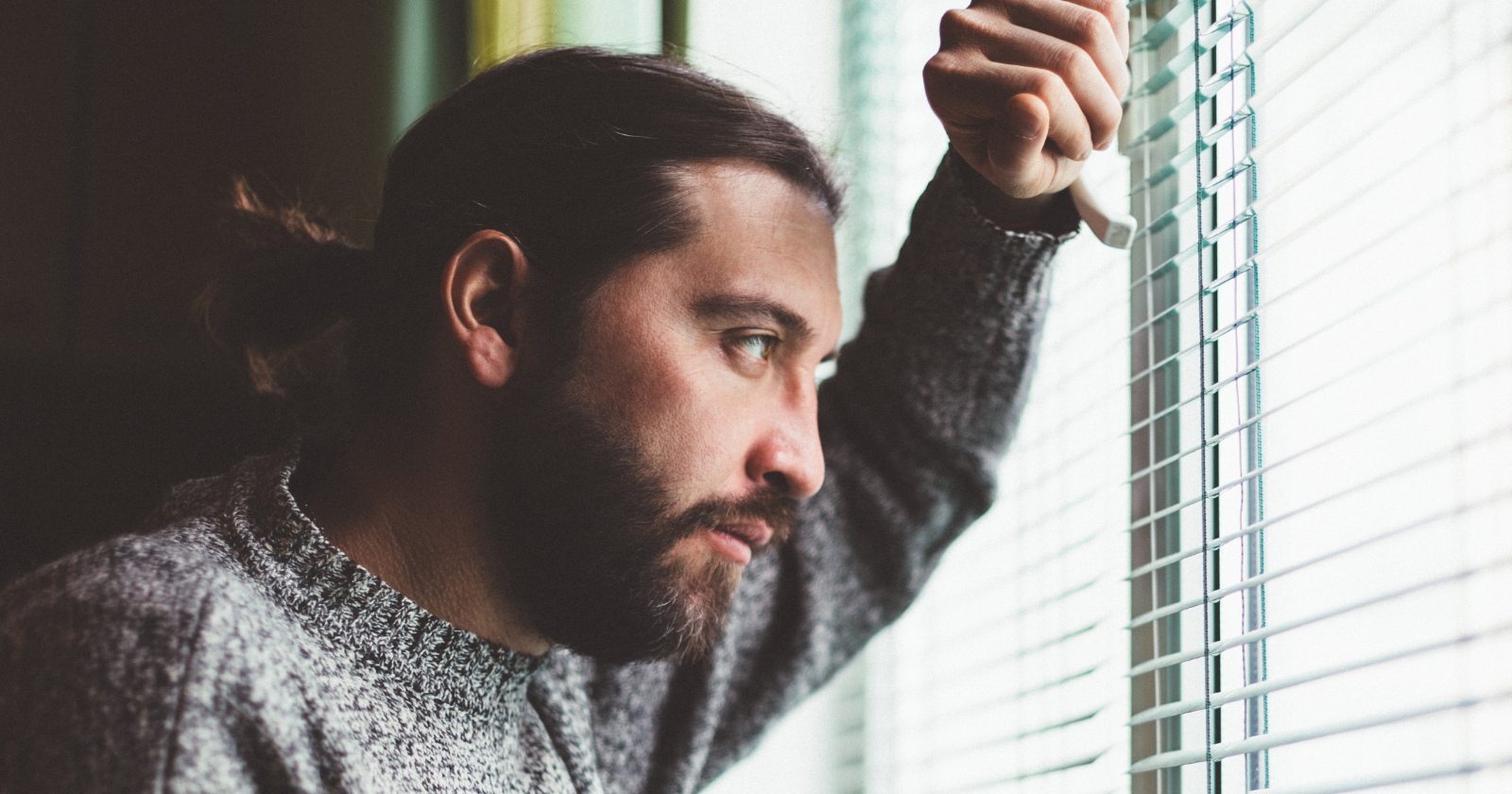

fromSilicon Canals
5 days agoMindfulness
I'm 37 and I realized I wasn't actually a good person the day my wife said "you're kind to strangers and cruel to the people closest to you" - and the worst part wasn't the accusation, it was that I couldn't argue because I'd been using up all my patience on people who didn't matter and coming home empty - Silicon Canals
Mindfulness
fromSilicon Canals
5 days agoI'm 37 and I realized I wasn't actually a good person the day my wife said "you're kind to strangers and cruel to the people closest to you" - and the worst part wasn't the accusation, it was that I couldn't argue because I'd been using up all my patience on people who didn't matter and coming home empty - Silicon Canals
Kindness should be abundant at home, not rationed for public interactions, to foster authentic connections with loved ones.
Psychology
fromSilicon Canals
6 days agoPeople who go quiet when they're hurt instead of raising their voice learned somewhere very early that their anger wasn't received as information. It was received as an inconvenience. So they stopped sending the signal and started absorbing the damage, and they've been doing it so long they sometimes mistake silence for calm - Silicon Canals
Silence during conflict often indicates deeper emotional pain rather than composure or passive aggression.
#grief-processing
Arts
fromwww.theguardian.com
2 weeks agoAlmost human': life-size replicas of the dead help mend broken hearts in India
A Kolkata workshop creates lifesize replicas of deceased loved ones using clay, fiberglass, and silicon, helping families process grief by keeping realistic figures of the dead in their homes.
#pet-grief
Pets
fromSilicon Canals
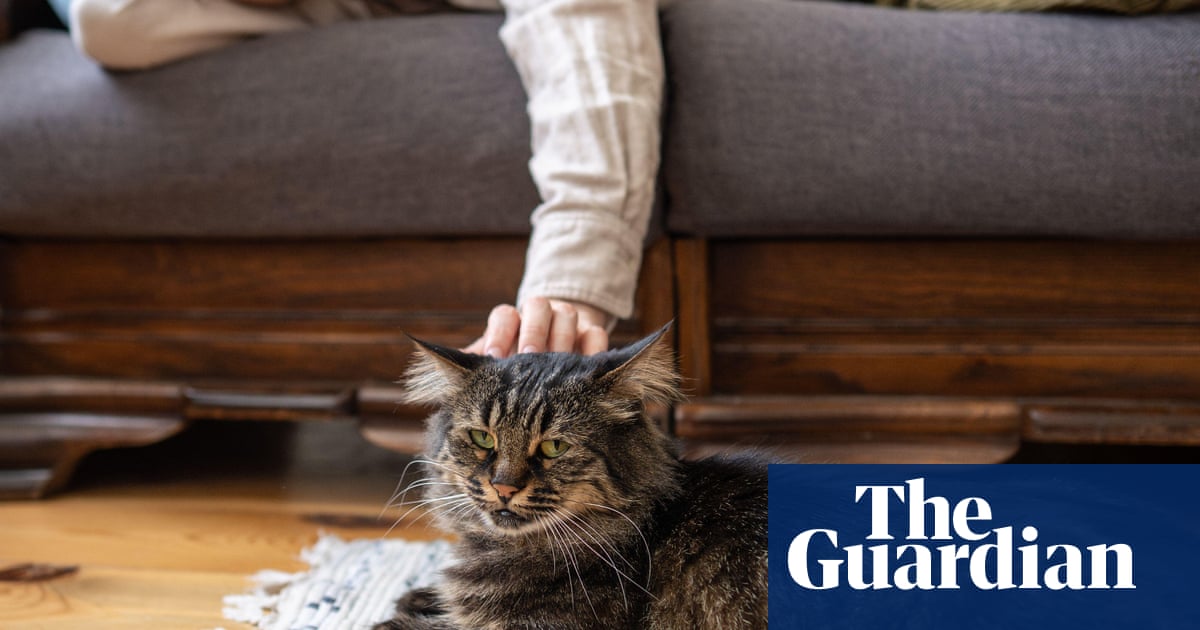
3 weeks agoPsychology says people who grieve a pet more intensely than they've grieved some relatives aren't being dramatic - the bond activates these 6 attachment pathways that human relationships often can't access, and the grief is unfiltered because the love was - Silicon Canals
Pet grief is psychologically valid because animals provide uncomplicated love and constant presence that human relationships often cannot match.
Pets
fromSilicon Canals
3 weeks agoPsychology says people who grieve a pet more intensely than they've grieved some relatives aren't being dramatic - the bond activates these 6 attachment pathways that human relationships often can't access, and the grief is unfiltered because the love was - Silicon Canals
Pet grief is psychologically valid because animals provide uncomplicated love and constant presence that human relationships often cannot match.
Public health
fromwww.theguardian.com
4 weeks agoA death scholar on why we need to stop being naive about dying: I always hear, Can't you just put me into a nice meadow?'
Australia will experience peak death around 2040 as baby boomers age, doubling annual death rates and straining healthcare systems, while end-of-life control and autonomy become increasingly valued among those with resources.
Psychology
fromSilicon Canals
1 week agoThe loneliest people in most social circles aren't the ones nobody likes - they're the kind, helpful people everyone appreciates but nobody thinks to check on because they seem so self-sufficient and together - Silicon Canals
People who appear strong and reliable often struggle silently, leading others to overlook their need for support.
Psychology
fromSilicon Canals
2 weeks agoI stopped saying 'I'm fine' and started saying what was actually happening, and the most surprising result wasn't that people helped. It was how many of them visibly relaxed, like my honesty had given them permission to stop pretending too. - Silicon Canals
Vulnerability can release emotional tension in others, challenging the norm of superficial interactions.
Psychology
fromSilicon Canals
2 weeks agoI stopped chasing closure when I realized the person who hurt me wasn't withholding an explanation. They genuinely didn't experience what I experienced. We were in the same room but two completely different events, and no conversation was going to merge them. - Silicon Canals
Closure through confrontation is a myth; healing requires accepting that different people genuinely experienced the same events differently, and no shared truth may exist.
fromSilicon Canals
3 weeks agoI'm 44 and I haven't cried since my father's funeral three years ago - not because I've healed but because somewhere between the eulogy and the drive home my body decided that was the last time and I've been waiting ever since for the next wave to come and it just won't and the numbness is worse than the grief ever was - Silicon Canals
Dr. Bessel van der Kolk writes in 'The Body Keeps the Score' that trauma doesn't just live in our minds - it reshapes how our bodies respond to emotion. Sometimes, when we experience significant loss, our nervous system essentially decides that feeling is too dangerous and shuts down the whole operation.
Mental health
Relationships
fromSilicon Canals
3 weeks agoNobody talks about the specific loneliness of being the person who always remembers-who calls on birthdays, sends the card, checks in after the hospital visit-and then realizing in your 60s that you've built an entire social life around being thoughtful and not a single person in it has ever returned the favor without being reminded - Silicon Canals
Being the person who always remembers and initiates contact creates one-sided relationships where reciprocal effort rarely develops, leading to isolation despite decades of connection maintenance.
Parenting
fromBusiness Insider
1 month agoI was the primary caregiver for my mother until she died. The responsibilities didn't end with her death.
Caregiving extends beyond a person's lifetime through managing their memory, finances, and legacy with the same dignity and respect shown during their life.
Relationships
fromSilicon Canals
3 weeks agoThere's a particular kind of loneliness that belongs to people who are everyone's safe place but have never once been asked where they go when they're the one who isn't okay - Silicon Canals
Emotional anchors in relationships experience loneliness and identity erosion when support flows persistently in one direction, threatening their sense of self and requiring reciprocal emotional exchange for psychological health.
fromSlate Magazine
1 month agoMy Friend and I Had an Awkward Conversation Before He Died. Now I'm Unsettled About What Comes Next.
We were both in our 60s and had no health problems that were about to kill us any time soon, but our parents had recently died, so end of life issues were on our minds. Plus everyone knows writing a will is the responsible thing to do. We'd talked to lawyers. While I considered my friend a close one, we didn't have many friends in common. I knew he had a brother and sister.
Law
Mental health
fromSilicon Canals
1 month ago7 signs someone is deeply lonely but has gotten so good at hiding it that even their closest friends can't tell - Silicon Canals
Loneliness often hides behind social success and busyness, affecting people who appear most put-together and socially confident while struggling privately.
fromThe Nation
2 months agoIf Something Happens to Me: A Letter to My Daughter
There are nights when we lie in your bed, fairy lights glowing above us, the city humming softly outside, and you tell me what has been sitting with you all day. Side by side under your pink quilt, you know I am all yours. It was during one of those nights when you asked me a question I couldn't answer right away.
Social justice
fromDeconstructing Yourself
1 month agoStay with the Grief
Today I saw images of students leaving their school with their hands raised in the air, hours after cowering in fear and terror in barricaded classrooms. Nine dead and twenty-seven wounded in the tiny Rocky Mountain town of Tumbler Ridge. The mayor, Darryl Krakowka, said, "I have lived here for 18 years. I probably know every one of the victims." And this in Canada, which often seems to us Americans like a bastion of sanity and normalcy in comparison with our madness.
Mindfulness
fromPsychology Today
2 months agoWhy the Grief Ripples So Deeply When an Advocate Dies
'They're dead.' In disbelief, my response was unfiltered. 'What?' Followed by the F word. A wave of emotion rushed through me. My chest tightened. My body went cold. I could not immediately find the words to offer condolences, not because I did not feel them deeply, but because inside, my many parts were experiencing a collective shock. When you live with dissociative identity disorder (DID), news like this does not land in one place. It ricochets across all parts within.
Mental health

fromPsychology Today
1 month agoDon't Wait Until the Last Second to Say Goodbye
My New Year's resolution this year is to slow down with endings. To be more intentional about the last moments of coffee catch-ups, birthday parties, family visits, or even work Zooms. To go beyond bye and make space for appreciation and love. It's been harder than I anticipated. The reflexes of "nice to meet you," "good catching up," and "love you" are so ingrained that even when I feel more, sometimes much more, I settle for a wave.
Relationships
fromPsychology Today
1 month agoFind Comfort in Friendships During Turbulent Times
Lately, I've started noticing the importance of friendship in my life. This comes at an unheard-of time of change, disruption, and societal trauma. While it may not be surprising that I'm personally feeling the importance of a few close, deep friends ('heart friends'), it spurred me into thinking about how others are faring at this time and how close, bonded friendships may help us. In fact, friendships are positively correlated with emotional well-being, which we all could use more of right now.
Relationships
fromSlate Magazine
2 months agoOvercoming Grief Through Ritual
When we think of rituals, we tend to think of face masks and wellness trends. But there are actually ways to use rituals to help heal grief and deal with stressful times. On this episode, Lucy Lopez, Elizabeth Newcamp, and Zak Rosen are joined by ritual expert Betty Ray to talk about creative ways to help children process grief and big emotions, how to use ritual to create safety and expression, and much more.
Mental health
[ Load more ]