#tariff-costs
#tariff-costs
[ follow ]
#tariffs #trade-policy #supreme-court #inflation #ieepa #us-trade-policy #middle-east-conflict #economy #e-commerce
#tariffs


US politics
fromwww.npr.org
1 month agoTrump's many tariff tools mean consumer prices won't go down, analysts say
Consumers will not see cheaper grocery and retail prices despite the Supreme Court striking down some Trump tariffs, as the administration uses alternative legal tools to reimpose import taxes and price stickiness prevents price reductions.

fromwww.businessinsider.com
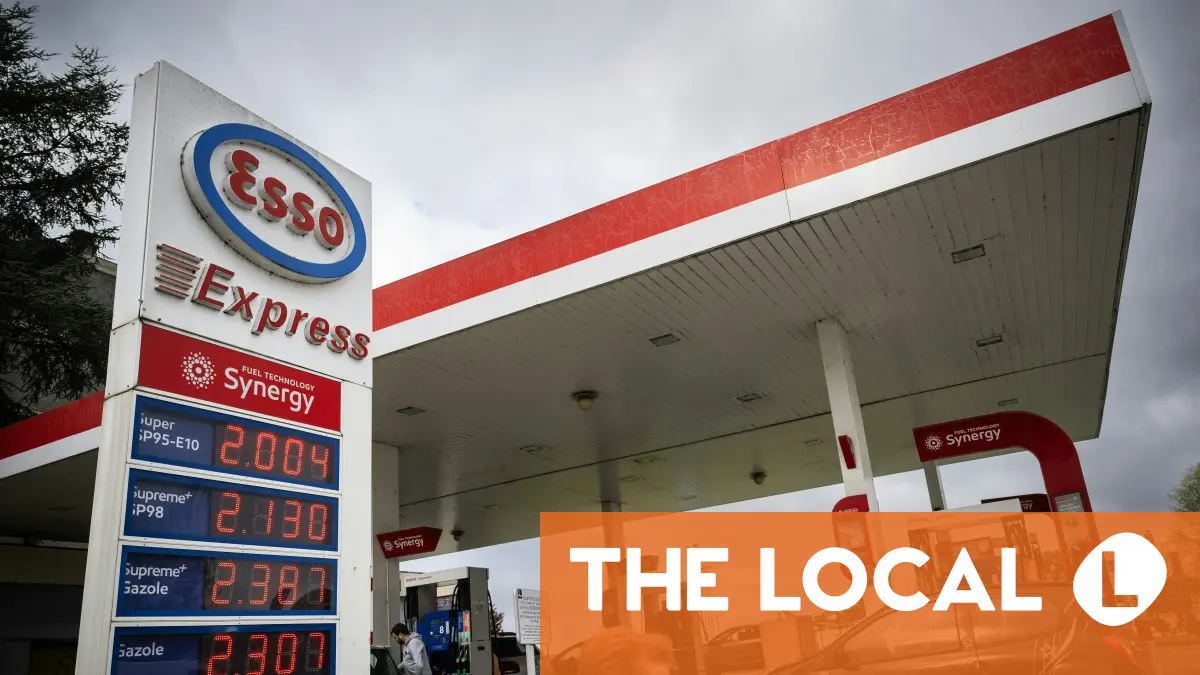
11 hours agoYour produce bill is about to get pricey as the Iran war jacks up US food costs
"Fresh food and perishables are almost like the canary in the coal mine," when energy prices go up, according to Vidya Mani, an associate professor at the University of Virginia's Darden School of Business.
Agriculture


fromLondon Business News | Londonlovesbusiness.com
5 days agoGlobal markets react to geopolitical tensions and rising energy costs - London Business News | Londonlovesbusiness.com
U.S. financial markets experienced a volatile week, largely influenced by geopolitical developments in the Middle East and fluctuations in energy prices. Investor sentiment was driven primarily by external events rather than domestic fundamentals.
Business
fromwww.cbc.ca
3 days agoHere's where you will or won't see a fuel surcharge | CBC News
Jet fuel tends to be an airline's biggest expense. An analysis by the International Air Transport Association showed that, for the week ending March 27, the weekly average price of jet fuel has skyrocketed 116.8 per cent compared to the previous year's average.
Canada news
fromwww.dw.com
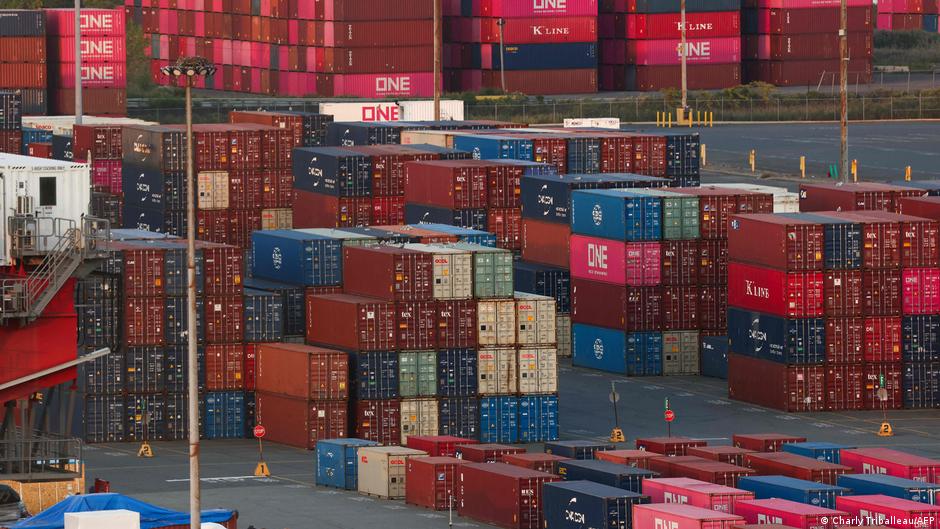
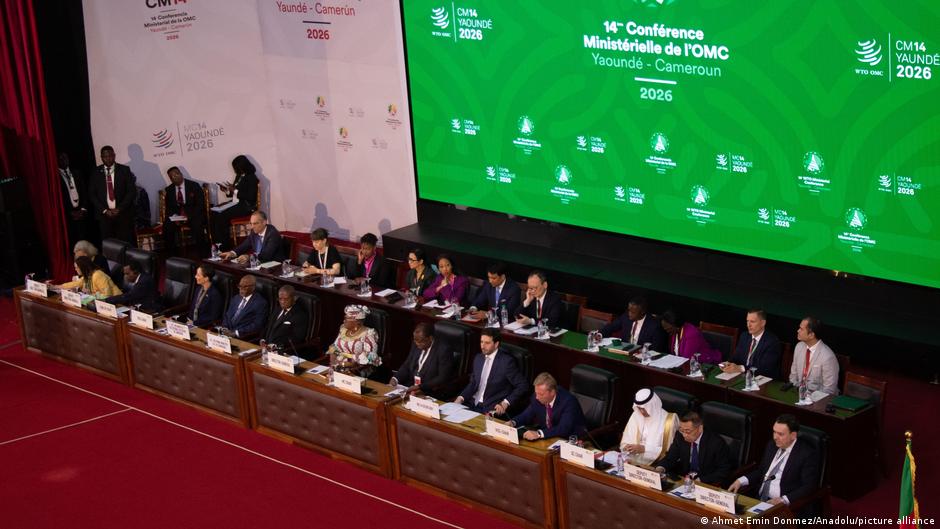
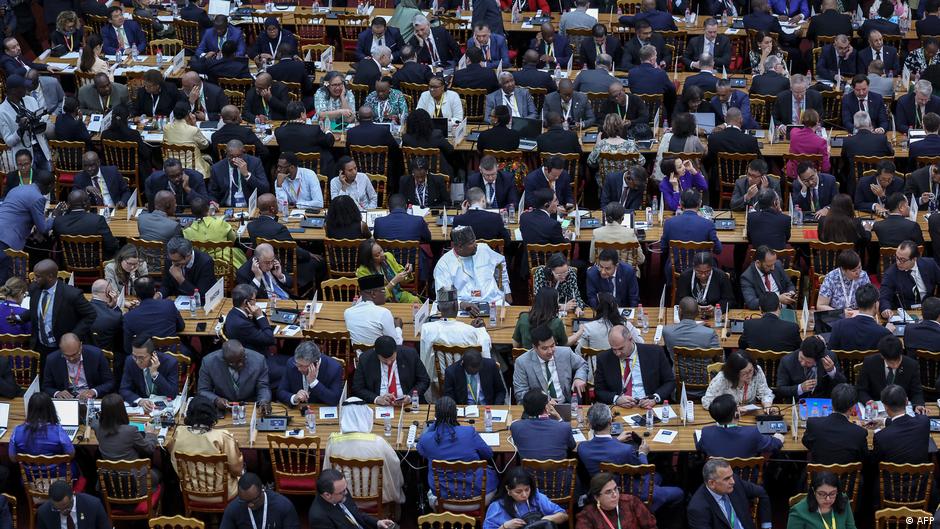
4 days agoAfter the Iran war, how fast could global trade recover?
The longer this conflict goes on, the more devastating its impact will be on the world's energy supplies, inflation and economic stability. Every extra week of disruption raises costs for consumers and businesses while growth slows.
World news
Europe news
fromLondon Business News | Londonlovesbusiness.com
5 days agoUK government stands aside as others globally cut fuel taxes - London Business News | Londonlovesbusiness.com
The UK government has not reduced fuel duty despite rising oil prices, unlike other countries that have implemented tax cuts to alleviate costs for consumers.
#tariff-refunds
Intellectual property law
fromFortune
3 weeks agoTariff refund process could be ready by the spring, customs official says | Fortune
U.S. Customs and Border Protection is developing a streamlined refund system for approximately $166 billion in illegal tariffs paid by over 330,000 importers, expected to be ready within 45 days.

Intellectual property law
fromFortune
3 weeks agoTariff refund process could be ready by the spring, customs official says | Fortune
U.S. Customs and Border Protection is developing a streamlined refund system for approximately $166 billion in illegal tariffs paid by over 330,000 importers, expected to be ready within 45 days.
fromLondon Business News | Londonlovesbusiness.com
2 days agoUS dollar rose amid a rebound in geopolitical concerns - London Business News | Londonlovesbusiness.com
The US dollar returned to the upside as geopolitical fears rebounded after US President Trump's address to the nation. The rhetoric fuelled risk aversion and flows toward the dollar while oil prices surged.
US Elections
fromBusiness Insider
2 weeks agoPaid IEEPA tariffs on overseas purchases? Here is what shipping companies are saying about refunds
After Trump ended the de minimis exemption last year, purchasing an item straight from an international vendor, regardless of the item's value, meant incurring International Emergency Economic Powers Act tariffs. Now, thanks to a ruling by the Supreme Court that overturned Trump's IEEPA tariffs, and a ruling by the Court of International Trade ruled that all tariffs paid under IEEPA must be returned, buyers may be able to collect a refund.
European startups



European startups
fromwww.dw.com
3 weeks agoUS trade probes could lead to new tariffs for EU, China
The US launched two trade investigations targeting excess industrial capacity and forced labor imports, potentially leading to new tariffs on major trading partners after the Supreme Court limited Trump's tariff authority.
US politics
fromwww.theguardian.com
1 month agoTrump's new tariffs may boost his ego but they'll damage the economy | Steven Greenhouse
Trump imposed new tariffs after courts overturned his previous ones, prioritizing his ego over economic benefit, resulting in widespread disapproval and negative impacts on consumers, businesses, and economic growth.
Europe news
fromLondon Business News | Londonlovesbusiness.com
3 weeks agoTrump Weighing Up Fresh Tariff Framework and Markets - London Business News | Londonlovesbusiness.com
European markets decline amid rising energy prices and stagflation concerns, while defence stocks gain on Iran conflict tensions and oil prices surge past $94 despite IEA's strategic reserve release.
Intellectual property law
fromPatently-O
1 month agoForthwith, Part II: CIT Orders Refunds for All Importers, Not Just Litigants
After the Supreme Court invalidated IEEPA tariffs, CBP continued collecting unlawful duties without issuing refunds until a federal judge ordered comprehensive relief for all affected importers regardless of litigation status.
US politics
fromFortune
1 month agoTrump brags that America is 'winning so much.' Without tariffs, "we could have seen more of the good news," IMF director says. | Fortune
The U.S. economy shows strong growth and resilience, but chronic budget deficits and tariff-based trade policies threaten its long-term fiscal health.
fromFortune
1 month agoSupreme Court limits Trump tariffs, but CFOs still face a volatile trade landscape | Fortune
Good morning. The Supreme Court's ruling on President Trump's tariff authority did more than redraw the boundaries of executive power. It also potentially shifted the operating environment for finance chiefs and manufacturers managing sustained trade-policy volatility. In a 6-3 decision on Friday, the justices ruled that Trump overstepped by using the International Emergency Economic Powers Act to levy tariffs throughout much of 2025, striking down portions of the duties on steel, aluminum, and some Chinese imports.
US politics
fromwww.theguardian.com
2 months agoIMF warns tariffs and geopolitical tensions threaten markets and global growth
The International Monetary Fund has warned mounting geopolitical tensions and an escalation of Donald Trump's tariff war could hit global economic growth and trigger a backlash in financial markets. In an update as Trump threatens to impose tariffs on Nato allies opposed to his ambitions in Greenland, the Washington-based fund said a renewed eruption in trade tensions was among the biggest risks to global growth in 2026.
World news
fromFortune
1 month agoHoping for a tariff refund? Trump officials say they are waiting for lower courts to provide instructions. 'They created the situation' | Fortune
That's after Trump attempted to use the International Emergency Economic Powers Act for the first time as a vehicle for imposing tariffs, when he unveiled his "Liberation Day" duties last year. The tariffs were quickly challenged in court. While arguing the case last spring, Justice Department lawyers acknowledged that if the tariffs were deemed unlawful, then the government would issue refunds to the plaintiffs.
US politics
US politics
fromLondon Business News | Londonlovesbusiness.com
1 month agoTrump Hikes Global Tariff to 15% Defying Supreme Court - London Business News | Londonlovesbusiness.com
Donald Trump raised the global tariff to 15% on most U.S. imports, invoking Section 122 of the Trade Act of 1974 and asserting presidential authority.

[ Load more ]