UX design
fromMedium
10 hours agoDesigners: We are perpetuating our own burnout problem
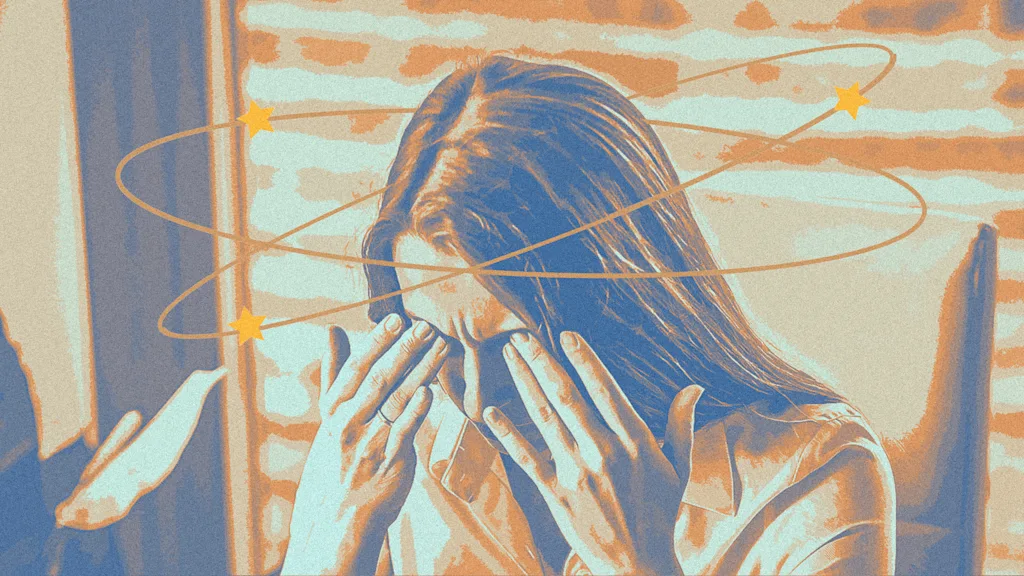
Design and research roles experience the highest burnout rates in tech, driven by external pressures and internal frameworks that may not support well-being.
One of the reasons we did this work is because we saw this happening to people who were perceived as really high performers. In the study, 14 percent of workers said they had experienced mental fatigue that results from excessive use of, interaction with, and/or oversight of AI tools beyond one's cognitive capacity.
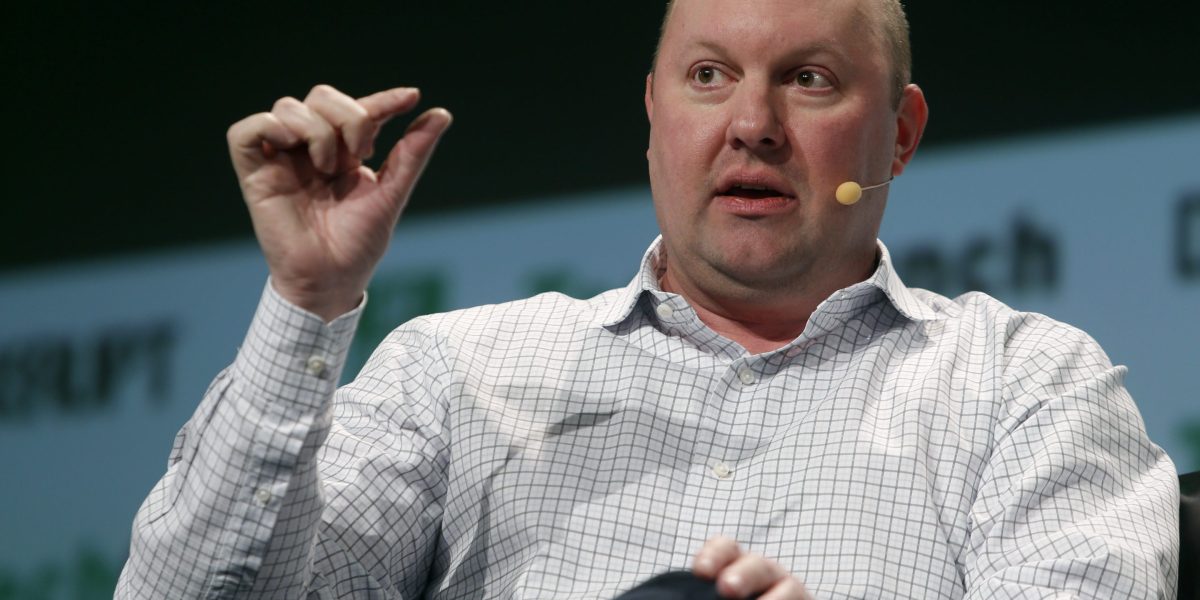
"I seriously think founders and company leaders and engineering leaders at all levels, all the way down to line managers, have to be aware of this and realize that you might only get three productive hours out of a person who's vibe coding at max speed," he said. "So, do you let them work for three hours a day? The answer is yes, or your company's going to break."
The only winners of a 100% work at home situation are Adobe, Zoom, our pets and the divorce attorneys. Here's why it's now time to implement a hybrid approach to working in the office. The pandemic has reaffirmed a collective solace, purpose and permission to transform the everyday moments we may have taken for granted, into even more meaningful experiences.
"We used to call it an engineer, now it is like a reviewer," Khare told Business Insider. "Every time it feels like you are a judge at an assembly line and that assembly line is never-ending, you just keep stamping those PRs." Khare wrote a lengthy essay titled "AI fatigue is real and nobody talks about it." In it, he wrote that AI fatigue is "the kind of exhaustion that no amount of tooling or workflow optimization could fix."