Photography
fromAol
11 hours ago31 photos that show what life looked like in 1985
1985 was characterized by iconic pop culture, fashion, and childhood experiences captured in everyday life through photographs.
Iceboxes were large lined, insulated wooden cupboards built to store ice, food, and drinks. The ice would usually be placed on the upper shelf, with the food and drinks below, and the cool air from the melting ice would help to keep everything nice and chilled.
"We're constantly striving to strike a balance between work that respects academic rules of composition, established visual codes and good readability, with something more spontaneous, adventurous, playful, even naive."
The Saturnix camera is designed to evoke the industrial aesthetic of 1980s science fiction, featuring a chunky body that feels more at home on a spaceship than in a pocket. The design is intentional, aiming to create a functional tool that stands apart from the sleek, uniform consumer electronics of today.
Upload any picture or video, and Musubi uses artificial intelligence to extract the most important part and hover it in space as a 3D image within the frame. That could be a video of a child's first steps or a snapshot of a birthday party. The image will be displayed in 3D form, viewable in all its holographic glory across nearly 170 degrees.
The lyrics have a rather annoying quality to them, similar to the way that other songs like "Call Me Maybe" by Carly Rae Jepsen, "Fireflies" by Owl City or even "Friday" by Rebecca Black did in their time - songs that gained rapid popularity and, just as quickly, sparked rapid backlash from many due to overexposure to them.
Sure, the AirPods Max come in colors - but there's something so cold and un-emotional about anodized aluminum. It grabs your eye, but then immediately lets your eye wander once your fingers have run past its cool matte surface. Aluminum's only purpose was to help build devices that were sleek and thermally advantageous. The problem, however, is that the AirPods Max aren't 'sleeker' than your average headphone.
I furnished my last design studio with bespoke Danish shelving, three Eames desk units, nine glass tables, 12 chairs, etc. When I closed the studio I moved the furnishings plus a few hundred design books-including books I'd written, foreign translations of my work, books by other designers that I'd published, translations of some of those books, oversized and rare design books, books signed by their authors and sent to me, and so on.
San Diego-based Vanna Jimenez became a beauty influencer by accident. A year ago, she began posting her morning routines on TikTok and Instagram out of her tiny antique bathroom. While she initially focused on her love of 1960s fashion, her skincare and makeup - tossed artfully across a silver tray piled with her coffee, jewellery, toothpaste, books and accessories - quickly gained followers and the attention of beauty brands.
We might be exposed to more ads and commercials today than ever before in human history, but the idea of advertising itself is certainly not a new concept. According to Instapage, the first signs of advertisements actually appeared in ancient Egyptian steel carvings from 2000 BC. Meanwhile, the first printed ad was published in 1472, when William Caxton decided to advertise a book by posting flyers on church doors in England.
What telling people to touch grass ignores, in part, is that grass is not all that good to touch. It's itchy and sticky - there could be bugs in there. There's a far more profoundjoyin touching machines, as is shown again and again in Albert Birney's Obex, which functions as both a shrine to and warning about our reliance on technology.
Helping people to reconnect with old memories, viewers are transported to their local corner shop, school playgrounds and childhood cupboards. "I think this project has struck a chord because there's a particular interest in hand drawn designs of the past in the current age of AI where human effort is at an all-time low. Now the first thought is 'I'll get AI to do that', rather than commissioning an illustrator," says Chris.
Memes have become the clearest and most direct language of digital culture: condensed fragments of reality that synthesize the complexity of the present and circulate at the same speed as a society surrendered to hyperstimulation. From the Dancing Baby of the 1990s to the endless templates of X, Instagram, or TikTok, memes have evolved from simple ephemeral jokes to veritable systems for decoding the world, semiotic capsules that allow us to process the political, the social, and the intimate.
We've both fought against needless promotional content before and lamented that frontier AI platforms are falling into the same pattern. As designers and users, we've learned that "free" usually means putting up with interruptive, slightly creepy ads that feel more like a tax than a benefit - a frustration tax that now colors how we approach free‑tier services and now AI tools.
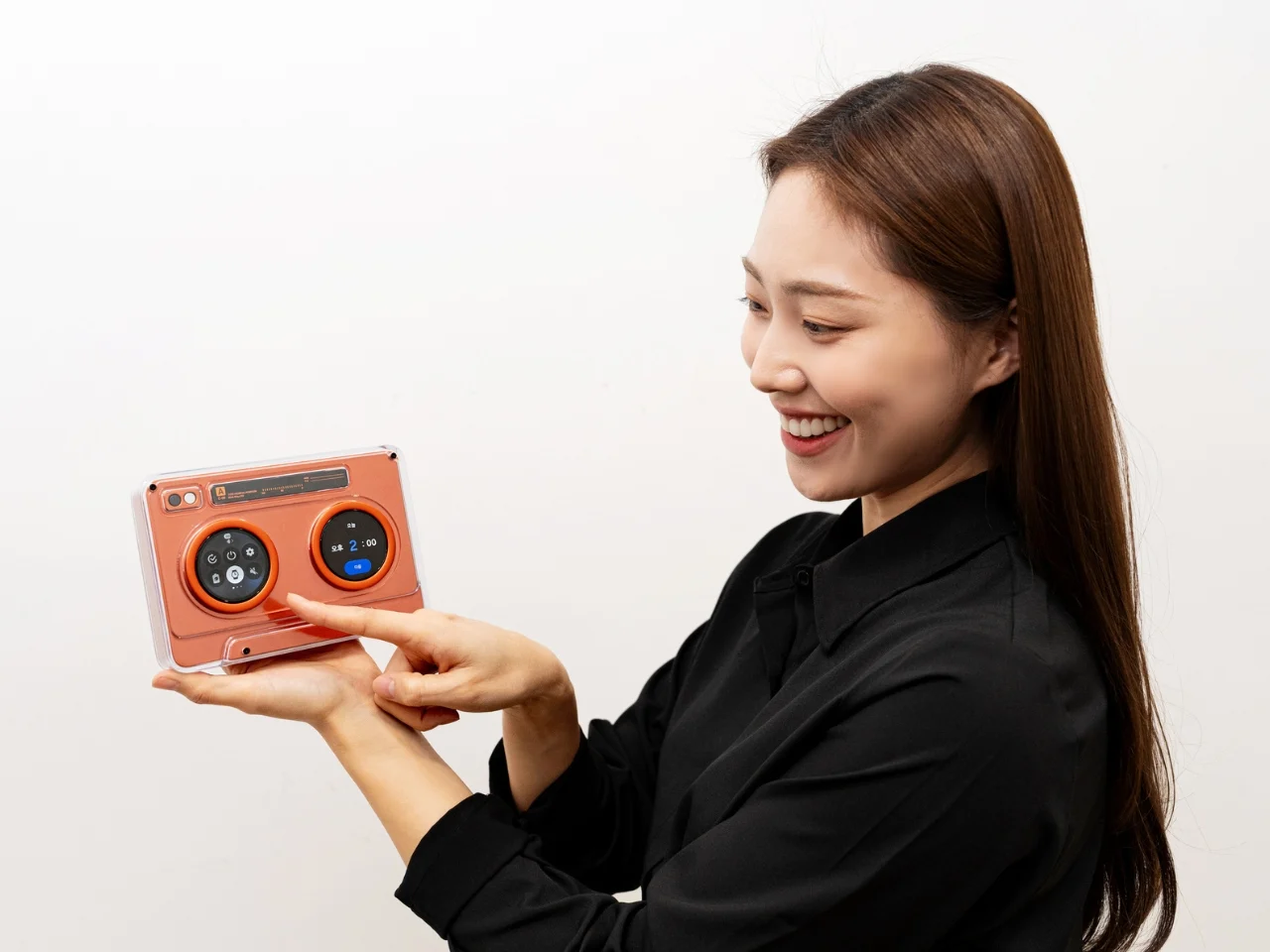
It takes the classic tape deck design and turns it into a smart speaker with two tiny 1.5-inch circular OLED displays. They're in that place where the spinning reels used to be, since this isn't exactly a cassette player. On the left, you get the playback controls and on the right side, you get a digital waveform or equalizer. Both screens are touch-sensitive, letting you interact directly with the device without constantly reaching for your phone.
There's a particular kind of design intelligence that knows when to slow down. The Crydal Phantom Clock, designed by Daniel van der Liet, is one of those rare objects that rejects the frantic pace of modern consumer tech in favor of something more deliberate. It's a desk clock, yes, but calling it just a clock misses the point entirely.
The main problem with the existing homepage was that, besides the most recent posts, other content, once it aged and 'fell off' the front page, was then difficult to discover. The new design makes more use of available screen 'real estate', is visually much richer, and reorganizes 18 years of posts, so that even older long-forgotten posts are more easily found.
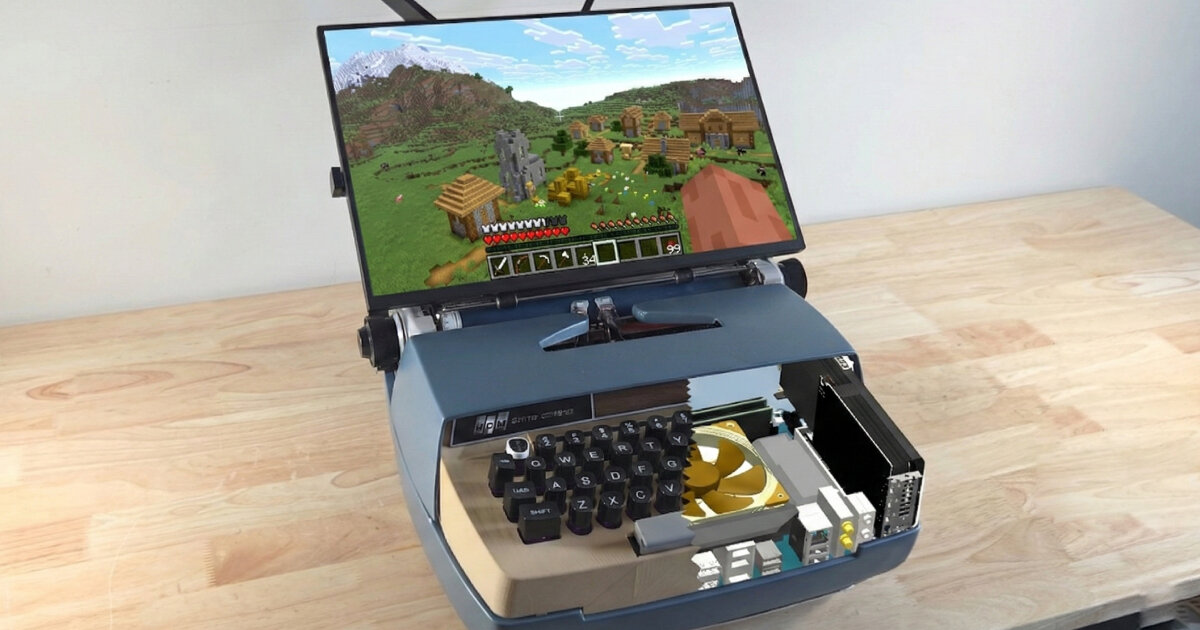
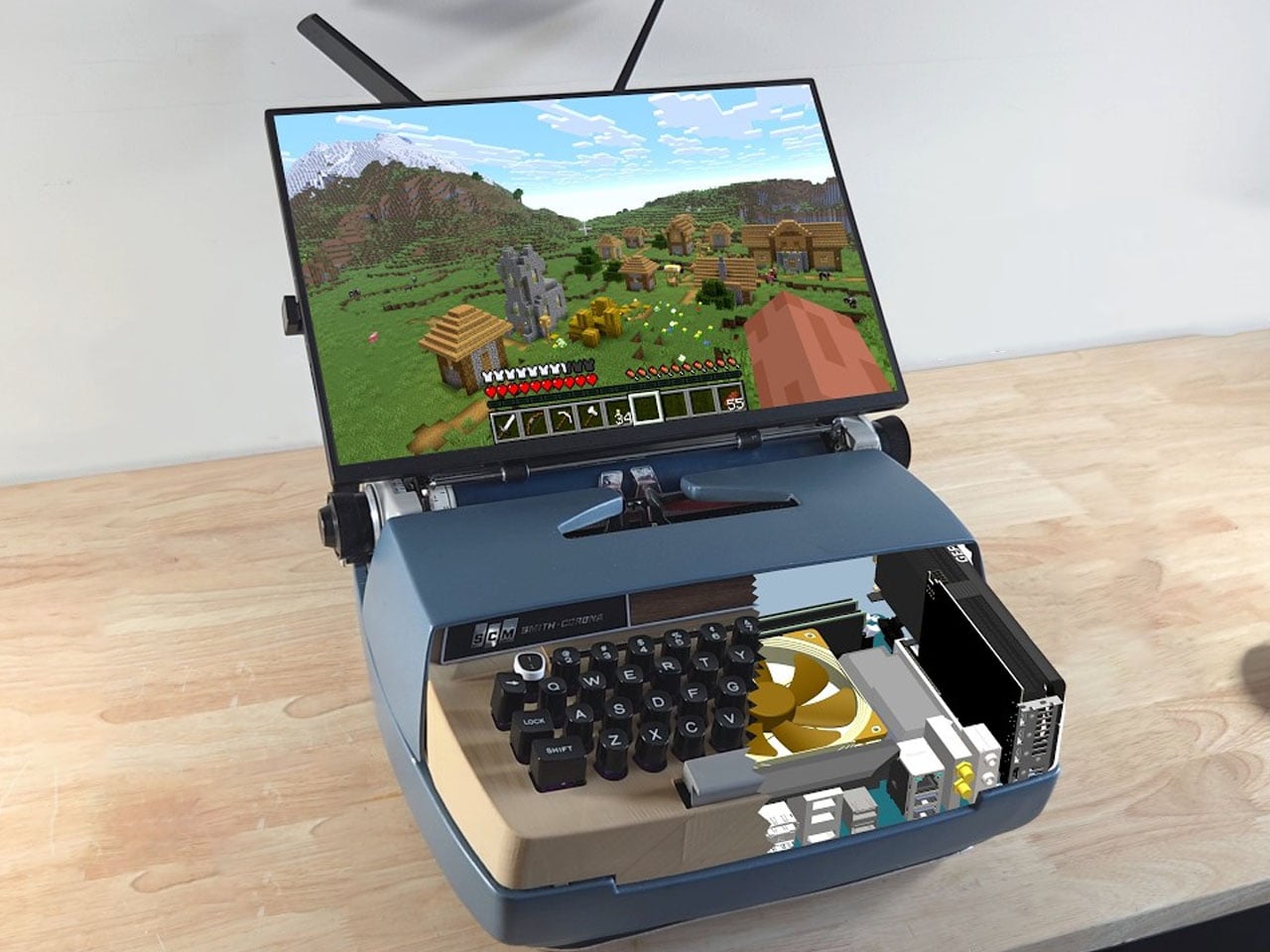
At first glance, the GIA looks like it time-traveled from a 1960s Italian design studio, stopped briefly in 2026 to pick up some modern tech, and landed on your desk with a personality. The inspiration comes from Olivetti typewriters, those gorgeous mechanical machines that made office work feel like an art form. Remember when tools had character? When objects didn't just function but made you feel something? That's what Bedrina is tapping into here.