#the-wilding
#the-wilding
[ follow ]



fromArchDaily
2 days agoColdefy Leads Winning Masterplan to Transform Budapest Brownfield into Rewilded Urban District
The regeneration plan includes over 10,000 apartments, new transportation links, and commercial and civic spaces, forming a comprehensive urban redevelopment strategy aligned with 15-minute city principles.
Renovation

fromwww.scientificamerican.com
2 days agoSee these ziti-sized fish scale a 50-foot waterfall
During major floods, thousands of tiny fish convene at Luvilombo Falls in the upper Congo River Basin to undertake a peculiar vertical migration, described for the first time today in Scientific Reports.
OMG science
fromHigh Country News
4 days agoForest Service overhaul sows confusion, concern - High Country News
"Nobody is asking for this. None of the farm groups want this. No one in conservation wants this. Nobody." Robert Bonnie, former Forest Service undersecretary, highlights widespread opposition to the reorganization.
Washington DC
fromMail Online
4 days agoBritain has just 20 years to save its wildlife, experts warn
'Our results show that the next 20 years are critical,' lead author Dr Rob Cooke told the Daily Mail. 'By around 2050, we reach a point where the choices we make on emissions and land use will largely determine whether Britain moves towards a much more degraded or a much more nature‑positive future.'
Environment
fromFast Company
3 days agoBig Bear's internet famous bald eagles have entertained millions. Now they need millions to save their home
Jackie, the world-famous Big Bear bald eagle, has been melting hearts and educating the public about her species since 2015, thanks to a web camera run by the California nonprofit Friends of Big Bear Valley (FOBBV).
Fundraising
fromdesignboom | architecture & design magazine
1 week agobionic tumbleweed ball heals damaged lands as it rolls around and plants seeds
The Wasteland Nomad is built from biochar and seeds of indigenous plants, which are both biodegradable materials. Biochar works like a sponge inside the soil, as it holds water, gives microbes a surface to live on, and locks carbon into the ground instead of letting it escape into the air.
Design
Mindfulness
fromPsychology Today
2 weeks agoYour Brain Needs the Outdoors More Than You Think
Human brains evolved outdoors and require natural environments to function optimally; modern indoor lifestyles cause mental fatigue that nature exposure restores through soft fascination and circadian rhythm regulation.
Mental health
fromwww.theguardian.com
3 weeks agoIt has changed my life': How a dose of nature is treating mental illness
Dose of Nature prescribes outdoor time as mental health treatment, achieving 64% recovery rates compared to NHS talking therapies' 50%, with nature exposure providing serotonin boosts and immune system benefits through phytoncides.
Agriculture
fromdesignboom | architecture & design magazine
1 week agourban rewilding in practice: restoring london's heathland for humans, sheep, and ecology
Sheep grazing is proposed to regenerate urban heathland ecology, creating a continuous ecological corridor that supports both human and non-human systems.
fromwww.bbc.com
3 weeks ago'Green lung' west London nature reserve confirmed
This declaration establishes a much-needed green lung for this part of the borough. Our charity launched this campaign back in January 2021. At that time, we were emerging from Covid lockdown, and people were discovering the wonders of nature and wildlife on their doorstep in the Brent River Park.
London food
Chicago Bears
fromCalifornia Post
1 month agoDeadly apex predator being mulled for release in California after 100-year absence
California lawmakers are considering reintroducing grizzly bears through Senate Bill 1305, which would require a scientific assessment and consultation with Native American tribes about restoring the species extinct in the state for over a century.
fromHigh Country News
1 month agoCoyotes and cougars and rats, oh my! - High Country News
An unnamed tourist saw it and told Aidan Moore, who works for Alcatraz City Cruises. Moore told SFGATE that he was initially skeptical, but the guest's iPhone footage left little room for doubt. The video shows, not a sea lion or an otter, but an actual Canis latrans, doggedly dogpaddling, then clambering out of the water, noticeably shaky and struggling to settle tired paws on the craggy rocks.
California
fromwww.theguardian.com
2 weeks agoSmall changes in how we garden can make a big difference to birds | Letter
Around a third of UK gardeners use pesticides, and our studies found that house sparrow numbers, for example, were nearly 40% lower in gardens where the pesticide metaldehyde was used. By reducing pesticide use, you can actively encourage birds back into your outdoor spaces, as they rely on invertebrates such as slugs and snails as natural prey.
Pets
Pets
fromwww.theguardian.com
2 weeks agoCreate hedgehog havens and seven other ways to help our prickly friends
UK hedgehog populations have declined 30-75% since 2000 due to habitat loss, pesticides, vehicle strikes, and climate change, but urban recovery shows promise with citizen science and habitat connectivity efforts offering practical solutions.
Environment
fromwww.theguardian.com
2 weeks agoEngland should give over 7% of land to nature and renewables to meet environmental targets, data shows
England must allocate 7% of its land to nature, forests, and renewable energy to meet environmental targets while maintaining food production and housing capacity.
Social justice
fromNature
1 month agoMy professor said 'Black people are not interested in the environment'. I set out to prove him wrong
Dorceta Taylor pioneered research, programs, and leadership to document and advance racial diversity, inclusion, and environmental justice within environmental science and conservation.
Environment
fromwww.theguardian.com
1 month agoAustralian wildlife in harm's way' with volunteers left to pick up the pieces' amid climate crisis, fires and floods
Labor is urged to establish national wildlife protection standards for disaster response, with advocates warning biodiversity risks could become irreversible without coordinated government-funded rescue and rehabilitation services.
Environment
fromwww.theguardian.com
1 month agoLynx could return to Scotland but can rewilders win over wary Highlanders?
Scottish wildlife charities are pursuing a six-year effort to reintroduce lynx to Scottish forests, with 61% public support, while conducting extensive consultations with farmers and stakeholders to address livelihood concerns and build acceptance for the apex predator's return.
fromHigh Country News
1 month agoIt's time to rethink how we care for our public lands and waters - High Country News
Wildlife populations are in decline. Recreation sites are crowded and often underfunded. Wildfires are larger, more destructive and harder to control. Climate change is reshaping natural systems, from ocean fisheries to mountain snowpacks, faster than institutions can respond. At the same time, communities are being asked to host new energy projects, transmission lines and mineral development - often without clear processes, adequate resources or trust that decisions are being made in the public interest.
Environment

fromwww.dw.com
2 months agoThe business of saving nature
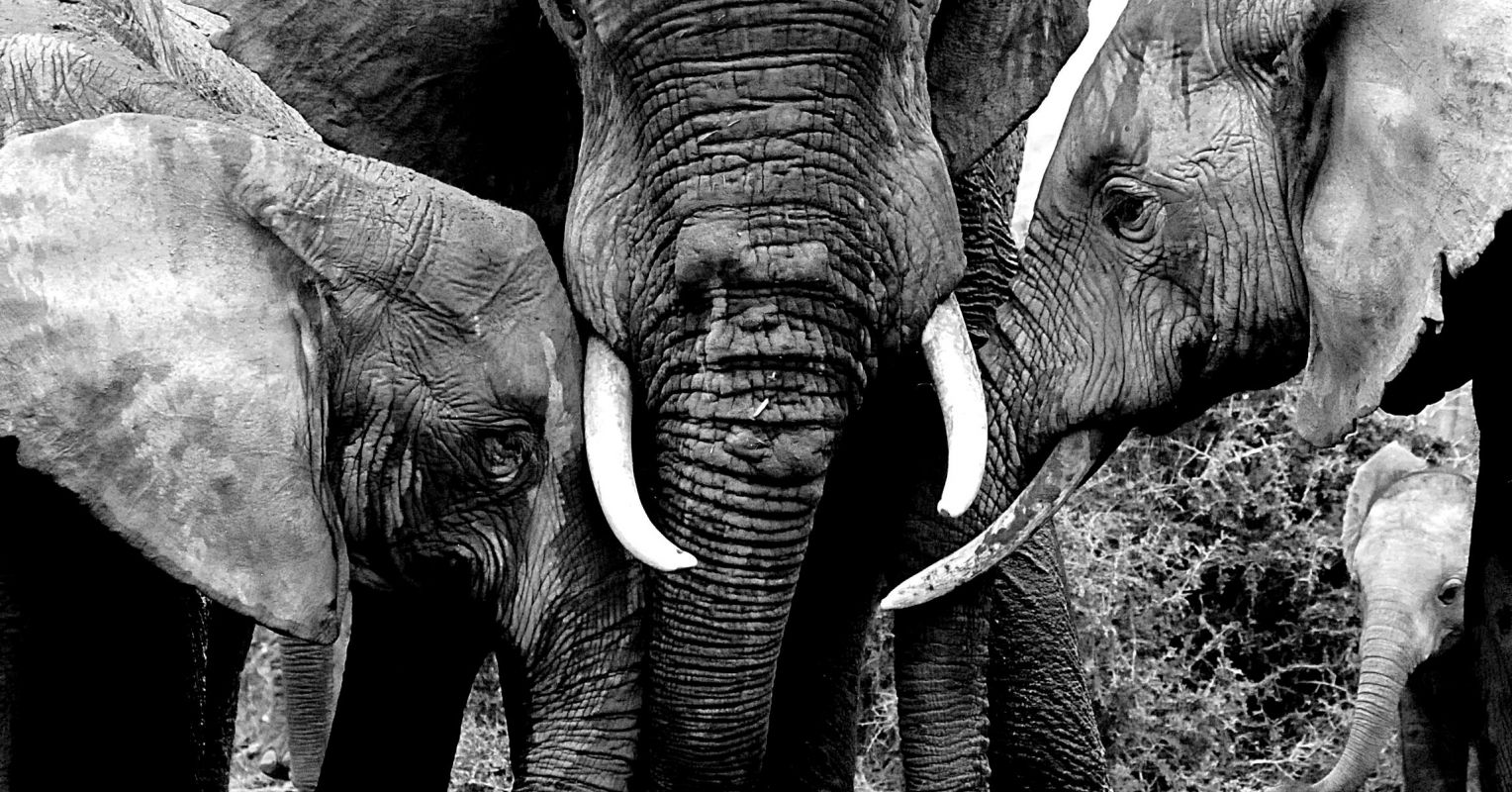
The world spends 30 times more money destroying nature than protecting it. That's according to a new report from the United Nations Environment Programme (UNEP) that exposes a massive gulf between so-called "harmful investments" and financing that promotes nature preservation. The global environment agency's latest "State of Finance for Nature" (SNF) report is calling to phase out the US$7.3 trillion (6.2 trillion) in global investments that damage nature including into high-emissions energy infrastructure and manufacturing, for example.
Environment

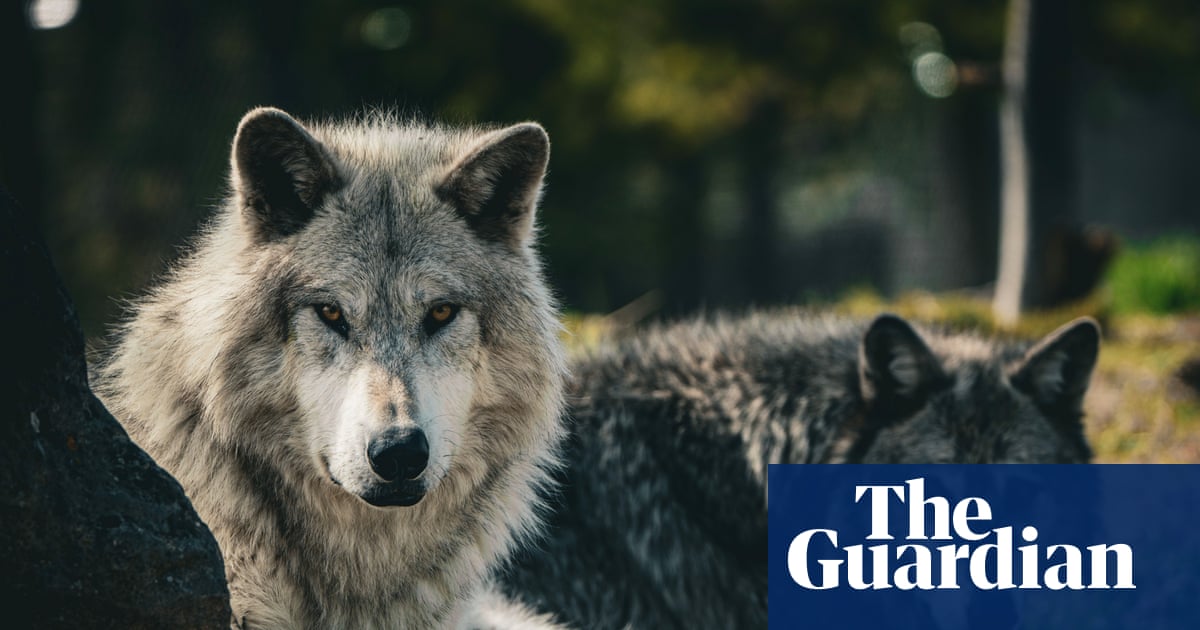
fromwww.theguardian.com
2 months agoThe Guardian view on risks from biodiversity collapse: warnings must be heeded before it's too late | Editorial
Originally due to be published in the autumn, the review appears to have had some sections removed. An earlier version is reported to have included warnings about the risks of eco-terrorism and the growing likelihood of war between China, India and Pakistan due to competition over a shrinking water supply from the Himalayas.
Environment
fromwww.theguardian.com
2 months agoRare butterflies bounce back after landowners in Wales cut back on flailing hedges
Conservationists have now persuaded landowners to cut hedges in a more gentle rotation, with sections left uncut for up to three years, to enable more eggs to survive over winter. The caterpillars emerge with the foliage in spring and hatch into adult butterflies in July. The brown hairstreak is difficult to spot as a butterfly but every winter volunteers assess its populations by counting its minuscule cream-coloured eggs, which with careful searching are visible on the bare branches of blackthorn.
Environment
[ Load more ]