Design
fromPsychology Today
2 hours agoThe Future of Brain Health Is Architecture
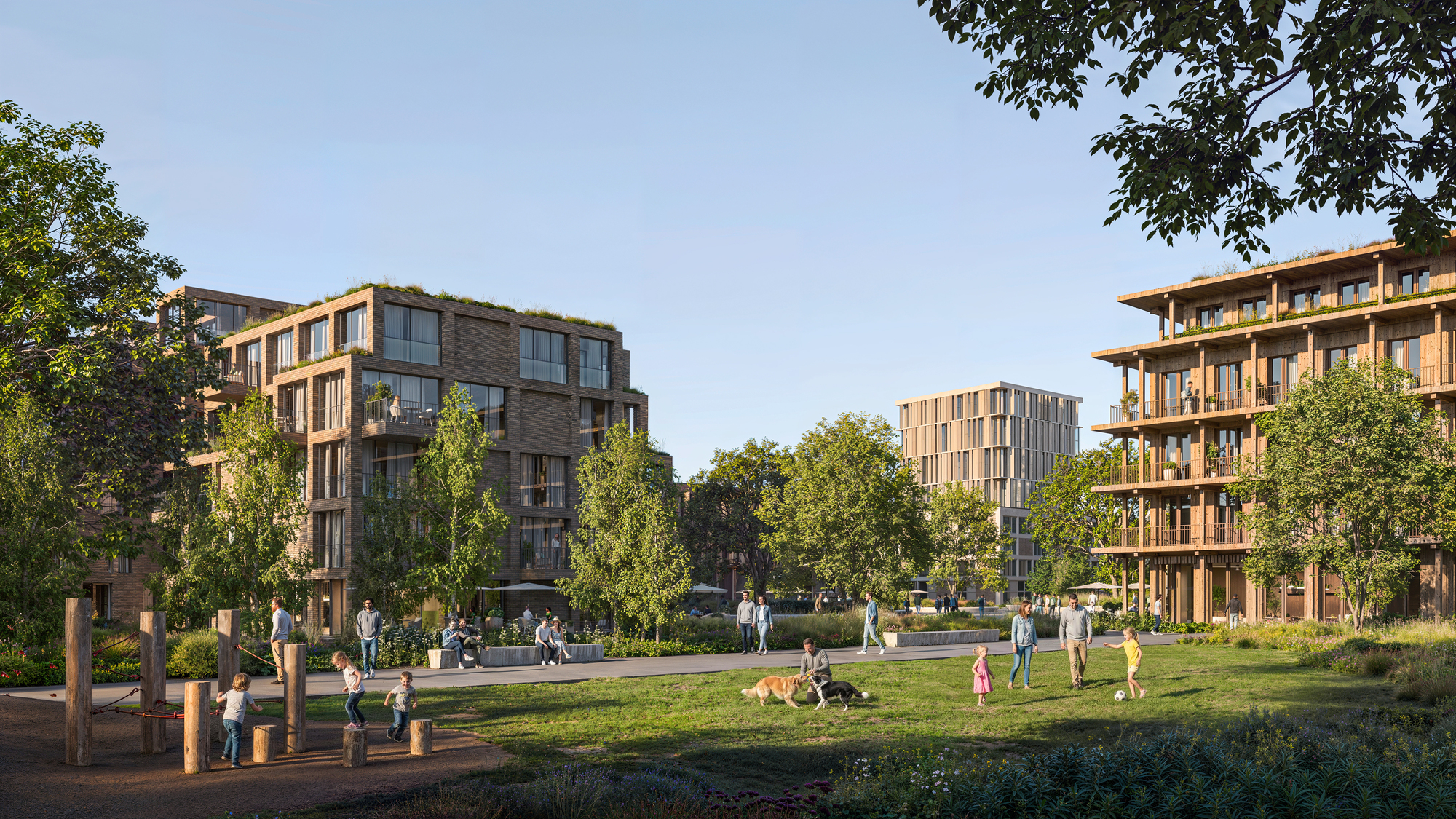
The built environment significantly influences mental health, mood, and performance, with neuroscience guiding design for improved well-being.
Air pollution is the second-largest risk factor for early death globally. Traditionally, our response has focused on reducing the levels of pollution people breathe, but this is only part of the story.
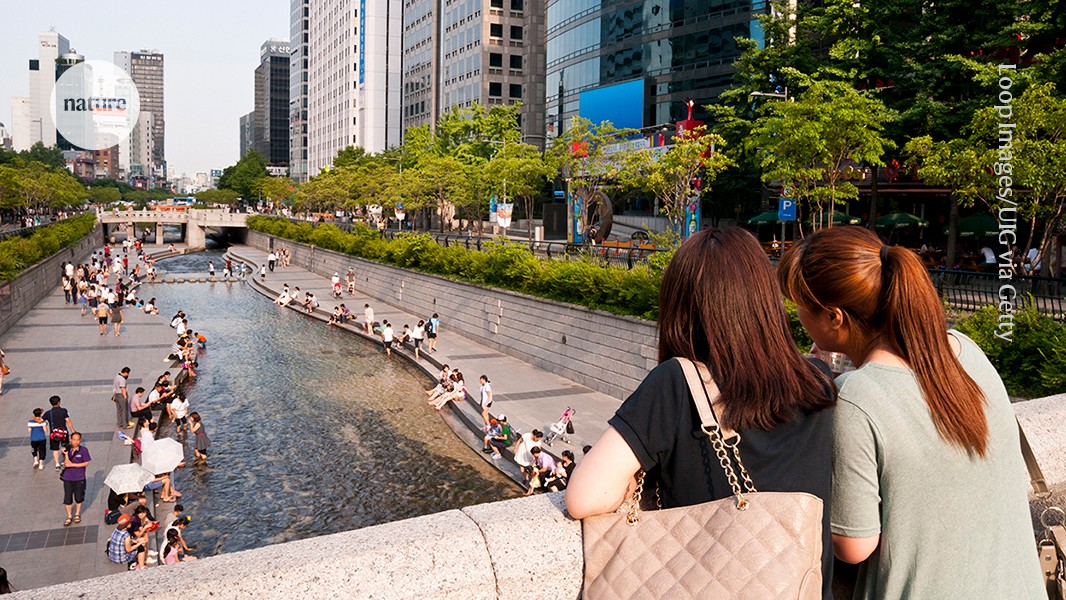
"This project is symbolic of what we've done over the last 12 years, reshaping the streets and the city," Christophe Najovski, the city's deputy mayor in charge of green spaces, stated during the opening ceremony.
The Greenbelt, an over 800,000-hectare ecologically sensitive zone around the Greater Golden Horseshoe, was created in 2005. It provides environmental protection and specifies where development should not occur.
Meininger, who grew up in Germany but now lives in London, likes making things. So when he saw how much his young sons enjoyed the jungle gym and play forts at the local park, he made an indoor treehouse for them.
Ocasio-Cortez emphasized the need to protect the community, stating, 'On behalf of my constituents and nearly 64,000 local residents impacted by this project, I am requesting that your administration reject any plans to expand the Cross Bronx Expressway beyond its current footprint.'
In 2019, scientists found that balloons eaten by seabirds are more likely to kill them than other kinds of plastic yet they do not seem to have been earmarked in the same way as, for example, plastic straws.
The first three months of 2026 were among the three safest first-three-month periods since records started being kept at the dawn of the Automobile Age, with only 42 fatalities from car crashes in New York City.
Campaigner Aysha Hawcutt stated that residents were 'not anti-homes', but believed the Adlington plan was 'the wrong proposal in the wrong place'. She expressed pride in the community's resilience against the development threats.
"Singapore is in a very unique position because they face a lot of land constraints, so there are few ways for them to generate their own renewable energy. Singapore is pushing for integrated energy systems throughout ASEAN, so that renewable energy produced in other countries can be brought back to Singapore. There's a very distinct, coordinated effort for countries to come together to work on climate change and energy security in a way that I haven't really seen."
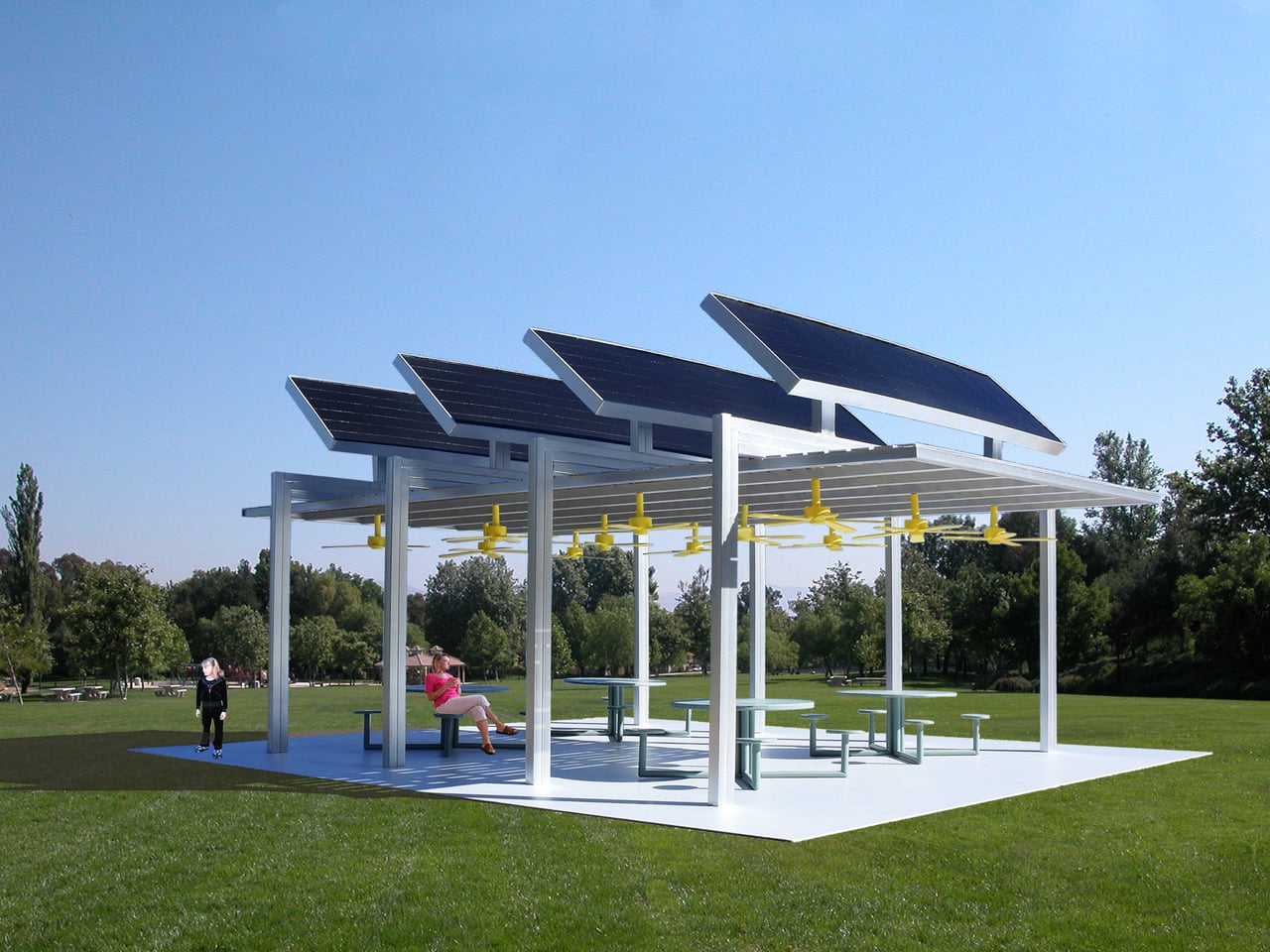
Though they're individually tiny, parking spots quietly play a dominant role in shaping urban landscapes. Most US cities dedicate at least 25% of their developable land to them. Some, even more. That land usage doesn't only determine the way a city looks. It also means covering large swathes of urban areas in heat-absorbing asphalt, which contributes to making summers hotter and heightens the risk of flooding since it prevents drainage during storms and heavy rainfall.
In Indra's Net of pearls and jewels, every gem reflects every other, a shimmering image of interdependence. This ancient Vedic metaphor for connection across the cosmos also illuminates what the environmental philosopher Glenn Albrecht first proposed in 2014as 'theSymbiocene': the era after the Anthropocene, in which human technologies take their cues from living systems and work in partnership rather than through dominance.
While the data shows 80% of people live within walking distance of green or blue spaces such as a river, park or woodland, it also reveals a disparity between rural and poorer urban areas. In some areas of local authorities, fewer than 20% of residents live close to these spaces, according to data released by the Department for Environment, Food and Rural Affairs on Wednesday.
Jane Jacobs was also one of the voices that challenged this predominantly rationalist logic, arguing that truly vibrant streets are those capable of sustaining the diversity of everyday life, its informal exchanges, and the forms of care and natural surveillance that emerge from them. What these authors share is a fundamental insight: streets are not merely infrastructures for circulation, but social ecosystems, shaped by the relationships, uses, and encounters that take place within them.
Cities around the world share a common goal: to become healthier and greener, supported by civic infrastructure that restores ecosystems and strengthens public life. The question is how to reach this. Global climate targets, local building codes, and municipal standards increasingly guide designers and planners toward better choices. Still, many cities struggle to translate these frameworks into everyday, street-level comfort and long-term ecological protection.
In the concrete jungle of New York City, where towering skyscrapers define the skyline, a budding movement is turning rooftops into lush green expanses. This eco-conscious trend, known as the Green Roof Movement, is transforming urban spaces into verdant oases. As the city faces numerous environmental challenges, this initiative reflects a broader effort to harness sustainable solutions. In this article, we delve into the Green Roof Movement, exploring how NYC's skyscrapers are embracing eco-friendly transformations.
It shows up three times a day, on your plate. The U.S. spends over $30 billion annually on agricultural subsidies. Most support corn and soy, crops that become livestock feed, not food for people. U.S. meat is artificially cheap, which has locked us into a high-emissions food system. It's the highway funding of food: a policy choice that induces demand and reinforces path dependency.