Design
fromDesign Milk
1 day agoOUTSIDERS Investigates the Space Between Society and Solitude
Modern design challenges conventional public seating to enhance social interaction and presence in urban spaces.
Bondi's official DOJ portrait was reportedly spotted in the trash mere minutes after Donald Trump gave her the boot. Just straight to the bin, like last week's takeout and this week's credibility.
Nisha, who looked to be about 15 years old, drew a parol - a star-shaped lantern displayed during Christmas - and a Bahay kubo - a traditional Filipino-style house - with a small pencil, as she sat at a table of the Bayanihan Community Center in SoMa.
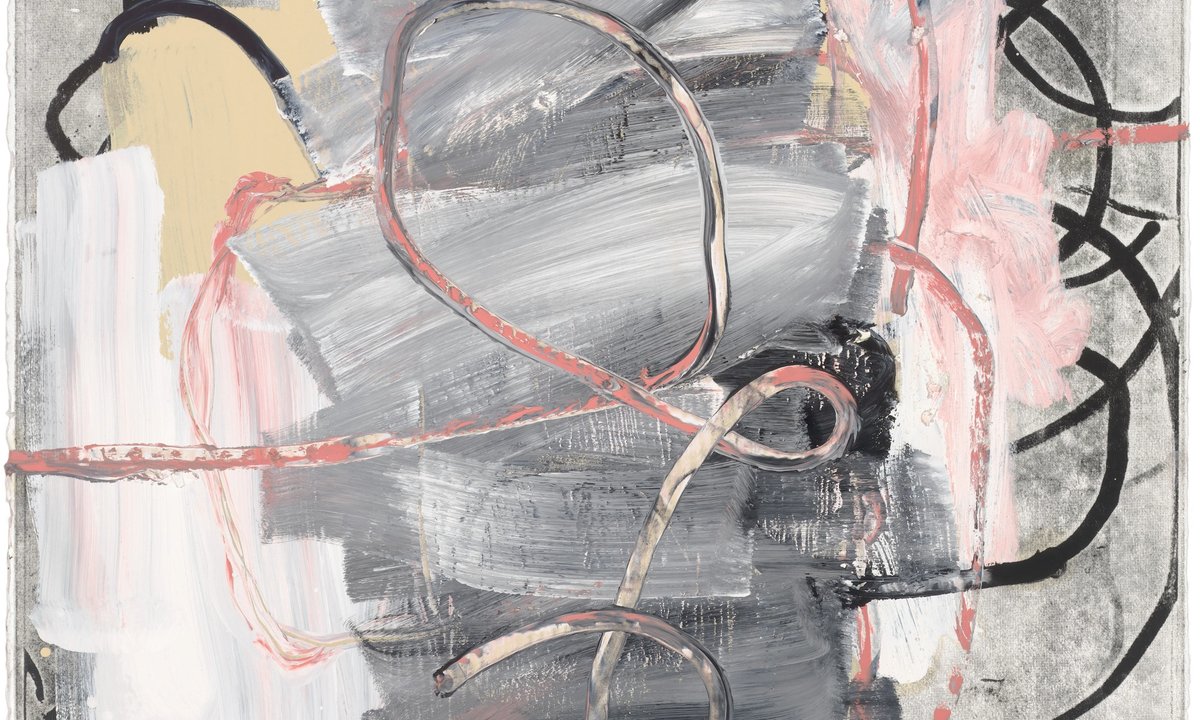
Kamrooz Aram is everywhere this year, from Mumbai Art Week to the Whitney Biennial, and critic Aruna D'Souza is grateful. She pens a beautiful meditation on his work, reading his abstract paintings as not simply a denunciation of Western modernism nor a reassertion of Islamic visual motifs, but something else entirely - something gestural, exuberant, riotous, and incomparably his own.
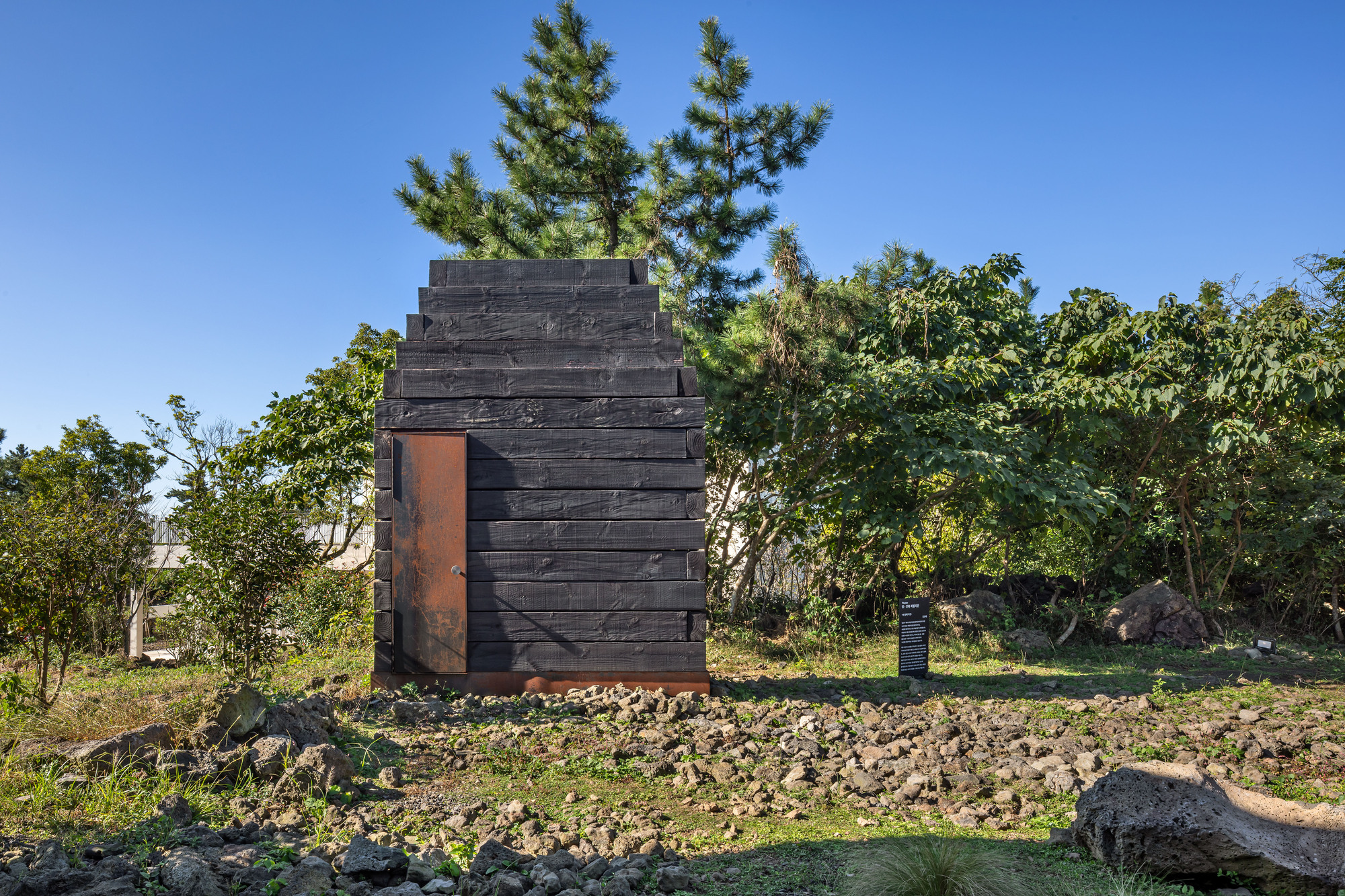
Viewpoints are structures designed for observing the landscape from elevated positions. They act as devices that organize the gaze and establish a direct relationship between the body and the territory.
"These works are an exploration of the human body's elasticity and capacity to metamorphose. Informed by my own experience of pregnancy and the birth of my first child last year, these paintings are a meditation on physiological transformation and the body's underlying animalistic and mammalian nature."
A decade ago, a multimedia artist from The Bronx got a lucky break. She was one of the winners of a lottery - to which over 53,000 people applied - that allowed her to live in one of the 89 affordable apartments in a stately former public school in East Harlem. At the time, she was living in Staten Island, paying for a space that was smaller, more expensive and more difficult for people who wanted to see her art to visit.
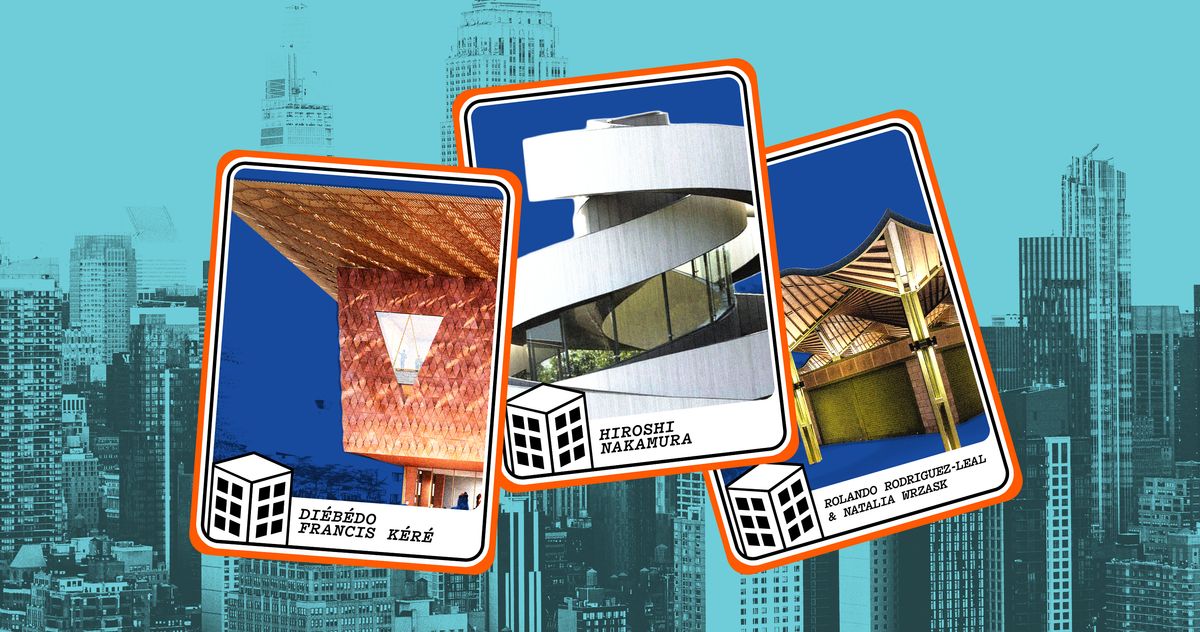
Postmodernism began as a critique of modernism's exhausted promises. By the late 1960s and early 1970s, many designers no longer treated modernism as radical or socially redemptive. Urban renewal projects accelerated the demolition of historic neighborhoods, and landmark preservation battles raised urgent questions about what the United States valued and, ultimately, protected. The loss of major civic icons, including New York's Penn Station, sharpened public awareness that progress often arrives through erasure.
We're just a week away from Frieze LA, when East Coast dealers and local artists alike descend upon the Santa Monica Airport, but this isn't Renée Reizman's first rodeo. Since the critic and artist moved to the area almost 15 years ago, she's witnessed blue-chip New York galleries set up shop and sideline the irreverent, DIY spaces that shape the local art scene. Without these spaces, Reizman writes, she would not have discovered what art can be outside of the white cube.
I work outside, carving and shaping the stone. Outside my house, I have a table, an extension cord, and tools. It's very cold and I have to wear all my winter clothes. When it's too cold, I do the filing and finishing work inside after I shape it outside. I listen to all kinds of music. I listen to Eminem all the time; his albums are all my favorites. For drawings, I work at Kinngait Studios or at home on my kitchen table.