#urban-revival
#urban-revival
[ follow ]
Design
fromdesignboom | architecture & design magazine
16 minutes agoseoul design award 2026 opens call for sustainable social solutions
Seoul Design Award 2026 invites entries to promote sustainable design addressing social and climate issues, emphasizing transformative impact and global participation.
#climate-change


Online Community Development
fromInside Higher Ed | Higher Education News, Events and Jobs
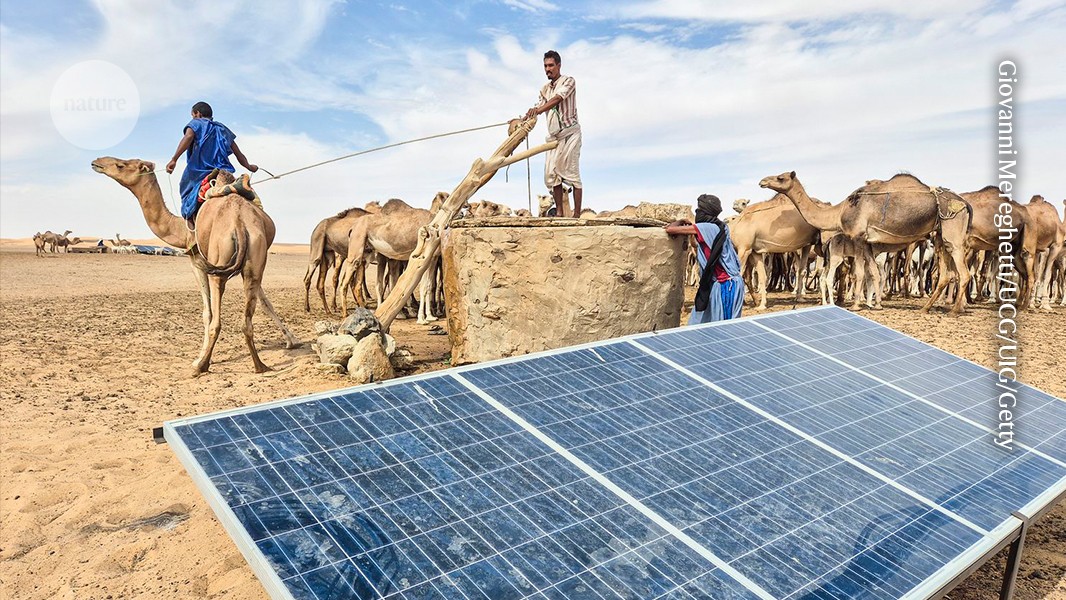
1 day agoA Town-Gown Partnership Focused on Climate Resilience
Agnes Scott College collaborates with Decatur to address climate change through a joint Climate Resilience Plan, focusing on sustainability and community engagement.



Photography
fromArchDaily
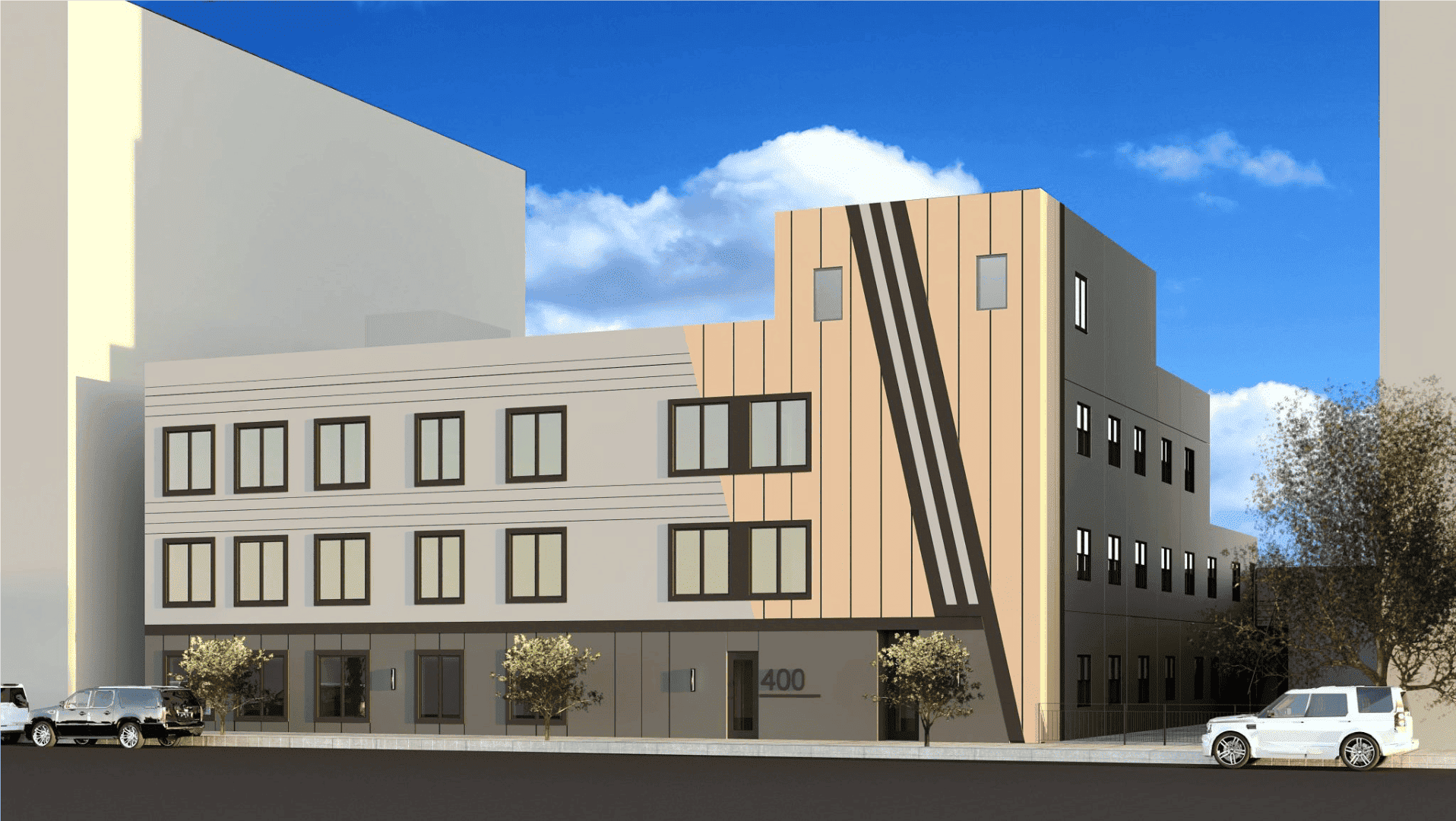
1 day ago40+ Contemporary Architectural Works Across Ecuador Captured by Francesco Russo and Luca Piffaretti
Photographers document Ecuador's architecture and landscapes, highlighting the country's evolving identity and the interplay between built environments and natural surroundings.
fromwww.theguardian.com
2 days agoHow Paris swapped cars for bikes and transformed its streets
Corentin Roudaut, who once felt overwhelmed by Paris's traffic, found renewed confidence in cycling after the establishment of a segregated bike lane on Boulevard Voltaire. He now actively participates in promoting cycling in the city, witnessing a remarkable transformation in urban mobility and safety over the last decade.
Paris food

fromTime Out New York
12 hours agoCiti Bike is giving away unlimited free rides to New Yorkers for Earth Day
"Car-Free Earth Day is a reminder that we only have one planet-and that our streets play a critical role in our fight against climate change," said NYC DOT Commissioner Mike Flynn in an official statement.
Alternative transportation
NYC real estate
fromwww.businessinsider.com
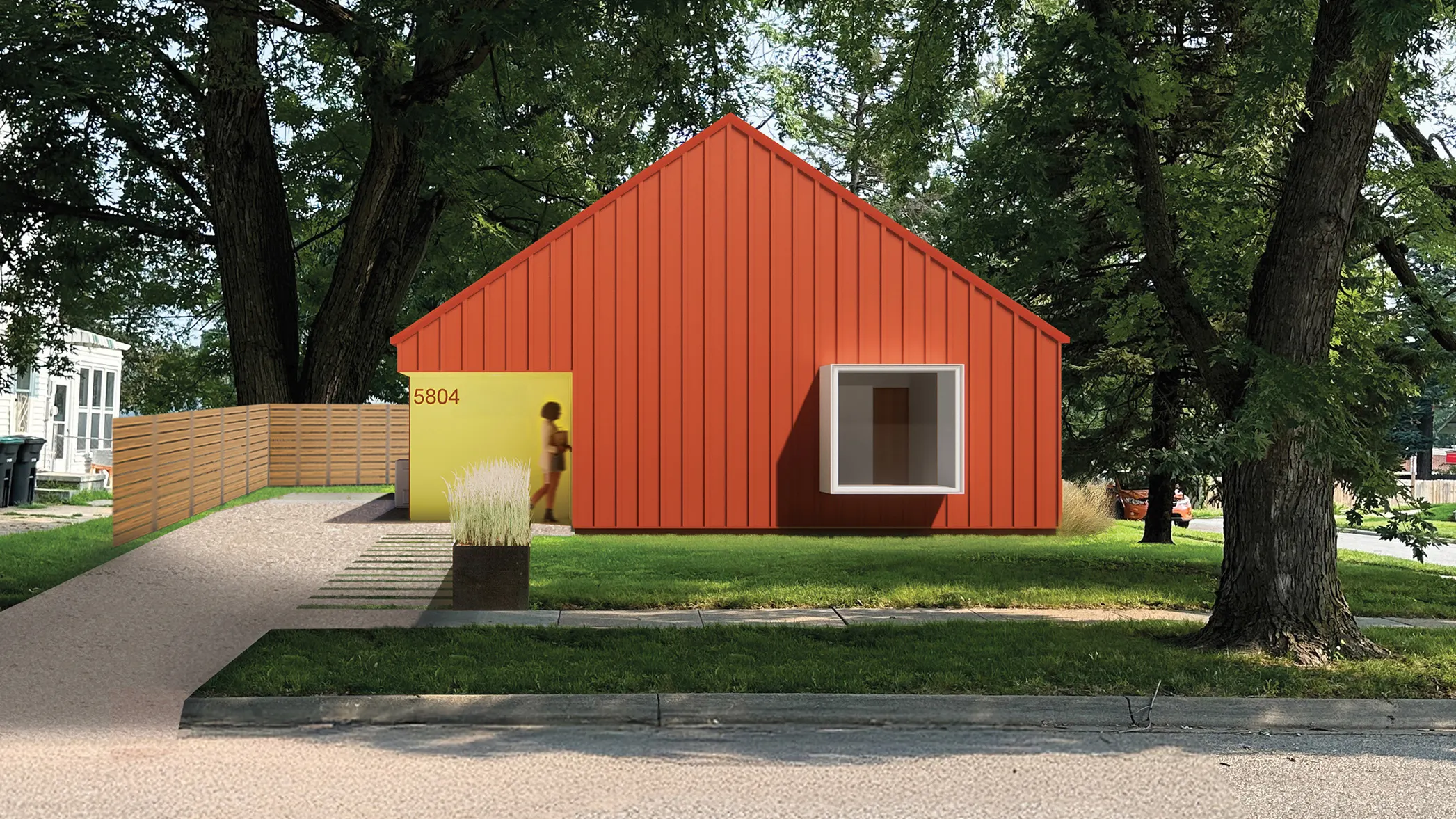
3 days agoWe bought a house that's too small so we could afford our dream neighborhood. A $300,000 third-party loan will help us renovate.
The Feinbergs purchased a small home in Wayne, Pennsylvania, and planned to expand it using RenoFi financing based on future value.

Renovation
fromYanko Design - Modern Industrial Design News
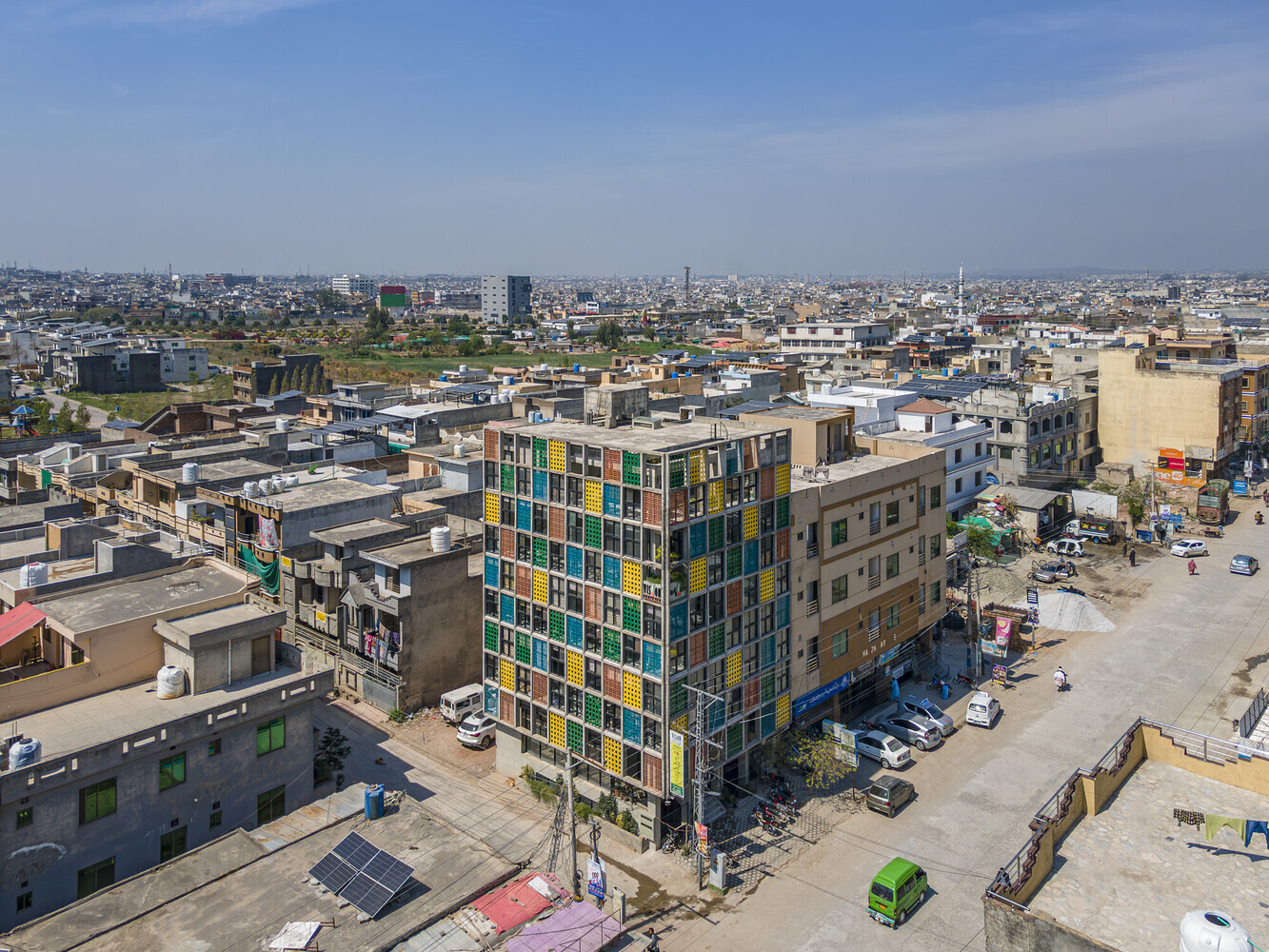
1 day agoHow Architects Turned a Postwar London Terrace Into an Open-Plan Home Without Touching the Facade - Yanko Design
Islington houses are redesigned to create open, continuous spaces while maintaining the original facade and architectural integrity.
fromwww.bbc.com
2 weeks agoCampaigners celebrate after new town plans dropped
Campaigner Aysha Hawcutt stated that residents were 'not anti-homes', but believed the Adlington plan was 'the wrong proposal in the wrong place'. She expressed pride in the community's resilience against the development threats.
London politics
fromInvestigative Post
3 days agoInvestigative Post event on reforming Buffalo and NY government.
John Kaehny has written and successfully lobbied for the passage of state and New York City laws related to government transparency and accountability, including the first open data law in the world in 2012.
NYC politics
Alternative transportation
fromStreetsblog
2 weeks agoHow a 'Universal Basic Neighborhood' Can Help Americans Live Longer - Streetsblog USA
Universal Basic Neighborhood aims to ensure healthy living conditions and mobility for all U.S. residents, enhancing life expectancy beyond just financial support.
fromArchDaily
6 days agoThe Illusion of Lightness: Designing Civic Voids for Public Life
The original intent of pilotis was to create a sense of lightness that would allow circulation and light to flow beneath a structure, but contemporary requirements render thin columns insufficient for large-scale civic projects.
Renovation
Miscellaneous
fromArchDaily
1 month ago7 Unbuilt Masterplans Reimagining Urban Futures Through Ecology and Collective Space
Unbuilt urban masterplans explore adaptive spatial frameworks that recalibrate mobility, ecology, and collective life through climate-responsive design and public space integration across diverse global contexts.
fromArchDaily
3 weeks agoMobility Justice: Urban Equity in an Era of Innovation
Every city contains two transportation systems. One is the visible network of roads, rail lines, sidewalks, and bus routes mapped in planning documents. The other is the invisible geography of privilege and exclusion embedded within it: the neighborhoods that received highways instead of parks, the communities whose bus routes were cut, the sidewalks that abruptly end at the edge of a district.
Alternative transportation
New York City
fromNew York Daily News
1 month agoWhat future for dining sheds?: Return our streets to their real purpose for vehicles
Permanent outdoor dining sheds in curbside parking lanes create operational problems for snow removal and street cleaning while providing unfair competitive advantages to some restaurants over others.
fromwww.dw.com
2 months agoThe city that swapped parking for green space
Though they're individually tiny, parking spots quietly play a dominant role in shaping urban landscapes. Most US cities dedicate at least 25% of their developable land to them. Some, even more. That land usage doesn't only determine the way a city looks. It also means covering large swathes of urban areas in heat-absorbing asphalt, which contributes to making summers hotter and heightens the risk of flooding since it prevents drainage during storms and heavy rainfall.
Miscellaneous
fromArchDaily
2 months agoHealth, Habitat, and Civic Infrastructure: Designing the City as a National Park
Cities around the world share a common goal: to become healthier and greener, supported by civic infrastructure that restores ecosystems and strengthens public life. The question is how to reach this. Global climate targets, local building codes, and municipal standards increasingly guide designers and planners toward better choices. Still, many cities struggle to translate these frameworks into everyday, street-level comfort and long-term ecological protection.
Environment
fromArchDaily
2 months agoDesigning Streets Through the Lens of Care
Jane Jacobs was also one of the voices that challenged this predominantly rationalist logic, arguing that truly vibrant streets are those capable of sustaining the diversity of everyday life, its informal exchanges, and the forms of care and natural surveillance that emerge from them. What these authors share is a fundamental insight: streets are not merely infrastructures for circulation, but social ecosystems, shaped by the relationships, uses, and encounters that take place within them.
Design
fromArchDaily
1 month agoShaping Architectural Continuity: 25 Revitalization Projects Across Historic, Industrial, and Natural Sites
Heritage sites constitute complex spatial archives in which architecture, history, and collective memory converge. They encompass a wide spectrum of contexts-from archaeological remains, ancient and historic townscapes, UNESCO-listed landscapes, to early modern civic structures and industrial infrastructures. Yet these environments confront challenges: climate change, urban transformation, disaster, shifting social needs, and the gradual erosion of material fabric. Revitalization and restoration projects respond to these conditions by positioning architectural and spatial practice as an active mediator between preservation and the contemporary topologies.
Renovation
[ Load more ]