#us-market-retrenchment
#us-market-retrenchment
[ follow ]
#us-economy
US politics
fromFortune
5 hours agoThe economy can shed jobs and still keep the labor market balanced, as Trump's immigration crackdown turns breakeven hiring negative | Fortune
The U.S. labor market shows a negative breakeven rate of employment growth due to immigration restrictions, indicating potential job losses without rising unemployment.
US Elections
fromFortune
1 day agoThe jobs report looks good 'for the wrong reasons,' top economist warns: It's hiding how many Americans are giving up | Fortune
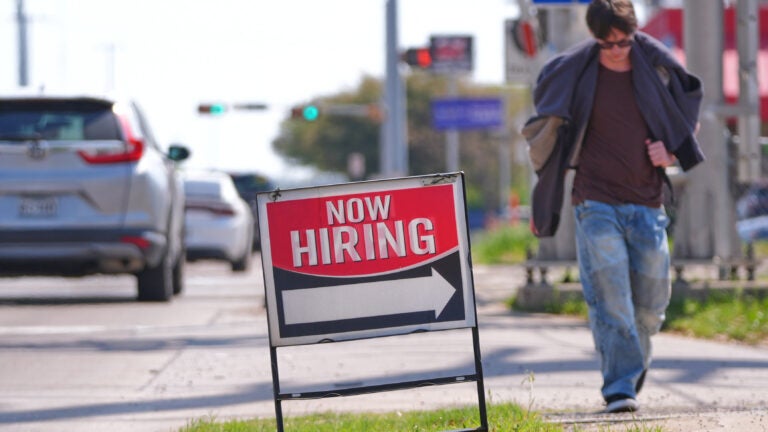
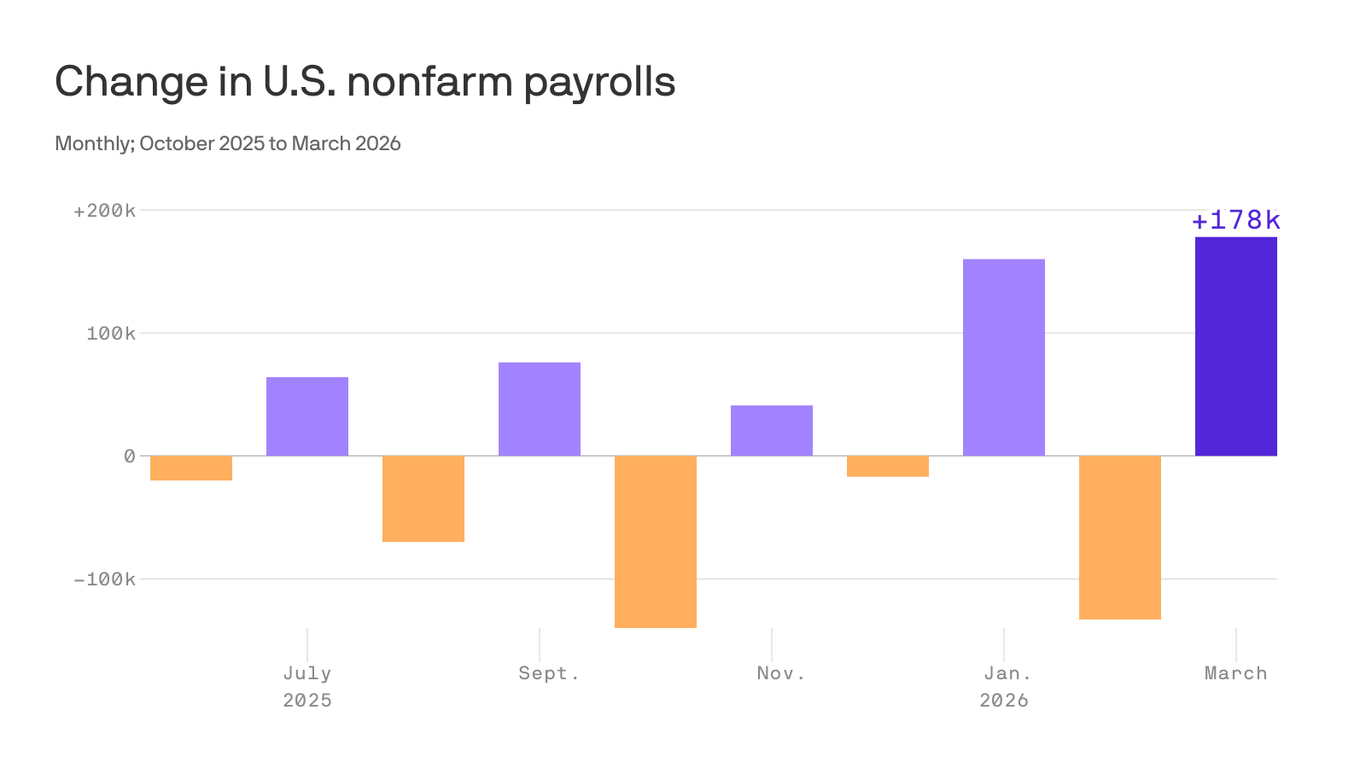
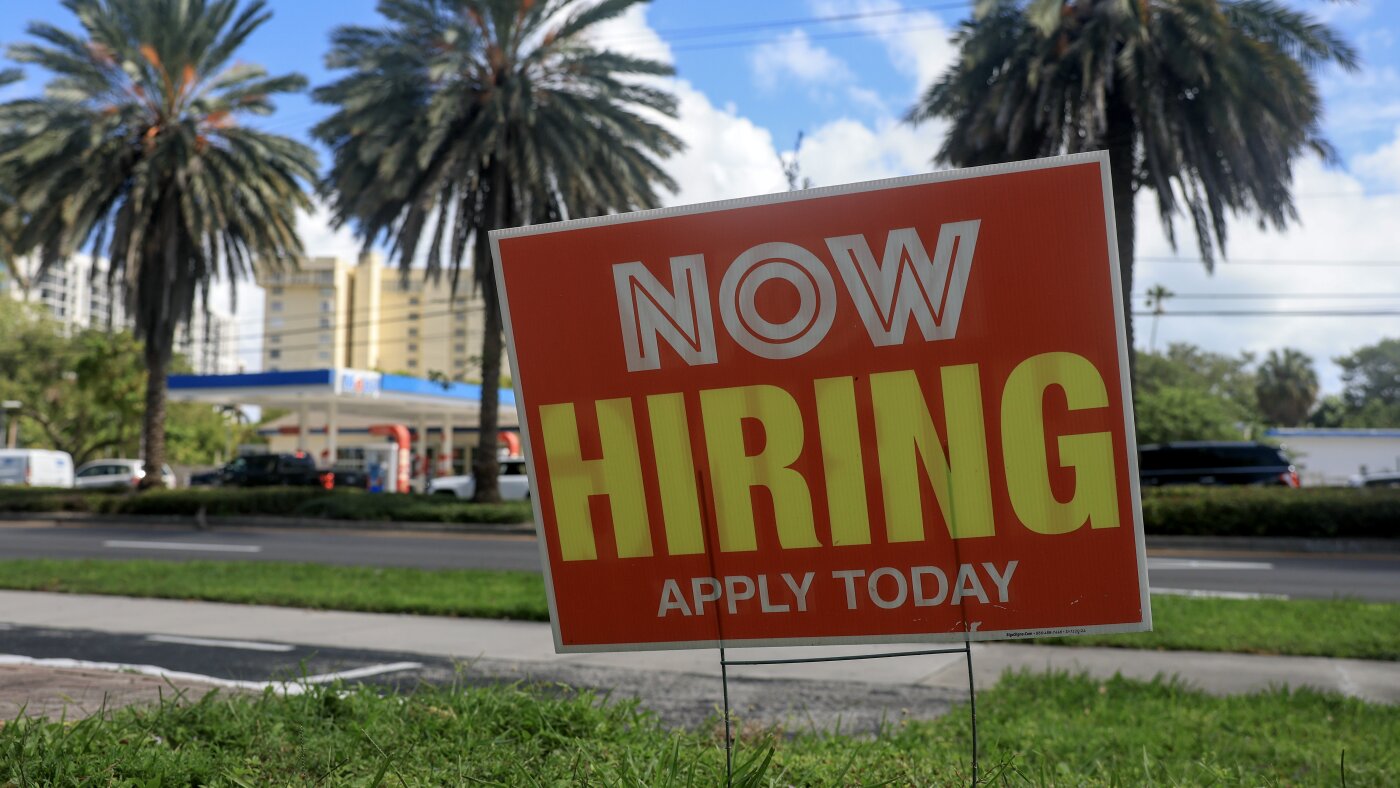
The U.S. economy added 178,000 jobs in March, with the unemployment rate decreasing to 4.3%, but concerns about labor force participation persist.




fromwww.businessinsider.com
14 hours agoYour produce bill is about to get pricey as the Iran war jacks up US food costs
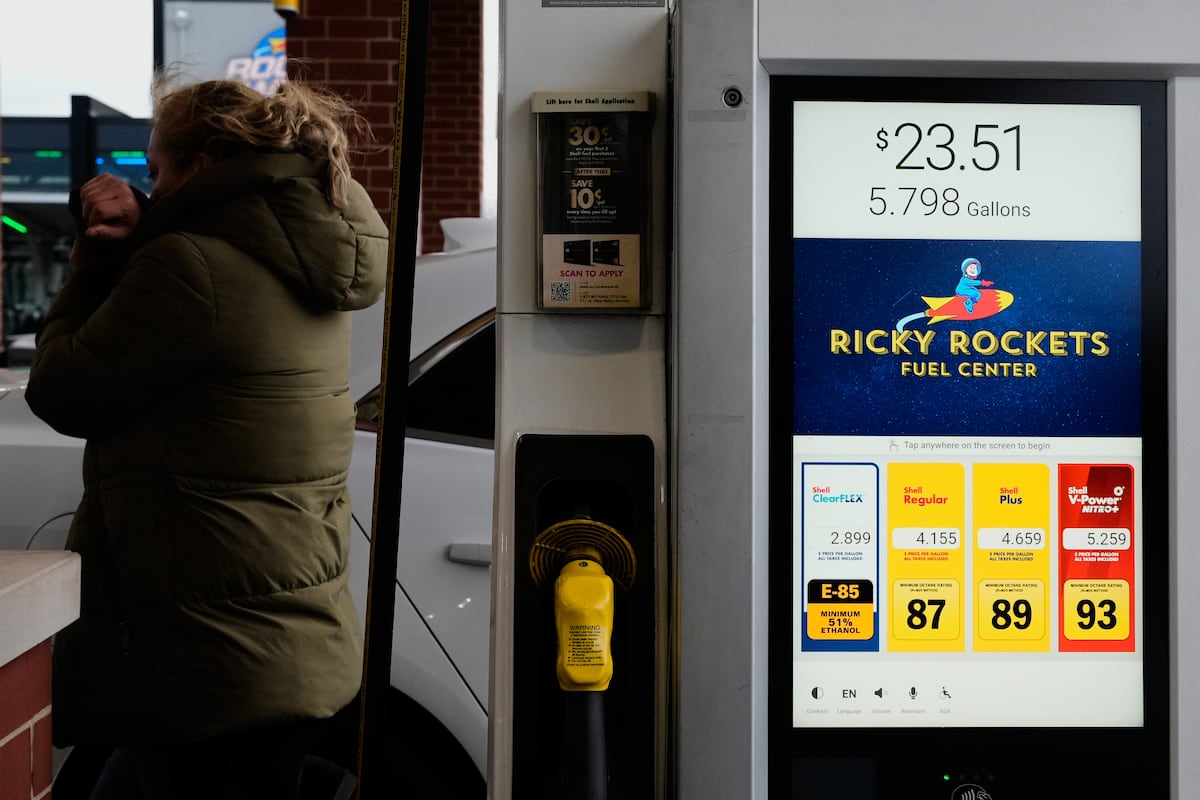
"Fresh food and perishables are almost like the canary in the coal mine," when energy prices go up, according to Vidya Mani, an associate professor at the University of Virginia's Darden School of Business.
Agriculture

Artificial intelligence
fromFortune
3 days ago'Inflationary surge': Fed economists warn AI hype is overheating the economy whether or not the technology ever delivers | Fortune
AI optimism may hinder productivity and contribute to short-term inflation as households and businesses react to perceived future gains.

fromFortune
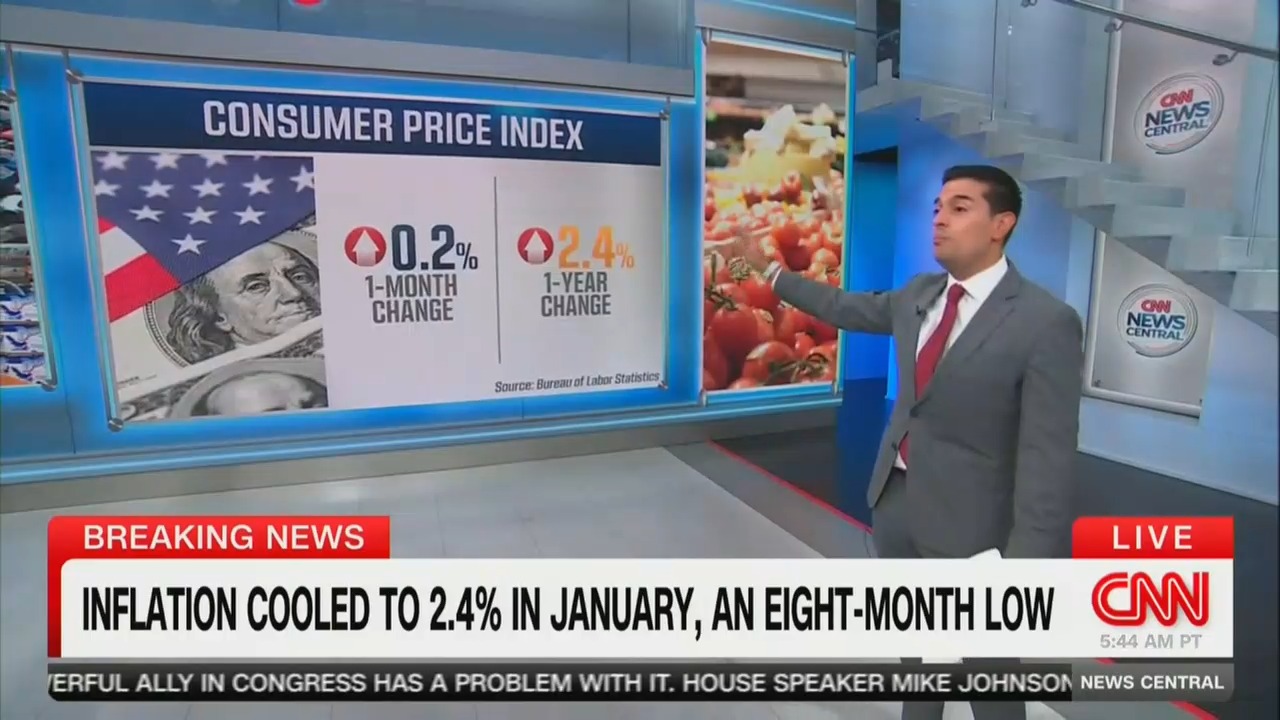
4 days agoA Wall Street vet's Walmart recession indicator just hit its highest point since 2008-and he says the fear 'just keeps multiplying' | Fortune
'Walmart Worries' just keep multiplying. It's currently close to the highest level ever recorded which was during the Great Financial Crisis of 2008-09.
Business
World news
fromLondon Business News | Londonlovesbusiness.com
3 days agoDollar extends pullback amid softer labour signals and easing risks - London Business News | Londonlovesbusiness.com
The dollar weakened due to softening monetary policy expectations and reduced demand as a safe-haven asset amid easing Middle East tensions.
fromwww.mediaite.com
5 days agoBad News All Around!' Fox Business Host Stunned By Highly Inflationary' Prices in Total Bummer of an Economic Analysis
High energy prices are kryptonite for the housing market. Affordability, especially for those first-time home buyers, is now an elusive dream until oil prices come down and interest rates come down.
SF real estate


World politics
fromwww.theguardian.com
3 days agoA third inflationary shock in less than a decade is coming: who will pay the price this time around? | Aditya Chakrabortty
Daniel Yergin highlights the vulnerability of global oil supplies through the Strait of Hormuz and the consequences of military actions against Iran.
Europe news
fromLondon Business News | Londonlovesbusiness.com
3 weeks agoGold consolidates as markets weigh oil-driven inflation risks and economic data - London Business News | Londonlovesbusiness.com
Gold trades near USD 5,180 as macroeconomic factors and geopolitical risks create conflicting pressures on the precious metal's price direction.
fromLondon Business News | Londonlovesbusiness.com
2 days agoUS dollar rose amid a rebound in geopolitical concerns - London Business News | Londonlovesbusiness.com
The US dollar returned to the upside as geopolitical fears rebounded after US President Trump's address to the nation. The rhetoric fuelled risk aversion and flows toward the dollar while oil prices surged.
US Elections
fromAxios
3 days agoThe American consumer stands firm
"Jobs may be a bit modest when we look out over the last couple of years, but pay is telling a different story - that there is still a little bit of tightness in this labor market," ADP chief economist Nela Richardson told reporters Wednesday morning.
Business
fromLondon Business News | Londonlovesbusiness.com
4 days agoUS dollar stable near recent highs - London Business News | Londonlovesbusiness.com
Escalating geopolitical risk continued to dominate global markets' concerns, with safe-haven demand keeping the dollar index anchored near a multi-week high.
World politics
fromFortune
5 days agoBond yields are falling even as oil tops $102, showing that Wall Street fears recession more than inflation | Fortune
"Oil prices are higher again this morning, but Treasury yields are lower as the risks to economic growth begin to take precedence over the risks to inflation," Oxford Economics said in a note on Monday.
World news
World politics
fromLondon Business News | Londonlovesbusiness.com
5 days agoUS dollar stable after successive gains - London Business News | Londonlovesbusiness.com
Escalating Middle East tensions are influencing market sentiment, keeping the dollar stable and impacting US Treasury yields amid inflation concerns.


fromFortune
1 week agoGoldman raises recession odds to 30% on higher inflation, lower GDP outlook as oil prices surge | Fortune
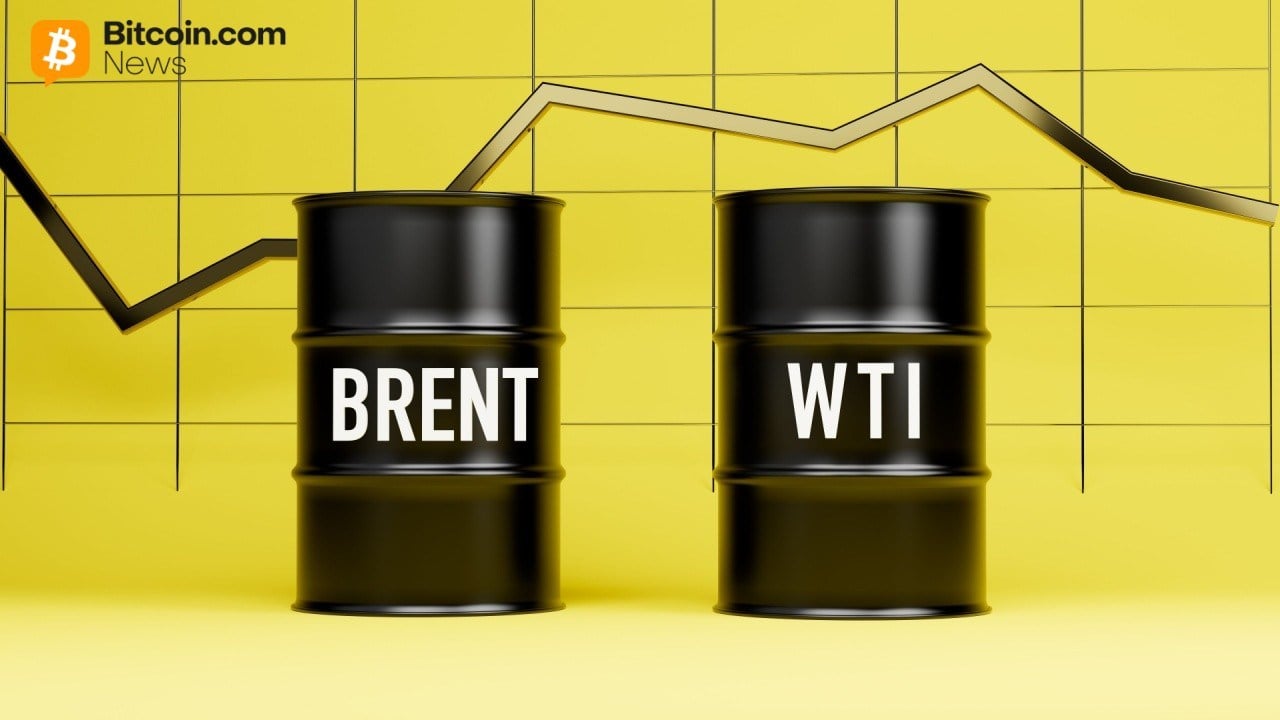
Goldman Sachs now expects Brent crude to average $105 per barrel in March and $115 in April before retreating to $80 by year-end, assuming roughly six weeks of Hormuz supply disruptions.
Business
fromLondon Business News | Londonlovesbusiness.com
2 weeks agoUS futures slide as inflation fears and Fed outlook weigh on risk appetite - London Business News | Londonlovesbusiness.com
Rising inflation concerns, hawkish monetary policy signals, and escalating geopolitical tensions weighed on risk assets. Energy markets are adding to the pressure. Oil prices surged following renewed attacks on energy infrastructure in the Middle East, intensifying concerns about inflationary pressure.
Business
#recession-risk

Business
fromFortune
3 weeks agoGoldman just raised recession odds to 25%. Here's what Trump's war economy is doing to jobs | Fortune
Goldman Sachs raised U.S. recession probability to 25% due to weak February jobs data and rising oil prices from Middle East tensions, signaling economic deterioration amid tariffs and military engagement.
US Elections
fromenglish.elpais.com
3 weeks agoUS economy grew at half the expected rate in the final quarter of 2025 due to tariffs and government shutdown
U.S. GDP growth slowed to 2.1% annually in 2025, down from 2.8% in 2024, due to tariffs, government shutdown, and reduced exports and consumer spending.
US Elections
fromwww.aljazeera.com
4 weeks agoUS job market stalls, unemployment rate rises before Fed decision
The US economy lost 92,000 jobs in February with unemployment rising to 4.4%, driven by healthcare sector losses and tariff-exposed industry weakness despite economist forecasts of job gains.
fromwww.aljazeera.com
2 months agoThe US economy seems strong after a year of Trump, but is it really?
Since taking office, Trump has imposed a range of tariffs on countries, including key trading partners, leading to predictions of inflation skyrocketing, manufacturing screeching to a halt and unemployment soaring. None of those scenarios came true. Inflation, while above the Federal Reserve's target, was a modest 2.7 percent in December. The unemployment rate was relatively low, at 4.4 percent, last month.
US politics
[ Load more ]