#us-meat-prices
#us-meat-prices
[ follow ]
#inflation #gas-prices #beef-prices #grocery-prices #supply-chain #us-economy #oil-prices #iran-conflict #iran-war


Agriculture
fromSilicon Canals
15 hours agoHalter's smart cattle collars are on 1 million animals - with a billion more to go. Founders Fund just bet $220M on it - Silicon Canals
Halter closed a $220 million Series E funding round, achieving a $2 billion valuation with innovative solar-powered smart collars for cattle management.


fromRealagriculture
3 days agoCattle sector seeks workable path forward on traceability
"Quite simply, we didn't think that the regulations hit the mark in really addressing the risk with a reasonable cost or burden," says Fulton, noting concerns about duplication with existing provincial systems, such as livestock inspection in Western Canada.
Canada news
fromTruthout
4 days agoWorkers in Colorado Continue Historic Strike at US's Largest Meat Processor
"This company is one of the richest companies in the world, and the wage increases that they're offering simply just don't keep up with the economy and the high cost of living," says Kim Cordova, president of the union that represents JBS workers in Greeley.
Social justice
fromwww.mediaite.com
6 days agoBad News All Around!' Fox Business Host Stunned By Highly Inflationary' Prices in Total Bummer of an Economic Analysis
High energy prices are kryptonite for the housing market. Affordability, especially for those first-time home buyers, is now an elusive dream until oil prices come down and interest rates come down.
SF real estate

fromBusiness Matters
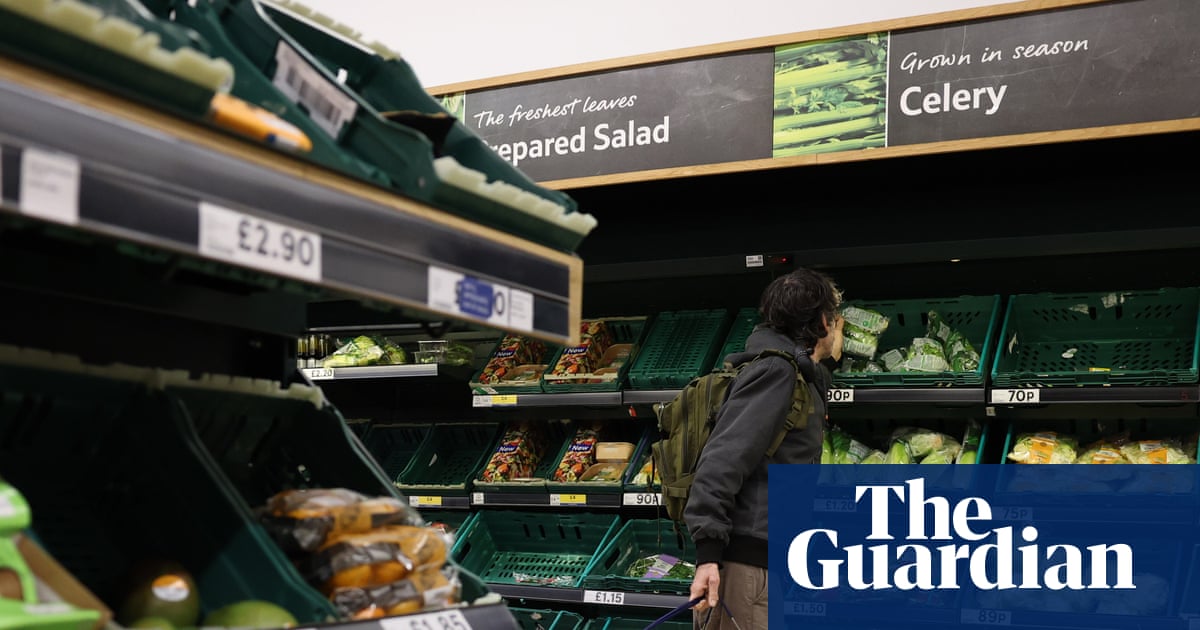
5 days agoIran war drives up costs and disrupts supply for London's food markets
"The people in the market are obviously going to be feeling like everyone else, very concerned," he said, pointing to the cumulative impact of rising business rates, tariffs and supply chain disruption.
London food

fromTasting Table
2 weeks agoThis Is How Much Bacon Cost The Year You Were Born - Tasting Table
While bacon and eggs only made their way to the breakfast table in the 1920s, the processed meat has been part of the American diet since pigs first arrived on the continent in the 1500s. These days the average American eats around 18 pounds of bacon annually.
Boston real estate
fromThe US Sun
6 days agoUpmarket Texas Roadhouse alternative expanding for first time in 200 years
As new steakhouses and restaurant concepts continue to open across Midtown, what sets Delmonico's apart is something few competitors can claim - nearly two centuries of New York culinary history and a deep understanding of the city's dining culture.
Food & drink




Silicon Valley food
fromFast Company
2 weeks agoMeatpackers are on strike for the first time in 40 years. Beef industry labor disputes may be rare by design
Nearly 4,000 workers at a Colorado Swift Beef Co. plant struck Monday, the first U.S. slaughterhouse strike in over 40 years, citing unfair labor practices, inadequate wage increases, and rising healthcare costs.
fromPoynter
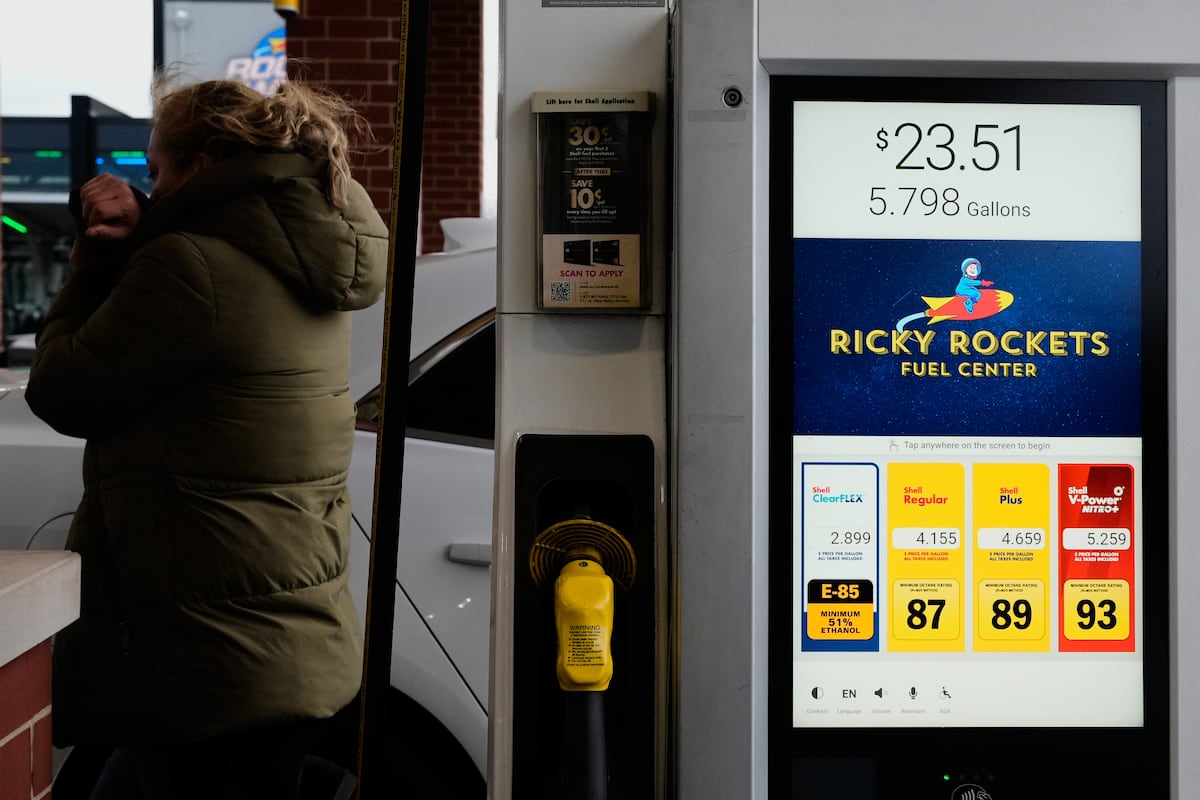
2 weeks agoThe US exports oil, but that won't shield Americans from higher gas prices - Poynter
The United States - we produce more oil than we can consume. We're a net oil exporter," Wright said. This comment misses some important context. Some metrics show the U.S. as a net exporter, but for crude oil - the material that's refined into gasoline - the U.S. is a net importer.
World politics
Canada news
fromRealagriculture
4 weeks agoBeef Market Update: Cattle price yo-yos, herd numbers climb, and volatility shakes futures markets
North American cattle markets reach record prices amid supply tightness and geopolitical volatility, with Canadian fed cattle setting all-time highs despite futures market uncertainty.
Food & drink
fromApartment Therapy
3 weeks agoMove Over, Ribeye: The "Incredibly Tender" Beef Cut This Rancher Says to Buy Instead (It's Affordable!)
Sirloin is an underrated, budget-friendly beef cut offering robust flavor and tenderness when cooked properly, typically costing $5-$10 less per pound than premium steaks.
fromTasting Table
1 month agoThe Country With The Absolute Lowest Chicken Prices - Tasting Table
Global Product Prices puts Brazilian chicken at $1.67 per kilo - roughly 76 cents per pound. Compare that to data from the Federal Reserve Bank of St. Louis that currently shows pricing of about $4 per pound in the U.S., and you're looking at quite the difference.
Berlin food

fromRealagriculture
3 weeks agoMarch WASDE leaves grain markets searching for direction
USDA estimates for major crops were largely unchanged from the previous month, resulting in muted market reactions. For wheat, the USDA maintained its U.S. production, supply, and ending stocks forecasts with no revisions. Global wheat production was adjusted slightly higher, largely due to increased output estimates in Ukraine and Kazakhstan, partially offset by a smaller Australian crop.
Agriculture
Agriculture
fromwww.theguardian.com
1 month agoBig Four' meatpackers under fire as beef prices soar
Tyson Foods closed its Lexington, Nebraska beef plant, eliminating 3,200 jobs despite record company profits, amid allegations of anticompetitive practices by the Big Four beef producers controlling 85% of the industry.
Food & drink
fromFortune
1 month agoGrocery prices have surged 25% in Colorado since the pandemic with Kroger and Walmart sharing half the market. Enter Aldi | Fortune
Aldi's low-cost supply-chain strategy can disrupt Colorado's stagnant grocery market and lower consumer prices despite a small store count.
[ Load more ]