#us-metro-housing-markets
#us-metro-housing-markets
[ follow ]
#real-estate #housing-market #mortgage-rates #new-york-city #housing-affordability #population-growth






fromwww.businessinsider.com
1 week agoThe top places in the US where people are moving to
"Domestic migration patterns continue to redistribute the population from the largest counties to less populous ones. Collectively, the 50 counties with 1 million or more people in 2025 had a net domestic migration loss of 637,634."
California
fromwww.businessinsider.com
1 week agoThe fastest-growing and fastest-shrinking US cities
The Census Bureau estimates indicate how the population changed in the 387 US metro areas from July 1, 2024, to July 1, 2025. Most experienced at least some population jump, but at a cooler pace than the same period a year earlier, mainly due to smaller net international migration.
Miami food


NYC real estate
fromwww.businessinsider.com
1 day agoWe bought a house that's too small so we could afford our dream neighborhood. A $300,000 third-party loan will help us renovate.
The Feinbergs purchased a small home in Wayne, Pennsylvania, and planned to expand it using RenoFi financing based on future value.

Silicon Valley
fromFortune
2 days agoGen Z fled San Francisco for Texas and Florida. Now they're turning 'welcomer cities' into the next big tech towns | Fortune
Younger workers are leaving San Francisco for more affordable 'welcomer cities' like Nashville and Orlando, seeking better work-life balance and job opportunities.
#new-york-city
NYC politics
fromwww.housingwire.com
1 day agoNYC builds taller housing again, as state, city law reset the stage
New York City is increasing housing density through zoning changes and new initiatives to improve affordability.

NYC real estate
fromHoodline
4 days agoYIMBY: 57,352 Proposed NYC Units in 2025
New York developers proposed over 57,000 new residential and hotel units in 2025, indicating a significant construction wave across the city.
fromTravel + Leisure
2 weeks agoThe Hottest Zip Codes in America Right Now, According to New Migration Data
As we move into a new year, the data shows that people are being much more strategic about where they move. While the massive surge of migration to the Sunbelt remains a primary driver of growth, moving to a particular state or region is taking a back seat to moving to very specific neighborhoods.
Miami
fromwww.housingwire.com
1 week agoHomebuyer affordability improves in February
The February PAPI declined over the month and is nearly 10% lower than a year ago, reflecting both reduced payments and steady income growth, Edward Seiler said. While affordability conditions remain challenging in many markets, these incremental gains felt across more than half of states are an encouraging sign for prospective buyers, particularly those seeking lower-payment options.
Boston real estate
NYC politics
fromwww.independent.co.uk
1 day agoZohran Mamdani wants to crack down on New York's bad landlords'. He has to find them
The Independent provides critical journalism on pressing issues, ensuring accessibility without paywalls, and supports community engagement through initiatives like rental hearings.
fromwww.housingwire.com
2 days agoMortgage lenders ramp up homebuilder divisions
Ginsburg stated that treating builder business as a core pillar rather than a side channel reflects a broader industry shift. He believes a healthy balance of builders should be around 15% to 20% of the overall retail book of business.
Real estate
US news
fromwww.npr.org
1 month agoAmerica has a housing affordability crisis. Building houses for rent can help
Build-to-rent single-family homes are rapidly expanding, with 7% of new single-family houses now built for rent rather than sale, offering an alternative to both apartment living and homeownership.
NYC real estate
fromFast Company
2 weeks agoHousing market rent incentives hit a 12-year record as lower demand and higher supply drive apartment concessions
Rental market concessions reach highest levels in over a decade as landlords compete for tenants through incentives like free rent and waived deposits.

fromFast Company
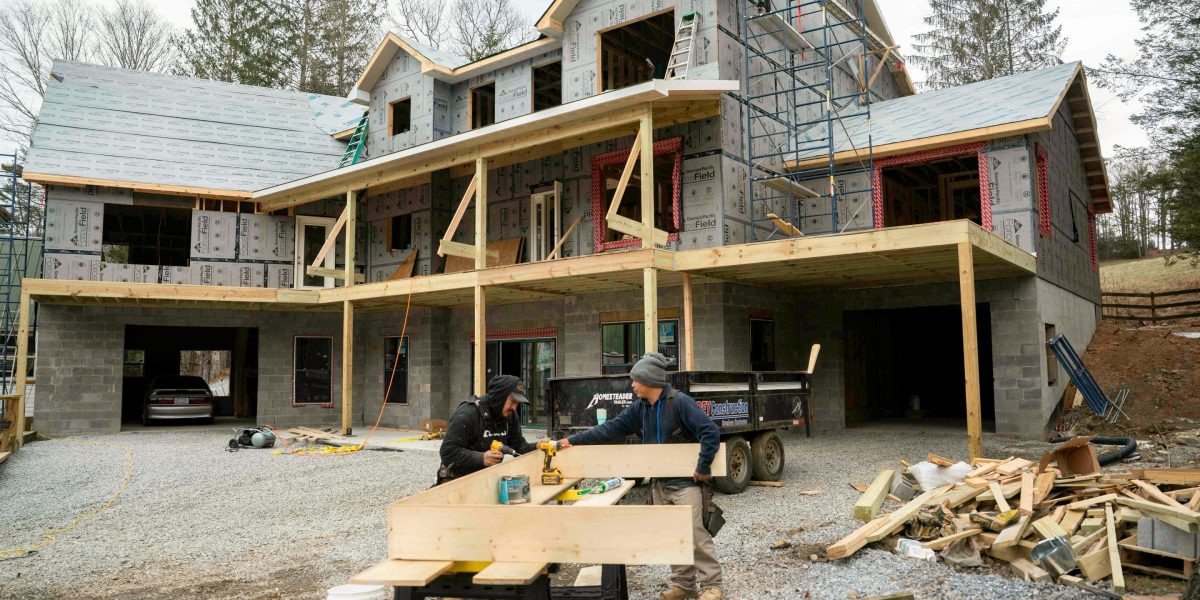
3 weeks agoA simple reason it's getting harder to build rental housing
The cost rose a lot following the pandemic. And some of that was supply chain issues that really increased the costs, and then they didn't quite come back down. And now tariffs are also impacting some products. These costs are part of the reason the amount of new rental housing stock is shrinking.
Real estate
fromAxios
1 month agoHome sales plunge despite affordability improving
Existing home sales fell 8.4% from December to January, the National Association of Realtors reported Thursday. Economists had expected a 4.6% monthly drop, according to WSJ data. Sales were down 4.4% from a year earlier, hitting a seasonally adjusted annual rate of 3.91 million. Zoom in: The decline was most acute for single-family homes, where sales fell 9%. Regionally, the West was down 10.3%, the South 9% and the Midwest 7.1%, while the Northeast rose 5.9%.
Real estate
[ Load more ]