Right-wing politics
fromIntelligencer
10 hours agoVoters Who Dislike Both Parties Are Turning Against Trump
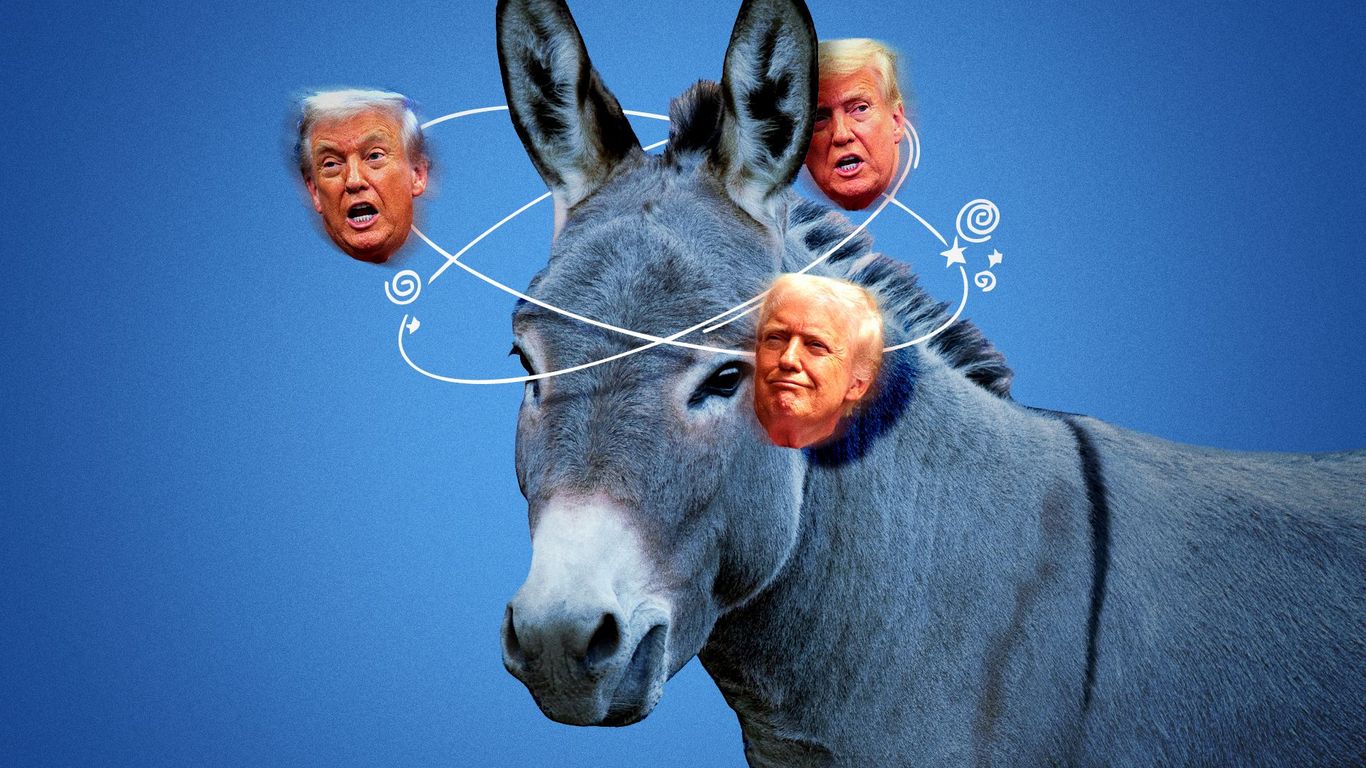
Republicans may struggle in the 2026 midterms due to strong Democratic leanings among voters who dislike both major parties.
"We have a great opportunity in our movements to learn how to be opponents without being enemies," says Tanuja Jagernauth. This perspective emphasizes the importance of maintaining respect and understanding even amidst conflict.
Blasting away one of Labour's biggest majorities shows that under the more left-populist leadership of Zack Polanski, the Greens are now playing in a different political league. Polanski and the party's new MP, Hannah Spencer, were explicit that they do not see this as a self-contained local contest but as the blueprint for all sorts of other parts of the country.
Populism may well have been the defining word of the previous decade: a shorthand for the insurgent parties that came to prominence in the 2010s, challenging the dominance of the liberal centre. But no sooner had it become the main rubric for discussing both the far left and far right than commentators began to question its validity: worrying that it was too vague, or too pejorative, or fuelling the forces to which it referred.
Dare, or the Drug Abuse Resistance Education program, was created in 1983 by the Los Angeles Police Department and the Los Angeles County school district. From the start, the program was a success. Its stated goal was "to equip elementary-school children with skills for resisting peer pressure to experiment with tobacco, drugs and alcohol." The initiative was embraced by police departments and politicians, and within just a few years the Dare curriculum had spread to more than three-quarters of the country's school districts.
Collating data from the World Bank and other sources in innovative ways, he argues that globalization in the late twentieth and early twenty-first century was accompanied by then-unprecedented growth of income in both previously poor populations (notably in China) and people at the top of the world's income distribution (especially those in the West). By contrast, relative shares of world income stagnated or were thought to have declined for wealthy nations' middle and working classes, including in the United States.
I lived in Argentina in the mid-1980s, just after the fall of the brutal military dictatorship that ruled from 1976 to 1983. The country was taking its first, shaky steps back toward democracy. It was a time of great hope, but also of grave uncertainty - because while the generals were gone, the political culture that enabled them remained. Like most of the nation, I was captivated by the pioneering trials of the military generals that promised to restore justice.
After buying Twitter, Elon Musk rebuilt it to his own specifications and preferences. This resulted in an environment we may gently call friendlier to the discussion and promotion of right-wing politics. The goal motivated his purchase and subsequent management and product decisions, and people who still use the platform will agree, in a narrow sense, that its character has changed. From the left: Elon Musk turned Twitter into 4chan for government officials and tech workers.
The most notable, and perhaps most effective, ad of the 2024 presidential campaign featured footage of the Democratic nominee, Kamala Harris, voicing her support for gender-affirming treatment for inmates in federal prisons. "Kamala is for they/ them. President Trump is for you," the narrator concluded. The spot was a crisp, 30-second encapsulation of one of the key Republican talking points of the cycle: that "wokeness" was sweeping the nation and upending established ways of life, and that Donald Trump would fight against it.
Recent exercises in taking stock after one year of Trump 2.0 for many an eternity of terrifying news and political traumas tended to leave something out: the fact that, a mere 12 months ago, plenty of pundits (and politicians, for that matter) were instructing us to accept that a global vibe shift in favor of the right had taken place. And that, in the face of what supposedly felt like a landslide, resistance was pointless and cringe.
Earlier this week, Gary Kendrick, a GOP council member in the red town of El Cajon, on San Diego's eastern outskirts, announced that he was crossing the aisle and joining the Democrats. Kendrick was the longest-serving Republican official in the region's local government. "I've been a Republican for 50 years," he said, in the statement explaining his action. "I just can't stand what the Republican Party has become. I'm formally renouncing the Republican Party."
In December, the YouTuber Nick Shirley uploaded a video purporting to expose a scheme led by Somali refugees in Minneapolis. It caught the attention of Vice President JD Vance, who shared the video online. Soon after, ICE was deployed to the city. The video was inspiring to Amy Reichert, a 58-year-old San Diego resident, who started making her own videos claiming a similar scheme was afoot in her city.
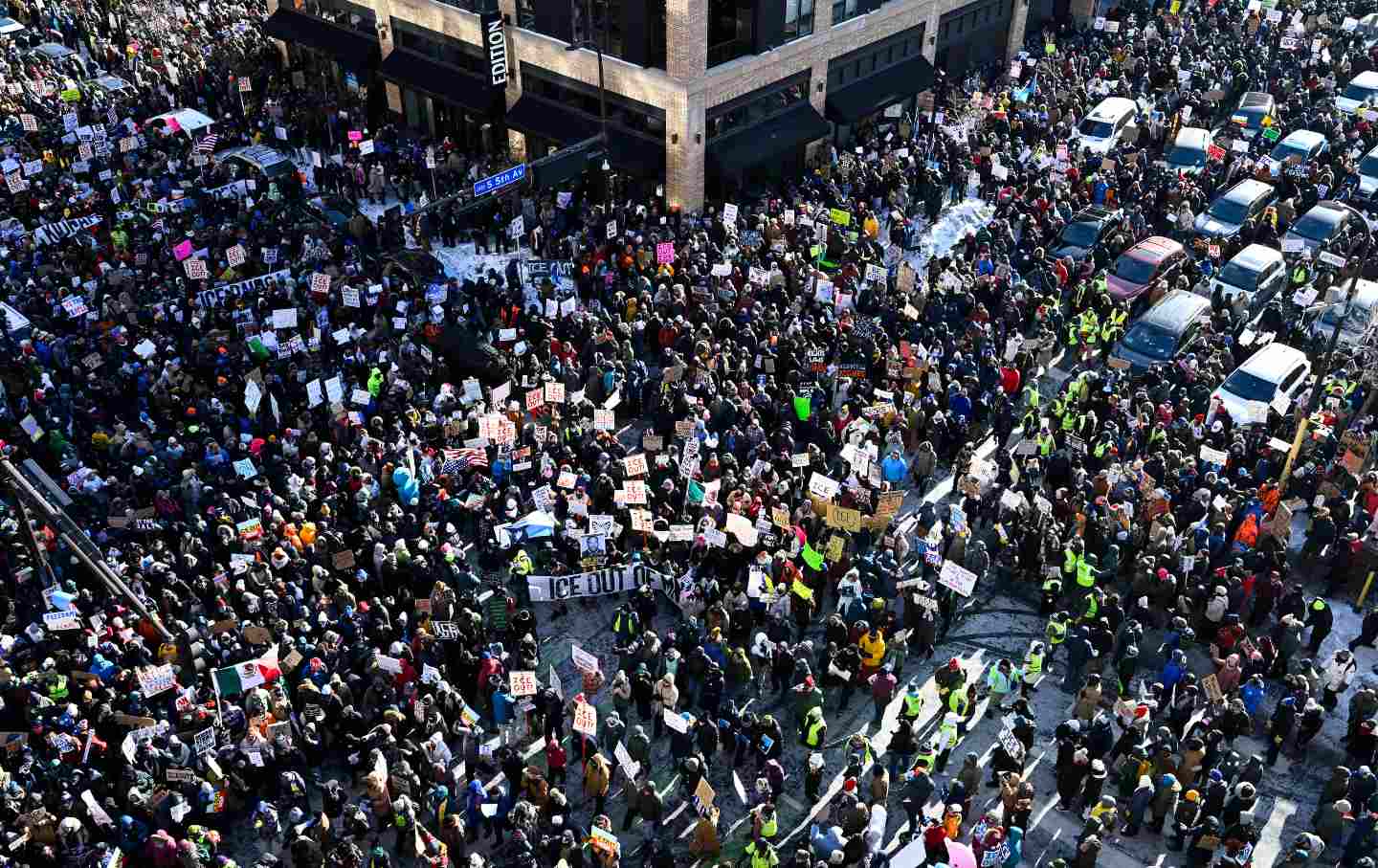
The death of Renee Nicole Good, a 37-year-old mother and U.S. citizen who was shot and killed by an Immigration and Customs Enforcement agent in Minneapolis on Wednesday, has the potential to shake the political landscape in ways reminiscent of George Floyd's killing in 2020. The Trump administration initially claimed Good weaponized her vehicle in an act of domestic terrorism, an account that appears to be contradicted by video evidence.
The readings in my last series led me to see the genuine hatred conservatives have for what they call variously liberal hegemony, liberal ideology, left-wing ideology, and other names. David Brooks, newly ensconced at Yale and The Atlantic, is just sure it was liberals who caused Trump's wins, with their snotty "knowledge", and "refined tastes". I mocked this nonsense, but apparently Brooks was serious about the super bad feelings his people have about such things.
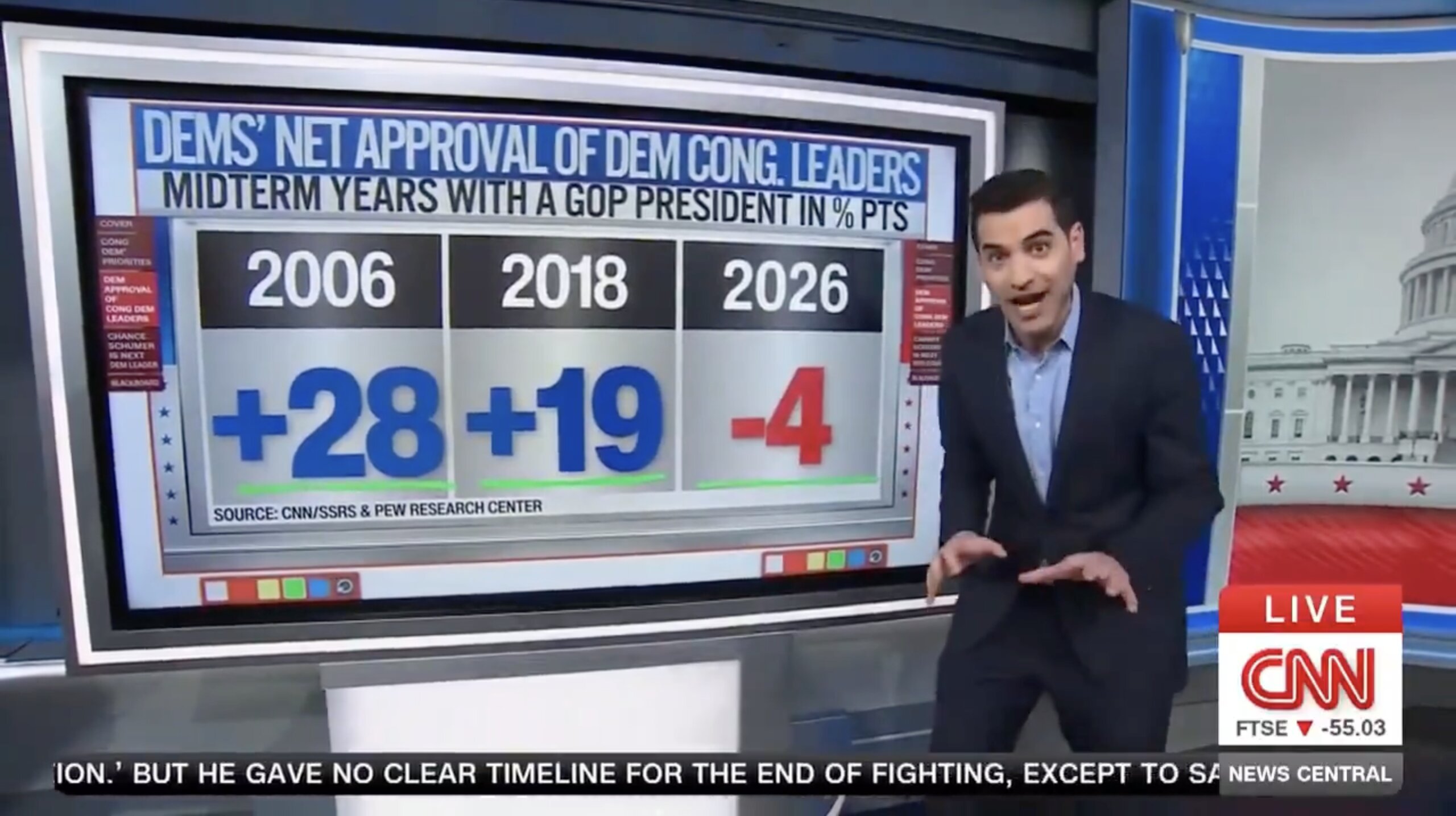
Democratic Representatives Mike Thompson (CA-04) and Richard E. Neal (MA-01) even introduced a bill called the American Affordability Act, which promises to reduce housing, educational, and childcare costs with a variety of tax credits. Congressional campaign professionals have been urging candidates from coast to coast to adopt an "affordability agenda." And-for good reason-recent polling shows that the cost of living tops the list of voters' concerns.
Lawmakers described routine death threats, armed protesters in galleries, and explicit fears for spouses and children. Several said the June 2025 assassination of former Minnesota House Speaker Melissa Hortman and her husband fundamentally changed how they assess the risks of staying in office. Case in point: Connecticut State Rep. Corey Paris, 34, reported death threats and calls for violence against him and his family last year after he posted on social media encouraging people to share information on ICE activity.
Researchers at the University of Cambridge's Political Psychology Lab tracked shifts in Americans' views across nearly four decades and found that divisions were broadly stable through the 1990s and early 2000s, before rising steadily from 2008 onward. Using more than 35,000 responses from the American National Election Studies between 1988 and 2024, they estimate that issue polarization has increased 64% since the late 1980s, with almost all of that change occurring after 2008.