#wendy-lowe
#wendy-lowe
[ follow ]
#contemporary-art #whitney-biennial #art #art-exhibitions #art-exhibition #art-fair #curatorial-practice
Music production
fromwww.theguardian.com
5 days agoIt was an exorcism': how heartbreak, queer rebirth and finding love over Only Connect shaped Wendy Eisenberg's stunning new album
Wendy Eisenberg's new album reflects a journey of self-reinvention through music, blending 70s folk-rock influences with their unique style.


fromSPIN
2 weeks agoWhitney Johnson, Lia Kohl, and Macie Stewart Go Beyond the Chamber - SPIN
All but one of the song titles on Body Sound, the debut album from experimental string trio Whitney Johnson, Lia Kohl, and Macie Stewart, line up nicely-a few words, usually two, usually nouns, separated by a vertical line. The straight line in the middle means different things in different disciplines. In computing, it's called a 'pipe' and serves as a conduit. In poetry, it denotes a pause or break. In music, it marks the beginning and end of measures.
Music
Portland
fromOregon ArtsWatch * Arts & Culture News
3 weeks agoImperfecta and Daria Loi's many reinventions * Oregon ArtsWatch
Imperfecta, a multifunctional space in Portland, blends gallery, community center, and installation venue, reflecting owner Daria Loi's philosophy of participatory design and interactive exploration.


fromJuxtapoz
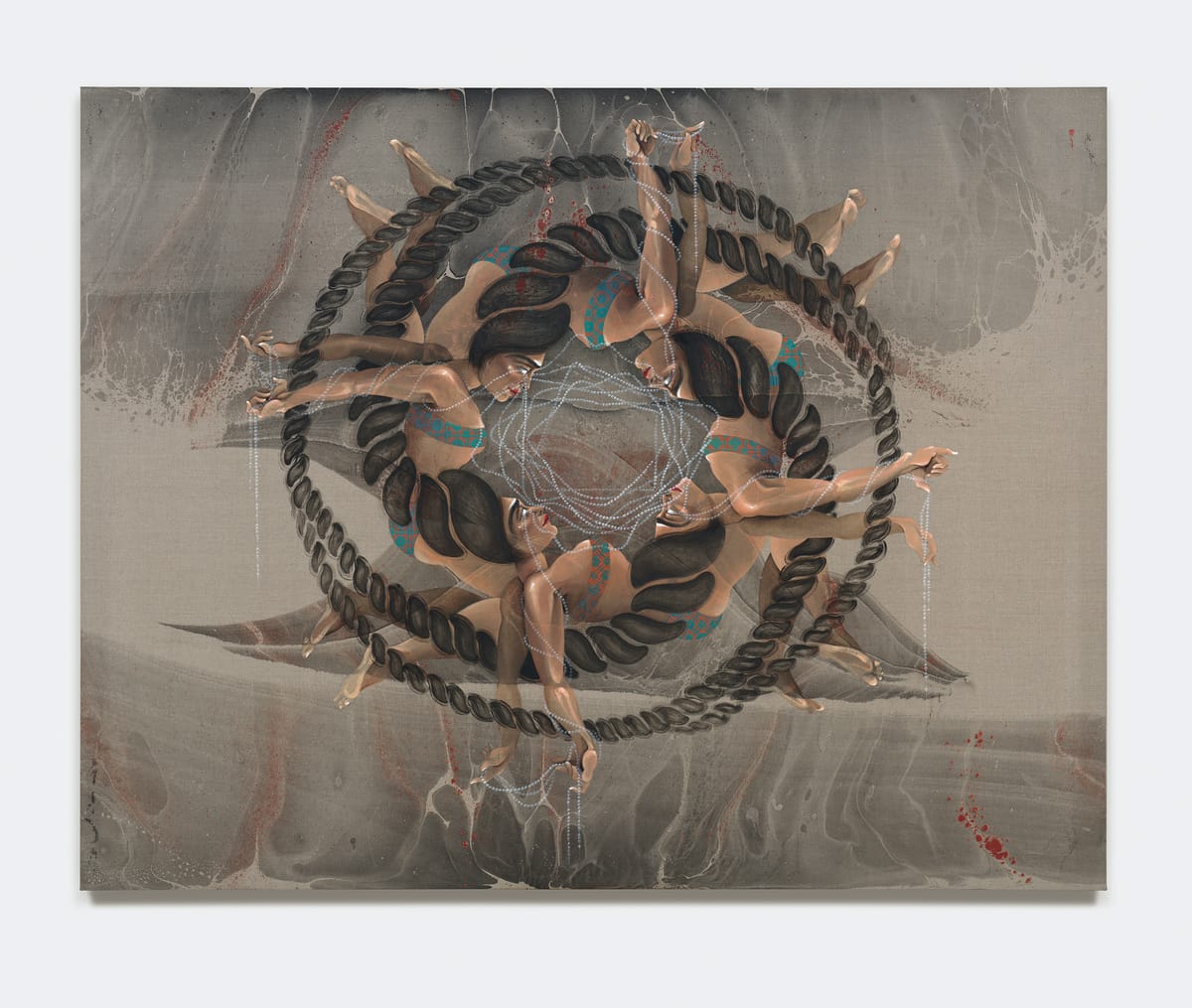
5 days agoJuxtapoz Magazine - Last Days to See Kate Meissner's New Paintings @ Lyles & King's Project Space, NYC
"These works are an exploration of the human body's elasticity and capacity to metamorphose. Informed by my own experience of pregnancy and the birth of my first child last year, these paintings are a meditation on physiological transformation and the body's underlying animalistic and mammalian nature."
Arts
fromHyperallergic
3 days agoThe Art World Is a Joke
Kamrooz Aram is everywhere this year, from Mumbai Art Week to the Whitney Biennial, and critic Aruna D'Souza is grateful. She pens a beautiful meditation on his work, reading his abstract paintings as not simply a denunciation of Western modernism nor a reassertion of Islamic visual motifs, but something else entirely - something gestural, exuberant, riotous, and incomparably his own.
Arts
Miscellaneous
fromThe Art Newspaper - International art news and events
1 month ago'My paintings are always really kitchen sink, everything's thrown into them': Christina Quarles on her first solo show in Los Angeles
Christina Quarles creates fluid, elastic paintings exploring bodily vulnerability through layered acrylic and digital techniques, with recent work becoming more untethered following personal trauma from the Eaton fire.
fromCurbed
1 month agoThe Look Book Goes to the New York City Ballet
I've been coming to the Art Series since 2022. The after-party is one of the most fun to go to, and tickets are a lower price than usual for ballets. A friend introduced me to it, and that's what I'm doing now-bringing a friend who's never seen the ballet before.
NYC music

fromwww.kaltblut-magazine.com
2 months agoLimited Space.
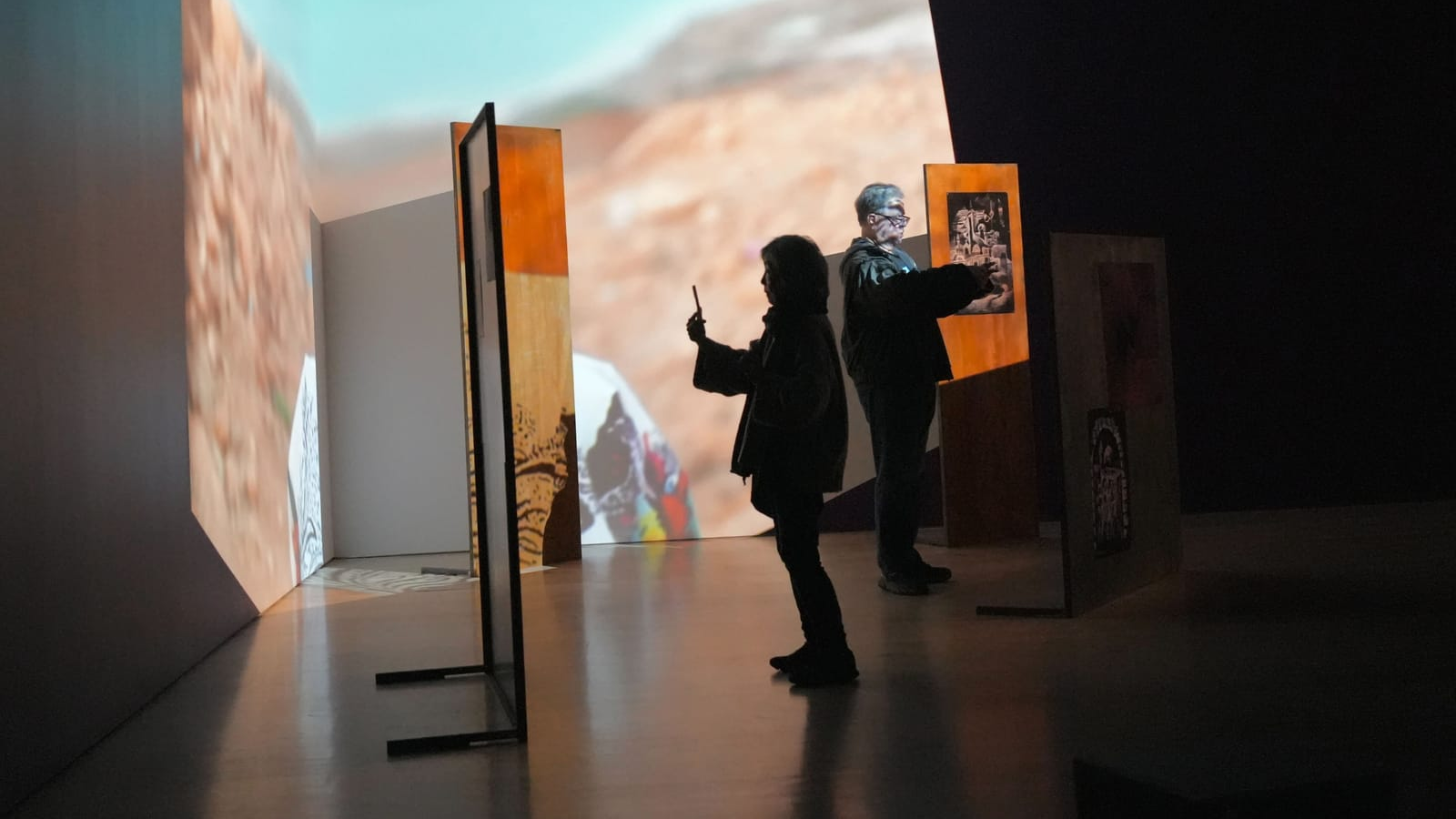
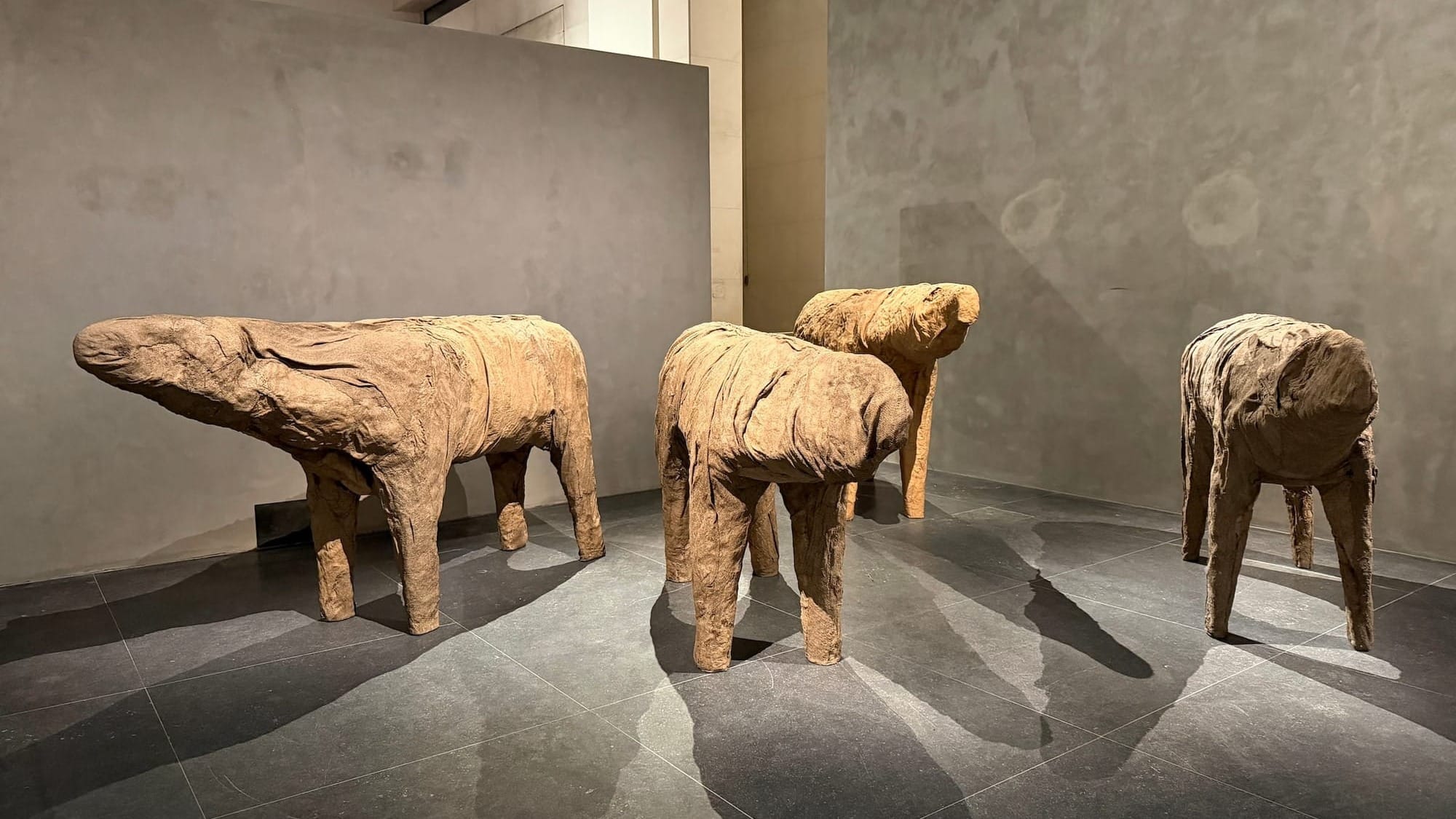
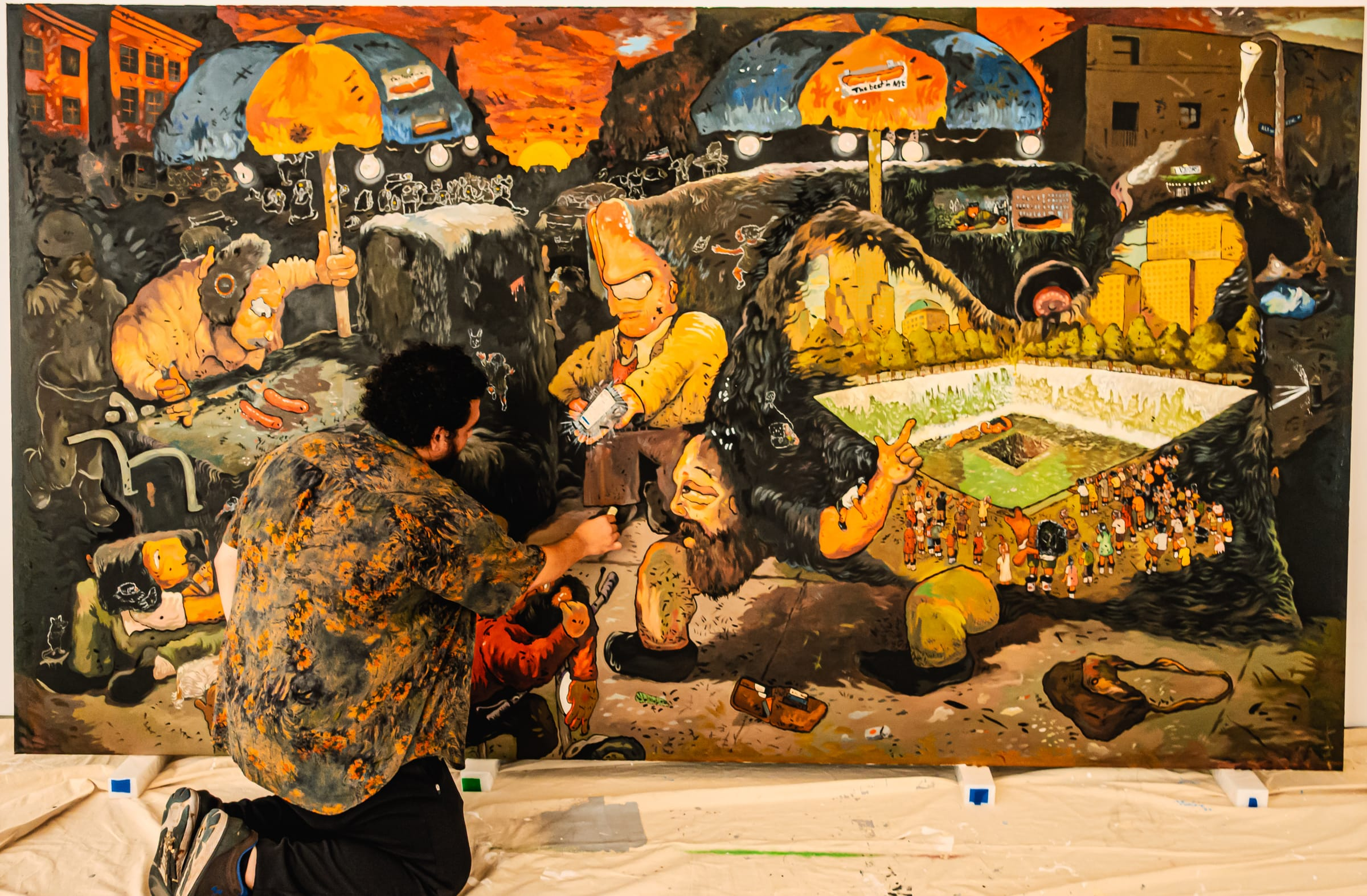
The Limited Space' series is built around the idea of a figure that has outgrown its space. Through exaggerated proportions and sculptural silhouettes, the body appears too large for the environment that continues to constrain it. Architectural elements and imposed barriers function as abstract limits, pressing against the figure and revealing tension through scale, weight, and posture rather than narrative.
Fashion & style
Arts
fromArtnet News
3 weeks agoBlink and You'll Miss It! 3 New York Shows With Painfully Short Runs | Artnet News
Gallery exhibition runs have lengthened from weeks to five or six weeks due to increased competition and high mounting costs, though a countermovement of brief, limited-time shows is emerging.
fromHyperallergic
3 weeks agoEmbracing Friction in the Art World
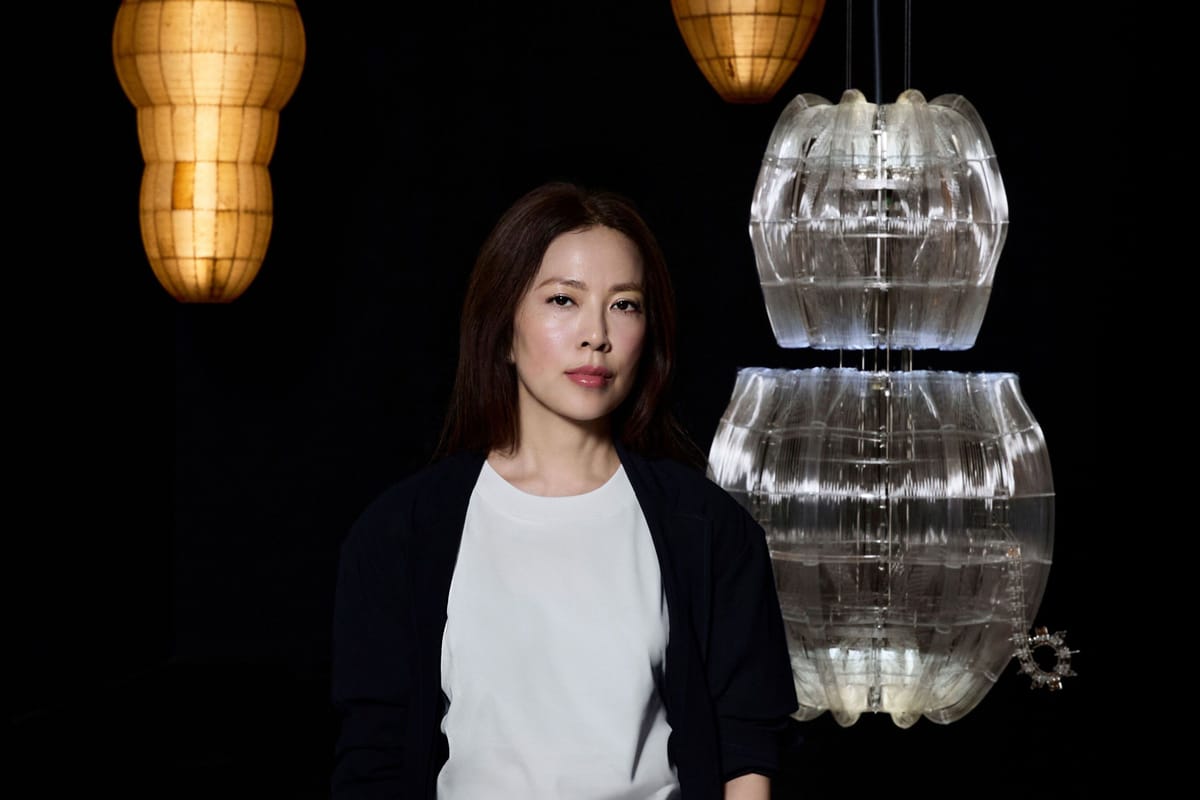
On Franklin Street in Brooklyn's Greenpoint neighborhood, one non-commercial gallery fosters 'a small, stubbornly human space for friction.' Friction—the ubiquitous buzzword that captures the simultaneous delight and discomfort of doing things the slow way—is at the heart of artists Pap Souleye Fall and Char Jeré's current show at Subtitled NYC. It also reflects the overall spirit of this little exhibition space and of a burgeoning movement to reject our culture of optimization in favor of a bumpier, more intimate, less alienating experience.
Arts
fromArtnet News
3 weeks agoInside the Forum Where Women in the Arts Are Taking on the Status Quo
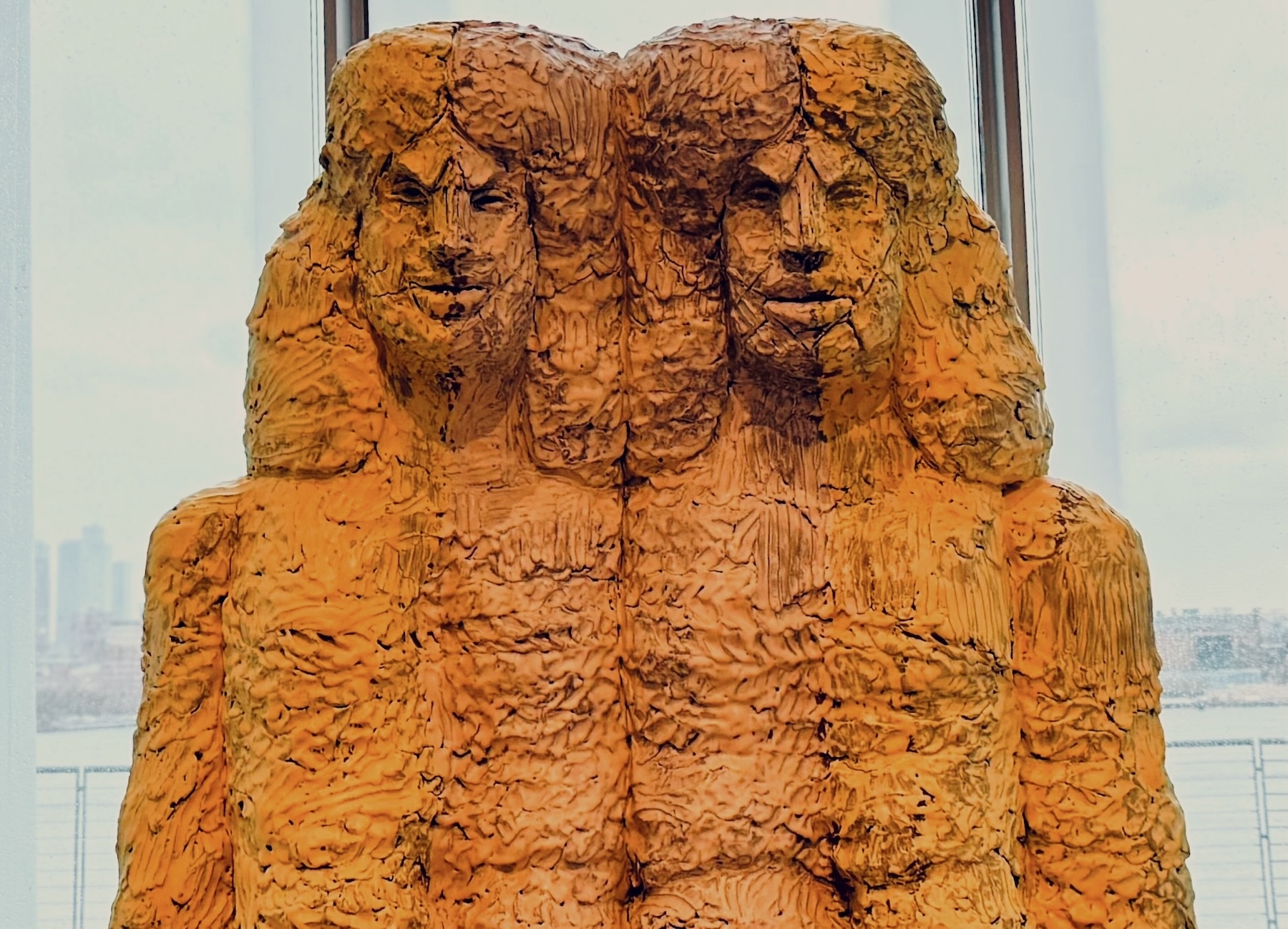
What began as a passion for collecting became a responsibility. She not only believes in the artistic genius of women, but she wants society in general to hold men and women artists in equal esteem-and to place the same monetary value on their work.
Arts
Arts
fromJuxtapoz
3 weeks agoJuxtapoz Magazine - Melissa Brown "Window Shopping" @ Derek Eller Gallery, NYC
Melissa Brown creates mixed-media paintings of New York City store windows, combining screen-printed photographs with impasto and airbrush techniques to explore sites of commerce, longing, and urban fantasy.
#asian-american-art
Arts
fromThe Art Newspaper - International art news and events
1 month agoA new home for Asian contemporary art opens in landmarked building in Manhattan's Chinatown
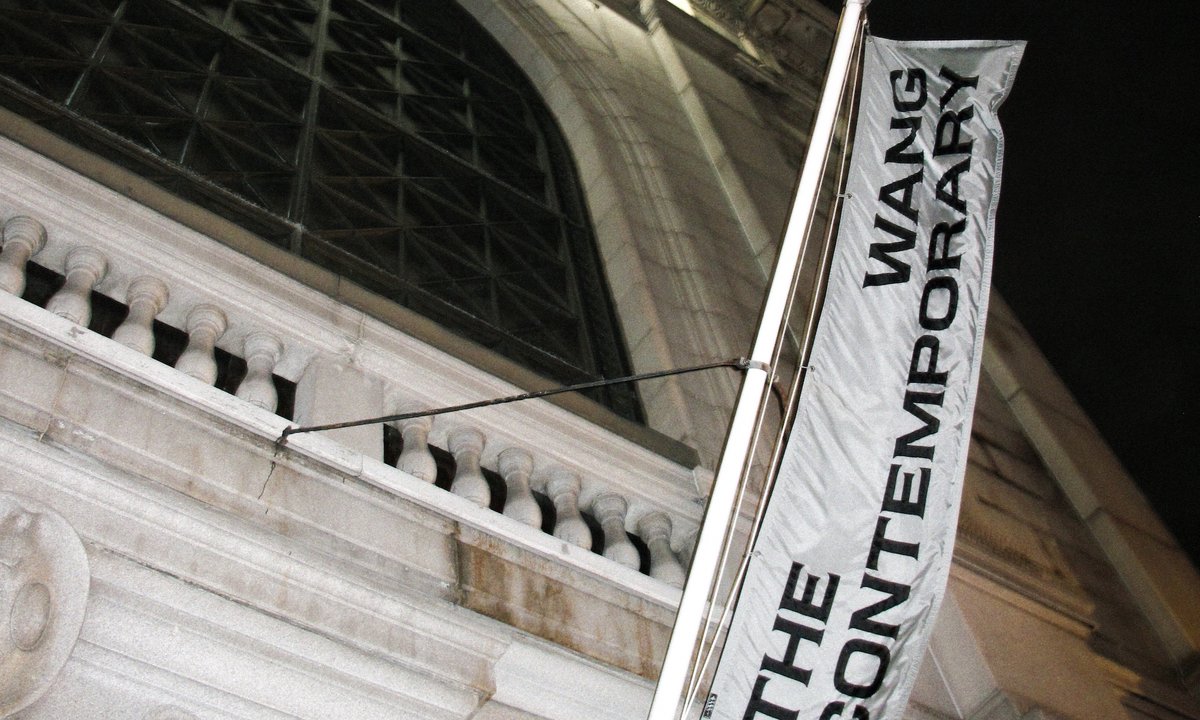
Wang Contemporary opens at 58 Bowery as a global platform for Asian and Asian American creativity, inaugurating with MSCHF's paper plane installation during Lunar New Year.
fromHyperallergic
1 month ago70 Shows to See in NYC This Spring
This year, we opted to sort our spring guide into categories, the better to match your mood. There are the shows everyone's talking about - big names like Duchamp and Raphael (seriously, how is this the first major survey of his in the city?), Frida Kahlo and Diego Rivera. There are major surveys, like the New Museum's inaugural show in its expanded building, MoMA PS1's Greater New York triennial, and of course, the Whitney Biennial.
Arts
Arts
fromThe Art Newspaper - International art news and events
1 month agoIn Pictures: Sculpture gets a leg up at Frieze Los Angeles
Contemporary artists showcase innovative sculptural works at art fairs, blending traditional materials with conceptual themes and attracting significant collector interest.


Arts
fromThe Art Newspaper - International art news and events
1 month agoPerfectly unusual settings for art in Los Angeles
Alternative art galleries are increasingly operating from unconventional domestic and commercial spaces like apartments, garages, and restaurants, rejecting traditional white cube aesthetics to embrace informality and rapid artistic experimentation.
fromThe Art Newspaper - International art news and events
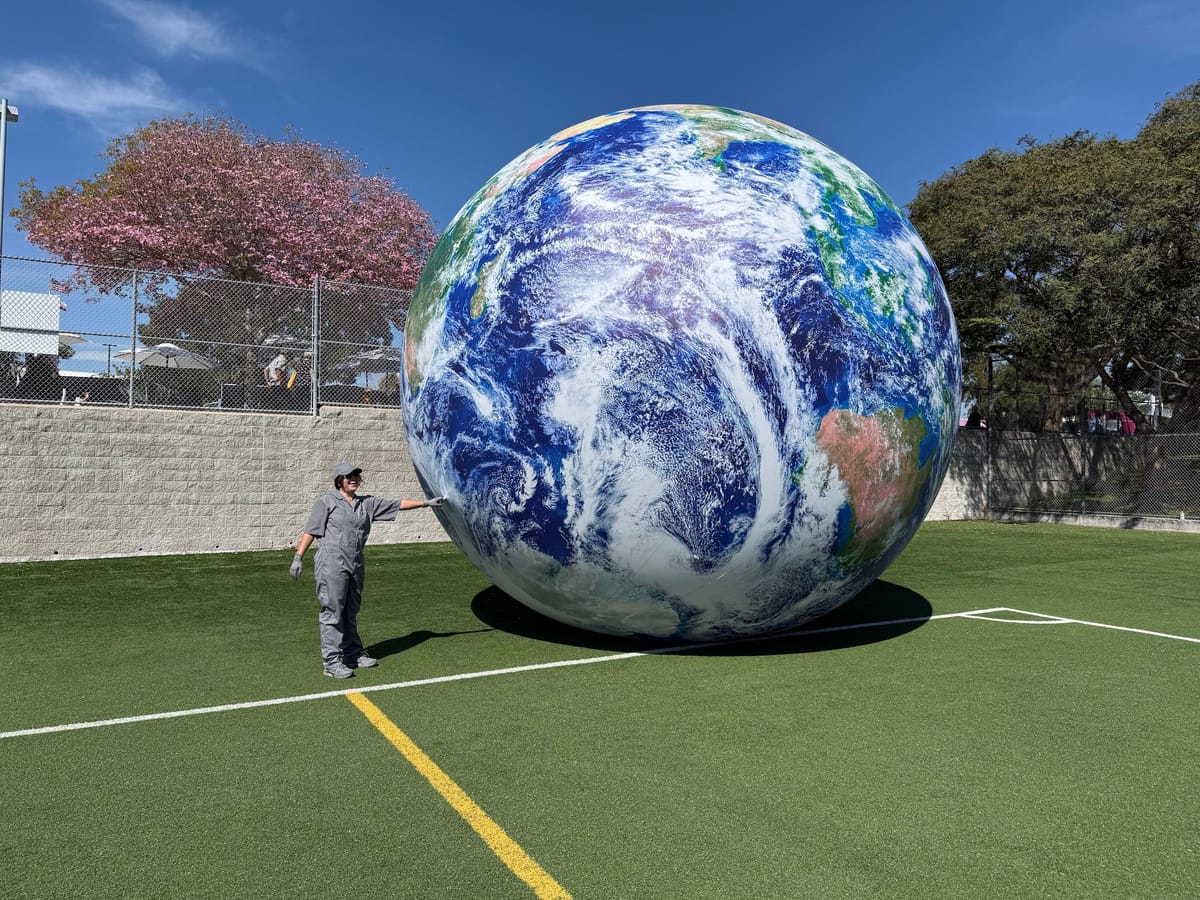
1 month agoBearing the weight of the world: Amanda Ross-Ho rolls out a new performance at Frieze Los Angeles
A repeated gesture is a way of making something gigantic. When Art Production Fund approached her to imagine a work for the three-acre turf field at the Santa Monica airport during Frieze, her mind went to performance. To activate the synthetic green space, she realised she needed to create something that engaged both the physical conditions of the site and the temporary context of the fair.
Arts
fromThe Art Newspaper - International art news and events
1 month ago12 must-see exhibitions in and around Los Angeles during Frieze
Baca, who was awarded the National Medal of Arts by former US president Joe Biden, is working with a team of artists to tell socially engaged stories on 12ft-tall panels. "I want to use public space to create ... consciousness about the presence of people who are often the majority of the population but who may not be represented in any visual way," she says.
Arts
Arts
fromArtnet News
1 month agoA Downtown Gallery Disappears, Another Draws Controversy-and More Juicy Art World Gossip | Artnet News
1969 Gallery closed its Tribeca space after the building sale; founder Quang Bao plans Barcelona artist residencies and eventual New York reopening, prioritizing collaborations.
Arts
fromThe Art Newspaper - International art news and events
2 months agoNew experimental art organisation opens in New York
Summer Guthery and Francesca Sonara launch Times, a small, nimble three-year Manhattan art space prioritizing artists' needs, flexibility, and rejection of perpetual-growth institutional models.
fromHyperallergic
1 month agoThese Are the Artists in MoMA PS1's Greater New York Show
Taking over the museum's transformed school building starting April 16, the cross-borough survey will celebrate MoMA PS1's 50th anniversary with a bevy of site-specific installations, new commissions, and rarely seen work by 53 artists and collectives living and working across New York City. A complete list of participants is included at the end of this article. This year, Greater New York will coincide with the Whitney Biennial for the first time in the show's history.
Arts
fromJuxtapoz
1 month agoJuxtapoz Magazine - Left Open: Lily Taylor @ Monya Rowe Gallery, NYC
The paintings are charged with potential discomfort- from middle school angst to family dynamics. The work wrestles with the nebulous nature of memory and piecing together the past. Taylor embraces the power of sentimentality and nostalgia, but also confronts the complexity of misunderstood communication. Even shared experiences can be perceived vastly differently. By looking to the past we can begin to better understand ourselves, and those around us.
Arts
fromwww.theguardian.com
2 months agoIt's a fun cocktail!': the Wooster Group's head-spinning blend of high and low art
Spalding Gray used to perform a show called Interviewing the Audience. The celebrated monologist would invite a stranger he had met in the lobby to join him on stage. Through a sequence of innocuous questions, he would get them to open up about their lives. At one performance, a guest broke the audience's hearts by talking about her daughter's murder. At benefit nights, people living with HIV shared their tales. Other times, the anecdotes would be eccentric or amusing.
Arts
fromJuxtapoz
1 month agoJuxtapoz Magazine - Zigzags and Curves: Sarah Crowner @ Galerie Nordenhake Mexico City
Galerie Nordenhake Mexico City is pleased to present Zigzags and Curves, an exhibition by Sarah Crowner that brings together her sustained research into geometry, abstraction, and the expanded language of painting. Presented across two sites - the gallery's Mexico City space and Casa Roja in Lomas de Chapultepec-the exhibition takes its title from the fundamental graphic elements that structure Crowner's visual vocabulary: the zigzag and the curve.
Arts
fromwww.amny.com
2 months agoDreams full of voltage: Karina Lumiere's abstract works electrify the art scene amNewYork
Karina Lumiere paints like someone who trusts color more than language. Her work does not whisper its intentions. It glows, pulses, seduces. This is abstraction born not from theory, but from devotiondevotion to intuition, to sensation, to the unapologetic power of hue as an emotional instrument. Her path to abstract expressionism was never academic. It unfolded in solitude, shaped by meditation and spiritual practice, where listening became more important than learning and presence eclipsed instruction.
Arts
Arts
fromwww.theguardian.com
2 months agoArtist Sarah Sze: A work of art is finished when everything teeters'
Sarah Sze’s Gagosian Beverly Hills exhibition uses 13 works—large, intricate paintings and video installations—to create immersive, disorienting landscapes reflecting an image‑saturated, unstable contemporary world.
fromHyperallergic
2 months agoA View From the Easel
Mornings are best for concentrated work. In the winter, I turn on the heat at 8am and get started around 10am. Summer, I start around 9am. I have two areas in the studio for projects. The large, heavy wood sculptures are carved in the front section of the studio, closest to the roll-up wide door. Smaller sculptures are placed on a hydraulic workbench. Before I start, I focus, connect with the Source, and ask for guidance.
Arts
[ Load more ]