#yasmin-zaher
#yasmin-zaher
[ follow ]
#photography #contemporary-art #lebanon #conflict #identity #displacement #palestine #gaza-conflict #art
#photography
Photography
fromItsnicethat
3 days ago"What if everyone started making out?" Andrea Marti's horny photo series tackles Gen Z's lack of intimacy head on
Andrea's photographic series reimagines intimacy in a digitally isolated world, inspired by Raquel S. Benedict's essay and Tom Wood's nostalgic club scenes.
Photography
fromwww.theguardian.com
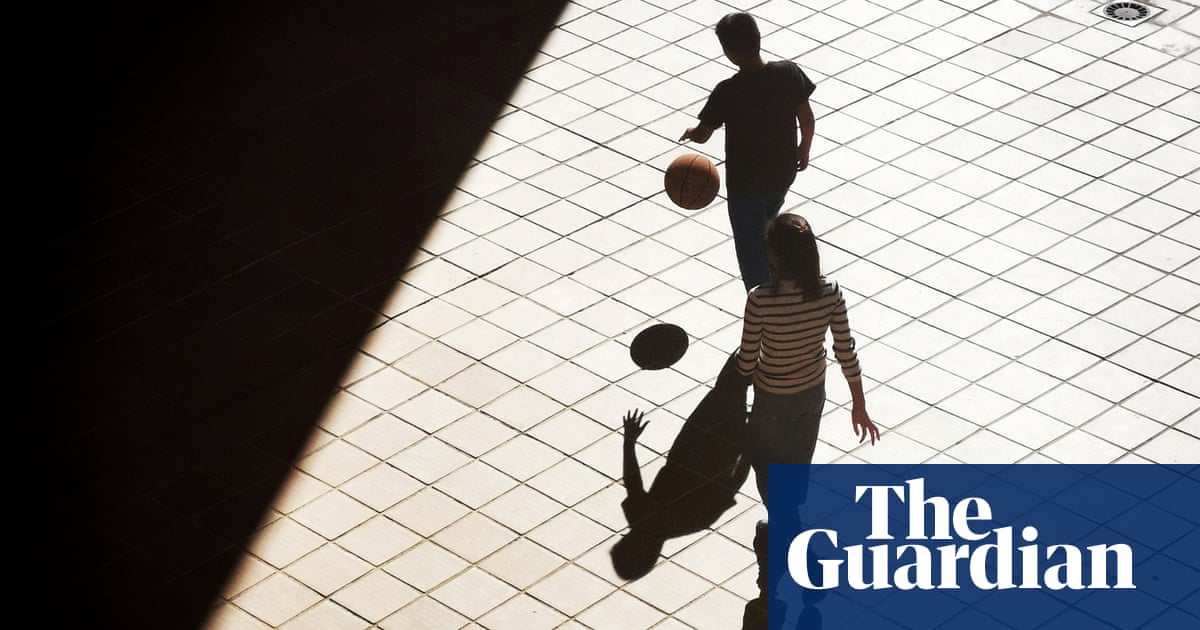
1 day agoThe shadows, the figures playing basketball I waited for the magic to appear then it did': Jose Luis Morales Martin's best phone picture
Jose Luis Morales Martin captures the interplay of architecture and photography, emphasizing the emotional connection and artistry in both fields.
Photography
fromItsnicethat
3 days ago"What if everyone started making out?" Andrea Marti's horny photo series tackles Gen Z's lack of intimacy head on
Andrea's photographic series reimagines intimacy in a digitally isolated world, inspired by Raquel S. Benedict's essay and Tom Wood's nostalgic club scenes.

fromwww.npr.org
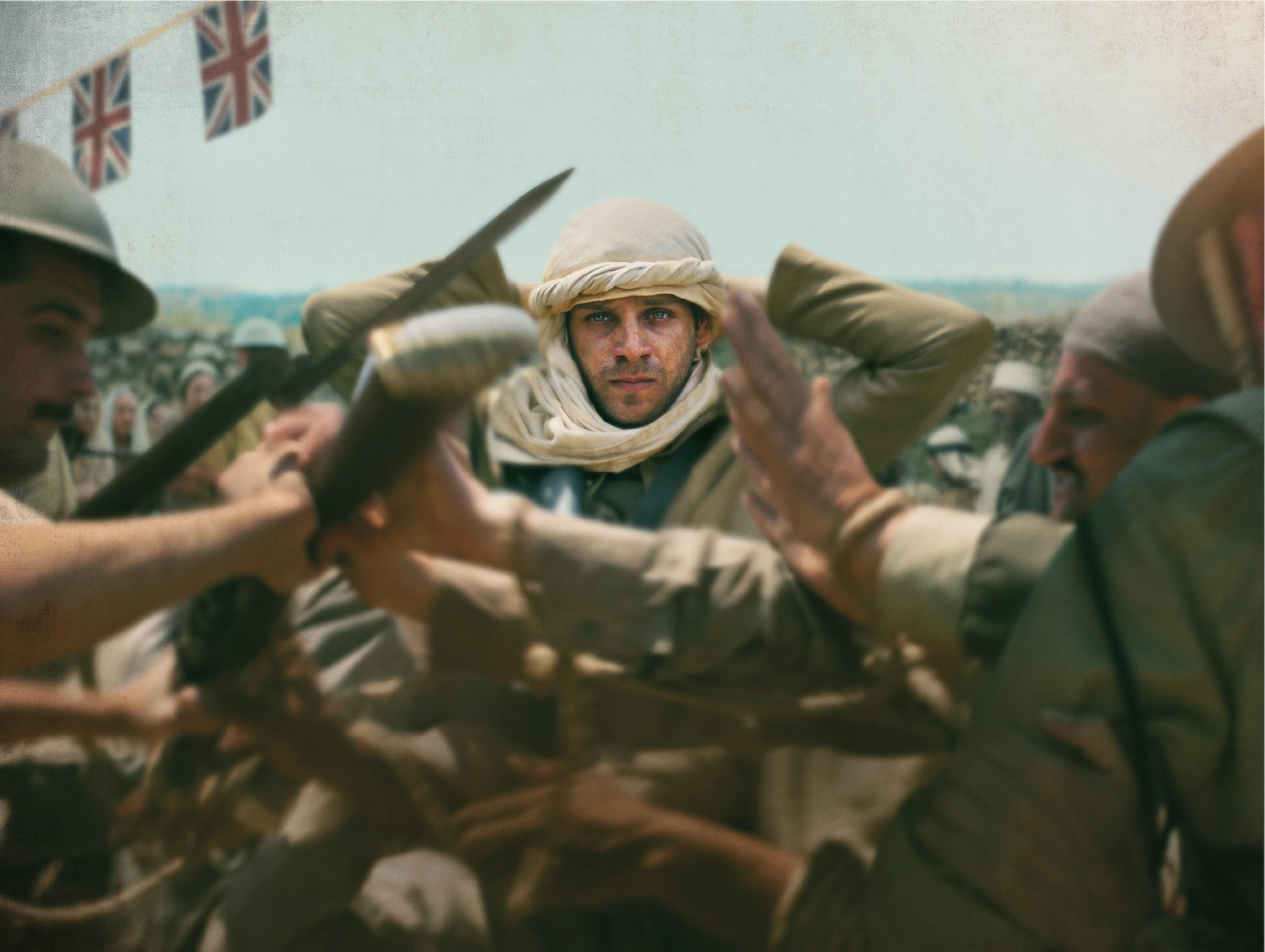
3 days agoThis fringe actor finds the spotlight in Israel's most provocative film post-Oct. 7
In the film, Bronz's character is commissioned to compose a new national anthem for post-Oct. 7 Israel, and writes a warmongering ballad about destroying Gaza and 'love sanctified in blood.'
Independent films

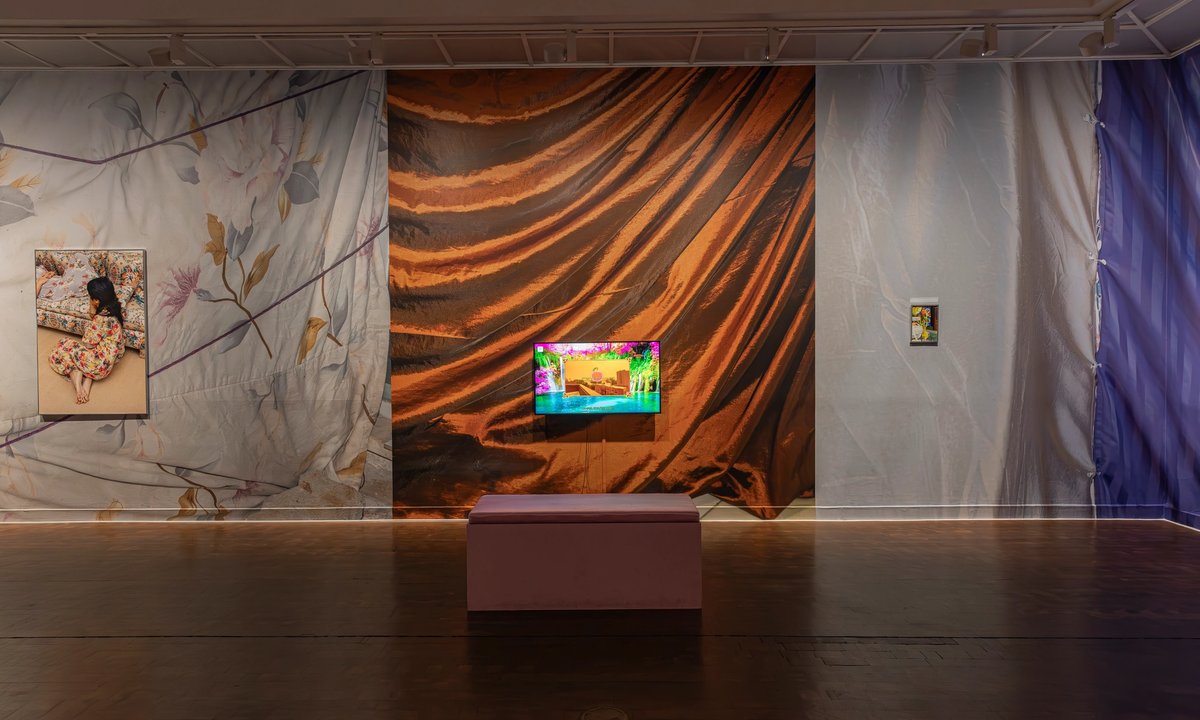
fromwww.aljazeera.com
2 weeks agoQuran echoes loudly as Palestinian reciters gather in Gaza
Two hundred and fifty-six Quran memorisers—Palestinians who have committed the entire holy book to memory—sat in the place while companions beside them listened attentively, following each word carefully to ensure the recitation remained flawless. The gathering, titled Safwat Al-Huffaz—The Elite of Quran Memorisers, has become a special collective way of observing Ramadan in Gaza.
World news
Russo-Ukrainian War
fromArtforum
3 weeks agoRoman Khimei and Yarema Malashchuk on image-making in wartime
Ukrainian artists document social transformation and wartime trauma through performance-based video work that challenges traditional documentary approaches and confronts death's instrumentalization in conflict.
Film
fromwww.independent.co.uk
3 weeks agoGiant portrait of Gaza girl Hind Rajab appears on beach ahead of Oscars
A sand portrait of 5-year-old Hind Rajab appears on a Yorkshire beach to promote the Oscar-nominated film 'The Voice of Hind Rajab,' which documents her death during an Israeli military operation in Gaza City in January 2024.
Fashion & style
fromItsnicethat
1 month agoVintage Arab cassette tapes inspire Sometimes Always' warm identity for Fatouh Harissa
Foutah Harrissa rebranded with a bolder, fiery red wordmark and warm earthy tones while maintaining Tunisian heritage through handcrafted textiles and vintage Arab-inspired geometric framing devices.
Writing
fromKqed
1 month agoA Glimpse of Iran Through the Eyes of its Artists and Journalists
Iranian-American artists and writers explore diaspora, identity, and historical trauma through poetry, fiction, and documentary, examining the lasting impact of political upheaval and U.S. intervention on Iranian communities.
World news
fromwww.theguardian.com
1 month agoThere's no safe place any more': inside Tehran under attack photo essay
Iran faces escalating military conflict with the US and Israel, resulting in over 1,200 deaths including Supreme Leader Ali Khamenei, widespread destruction in Tehran, and retaliatory strikes across the Middle East.
fromHyperallergic
1 week agoLebanese Artist Ali Sbeity Reportedly Killed in Israeli Strike
Ali Sbeity painted vibrant portraits and landscapes of his rural hometown in Southern Lebanon, often sharing his works on his Facebook. He participated in numerous local arts exhibitions and created murals for schools in Beirut.
Arts
Arts
fromThe Art Newspaper - International art news and events
1 week agoWho owns the seas? Shahzia Sikander's new animation on world trade beamed onto M+ museum facade
Shahzia Sikander's work explores territorial sovereignty and authority through animation, linking historical events like the Opium Wars to contemporary issues.
Independent films
fromConde Nast Traveler
1 month agoWhat It Took for Film Director Cherien Dabis to "Find Palestine Everywhere But Palestine"
Palestinian-American filmmaker Cherien Dabis promotes her Oscar-shortlisted film about Palestinian displacement, exploring intergenerational trauma shaped by movement restrictions and border constraints.
fromThe Art Newspaper - International art news and events
1 week agoTextiles weave tales of Palestine's rich but troubled history
Textiles are a window into the communities that created them, with every motif and line signalling a different memory, tradition or identity. Often seen as folk art, these pieces of embroidery and weaving bring together dozens of narrative threads, from Japan to South America. But nowhere is it more fraught with meaning than in Palestine.
Arts
Arts
from48 hills
2 weeks agoFor Iranian artist Shiva Ahmadi, 'ornamentation becomes a form of resistance' - 48 hills
Shiva Ahmadi's interdisciplinary art practice channels personal experiences of displacement, political upheaval, and immigrant anxiety into visually seductive works that address brutal global issues affecting marginalized communities.
Arts
fromHyperallergic
2 weeks agoZarina Brought the World to New York
Zarina's artistic practice, rooted in South Asian history and shaped by migration and displacement, established her as a foundational figure for South Asian American artists while maintaining independence from nationalist frameworks.
fromHyperallergic
2 weeks agoWhen a Palestinian Artist Asserts Her Own Humanity
There is a scene in "Morgenkreis | Morning Circle" (2025), a 16-mm film by Berlin-based Palestinian artist Basma al-Sharif, that unfolds at the threshold of a daycare center. A young boy clings to his father, his fists locked into the fabric of his coat, his arms wrapped tightly around him. The father gently tries to pry himself free while a daycare worker crouches nearby, attempting to distract the child and coax him inside. It is an ordinary moment, one that anyone who has ever been a child - or cared for one - recognizes instantly, as well as the gut-wrenching feeling it provokes.
Arts
Film
fromwww.theguardian.com
1 month agoA love letter to Beirut': Lana Daher on sifting 20,000 sources and 70 years of film to make Do You Love Me
Excavating suppressed archives and remembering wartime realities is essential to confront Lebanon's past, preserve collective memory, and challenge cultural erasure and censorship.
Design
fromwww.amny.com
2 months agoBetween Worlds': Musah Swallah art exhibit in Chelsea shows the transformation of surface into message amNewYork
Musah Swallah uses canvas, wood, and cork to foreground material history while making saturated color the structural, inheriting and advancing modern and African painting lineages.
fromConde Nast Traveler
2 months agoDespite All Odds, Beirut's Jazz Scene Persists
I noticed the swelling of the double bass first, quickly followed by the fluttering of brushed cymbals. A saxophone pushing against the edges of a melody swiftly married the notes together, chords drifting haphazardly before reaching a slow, pulsing groove. The jazz quartet performed in front of a liquor cabinet lined with whisky bottles; low-hanging lights teetered overhead, throwing shapes on the monochromatic marble-tiled floor. Outside, a leafy veranda was filled with diners, the music drifting through flung-open doors and windows.
Music
Arts
fromThe Art Newspaper - International art news and events
3 weeks agoArt communities and heritage in Iran, moderate recovery in the art market, Sydney Biennale-podcast
Cultural communities in Iran and Lebanon respond to Middle East conflict while heritage sites face damage, alongside global art market recovery and contemporary art installations addressing regional tragedies.
fromColossal
3 weeks agoElizabeth Saloka's Vibrant Painted Rocks Adopt the Personalities of Snacks and Pop Culture Icons
Last fall, I bought a ton of marble scraps off a sculptor in Woodstock for like, $10 off Facebook. For sandwiches and cakes, crumbling asphalt parking lots are good. When I lived in Sunset Park, they demolished a building a couple blocks from my apartment, and there was a hole in the fence, so I'd go in there and find tons of cool shapes and textures of rubble.
Arts
fromwww.aljazeera.com
2 months agoSuper Saliha
The moving story of a Tunisian man who refuses to let cancer define his mother's life and turns her treatment into a celebration of love, joy and resilience. When Tunisian TV host Hassen becomes a full-time caregiver for his mother Saliha, dying of lung cancer, their home and hospital visits become the backdrop for an intimate family love story. This observational documentary follows them through birthday celebrations, 4am medication, difficult medical consultations and quiet, emotional moments together.
Film
fromwww.aljazeera.com
2 months agoSara in Southern Lebanon
Sara in Southern Lebanon On the Ground Her video diary shares her two-year journey of escaping to Beirut, followed by the difficulties of trying to return home. This video diaries was produced in collaboration with the Global Reporting Centre. Video Duration 03 minutes 58 seconds 03:58 Video Duration 03 minutes 12 seconds 03:12 Video Duration 04 minutes 35 seconds 04:35 Video Duration 03 minutes 51 seconds 03:51
World news
Arts
fromArtnet News
1 month agoUnveiling Hiba Schahbaz's Painted Paradise, Where Women Meet Mythical Beasts | Artnet News
Hiba Schahbaz creates a phantasmic world of female self-portraits across varying scales, blending Indo-Persian miniature traditions with contemporary artistic practice throughout her 15-year career.
Photography
fromItsnicethat
2 months ago"Professionalism kills creativity": Thalia Gochez on the importance of having fun as a photographer
Thalía Gochez uses intimate portraiture to uplift BIPOC narratives, stress perseverance, challenge professionalism's limits on creativity, and bridge subject, photographer, and viewer.
fromIndieWire
2 months ago'One in a Million' Review: An Epic Syrian Refugee Documentary Offers a Vivid, Nuanced Portrait of Exile
Upon reaching Cologne, however, it quickly became apparent to the directors that the most fraught and complicated portion of Israa's exodus was just beginning. The journey from Aleppo had almost been as dangerous as it would have been for her family to stay there, but neither artillery shells, overcrowded boats, nor the constant threat of being sent back were as difficult for the girl to survive as the twin pains of exile and assimilation.
Film
Arts
fromArtnet News
1 month agoIn Riyadh, Sweeping Survey Traces the Origins of the Saudi Art Movement
A comprehensive exhibition at the National Museum of Saudi Arabia documents the evolution of Saudi art from the 1960s-1980s, showcasing pioneering works and establishing the foundations of the modern Saudi art movement.
fromwww.aljazeera.com
2 months agoLooking for My Mum
Twenty-one-year-old Moez al Shreiti was given up by his Tunisian mother at birth but is absolutely determined to find out where he comes from. His search takes him on a roller-coaster journey to find answers to the question that's dominated his young life. This observational film follows his sometimes painful search with all its obstacles, going to courts and hospitals and trying to get hold of official records.
Film
Arts
fromArtnet News
1 month agoRiyadh Is Becoming a Public Art Destination. The Leader Behind It Offers Her Insights | Artnet News
Tuwaiq Sculpture Symposium has evolved into an inclusive international platform that permanently integrates over 120 sculptors' works throughout Riyadh's urban landscape as part of Vision 2030's cultural transformation.
fromJuxtapoz
1 month agoJuxtapoz Magazine - Hayv Kahraman: Libations @ Vielmetter, Los Angeles
the artist's newest body of work responds to an urgent question precipitated by the catastrophic events of the past year: What does one do when the world collapses? The works attempt to make sense of her experience of the fire and its enduring aftermath, while continuing her exploration of the poetics of loss, displacement, and migration. Kahraman views these works as an offering, a libation, to a burning world.
Arts
fromHyperallergic
1 month agoQueer Arab Artists on Their Own Terms
"The show is about giving the pen back to the writer, giving the paintbrush back to the artist, during this time of genocide," the Ridikkuluz told Hyperallergic in an interview at the gallery. "And when there's been so much censorship, these are artists that might not have been able to do this anywhere else."
Arts
fromArtnet News
1 month agoDomingo Zapata Is Painting the World's Largest Mural in Saudi Arabia
As an artist, having the freedom to create without boundaries is incredibly rare. That's why I reference the Sistine Chapel-not to compare myself to Michelangelo, but to evoke that moment in history when an artist was entrusted with complete creative freedom to interpret humanity as it was understood at the time,
Arts
fromThe Art Newspaper - International art news and events
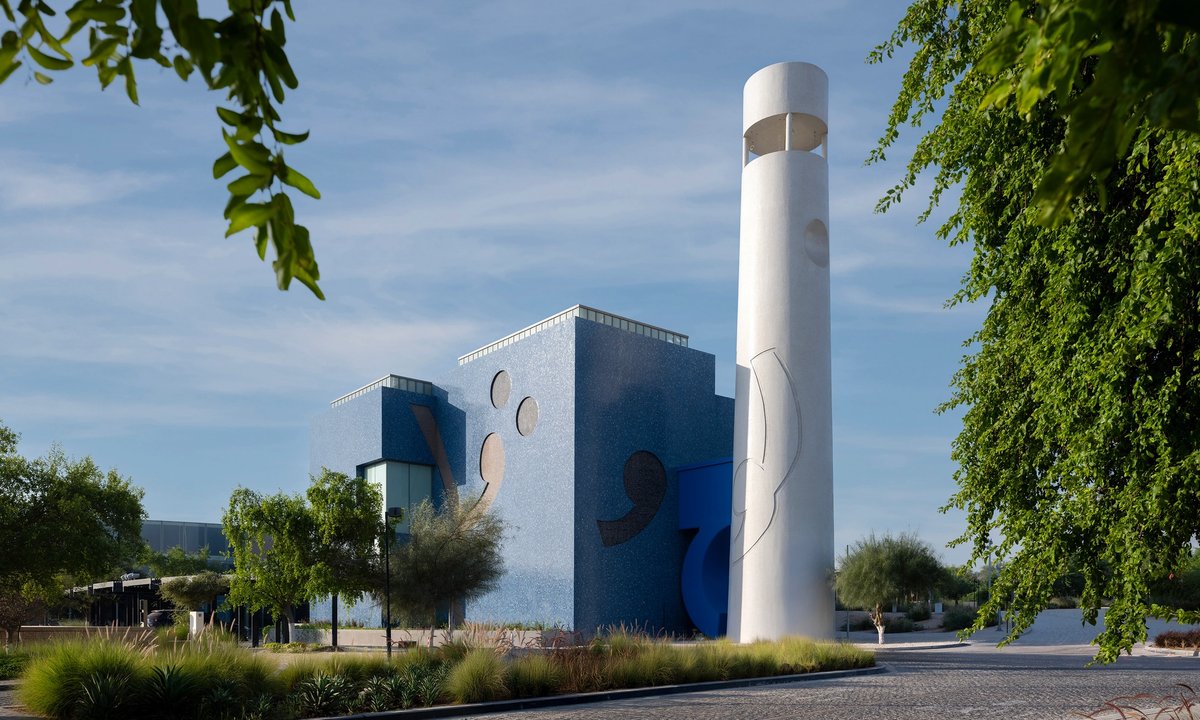
1 month agoLawrence Abu Hamdan and Lydia Ourahmane among artists confirmed for new Qatar quadrennial
The quadrennial exhibition introduces a new type of transnational, transdisciplinary program to Doha, rooted in issues that affect both Qatar and the wider region. The artists exhibiting broadly represent the diverse nationalities that live in Qatar, while their work reflects the shared geographical, environmenta
Arts
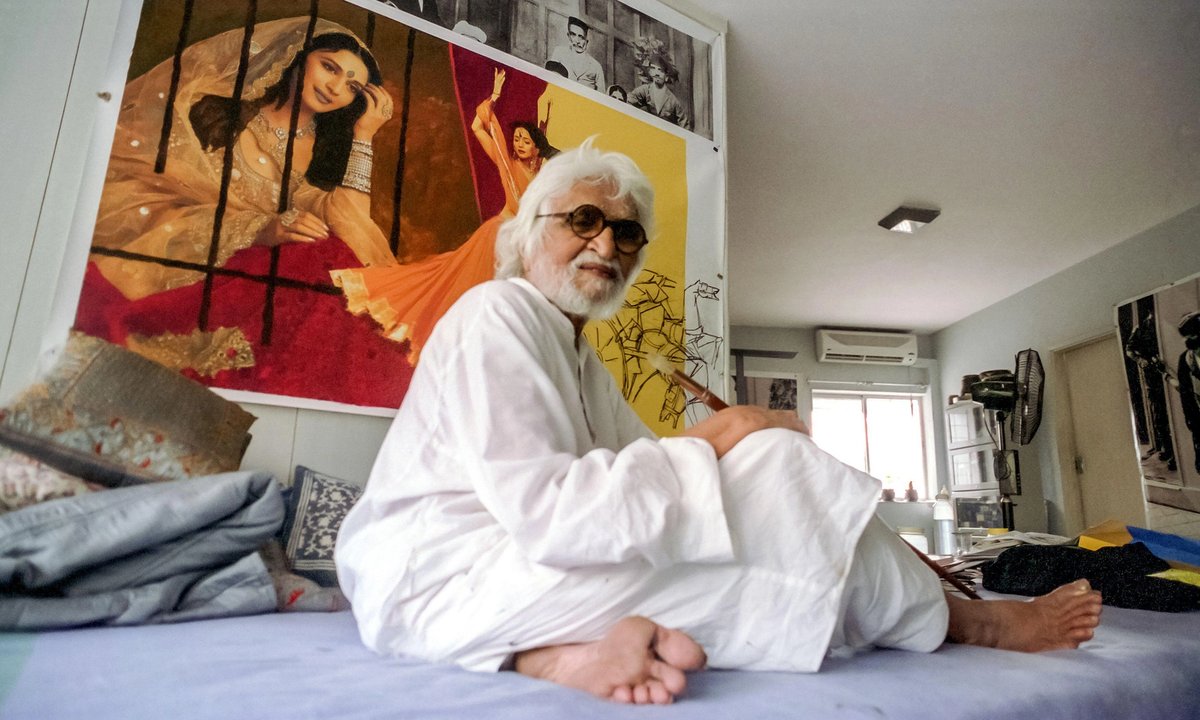
Arts
fromThe Art Newspaper - International art news and events
2 months ago'An institution where you delve into works': details of AlUla Contemporary Art Museum announced
AlUla Contemporary Art Museum, designed by Lina Ghotmeh, will open in AlUla, Saudi Arabia, focusing on heritage, environment, community and artist-centred collections.
[ Load more ]