#art-memoir
#art-memoir
[ follow ]
#art #mental-health #creativity #photography #identity #self-discovery #memory #authenticity #exhibition
Writing
fromSilicon Canals
1 day agoI'm 66 and the most important relationship of my adult life has been with solitude - not as a consolation for the company I didn't have, but as the place where I have always been most honest, most creative, and most recognizably myself, and I spent too many years being embarrassed about that before I understood it was simply how I was built - Silicon Canals
Solitude allows for self-discovery and personal reflection, free from societal expectations and external pressures.
Mental health
fromSilicon Canals
1 day agoI'm 37 and the friendships in my life that have lasted are the ones where we stopped pretending - stopped curating what we showed each other, stopped performing the version of our lives that made sense on paper - and what replaced the pretending is the best thing I have built in the last decade - Silicon Canals
Authentic friendships emerge when individuals drop their facades and share their true struggles with each other.
#identity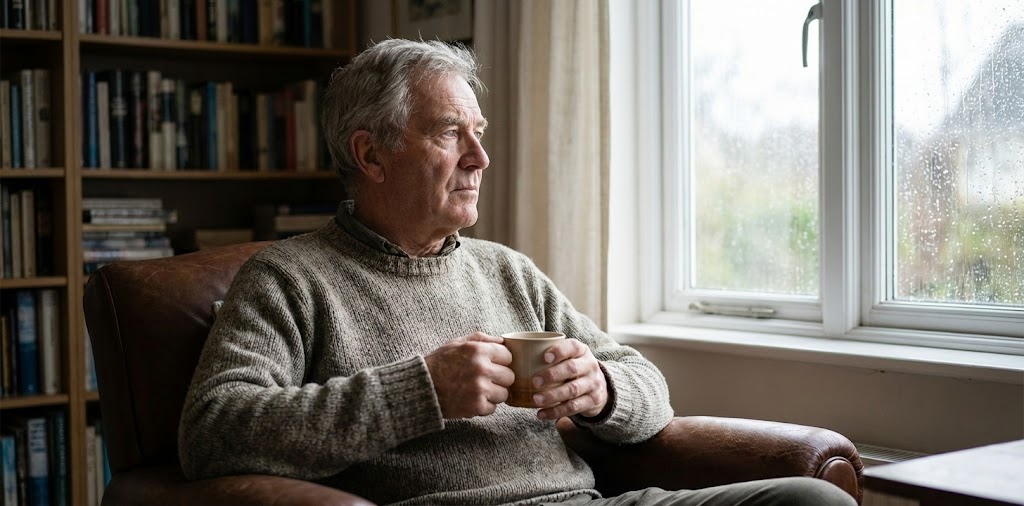
fromSilicon Canals
1 day agoRetirement
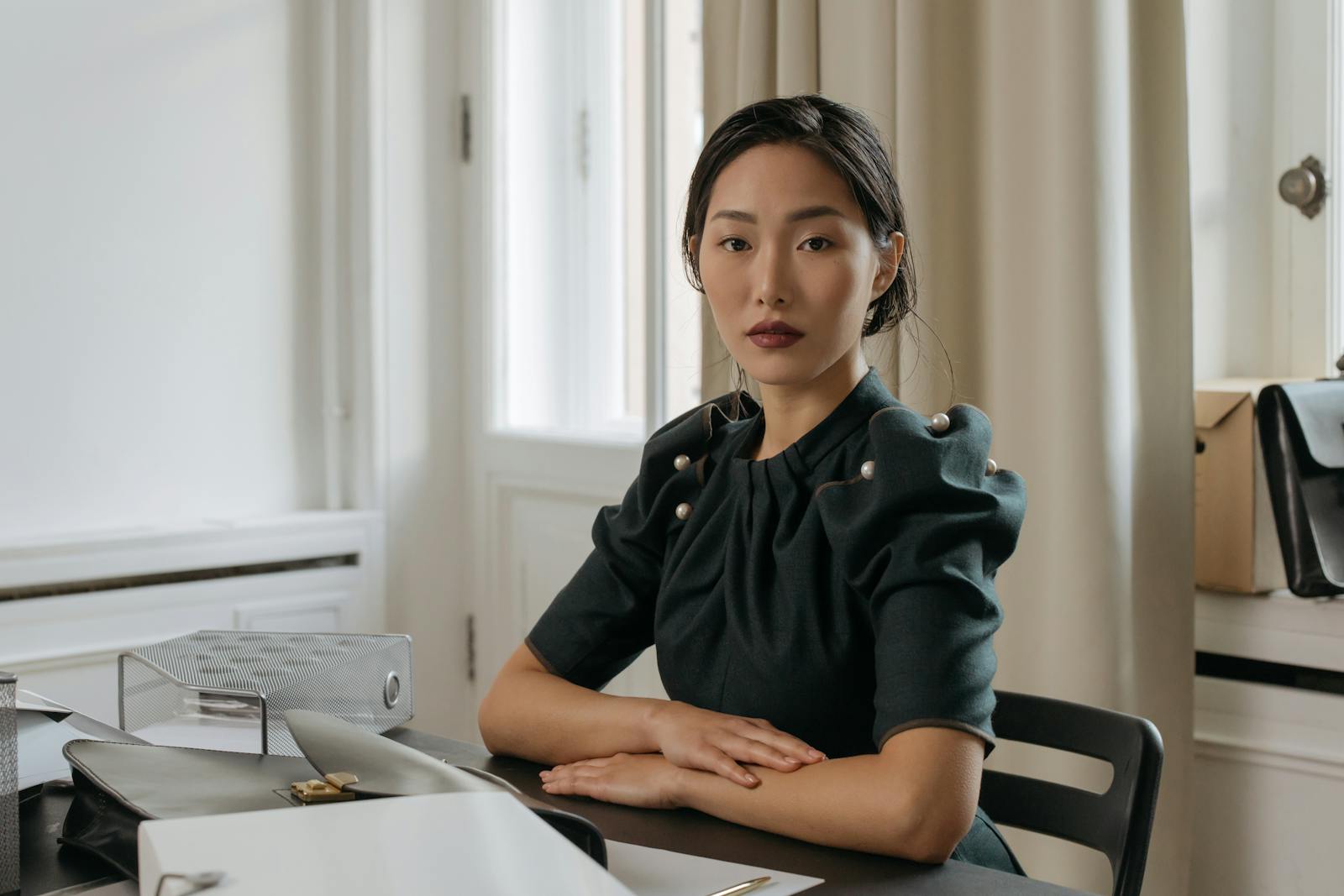
I spent a decade building a career I thought I wanted, a house I thought I needed, and a persona I thought would finally make me real - and one Saturday morning over coffee I sat with the quiet certainty that I had built all of it for someone who no longer lived inside me - Silicon Canals
fromSilicon Canals
1 day agoPsychology
Psychology says people who feel like they've been living someone else's life aren't confused or ungrateful - they're often the ones who were so good at adapting in childhood that they never stopped adapting long enough to find out who they actually were - Silicon Canals
Retirement
fromSilicon Canals
1 day agoI spent a decade building a career I thought I wanted, a house I thought I needed, and a persona I thought would finally make me real - and one Saturday morning over coffee I sat with the quiet certainty that I had built all of it for someone who no longer lived inside me - Silicon Canals
Building a life based on societal expectations can lead to a personal crisis when the facade becomes unsustainable.
Psychology
fromSilicon Canals
1 day agoPsychology says people who feel like they've been living someone else's life aren't confused or ungrateful - they're often the ones who were so good at adapting in childhood that they never stopped adapting long enough to find out who they actually were - Silicon Canals
Adapting to others' needs in childhood can lead to feeling disconnected and lost in adulthood.
#photography


Photography
fromwww.theguardian.com
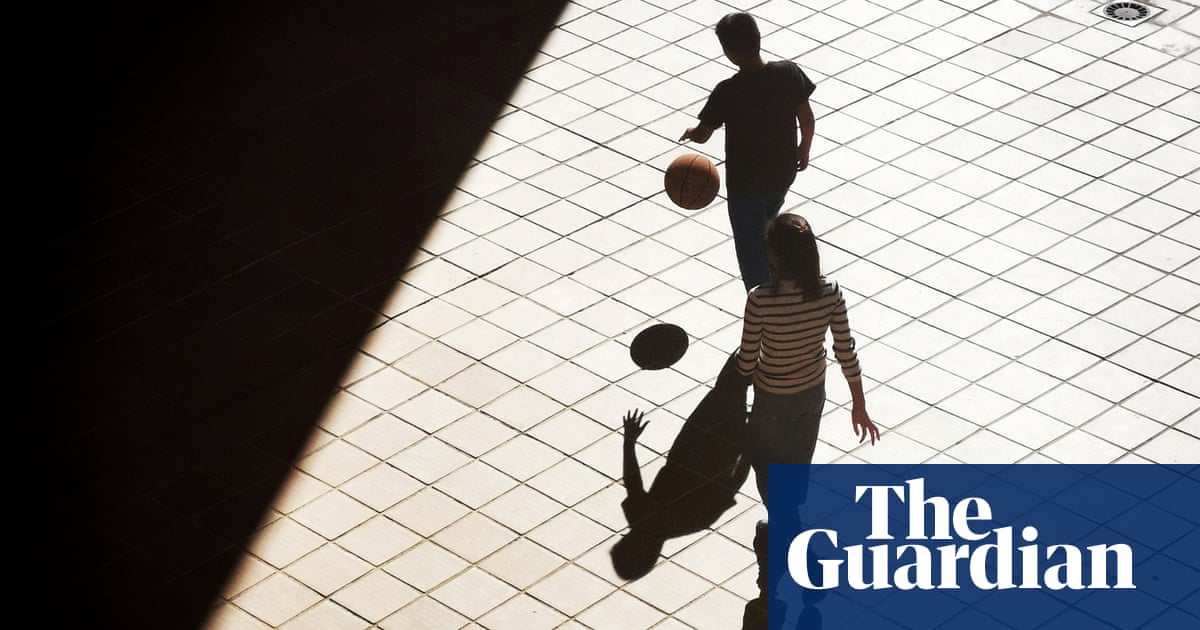
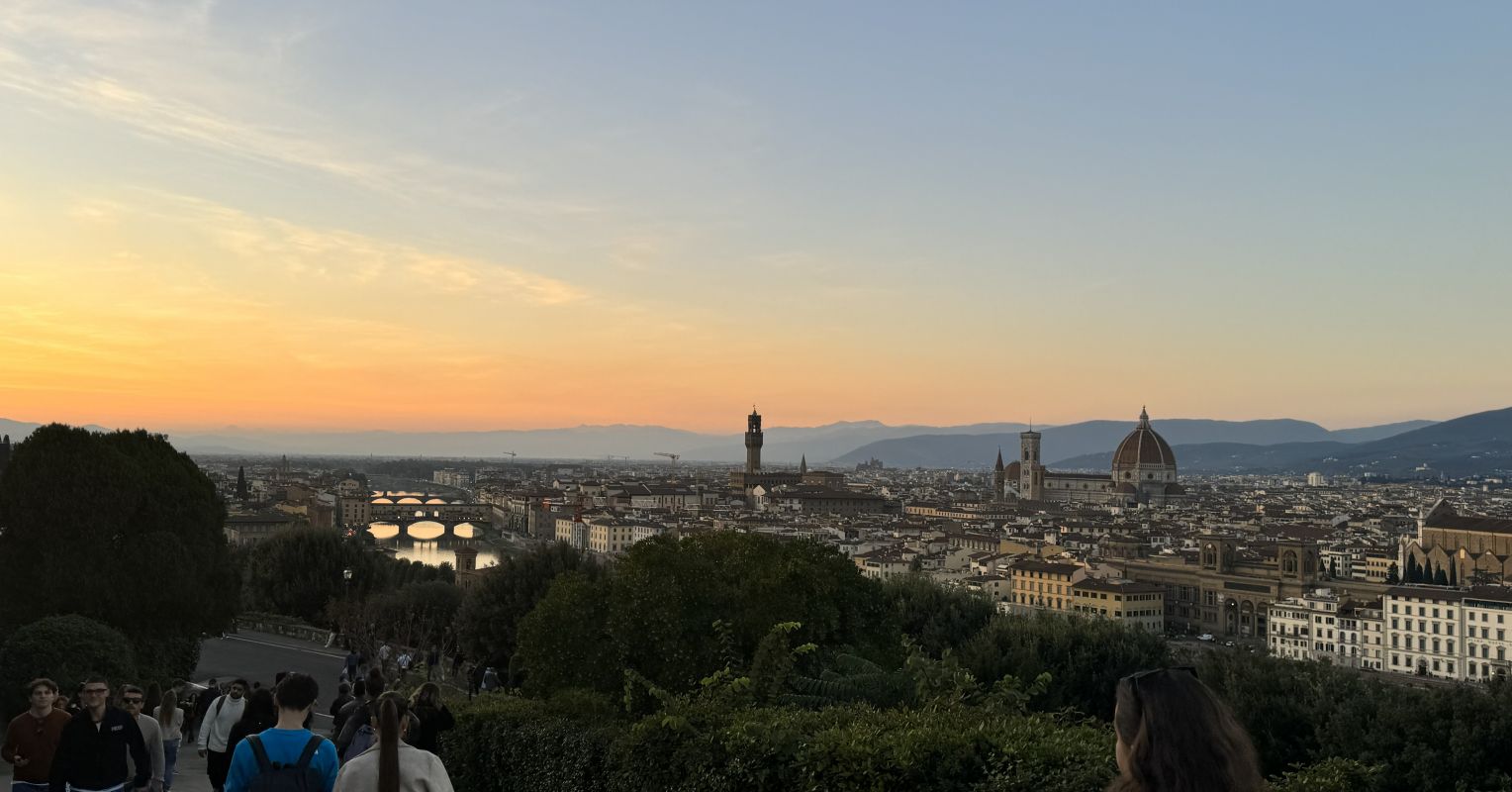
1 day agoThe shadows, the figures playing basketball I waited for the magic to appear then it did': Jose Luis Morales Martin's best phone picture
Jose Luis Morales Martin captures the interplay of architecture and photography, emphasizing the emotional connection and artistry in both fields.
Photography
fromItsnicethat
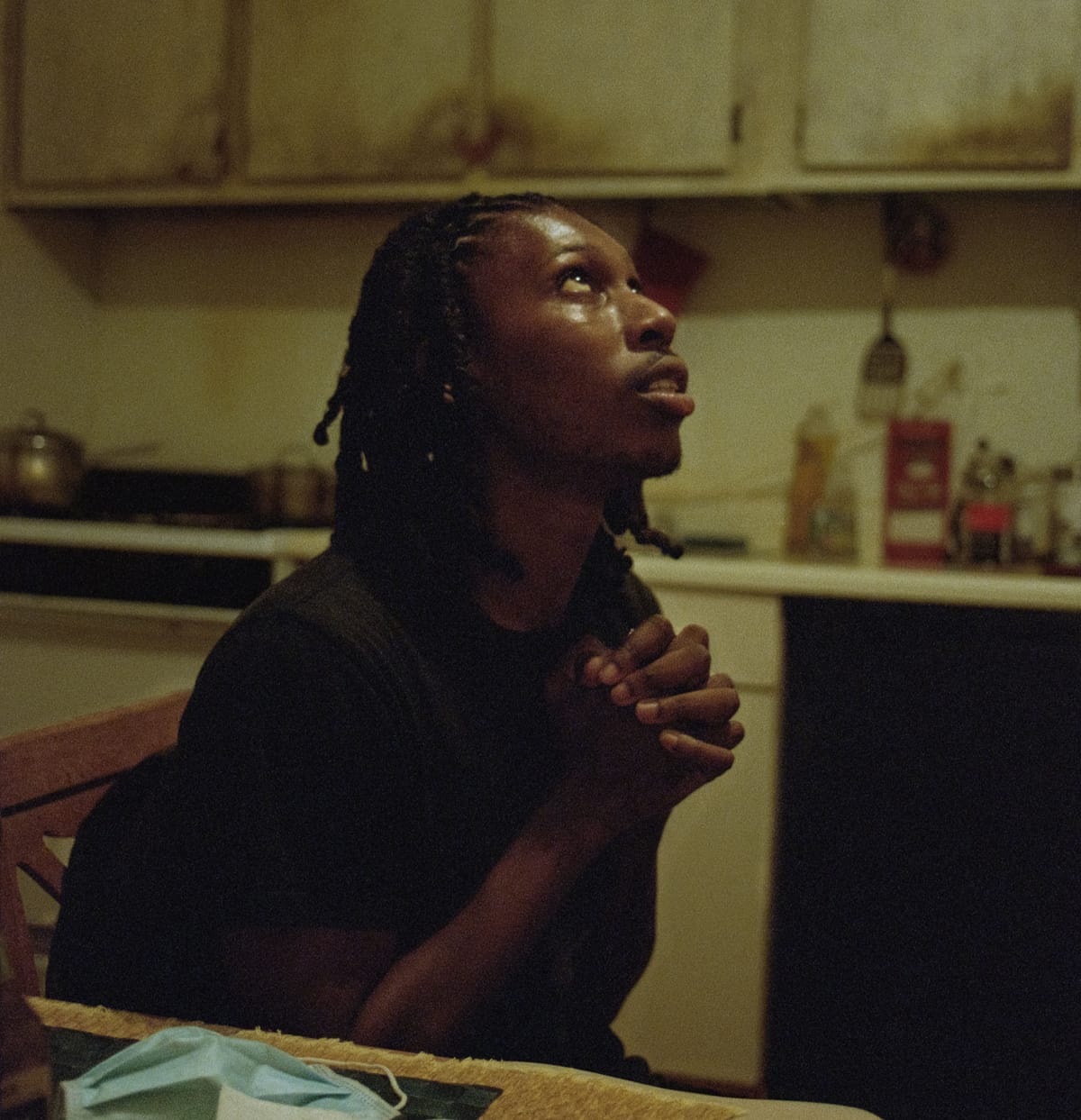
3 days ago"What if everyone started making out?" Andrea Marti's horny photo series tackles Gen Z's lack of intimacy head on
Andrea's photographic series reimagines intimacy in a digitally isolated world, inspired by Raquel S. Benedict's essay and Tom Wood's nostalgic club scenes.
Mental health
fromSilicon Canals
1 day agoPsychology says people who mellow out as they get older aren't the ones who suffered less - they're the ones who decided, at some point and without always knowing they were deciding, that the suffering was going to make them more open rather than less, and that decision, remade daily in small ways that nobody notices, is the entire difference - Silicon Canals
Emotional responses to life's challenges can change over time, leading to greater peace and stability despite ongoing difficulties.
#art


Arts
fromIrish Independent
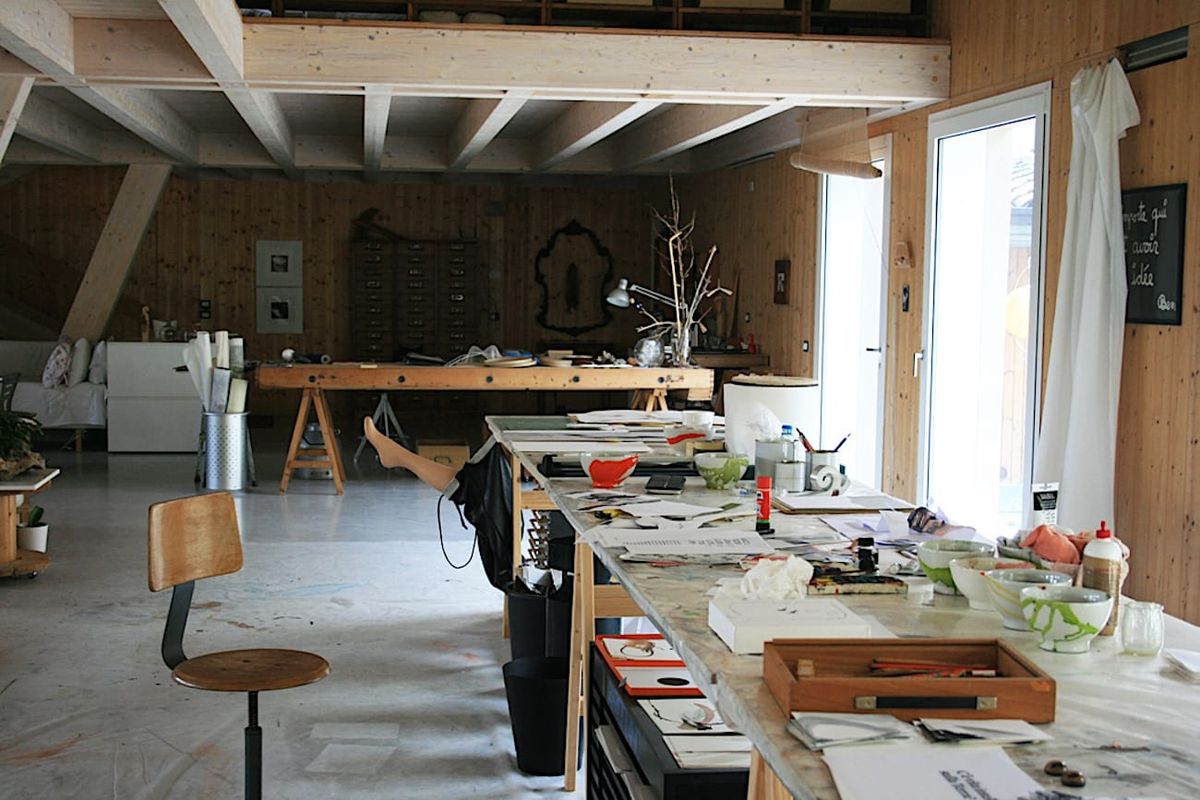
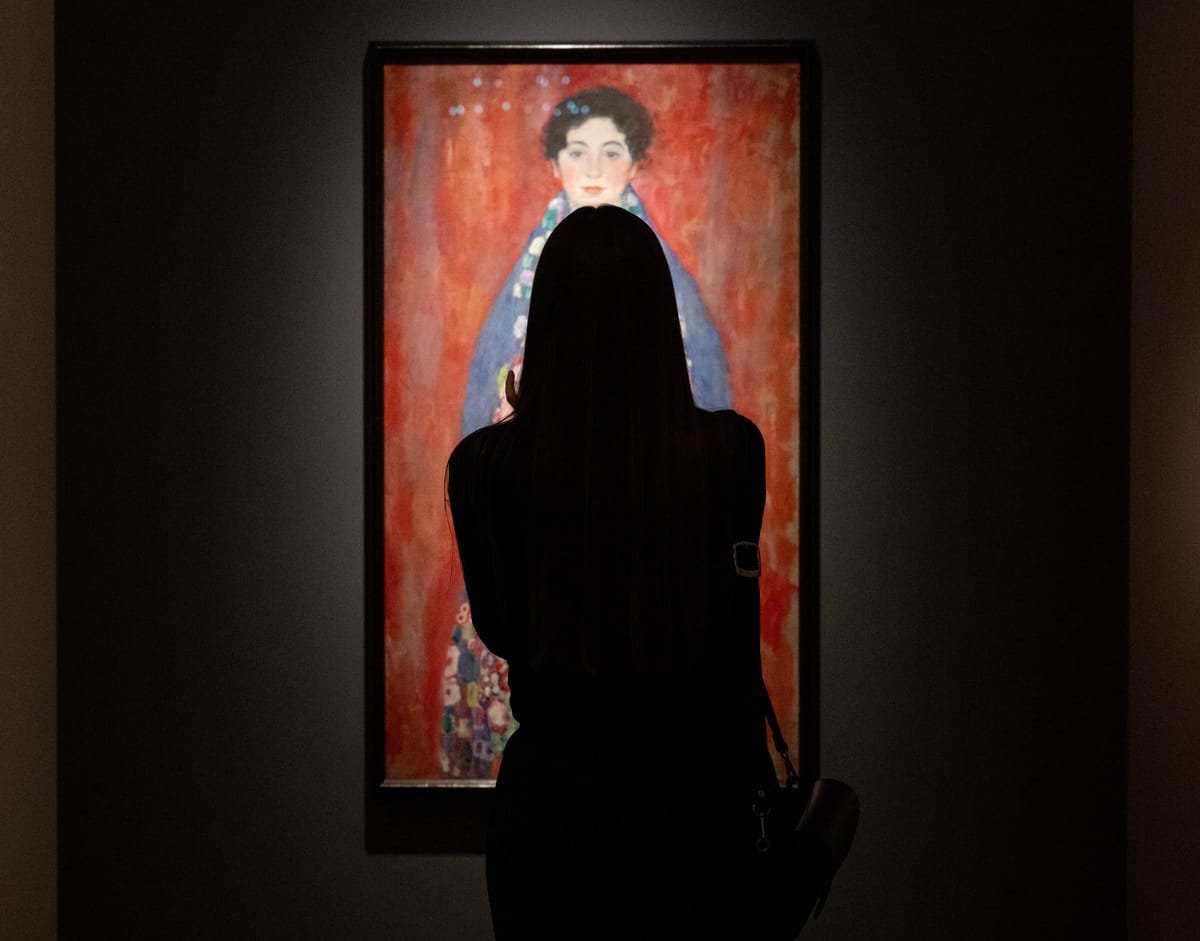
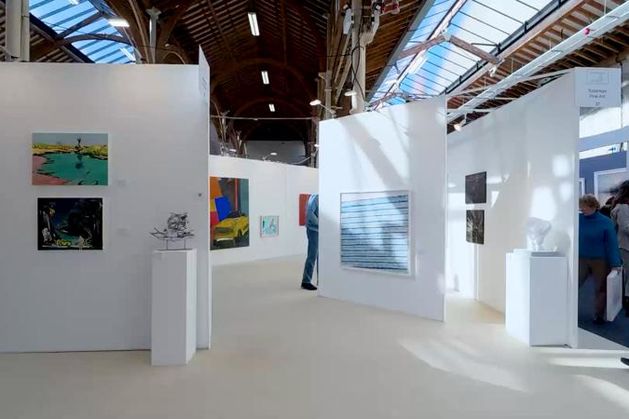
5 days ago'You have to step in and experience it' - artists on the rise of AI-generated art and the 'essential' gallery visit
Miriam Fitzgerald Juskova's exhibit combines paper quilling with mathematics, showcasing intricate art that engages viewers and emphasizes the value of handmade creations.
Mental health
fromSilicon Canals
1 day agoI'm 66 and I woke up last Thursday and realized I couldn't name a single thing I was looking forward to - not because nothing good was happening but because I'd trained myself to find meaning in being needed and nobody needs me anymore - Silicon Canals
Finding purpose in being needed can lead to a loss of personal desires and identity after retirement.
Relationships
fromSilicon Canals
3 days agoI'm 66 and I finally learned the hardest lesson isn't that people will disappoint you - it's that you'll disappoint yourself by pretending you don't need what you need until you forget what that even was - Silicon Canals
Neglecting emotional needs leads to a profound sense of loss and disconnection from oneself and others.
Mental health
fromSilicon Canals
2 days agoYou know a woman has lost her joy in life when she describes her days accurately and without feeling - when the words are all correct and the tone is completely flat and the account of her own life sounds like something being reported rather than lived, and she doesn't notice the flatness because she has been inside it long enough that it just sounds like how things are - Silicon Canals
Emotional flatness can creep in, making life feel like a series of tasks rather than meaningful experiences.
Music
fromPsychology Today
3 weeks agoArt as a Biological Bedrock of Shared Humanity
Humans are biologically wired for shared artistic experiences, which serve as essential connective tissue for our nervous systems and cultural identity, transcending the perceived obsolescence of performing arts in the digital age.
Mindfulness
fromSilicon Canals
2 weeks agoI asked my mother what she thinks about when she looks at old photographs of herself and she said "I think about how worried I was and how little of it mattered" - and the simplicity of that sentence from a woman who spent decades carrying everything has been sitting in my chest for three weeks because it contains a permission I'm not sure I'm brave enough to take yet - Silicon Canals
Worry often consumes energy without yielding significant outcomes, highlighting the importance of action over inaction.
Psychology
fromSilicon Canals
5 days agoPsychology says the people who actually escape loneliness don't do it by finding more people - they do it by finally dropping the version of themselves that made real connection impossible in the first place - Silicon Canals
Loneliness stems from a lack of genuine connection, not merely from being alone or having many acquaintances.
Psychology
fromSilicon Canals
5 days agoI used to be unhappy and I blamed everything around me - until I realized I'd built an entire life around avoiding the one conversation I needed to have with myself - Silicon Canals
Unhappiness often stems from avoiding self-reflection and attributing life issues to external factors rather than personal choices.
Writing
fromwww.theguardian.com
3 weeks agoThe moment I knew: I was enchanted by her painting but we never spoke. I wouldn't see her again for 55 years
A man reconnects with a childhood classmate whose exceptional artistic talent impressed him decades earlier, leading to an unexpected reunion after 55 years of separation.
Mindfulness
fromwww.theguardian.com
3 weeks agoMy depression felt creatively expansive. Now I've overcome it, how do I keep the meaningful parts? | Leading questions
Depression creates a false sense of depth and truth through darkness, but intensity and authenticity exist equally in joy, love, and light as they do in despair.
Miscellaneous
fromThe Art Newspaper - International art news and events
1 month agoComment | Art is more than its original context
Understanding art's original context enriches appreciation, yet modern viewing conditions and lost contexts require adapting how we engage with artworks across different settings and time periods.
fromBOOOOOOOM!
4 days ago"Idling" by Artist Greta Kresse
"These paintings merge the landscape and the intimacy of windows through the framing of the car, bridging the two realms I've typically explored separately. The car becomes a meditation on transition, on existing simultaneously here and elsewhere."
Arts
Books
fromwww.theguardian.com
1 month agoMy rookie era: I wasn't immediately good at oil painting, but it taught me to find pleasure in struggle
Returning to painting through oil classes helped overcome fear of judgment, teaching fundamentals, practice, and acceptance of possible failure to enjoy the creative process.
fromwww.theguardian.com
2 months agoMy favourite family photo: This is a happy picture and also saturated in grief'
I remember the moment this photo was taken: five years ago, on my partner Claire's birthday, in a National Trust for Scotland garden six miles east of Edinburgh. We were standing on a wooden deck, an ideal spot for pond-dipping with the kids and a lesser-known viewing platform for trainspotters. This is where my autistic son, then six, loved (and still loves) to jump in tandem with the ScotRail trains toggling back and forth in the middle distance.
Parenting
fromEsquire
1 month agoIndulging in the Arts is Proving to Have Major Health Benefits. Could Creativity be a Hidden Longevity Hack?
When the Academy Award Nominations were announced late last month, you could be forgiven for thinking they were lifetime achievement awards. In the Best Supporting Actor category, 74-year-old Stellan Skarsgård is competing against 73-year-old Delroy Lindo. (Sean Penn, at 65, and Benicio Del Toro, at 58, also in the category, are mere babes.) Amy Madigan, 75, is up for Best Supporting Actress. One of the Best Adapted Screenplay nominees is in their sixties, and one of the Best Original Screenplay nominees is in his seventies.
Film
Arts
fromThe Art Newspaper - International art news and events
3 weeks agoArtists agonise over when a work is finished-but should we viewers care?
Artists determine completion when they have successfully transformed visual memory and emotion into a physical object, at which point further work becomes unnecessary.
fromTiny Buddha
2 months agoThe Power of Writing for Healing: An Embodied Approach - Tiny Buddha
When I was studying writing in college, my personal essay class was my favorite. I'd already been journaling for almost a decade, so I understood the power of exploring life experiences through the written word. Journaling wasn't immediately helpful for me. In my younger years, I often wrote to ruminate, beat myself up, count calories, or otherwise reinforce patterns that didn't support me. But as I worked through childhood trauma in therapy and through other approaches, my writing gradually became healthier.
Writing
Relationships
fromwww.theguardian.com
2 months agoMy favourite family photo: I bucketed 30 years of tears that day then smiled my smiliest smile'
A long-term couple chose a civil partnership after 30 years together, valuing romance and legal protection, celebrated in a joyful ceremony just before COVID disrupted plans.
fromPsychology Today
2 months agoThe Healing Power of Art
It stands a hair shy of five feet tall and is a bit over one-and-a-half feet wide. Made of nine interlocking pieces of gray ribbon slate, it feels as though a small push would completely wreck it. Humpty Dumpty stands on three legs, but it looks two-dimensional. It has an ovoid shape, and it juts upwards like a flat rocket ship.
Arts
fromHyperallergic
2 months agoSeeing Art Is Good for Your Nervous System, Study Finds
Supporting existing research on the benefits of viewing original artwork versus reproductions, a new study found that seeing authentic art can help drop cortisol levels, among other positive effects on the nervous system. Still in pre-print since its submission last October, "The Physiological Impact of Viewing Original Artworks vs. Reprints: a Comparative Study" was conducted by researchers from the Department of Psychological Medicine at King's College in London working in collaboration with the Courtauld Institute of Art.
Arts
Arts
fromSilicon Canals
1 month ago8 signs you appreciate art, music, and culture on a deeper level than most people - Silicon Canals
Some people experience art deeply, reacting emotionally and perceiving subtle artistic cues that reveal heightened sensitivity and meaningful connections to creative expression.
[ Load more ]