UX design
fromFast Company
22 hours agoDesign has been solving the wrong problem
Design should prioritize real-life usability over aesthetic appeal to enhance long-term satisfaction with products.
I designed this bag in the same way I designed everything else, so largely based on right angles, but perhaps a little more emotionally, more personally. Designing a handbag is undoubtedly different to designing a Braun stereo system, but I applied the same principles. It had to be functional, visually durable, and very aesthetic. Less, but better.
Elisava's Master's in Graphic Design is ingrained with societal, cultural and critical contributions to the creative industry, going beyond its aesthetic output while fostering self-awareness in creatives.
The 1970s were a sweet spot in product design, especially in France, where makers were beginning to marry natural materials like wood with the new optimism of plastic.
Santa Cruz de Tenerife is one of the most idyllic cities in the Canary Islands. At its heart stands the jewel - the Auditorio. It's a place where talent from both worlds, New and Old, comes together. A theatre, opera, dance, and music heaven.
Static images don't show motion. You can't inspect real product structure. You don't see how interfaces evolve over time. You rarely understand what actually works in production. So I decided to go deep. I reviewed every major design reference platform I could find - not just the popular ones - and analyzed how they actually help in real-world work. The conclusion?
This article won't start out well, because I'm sort of at rock bottom in my career and it seems that I'm projecting my frustrations of the industry out in the open. But I promise you, my rants are merely neutral observations and opinions. I love talking to people, and over the last 2 months of unemployment (I am now employed), I called upon designer friends all in Asia and Europe to get their opinion on the current state of Design leadership and how it has impacted our careers.
Today we are at the cusp of revolutions in artificial intelligence, autonomous vehicles, renewable energy, and biotechnology. Each brings extraordinary promise, but each introduces more complexity, more interdependence, and more latent pathways to failure. This elevates prudence to be critical. Good design recognizes what cannot be foreseen. It acknowledges the limits of prediction and control. It builds not merely for performance, but for recovery.
In Andor, I got chills when Mon Mothma warns the senate of a chilling truth: When we let noise, conformity, or fear dominate, we lose sight of what matters. We risk allowing the loudest voices, often the safest, the most predictable, to drown out individuality, identity, and truth. To me, this line... This line echoes a growing tension I feel in content design.
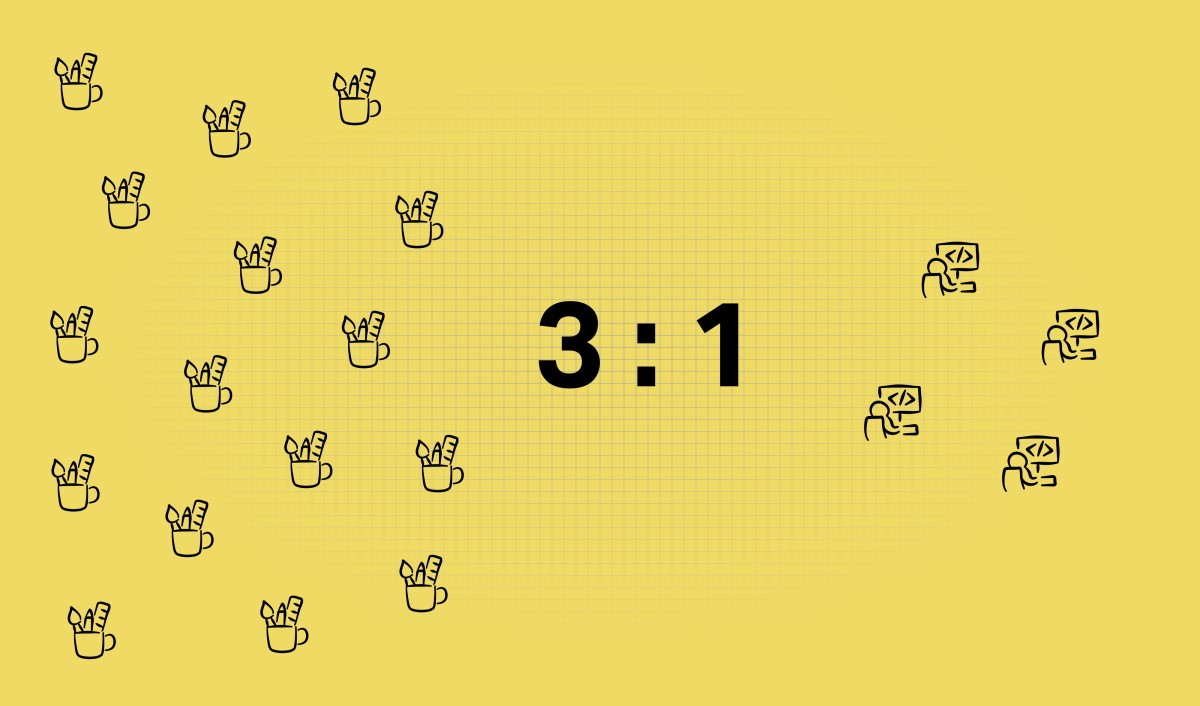
Something's been slowly shifting in the design zeitgeist. I've been watching my feed on X and the vibe has changed. More and more, I see designers sharing finished experiments or prototypes they coded themselves, rather than static Figma files. Moving from working on a canvas to talking to an LLM. The conversation isn't "here's a design I made" anymore... it's "here's something I shipped this afternoon."