#elliot-kupferberg
#elliot-kupferberg
[ follow ]
#art #sculpture #contemporary-art #exhibition #photography #brooklyn #art-exhibitions #art-exhibition #art-history
#sculpture

Writing
fromHi-Fructose Magazine - The New Contemporary Art Magazine
17 hours agoFor Frode Bolhuis, The Figure Contains Life's Mysteries and Its Multitudes - Hi-Fructose Magazine
Bolhuis finds joy in the creative process of sculpture, emphasizing intuition and the use of polymer clay for its playful qualities and vibrant color.
fromMpls.St.Paul Magazine
6 hours agoDesign Destinations: New York City
"It's a really special spot. When you start at the top and move down the gently sloped ramp, you almost feel like a marble tumbling down, looking at art as you roll by. The slight slant plays with your sense of perspective and grounding."
NYC food
fromHi-Fructose Magazine - The New Contemporary Art Magazine
4 days agoKyle Cobban Draws From The Unknown - Hi-Fructose Magazine
"It's an amalgamation of the Chicago neighborhood aesthetic with a Bulls fan, quite literally. It's kind of on the nose, but that's how I juxtapose the elements of my work, with the structure of a home and then a figure who is around or in the home."
Chicago Bulls

fromTime Out New York
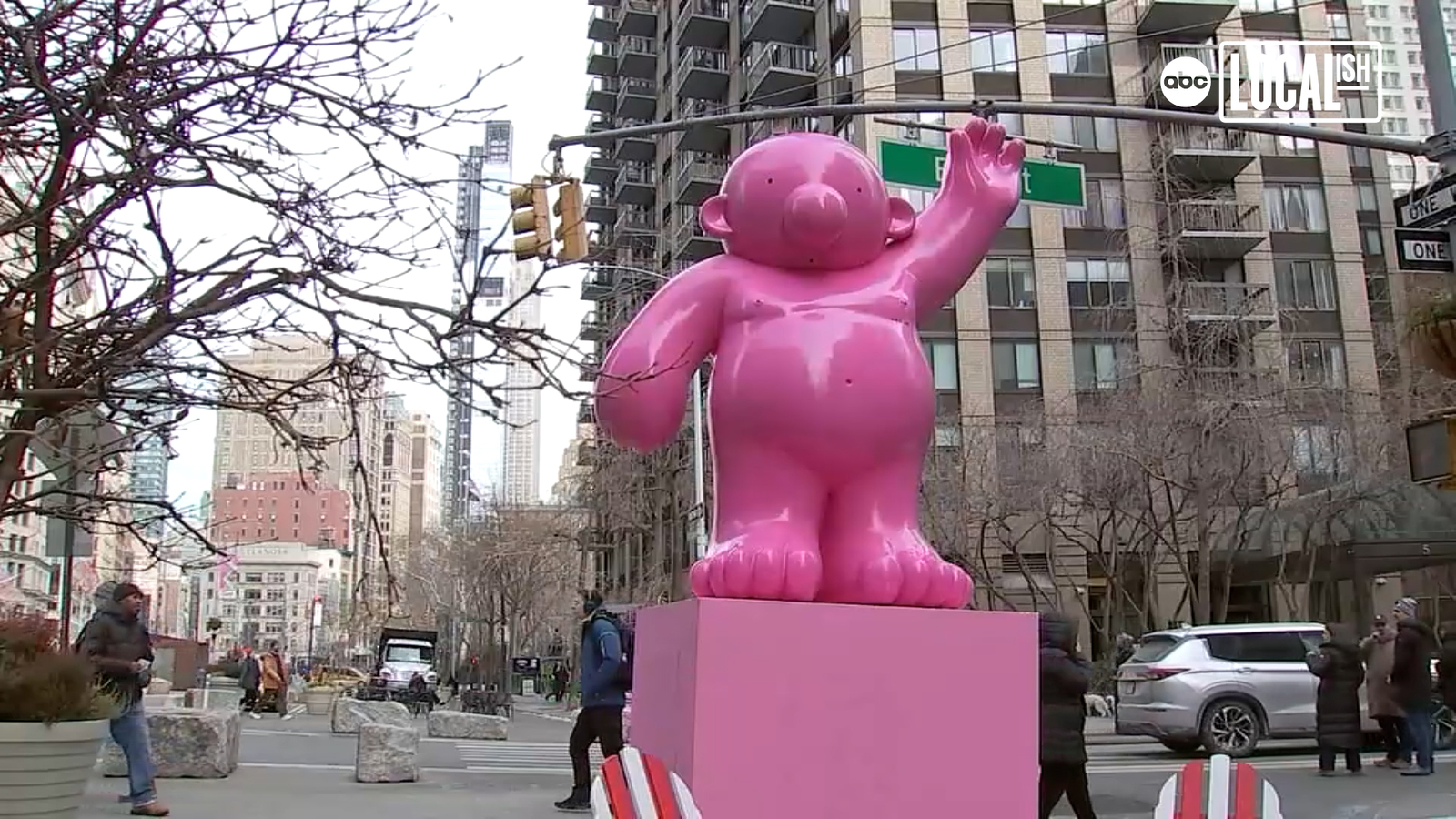
1 month agoTwo massive 30-foot sculptures are landing in Manhattan
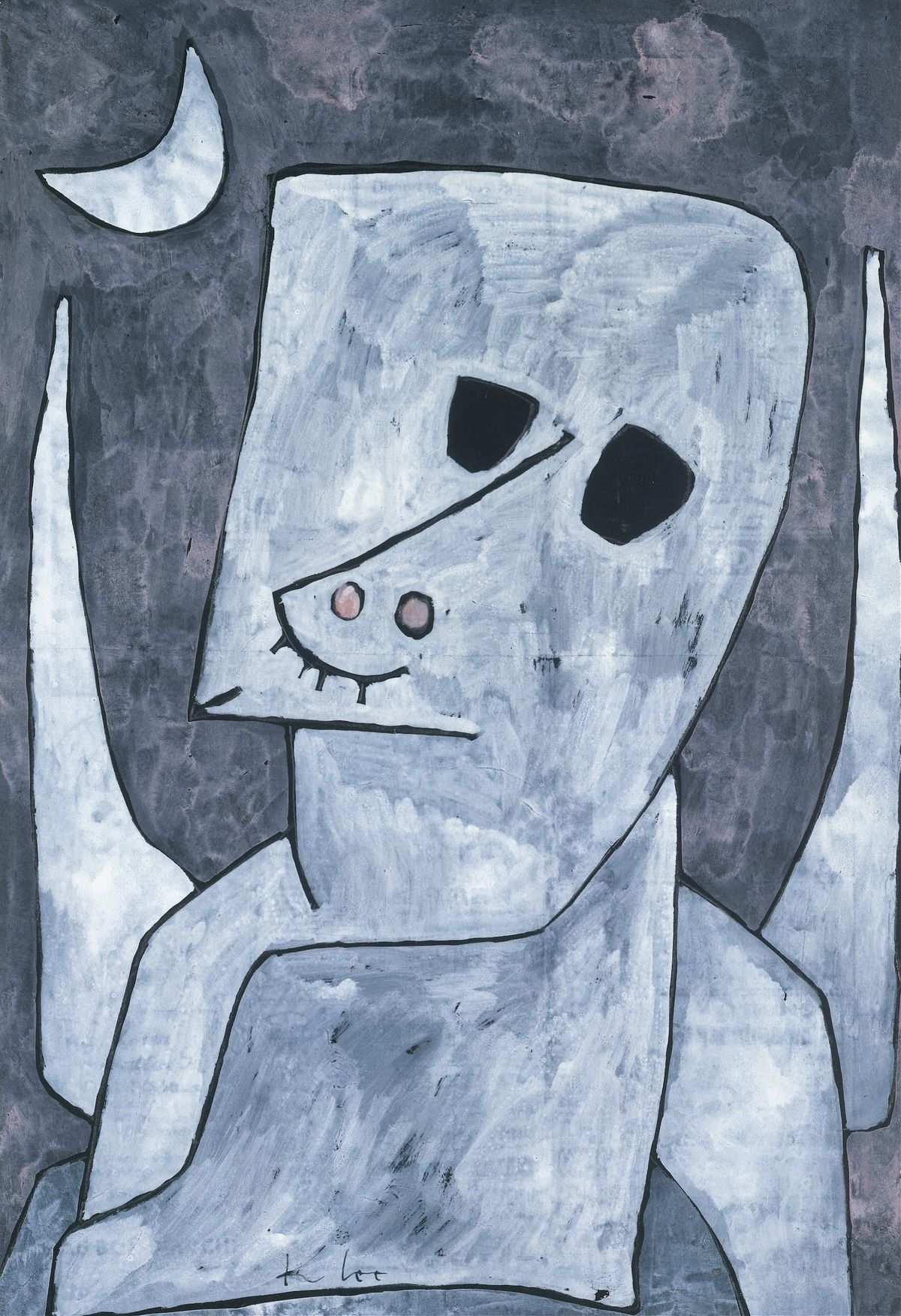
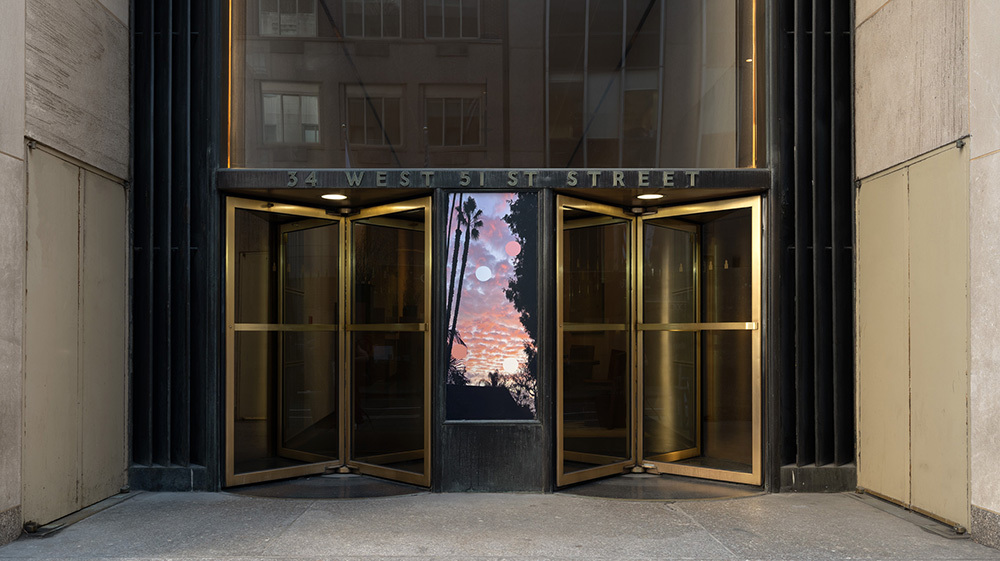
The sculptures are designed to contrast Manhattan's monumental architecture with imagery drawn from fairy tales, archetypal symbols and dreamlike storytelling. Their polished steel surfaces will reflect the surrounding city while their whimsical forms invite pedestrians to pause-and maybe look up from their phones for a minute.
DC food
Arts
fromThe Art Newspaper - International art news and events
4 days agoPaul Pfeiffer will be inaugural artist-in-residence at Brooklyn's Barclays Center arena
Paul Pfeiffer will be the inaugural artist-in-residence at Barclays Center, focusing on media workshops for those affected by the criminal-justice system.
fromHyperallergic
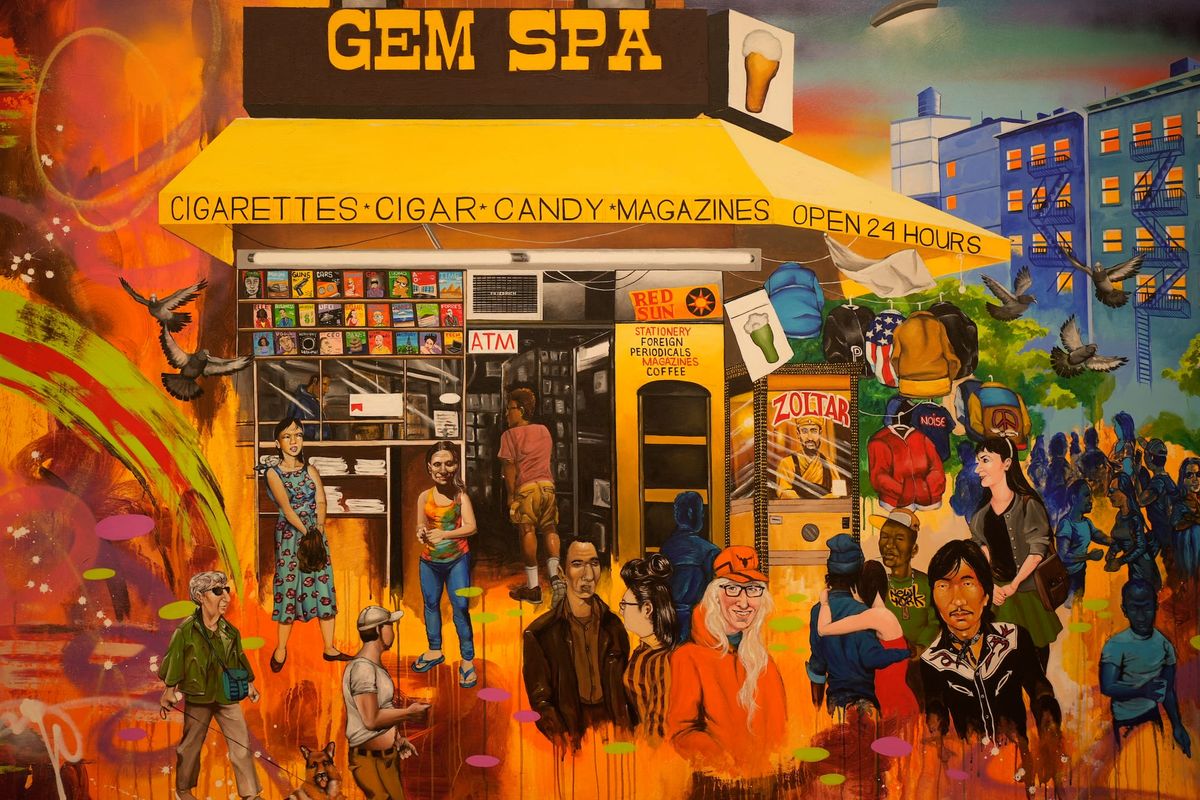
5 days agoThe Art World Is a Joke
Kamrooz Aram is everywhere this year, from Mumbai Art Week to the Whitney Biennial, and critic Aruna D'Souza is grateful. She pens a beautiful meditation on his work, reading his abstract paintings as not simply a denunciation of Western modernism nor a reassertion of Islamic visual motifs, but something else entirely - something gestural, exuberant, riotous, and incomparably his own.
Arts
fromJuxtapoz
1 week agoJuxtapoz Magazine - Last Days to See Kate Meissner's New Paintings @ Lyles & King's Project Space, NYC
"These works are an exploration of the human body's elasticity and capacity to metamorphose. Informed by my own experience of pregnancy and the birth of my first child last year, these paintings are a meditation on physiological transformation and the body's underlying animalistic and mammalian nature."
Arts
fromBOOOOOOOM!
5 days ago"Idling" by Artist Greta Kresse
"These paintings merge the landscape and the intimacy of windows through the framing of the car, bridging the two realms I've typically explored separately. The car becomes a meditation on transition, on existing simultaneously here and elsewhere."
Arts



fromArtnet News
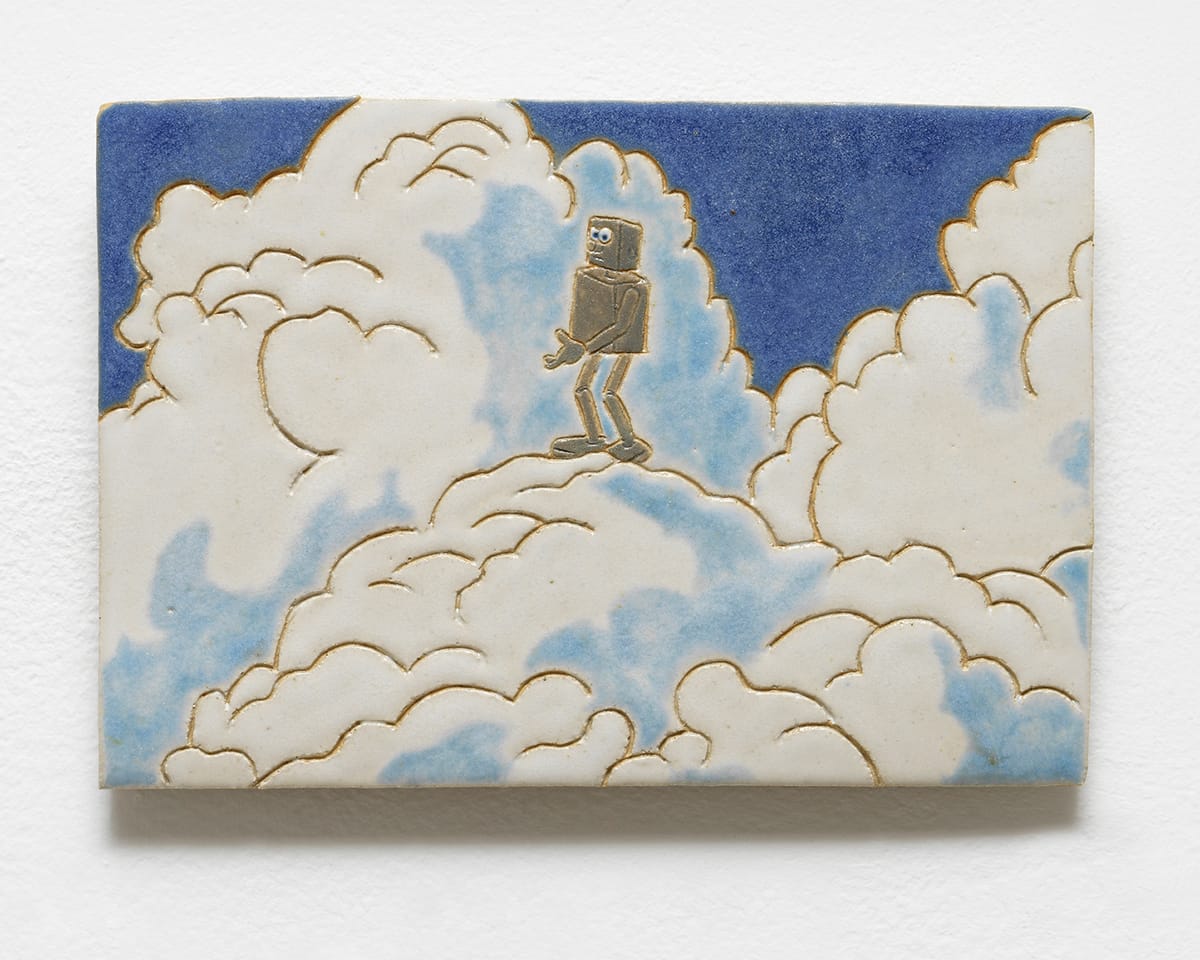
5 days agoAt Art Basel Hong Kong, Wet Paint Hits Galleries, Malls, a Semi-Secret Space, and More | Artnet News
Hong Kong's particular and seductive Metabolist city planning is an ode to consumption as a great totalizer of culture, and to contemporary art as merely a niche commodity form among many others.
Arts

fromArtnet News
6 days agoLillian Bassman Pushed Fashion Photography to the Edge of Abstraction
Bassman's photographs, in fact, looked more like illustrations. She achieved this effect through darkroom experimentation and manipulation: donning a cardboard mask with a pinhole aperture, she selectively exposed portions of the paper to light, tracing the contours of the garments until they seemed to dissolve into atmosphere.
Arts
Arts
fromwww.amny.com
2 weeks agoA Living Canvas: Adrian K and the alchemy of art, appetite, and atmosphere at Pinky Swear | amNewYork
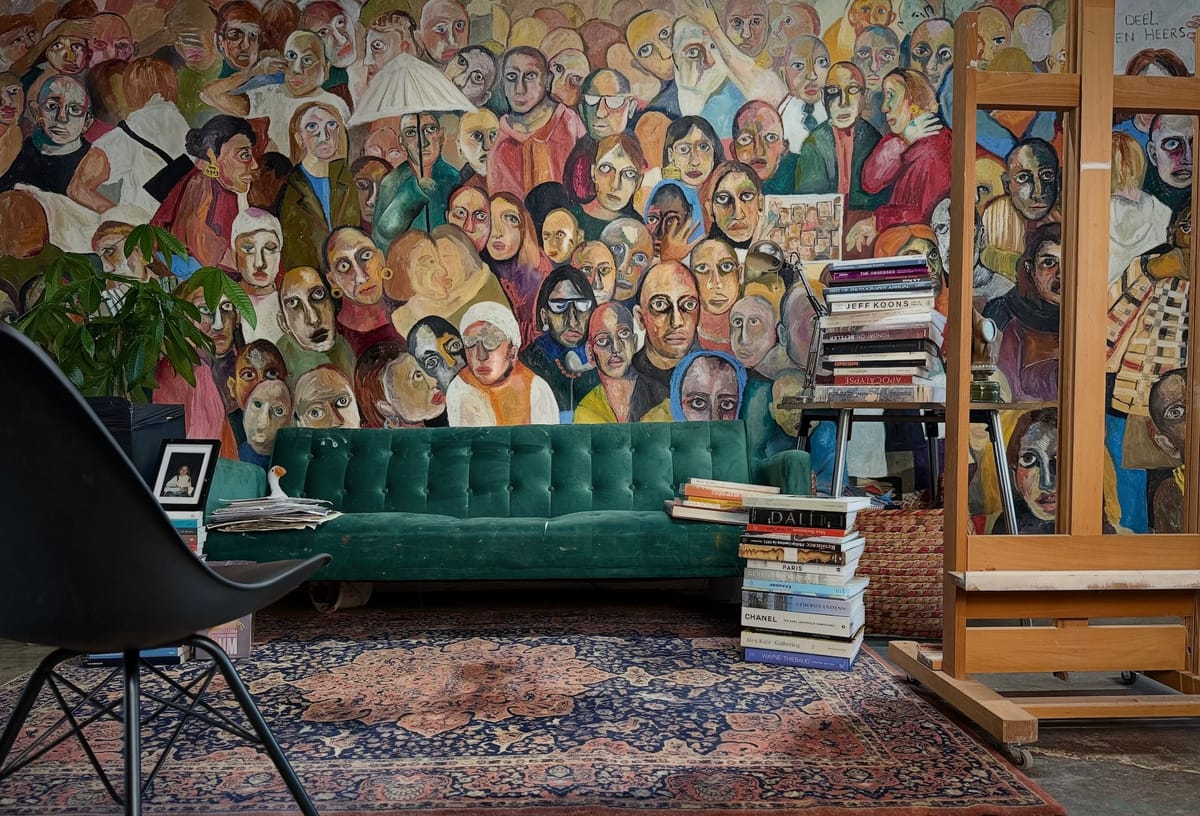
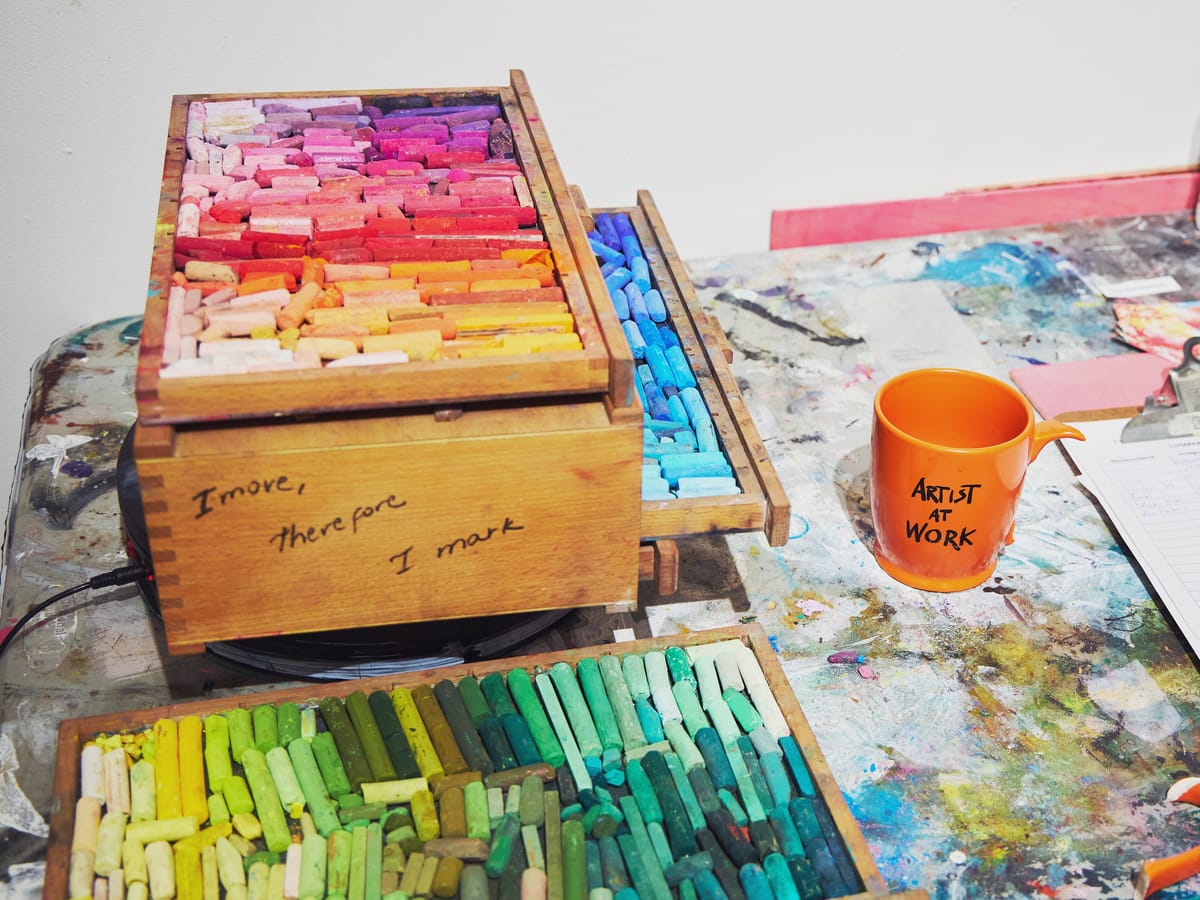
Adrian K's three-month residency at Pinky Swear merges art with social participation, using reclaimed materials to create work that balances ethereal beauty with urgent activism and circular economy principles.
Arts
fromwww.theguardian.com
2 weeks agoAbsolutely transformative': Willem de Kooning exhibition uncovers raw intensity of early work
Willem de Kooning's 1948 solo exhibition at Charles Egan Gallery launched his international career, establishing him as a pre-eminent painter by the 1950s through his innovative exploration of figuration and abstraction.
Arts
fromHyperallergic
2 weeks agoCONDUCTOR Is New York's First Art Fair Committed to the Global Majority
CONDUCTOR art fair debuts in Brooklyn April 30-May 3, 2026, featuring 27 galleries and 17 special projects showcasing artists from Africa, Latin America, the Caribbean, South Asia, Southeast Asia, the Middle East, Oceania, and Indigenous Nations.
fromHyperallergic
2 weeks agoWhat Do We Really Think of the New New Museum?
The new New Museum is many things: contemporary, perhaps, but also a science, history, anthropology, and many other museums in one. It echoes the desire of its patron class to own the world and its affiliated courtier class to deliver it to them on a silver platter, or encased in perforated metal, in this case.
Arts
fromHyperallergic
3 weeks agoEmbracing Friction in the Art World
On Franklin Street in Brooklyn's Greenpoint neighborhood, one non-commercial gallery fosters 'a small, stubbornly human space for friction.' Friction—the ubiquitous buzzword that captures the simultaneous delight and discomfort of doing things the slow way—is at the heart of artists Pap Souleye Fall and Char Jeré's current show at Subtitled NYC. It also reflects the overall spirit of this little exhibition space and of a burgeoning movement to reject our culture of optimization in favor of a bumpier, more intimate, less alienating experience.
Arts
Arts
fromKALTBLUT Magazine
3 weeks agoCelebrate the Unconventional: Discover Fernando Carpaneda's Solo Exhibition at the Arkell Museum - KALTBLUT Magazine
Fernando Carpaneda's solo exhibition at the Arkell Museum showcases expressive portraiture celebrating LGBTQIA+ narratives and everyday urban life through vibrant acrylic paintings.
Arts
fromThe Art Newspaper - International art news and events
1 month agoIn Pictures: Sculpture gets a leg up at Frieze Los Angeles
Contemporary artists showcase innovative sculptural works at art fairs, blending traditional materials with conceptual themes and attracting significant collector interest.
Arts
fromThe Art Newspaper - International art news and events
2 months agoNew experimental art organisation opens in New York
Summer Guthery and Francesca Sonara launch Times, a small, nimble three-year Manhattan art space prioritizing artists' needs, flexibility, and rejection of perpetual-growth institutional models.
[ Load more ]