#hidden-local-landmarks
#hidden-local-landmarks
[ follow ]
#architecture #new-york-city #public-art #art #san-francisco #urban-development #street-art #travel #community
#art



Arts
fromIrish Independent
4 days ago'You have to step in and experience it' - artists on the rise of AI-generated art and the 'essential' gallery visit
Miriam Fitzgerald Juskova's exhibit combines paper quilling with mathematics, showcasing intricate art that engages viewers and emphasizes the value of handmade creations.






fromwww.businessinsider.com
5 days agoI thought this Tokyo museum would be a major tourist trap. It ended up being a highlight of my first trip to Japan.
TeamLab Planets quickly made a name for itself after opening its doors in 2018. It holds the Guinness World Record for the most-visited museum dedicated to a single group or artist, bringing in more than 2.5 million visitors from April 2023 to March 2024.
Digital life
Arts
fromThe Art Newspaper - International art news and events
2 days agoShould English museums charge tourists? Plus, Raphael at the Met and Senga Nengudi at the Whitechapel Gallery-podcast
The UK government is considering charging tourists for entry to national museums, challenging the current policy of free admission.

fromArchDaily
1 week agoArchitectures of the Gaze: 25 Viewpoints for Experiencing the Landscape
Viewpoints are structures designed for observing the landscape from elevated positions. They act as devices that organize the gaze and establish a direct relationship between the body and the territory.
Philosophy
fromArchDaily
4 days agoThe Illusion of Lightness: Designing Civic Voids for Public Life
The original intent of pilotis was to create a sense of lightness that would allow circulation and light to flow beneath a structure, but contemporary requirements render thin columns insufficient for large-scale civic projects.
Renovation
London music
fromCN Traveller
2 weeks agoA seaside town without any sea? The charming British spot drawing in curious travellers
Parkgate, a former 18th-century port on the Dee Estuary, transformed from a bustling harbor into marshland due to centuries of natural silting that gradually replaced water with mud flats.
fromArtnet News
4 days agoAt Art Basel Hong Kong, Wet Paint Hits Galleries, Malls, a Semi-Secret Space, and More | Artnet News
Hong Kong's particular and seductive Metabolist city planning is an ode to consumption as a great totalizer of culture, and to contemporary art as merely a niche commodity form among many others.
Arts
fromBusiness Insider
4 weeks agoI've lived in the Boston area for 14 years. Here are 5 things that live up to the hype and 2 I tell first-timers to skip.
The Boston Public Library, which dates back to 1848, features a beautiful central building in Copley Square with grand murals and fascinating exhibitions. McKim Courtyard, situated right in the middle, provides a perfect place to take a peaceful moment to relax before or after strolling through the stacks. The best part is that the library is free and open to the public.
Boston food
fromSFGATE
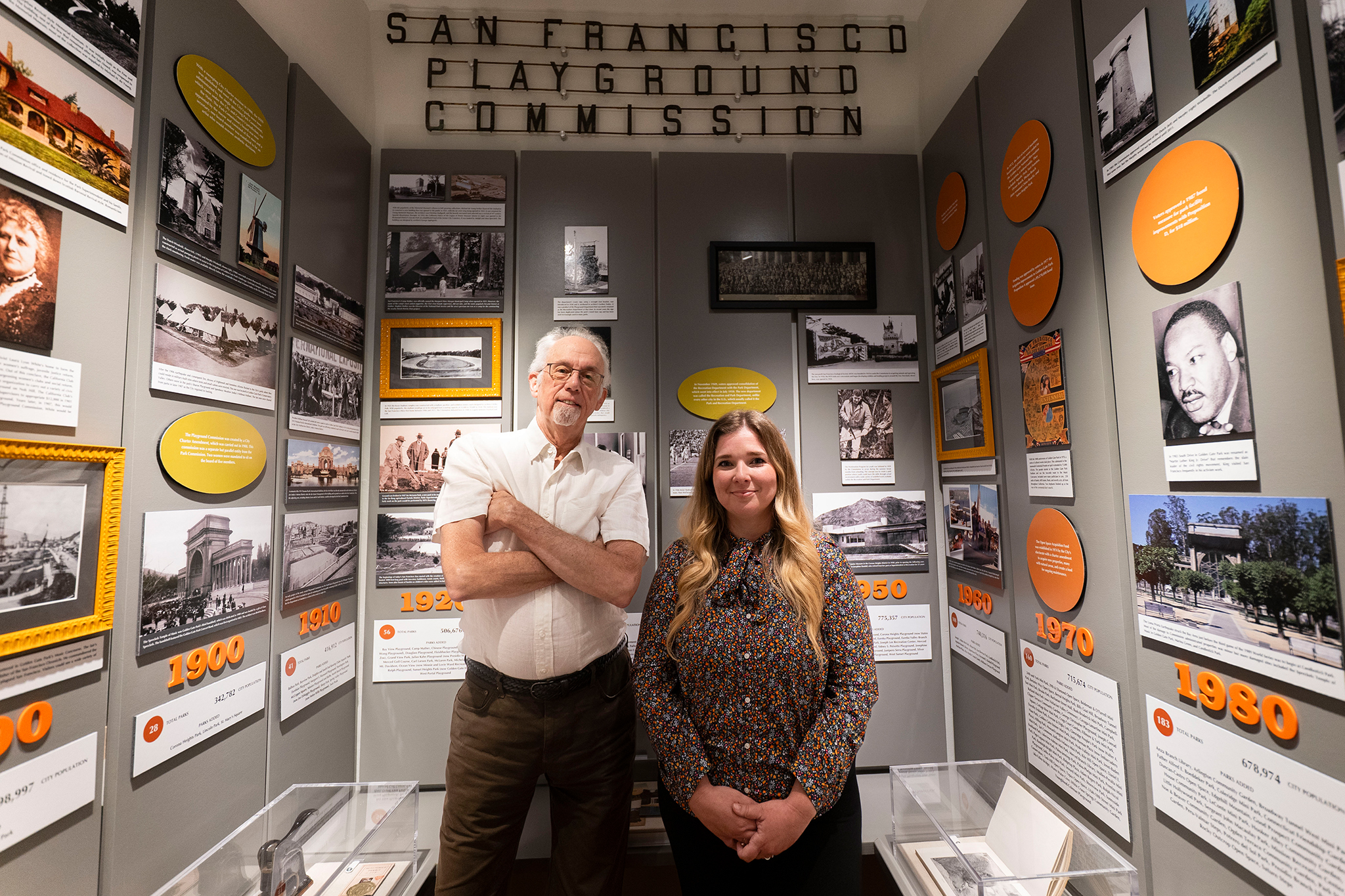
3 weeks agoThis ornate maze underneath North Beach is one of SF's most impressive venues
The whole reason we're here is we know something is impossible, but we also know it's inevitable. He pulled off a trick where a member of the audience mixed up a Rubik's Cube, then Blake presented a second cube with identically arranged colors, demonstrating the paradox of magic where the impossible becomes inevitable through skillful illusion.
San Francisco
fromJeffersongraham
1 month agoA Guide to Exploring New York's Amazing Underground Museum
While most people think of the New York subway as a way to get somewhere, I happen to think of it as one of the greatest art museums in the world - and it only costs $3 to get in. As long as you don't go through the turnstiles, you can go from station to station all day long marveling at the wall art.
NYC music
#european-travel

Travel
fromCN Traveller
2 weeks agoI've been to over 50 countries - this is the most underrated European destination I recommend to everyone
Slovenia offers stunning alpine landscapes, charming cities, and pristine coastlines with fewer tourists than comparable European destinations, making it an ideal accessible long-weekend destination from the UK.
fromTime Out London
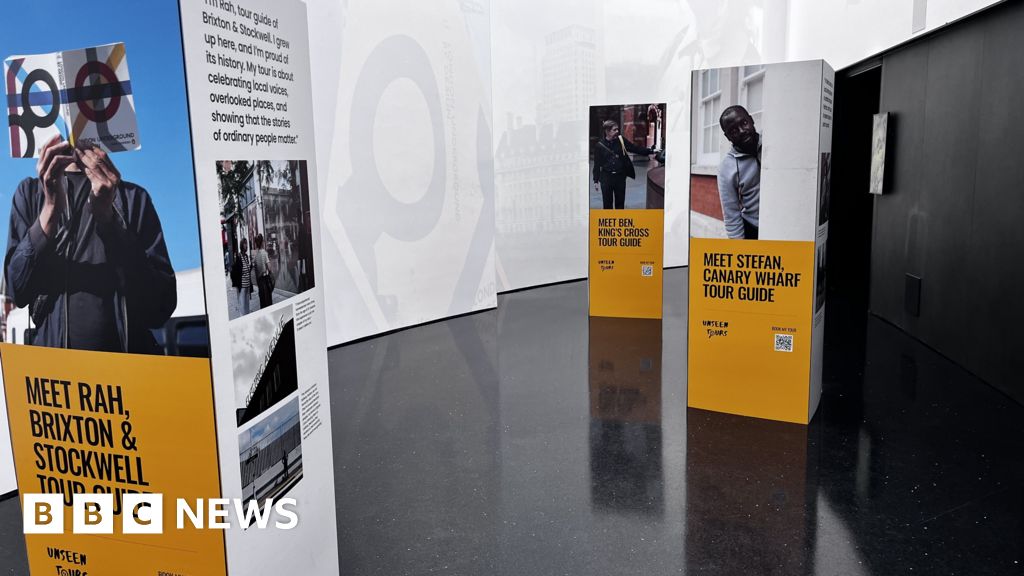
1 month agoTfL has updated its Art Map for the first time a decade
Art on the Underground was launched in 2000, with site-specific works exploring themes of community, space and place. David Gentleman's 'Cross for Queen Eleanor', for example, is synonymous with Charing Cross, while Eric Aumonier's sculpture 'The Archer' looks imperiously over East Finchley station, linking the site to its historic surroundings as an ancient hunting area.
London music
Paris food
fromwww.theguardian.com
1 month agoZoning in on Menilmontant, Paris: bohemian, arty and off the tourist trail'
Menilmontant is an authentic, working-class Parisian neighbourhood with integrated North African culture, affordable multi-ethnic dining, and genuine local community despite recent international recognition.
Renovation
fromwww.bbc.com
4 weeks agoThe house hidden in the garden of a Catford terrace
Architects Will and Sogand Howard built a modern home in a neighbor's garden in London, demonstrating how small urban plots can address housing shortages through creative land use and direct outreach to homeowners.
New York City
fromEarth's Attractions - travel guides by locals, travel itineraries, travel tips, and more
1 month agoThis NYC Borough Has Beaches, Museums, and Skyline Views Most Visitors Overlook
Queens offers authentic neighborhoods, uncrowded skyline parks, engaging museums, and one of the nation's most diverse and celebrated food scenes.
fromianVisits
1 month agoLondon's Alleys: Ship Tavern Passage, City of London, EC3
The alley likely came into existence when the first Leadenhall Market, as a market for herbs, opened, with a long passage leading from the market to Gracechurch Street. The alley used to be longer and straighter, but the eastern half was cut off when a building was constructed on the site. That building was demolished in 2000, and archaeologists researched it for Roman remains in 2002.
London
fromianVisits
2 months agoLondon's Alleys: Ann's Place, Whitechapel, E1
This part of London sits just outside the historic City walls, so it attracted traders who wanted to avoid the strict rules binding City merchants. The land was later acquired by Thomas Wentworth, 1st Earl of Cleveland, who developed it, hence the main road being named Wentworth Street. If you're wondering about Ann's Place, that was probably after his wife, Anne Hopton.
History
World news
fromBuzzFeed
2 months agoTravel Lovers Reveal Hidden Gems That Will Make You Rethink Your Bucket List
Underrated destinations such as Bologna, Acadia's Schoodic Peninsula, and Bolivia offer rich culture, diverse landscapes, excellent food, and fewer tourists for authentic travel experiences.
fromianVisits
1 month agoLondon's Alleys: Martin Lane, City of London, EC4
For most of its life, the alley's main feature was the church of St Martin Orgar, possibly named after Ordgarus, a Dane who donated the church to the canons of St Paul's. Sadly, most of the church was destroyed during the Great Fire of London. The badly damaged remains were restored and used by French Protestants right up to 1820.
London
fromLondon On The Inside
1 month agoExploring London's Hidden Gems: A Local's Guide to Secret Spots
London is a city that rewards curiosity. Beyond the iconic landmarks, Big Ben, Buckingham Palace, and the London Eye, lies a quieter, more intimate version of the capital. This is the London locals know: tucked-away streets, overlooked parks, independent cafés, and historic corners that rarely make it into guidebooks. For travellers willing to stray from the obvious routes, the city offers countless hidden gems that reveal its true character.
Travel
fromArchDaily
1 month agoShaping Architectural Continuity: 25 Revitalization Projects Across Historic, Industrial, and Natural Sites
Heritage sites constitute complex spatial archives in which architecture, history, and collective memory converge. They encompass a wide spectrum of contexts-from archaeological remains, ancient and historic townscapes, UNESCO-listed landscapes, to early modern civic structures and industrial infrastructures. Yet these environments confront challenges: climate change, urban transformation, disaster, shifting social needs, and the gradual erosion of material fabric. Revitalization and restoration projects respond to these conditions by positioning architectural and spatial practice as an active mediator between preservation and the contemporary topologies.
Renovation
fromTime Out London
2 months agoThis hotly anticipated museum opening is Time Out's best new thing to do in London in 2026
Time Out has named the London Museum as the best new thing to do in the capital in 2026. We can't wait for its reopening not only because of its dashing new rebrand (which features a logo of a ceramic pigeon), but also because of its its shiny new home in Smithfield Market.
Arts
Arts
fromTravel + Leisure
1 month agoI've Lived in Las Vegas for 3 Years, and This Is the Neighborhood Tourists Often Miss-and Why You Shouldn't
The Arts District is a walkable, creative Las Vegas neighborhood with galleries, vintage shops, restaurants, and repurposed buildings offering local culture distinct from the Strip.
[ Load more ]