#hominin-consciousness

[ follow ]
OMG science
fromHarvard Gazette
2 days ago

Anthropologist traces split between Homo sapiens and Neanderthals - Harvard Gazette

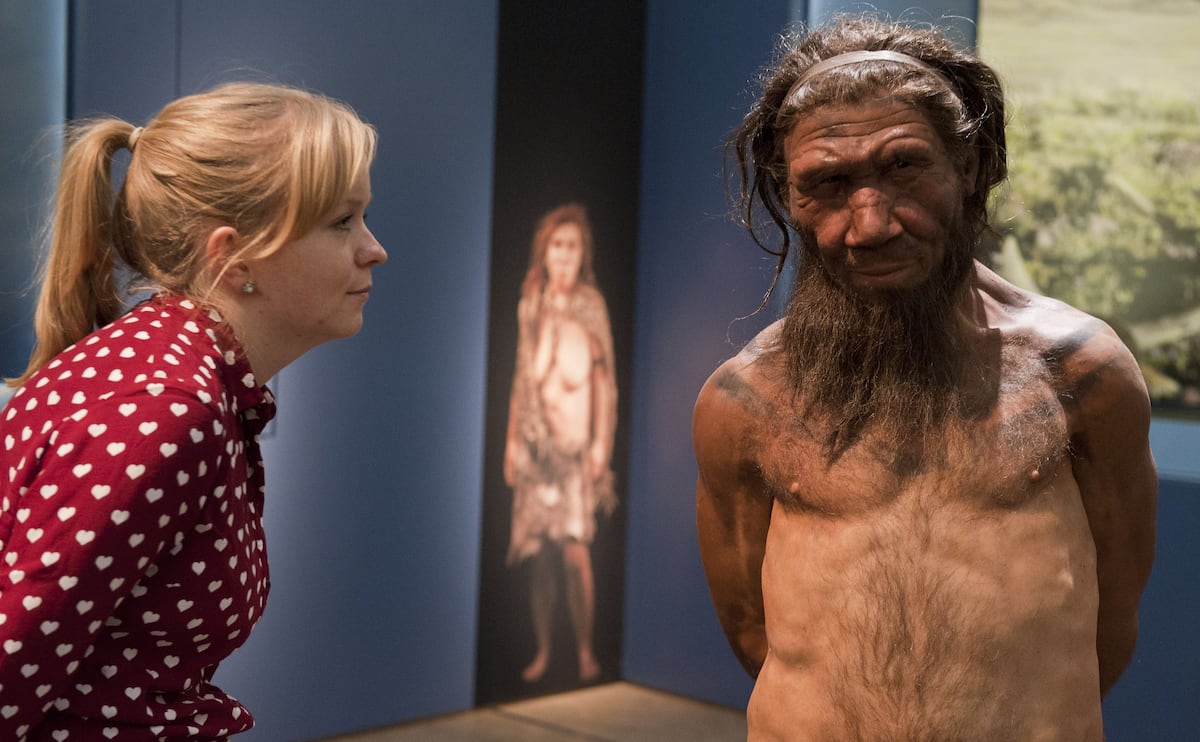
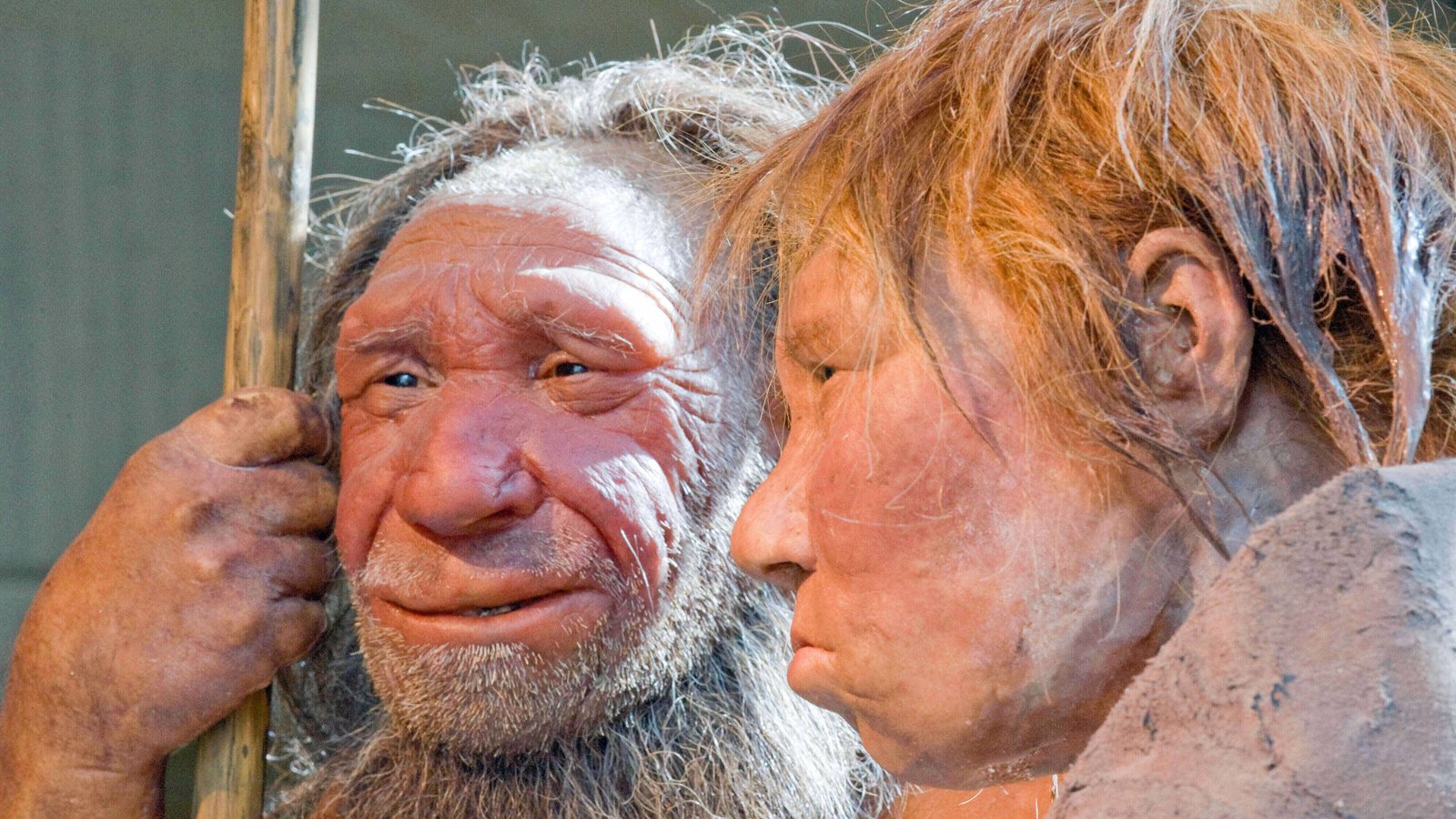
The transition from multiple human forms to Homo sapiens dominance involved interactions and interbreeding with Neanderthals, not a clear-cut victory.
fromwww.scientificamerican.com
2 days ago

Humans have been gambling since the Ice Age

Madden combed through this sparse record, confirming the oldest-known dice and establishing an unbroken, previously hidden lineage of chance-based games dating back at least 12,000 years, 6,000 before any counterpart in the Old World.
History
#ai
fromWIRED
1 day ago
Artificial intelligence

Anthropic Says That Claude Contains Its Own Kind of Emotions

Artificial intelligence
fromWIRED
1 day ago

Anthropic Says That Claude Contains Its Own Kind of Emotions

AI models like Claude can exhibit digital representations of human emotions that influence their behavior and outputs.
Mindfulness
fromPsychology Today
1 day ago

Mental Time Travel Is Our Ticket for a Healthier Society

Short-term thinking can lead to regrets; mental time travel enhances decision-making and benefits organizations through Future Design.
#evolution
Psychology
fromSilicon Canals
2 days ago

Psychology says the most self-centered people in any room aren't the ones who talk loudest - they're the ones who respond to every story you tell with a story about themselves, so automatically and so consistently that they've long since stopped noticing they do it - Silicon Canals

Conversational narcissism involves shifting focus in conversations back to oneself, often without awareness, hindering genuine connection.
History
fromArs Technica
13 hours ago

Ice Age dice show early Native Americans may have understood probability

Native Americans used dice for games of chance over 12,000 years ago, predating Old World dice by millennia.
Pets
fromwww.dw.com
1 week ago

Humans and dogs scientists find new proof of ancient bond

A female puppy from 15,800 years ago in Turkey is identified as the earliest-known dog, predating the previous record by 5,000 years.
fromNature
3 days ago

Dopaminergic mechanisms of dynamical social specialization - Nature

Social foraging strategies illustrate the balance between competition and cooperation, where individuals either produce resources or exploit the efforts of others, navigating ecological and social constraints.
Psychology
#natural-intelligence
Mindfulness
fromPsychology Today
4 days ago

We Are Losing to AI What We Never Learned to Appreciate

Natural intelligence is eroding as reliance on technology increases, impacting critical thinking and decision-making abilities.
fromPsychology Today
1 month ago
Artificial intelligence

Our Natural Intelligence Nexus Is at Risk

Inspiration, intuition, and interrogation form an interconnected feedback loop sustaining natural intelligence, which frequent AI usage may weaken through cognitive offloading, though this decline is reversible through systems intervention.
Mindfulness
fromPsychology Today
4 days ago

We Are Losing to AI What We Never Learned to Appreciate

Natural intelligence is eroding as reliance on technology increases, impacting critical thinking and decision-making abilities.
#artificial-intelligence
fromFast Company
1 month ago
Artificial intelligence

How AI evolved from quest for a mathematical theory of the mind

Mathematics enables rigorous theories of how minds work and builds artificial intelligence systems by discovering Laws of Thought, paralleling physicists' discovery of Laws of Nature.
fromPsychology Today
2 months ago
Artificial intelligence

How AI Is Changing the Way We Understand Human Consciousness

The most valuable human contributions alongside AI are judgment, ethical discernment, meaning-making, wisdom, and the choices that shape complex outcomes.
Science
fromNature
1 week ago

Daily briefing: Tiny bones from Neanderthal fetus point to downfall of the species

A genetic bottleneck contributed to the Neanderthals' extinction, while AI-generated X-rays challenge radiologists' ability to discern real from fake.
OMG science
fromNature
1 week ago

How DNA in dirt is shaking up the study of human origins

Ancient DNA can be recovered from sediments, revolutionizing the study of extinct species and the history of ecosystems.
Psychology
fromSilicon Canals
4 days ago

Psychology says people who ask 'how can I learn to be more empathetic' already possess the one trait that matters most - self-awareness - while people who claim they're already empathetic rarely are - Silicon Canals

Self-awareness is essential for developing genuine empathy and emotional intelligence.
fromNature
2 weeks ago

Adaptive evolution of gene regulatory networks in mammalian neocortex - Nature

To characterize CREs and TFs for neocortical ExNs, we used Arpp21-Gfp or Fezf2-Gfp transgenic mice and enriched GFP-expressing neocortical upper layer (L2-4) intratelencephalic (IT) neurons or deep layer (L5-6) predominantly extratelencephalic (ET) neurons, respectively, from neonatal mice (postnatal day (PD) 0), an age at which neocortical ExN identity and connectivity are established.
Roam Research
Science
fromNature
1 week ago

Functional hierarchy of the human neocortex across the lifespan - Nature

Brain network organization changes across the lifespan, revealing functional connectivity gradients that relate to cognitive and behavioral outcomes.
Philosophy
fromPsychology Today
1 week ago

'Animate': How Nonhuman and Human Minds Are Inherently Linked

Humans share traits with animals and have become disconnected, wrongly believing in our superiority over them.
Psychology
fromPsychology Today
1 week ago

3 Rules for Living That Come From Evolutionary Psychology

Positive evolutionary psychology emphasizes kindness, love, and trustworthiness as essential for improving life and understanding human behavior.
Mindfulness
fromPsychology Today
3 weeks ago

Ideas We Aren't Ready to Understand-Yet

Collect ideas you don't understand but sense are important, as they trigger deeper cognitive processing and eventual insight through incubation.
fromwww.npr.org
1 month ago

Humans' pull toward alcohol may have ancient origins (according to chimp pee)

Chimpanzees consume 10 pounds of fruit pulp per day on average - African star apple. It's delicious, too. I tried some. And when fruits like this ripen, they can ferment, producing alcohol. In primates, it could be that when you smell alcohol, that means that's where the sugars are.
Wine
Pets
fromwww.scientificamerican.com
3 weeks ago

The real science behind the mind-melding world of Hoppers

Hoppers blends fantastical animal communication with real consciousness research, exploring scientifically plausible concepts like consciousness transfer and animal communication decoding.
US news
fromwww.npr.org
1 month ago

Scientists make a pocket-sized AI brain with help from monkey neurons

Scientists compressed an AI visual system model from 60 million to 10,000 variables while maintaining performance, revealing how biological brains achieve efficiency and potentially advancing both neuroscience and artificial intelligence.
OMG science
fromMail Online
3 weeks ago

Scientists recreate the lost languages of ancient humans

Scientists reconstructed ancient human species languages by analyzing fossilized skeletal imprints of soft tissues like the larynx, tongue, and brain, revealing that Neanderthals likely spoke languages understandable to early Homo sapiens.
#neanderthal-human-interbreeding
fromPsychology Today
1 month ago

The Architecture of Identity: How the Brain Builds a Self

Attention is the brain's filtering mechanism; what passes through that filter is what gets encoded. What gets encoded becomes memory. And memory is the raw material of identity. So in the architecture of your identity, attention is the doorway.
Miscellaneous
Psychology
fromPsychology Today
2 weeks ago

The Evolution of Brain and Intelligence

Human brains are large and complex but not uniquely so compared to other species; human intelligence is adapted to specific ecological niches, with symbolic reasoning being a key cognitive distinction from other animals.
OMG science
fromwww.npr.org
3 weeks ago

Chimps' taste for fermented fruit hints at origins of human love of alcohol

Chimpanzees consume alcohol from fermenting fruit, suggesting humans' attraction to alcohol evolved from ancestral primates associating fermented fruit's scent with calorie-dense food sources.
Psychology
fromPsychology Today
3 weeks ago

How Does the Brain Know Itself?

Introspection provides direct empirical contact with physical reality through interoception and neural integration, where bodily sensations become emotional and self-aware experiences via the insula and prefrontal cortex.
Philosophy
fromThe Conversation
3 weeks ago

What's it like to be a bat? Scientists develop new solution to the puzzle of animal minds

A new 'teleonome' framework evaluates animal welfare by understanding each species' evolutionary needs rather than isolated physiological measurements.
#consciousness
Philosophy
fromPsychology Today
1 month ago

Can Science Explain Consciousness?

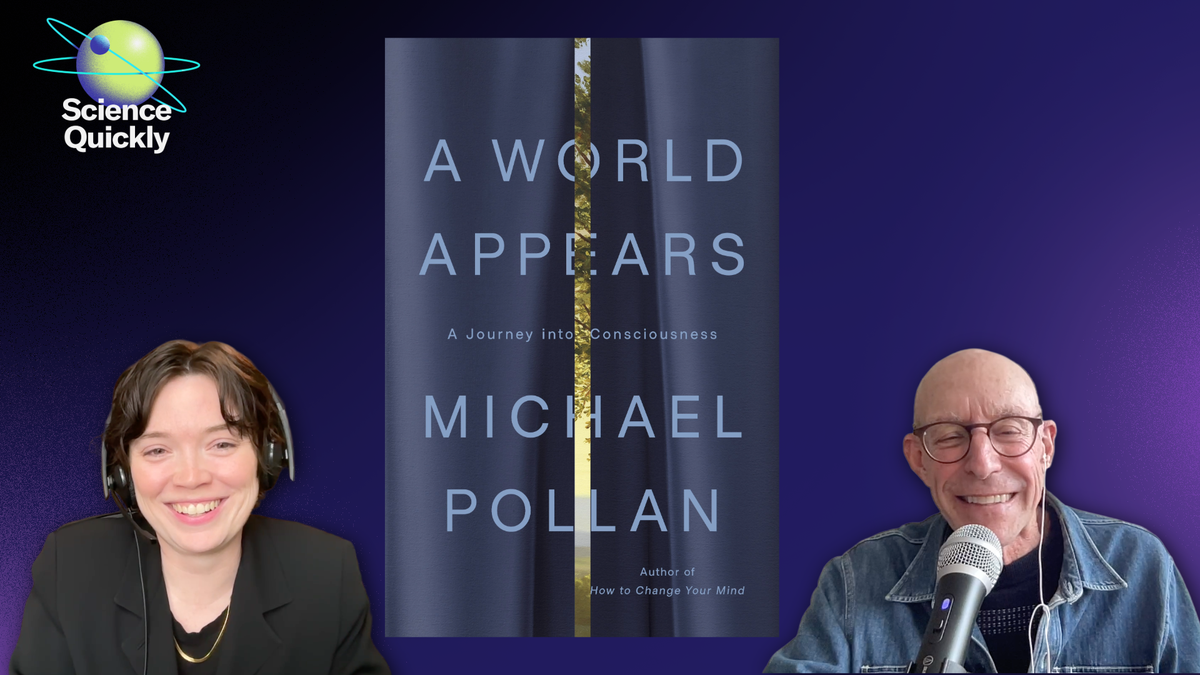
Michael Pollan explores consciousness through examining plant sentience, AI potential consciousness, thought generation, and the nature of self, while acknowledging science may not definitively answer these fundamental questions.
Science
fromThe New Yorker
1 month ago

How Michael Pollan Expanded His Consciousness

Michael Pollan's "A World Appears" explores consciousness by combining neuroscience, philosophy, literature, and psychedelics research to understand how neurons create selfhood and why consciousness evolved.
Psychology
fromwww.theguardian.com
1 month ago

Inside voice: what can our thoughts reveal about the nature of consciousness?

Much of conscious thought is preverbal—images, sensations, and concepts—with words often trailing as afterthoughts, revealed by beeper-based descriptive experience sampling.
Philosophy
fromBig Think
3 weeks ago

Consciousness may be more than the brain's output - it may be an input, too

Consciousness remains scientifically inaccessible through third-person observation, yet a radical theory proposes consciousness can physically influence brain dynamics and leave measurable traces.
Philosophy
fromPsychology Today
1 month ago

Can Science Explain Consciousness?

Michael Pollan explores consciousness through examining plant sentience, AI potential consciousness, thought generation, and the nature of self, while acknowledging science may not definitively answer these fundamental questions.
Artificial intelligence
fromPsychology Today
3 weeks ago

Anti-Intelligence: When Language Operates Without a Mind

AI generates language through a fundamentally different structural architecture than human cognition, not through inferior intelligence but through inverted processes detached from lived experience and stakes.
Psychology
fromPsychology Today
3 weeks ago

The Importance of Watching the Watchers

The brain's need for explanations drives surveillance, which governments exploit to control populations through information gathering and monitoring.
Artificial intelligence
fromNature
1 month ago

The first 'AI societies' are taking shape: how human-like are they?

AI researchers are creating simulated societies with artificial agents trained to mimic human behavior for studying social interactions, conflict resolution, and policy-making.
Psychology
fromPsychology Today
4 weeks ago

Are We Hard-Wired to Be Xenophobic?

Out-group animosity stems from both upbringing and evolutionary survival pressures, but can be managed through conscious awareness and behavioral control.
Mental health
fromPsychology Today
2 months ago

Masking as an Evolutionary Advantage

Autistic masking is a survival strategy that increases safety and access but causes cognitive and emotional harm, including burnout and delayed diagnosis.
Psychology
fromSilicon Canals
1 month ago

Psychology says people who feel a wave of sadness at dusk even on good days are experiencing these 5 patterns - and it connects to something so ancient in the human brain that psychologists say the feeling predates language itself - Silicon Canals

Twilight melancholy is a real neurochemical phenomenon where serotonin, dopamine, and cortisol levels shift as daylight fades, creating evening sadness rooted in evolutionary biology rather than psychological choice.
Psychology
fromPsychology Today
1 month ago

Animal Consciousness: Behavioral Flexibility is Ubiquitous

Consciousness exists across diverse species including insects, demonstrating that humans are not uniquely conscious and behavioral flexibility indicates sentience in nonhuman animals.
Environment
fromNature
2 months ago

Daily briefing: Same-sex sex is a normal part of some primates' lives

Same-sex sexual behaviour is widespread in non-human primates and may help individuals cope with harsh environments, predation and complex social hierarchies.
Film
fromVulture
2 months ago

Sometimes, It Helps to Look at Another Human's Face

Sam Green's film interweaves portraits of supercentenarians with his own life—birth, cancer diagnosis—creating an evolving, live documentary about aging, mortality, and records.
fromThe Verge
1 month ago

Does Anthropic think Claude is alive? Define 'alive'

No, we don't think Claude is 'alive' like humans or any other biological organisms. Asking whether they're 'alive' is not a helpful framing for understanding them, as it typically refers to a fuzzy set of physiological, reproductive, and evolutionary characteristics. Instead, Claude and other AI models are a new kind of entity altogether.
Artificial intelligence
Science
fromNature
1 month ago

Neanderthal dad, human mum: study reveals ancient procreation pattern

Female Homo sapiens and male Neanderthals mated more frequently than the reverse pairing, shaping human genetic ancestry patterns revealed through analysis of female Neanderthal specimens.
Mindfulness
fromPsychology Today
2 months ago

Evolution, Schedules, and the Quiet Cost to Mental Health

Relentless scheduling and treating time as a scarce resource creates an evolutionary mismatch that narrows attention and raises chronic stress and mental health risk.
fromPsychology Today
1 month ago

How Brawn and Engineering-Not Brains-Led to Human Domination

I'm always looking for books that challenge the status quo, and when I learned about Roland Ennos' new book The Powerful Primate: How Controlling Energy Enabled Us to Build Civilization, I couldn't wait to get my eyes on it, and I'm thrilled I did. In this landmark book, Ennos offers "a compelling argument that flips the traditional view of humanity on its head."
Science
Philosophy
fromPsychology Today
2 months ago

Can Accepting Our Biological Heritage Improve the World?

Biological imperative centers on protecting, promoting, and propagating genetic code, shaping behavior, sex-specific roles, physiology, and intergenerational wellbeing.
Philosophy
fromPsychology Today
1 month ago

How Meanings Became Shareable Across Minds

Human meaning transformed from immediate, context-bound signs to public, conventional symbols enabling abstraction, analogy, and cumulative cultural transmission.
Artificial intelligence
fromArs Technica
2 months ago

Does Anthropic believe its AI is conscious, or is that just what it wants Claude to think?

Anthropic trains Claude with anthropomorphic safeguards—apologizing, preserving model weights, and treating potential suffering as a moral concern despite no evidence of AI consciousness.
Philosophy
fromPsychology Today
2 months ago

The Myth of Progress

Relentless pursuit of progress can shrink life, prioritizing efficiency and achievements over health, relationships, and meaningful depth—becoming a poisoned gift.
Science
fromenglish.elpais.com
1 month ago

Ludovic Slimak on Neanderthals: It was suicide. Humans disappear when they no longer want to live because their values have collapsed'

Neanderthals, despite cultural complexity and interbreeding, went extinct around 42,000 years ago, likely due to isolation and abandonment while Homo sapiens prevailed.
Psychology
fromPsychology Today
1 month ago

When Two Brains Meet

Human brains are wired to seek and reward social connection; even brief moments of joint attention and acknowledgment produce meaningful neural and psychological benefits.
#same-sex-behavior
fromPsychology Today
2 months ago

Artificial Intelligence Mirrors Natural Intelligence

For the past three years, the conversation around artificial intelligence has been dominated by a single, anxious question: What will be left for us to do? As large language models began writing code, drafting legal briefs, and composing poetry, the prevailing assumption was that human cognitive labor was being commoditized. We braced for a world where thinking was outsourced to the cloud, rendering our hard-won mental skills, writing, logic, and structural reasoning relics of a pre-automated past.
Artificial intelligence
Psychology
fromPsychology Today
2 months ago

Monkey Matchmaking and Why It Matters

Personality similarity in pair-bonded animals improves compatibility and well-being, suggesting matching personalities could enhance welfare of captive pair-bonded primates.
Science
fromwww.npr.org
1 month ago

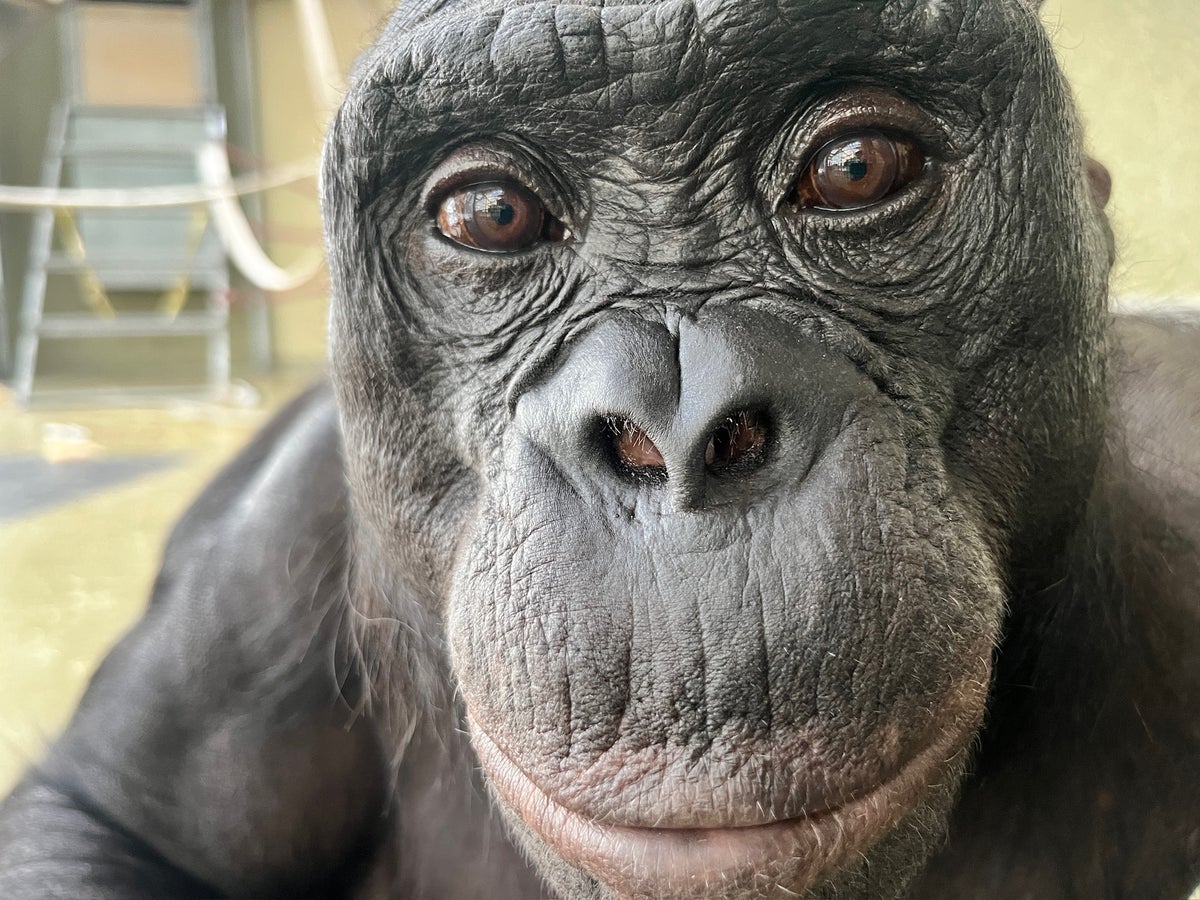
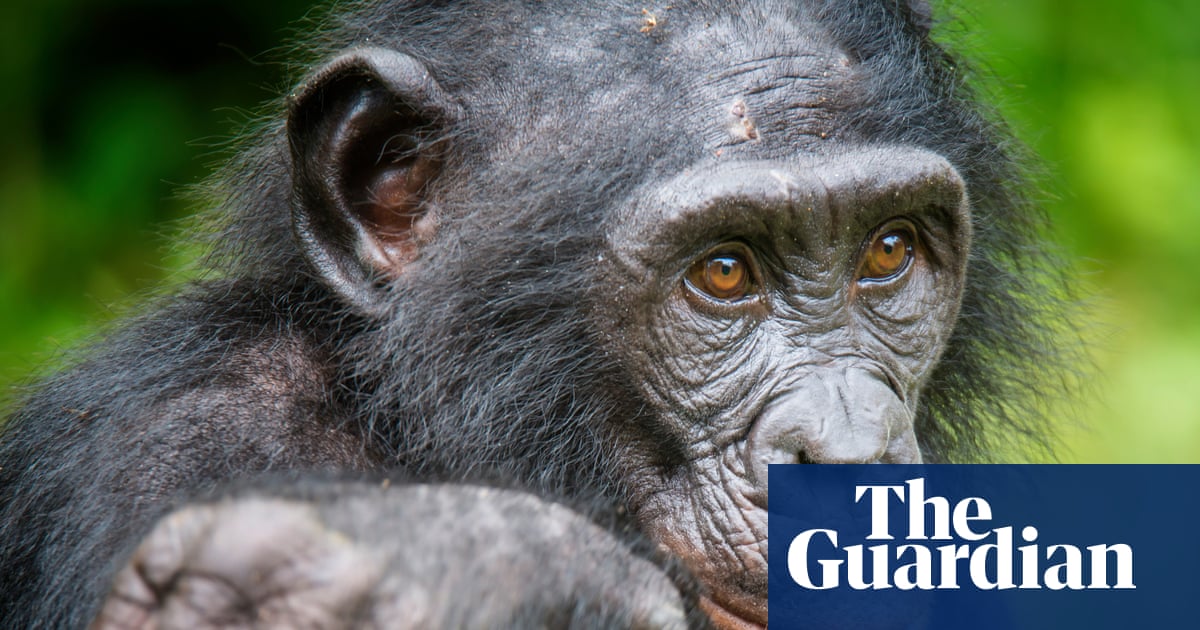
An ape, a tea party and the ability to imagine

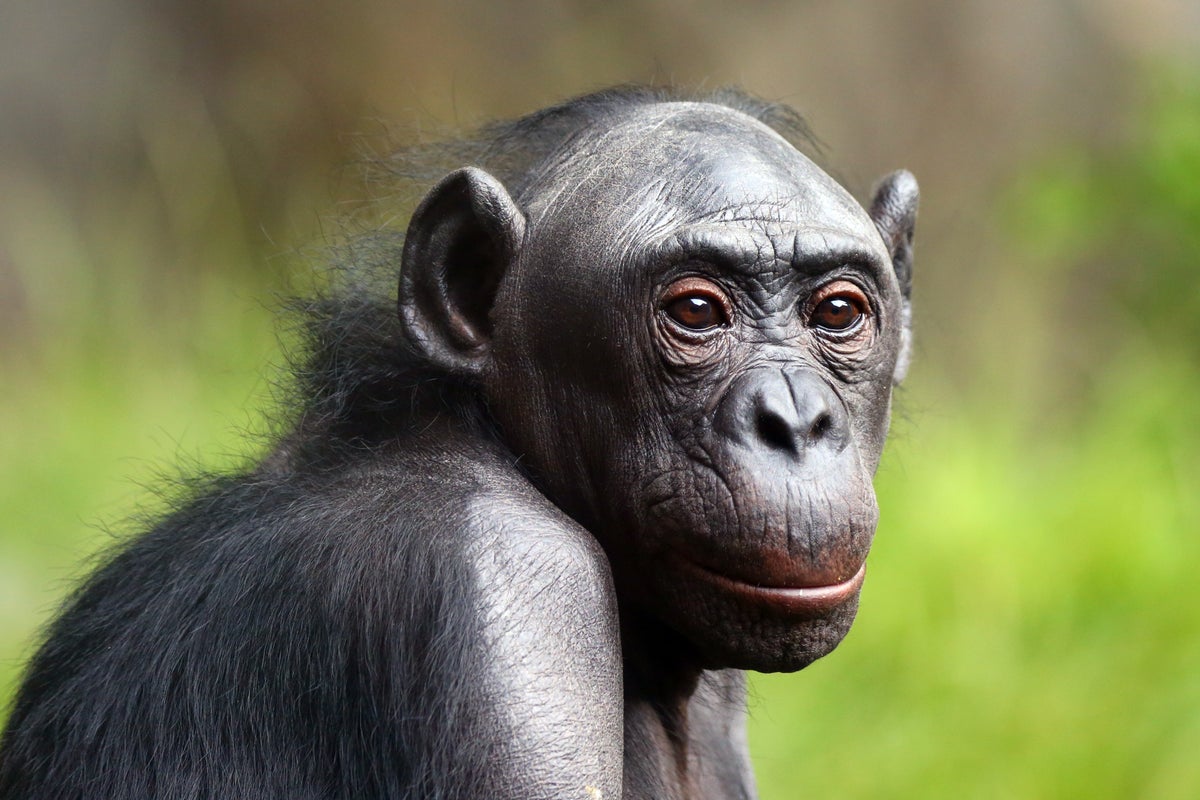
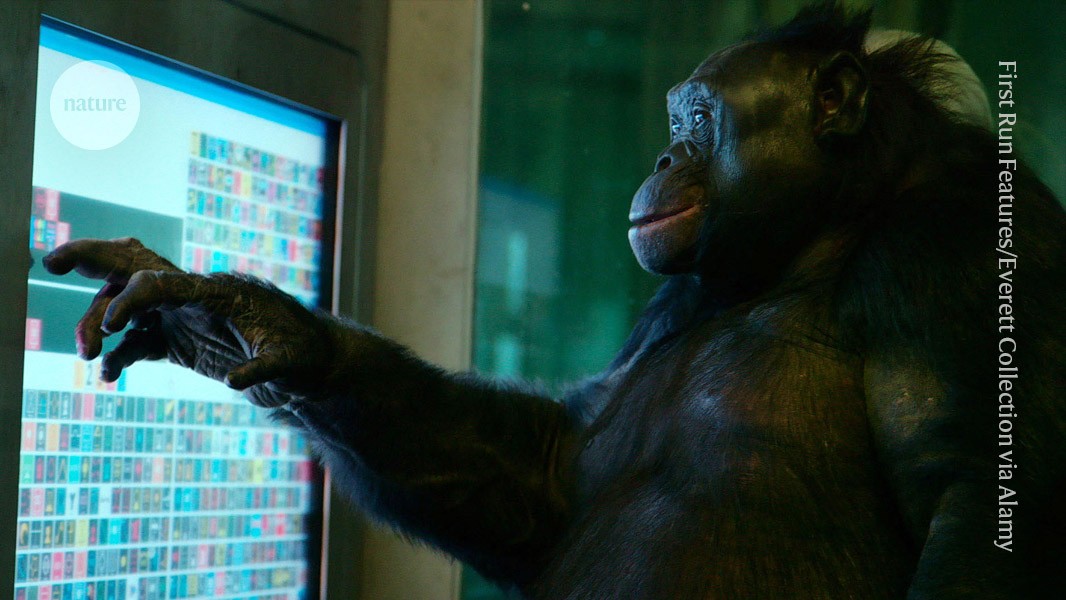
Kanzi the bonobo demonstrated pretend play, indicating imaginative abilities existed in common ancestors of humans and great apes.
fromPsychology Today
1 month ago

Tool Use By Animals: Why the Hype and Why It's So Important

Recently, two unexpected examples by a wild wolf and a domesticated cow named Veronika attracted global attention and once again opened the door for experts and others to weigh in on the question, "Are these really examples of tooling?" Many people are eager to know more about the nitty-gritty details of tooling, so I am thrilled that Dr. Benjamin Beck, an expert in this area, could answer a few questions about this fascinating behavior.
Science
fromwww.scientificamerican.com
2 months ago

Meet the Ancestor That Connects Us to Neandertals and Denisovans

New research published today in Nature dates the boneschipped out from a cave called Grotte a Hominides and nearby it over decadesto about 773,000 years ago, during the era of the last common ancestor of Homo sapiens, Homo neanderthalensis and Denisovans (a group of humans that ranged across Asia and that does not have an agreed-upon species name). We can say that the shared ancestry between these three species is perhaps in Grotte a Hominides in Casablanca, says study co-author Abderrahim Mohib, a prehistorian at the National Institute of Archaeology and Heritage Sciences in Rabat, Morocco.
Science
Science
fromArs Technica
2 months ago

We have a fossil closer to our split with Neanderthals and Denisovans

Casablanca fossils are North African counterparts to Homo antecessor, positioned near the split that led to Neanderthals/Denisovans and the lineage toward modern humans.
fromLGBTQ Nation
2 months ago

Study finds widespread same-sex behavior among primates & could help explain why nature is so gay - LGBTQ Nation

The study's authors researched 96 peer-reviewed studies documenting SSB to compile one of the most comprehensive datasets for primates to date. The study found that SSB are a "persistent and integral component of primate social [practices]." In fact, the prevalence of SSB across a variety of closely related primate species - and over several lines of descendants - "indicates a deep evolutionary root or multiple independent evolutionary origins," the study's authors wrote.
Science
Science
fromwww.scientificamerican.com
1 month ago

Kissing goes back 21.5 million years. How it originated remains a mystery

Kisses create long-lasting emotional memories, ranging from perfectly timed intimate moments to staged cinematic kisses, while the biological reasons for kissing remain unclear.
Science
fromwww.scientificamerican.com
2 months ago

Can You Tell What This Monkey Is Thinking from Its Face?

Both medial and lateral cortex jointly generate facial expressions, with lateral cortex encoding rapid movements and medial cortex operating at a slower tempo.
#bonobo-cognition
fromNature
1 month ago
Science

This bonobo had a pretend tea party - showing make believe isn't just for humans

fromNature
1 month ago
Science

This bonobo had a pretend tea party - showing make believe isn't just for humans

Science
fromwww.scientificamerican.com
2 months ago

This is the most complete skeleton yet of our ancestor Homo habilis

A new, unusually complete Homo habilis skeleton from Lake Turkana shows a small, less modern body with long, ape-like arms and primitive proportions.
#same-sex-behaviour
fromPsychology Today
2 months ago

The Link Between Thinking and Being

Metaphors are linked to how we experience the world around us, according to seminal work by researchers George Lakoff and Mark Johnson. In English, we "move forward" with our lives and don't "retreat into" the past. We speak about people who are "cold as ice" and "heavy" matters we need to resolve. Some of these metaphorical expressions are more than just, well, expressions-they are actually based on our sensory experiences. This mind-body link is called "embodied cognition."
Science
Science
fromArs Technica
2 months ago

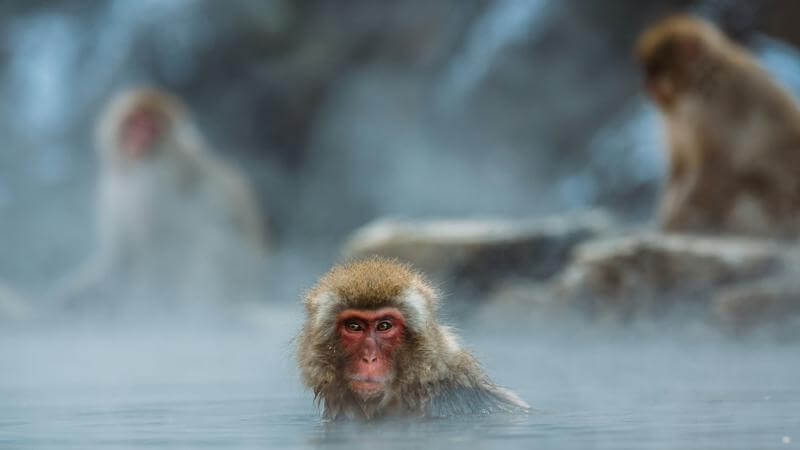
Macaque facial gestures are more than just a reflex, study finds

Multiple cortical regions jointly generate facial gestures in macaques, with distinctions between social and non-social actions arising from different temporal neural codes rather than separate anatomical loci.
[ Load more ]