#industry-contraction
#industry-contraction
[ follow ]
#inflation #labor-market #us-economy #job-growth #unemployment-rate #unemployment #gas-prices #economic-impact
#us-economy


US politics
fromFortune
9 hours agoThe economy can shed jobs and still keep the labor market balanced, as Trump's immigration crackdown turns breakeven hiring negative | Fortune
The U.S. labor market shows a negative breakeven rate of employment growth due to immigration restrictions, indicating potential job losses without rising unemployment.
US Elections
fromFortune
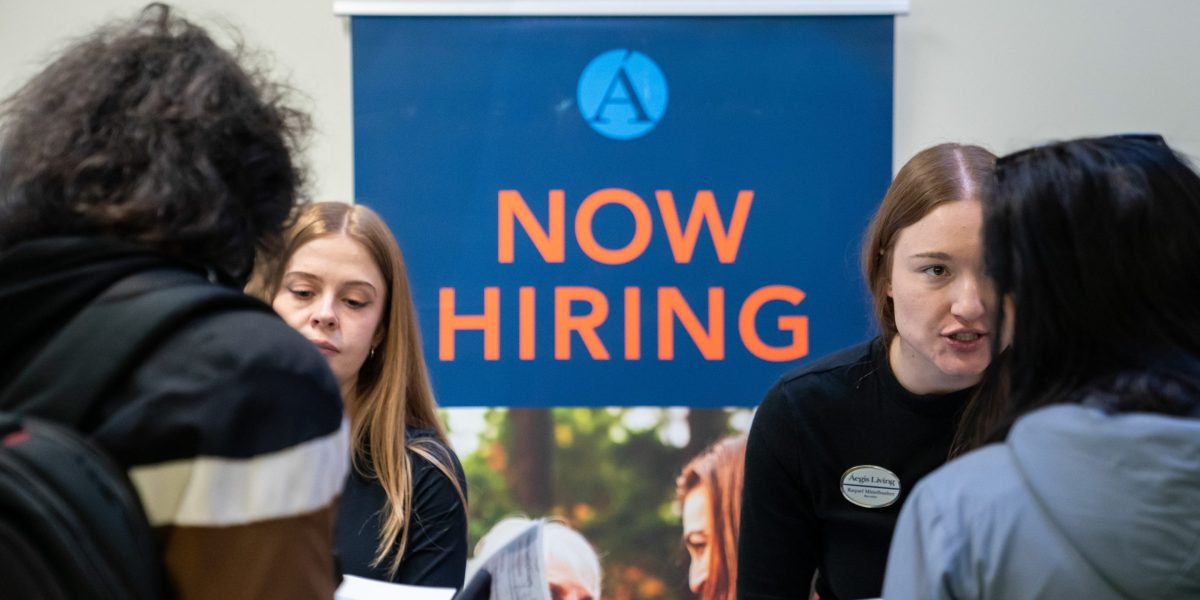
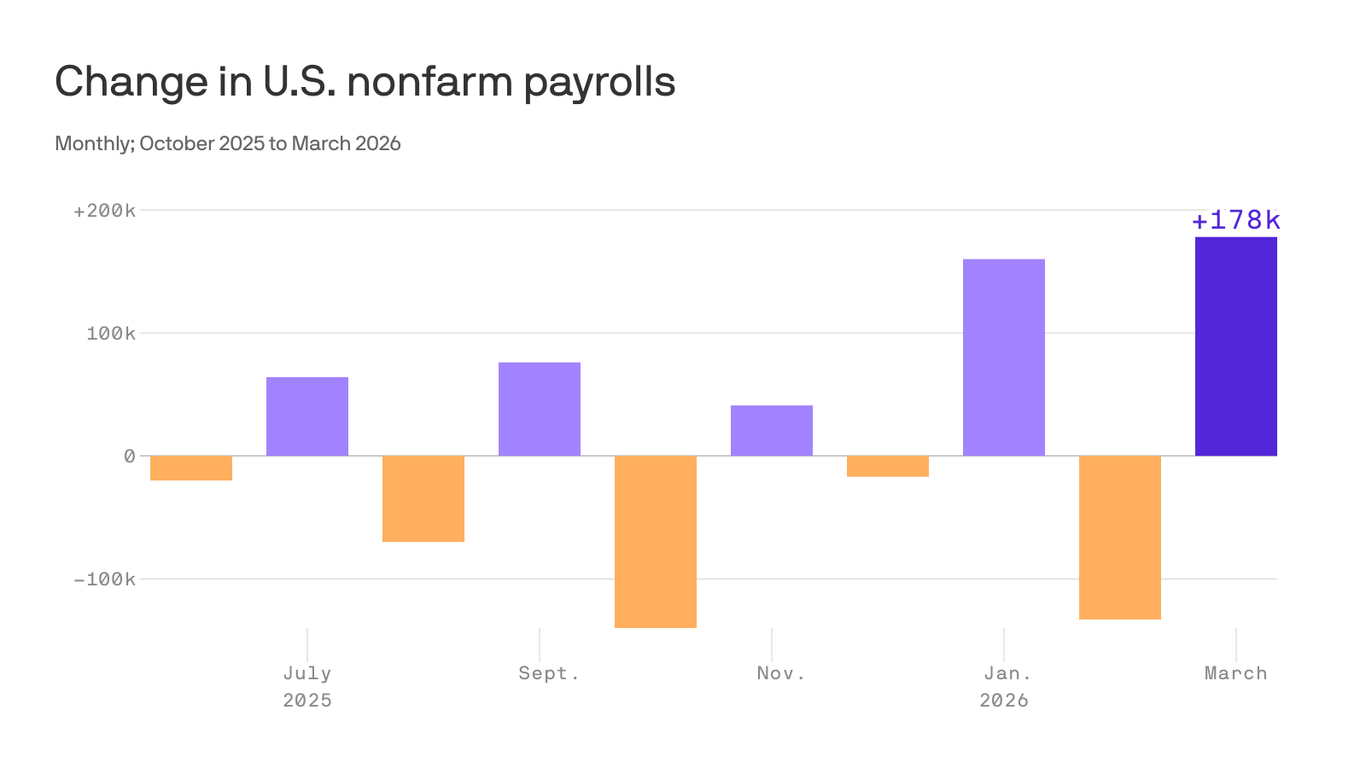
1 day agoThe jobs report looks good 'for the wrong reasons,' top economist warns: It's hiding how many Americans are giving up | Fortune
The U.S. economy added 178,000 jobs in March, with the unemployment rate decreasing to 4.3%, but concerns about labor force participation persist.
UK politics
fromwww.theguardian.com
12 hours agoTrussonomics still haunts parties' economic promises in run-up to UK local elections | Phillip Inman
Local and regional elections in the UK reveal extravagant spending promises from various parties, often funded by cuts or borrowing without clear economic consequences.

fromwww.businessinsider.com
17 hours agoYour produce bill is about to get pricey as the Iran war jacks up US food costs
"Fresh food and perishables are almost like the canary in the coal mine," when energy prices go up, according to Vidya Mani, an associate professor at the University of Virginia's Darden School of Business.
Agriculture


Alternative transportation
fromStreetsblog USA
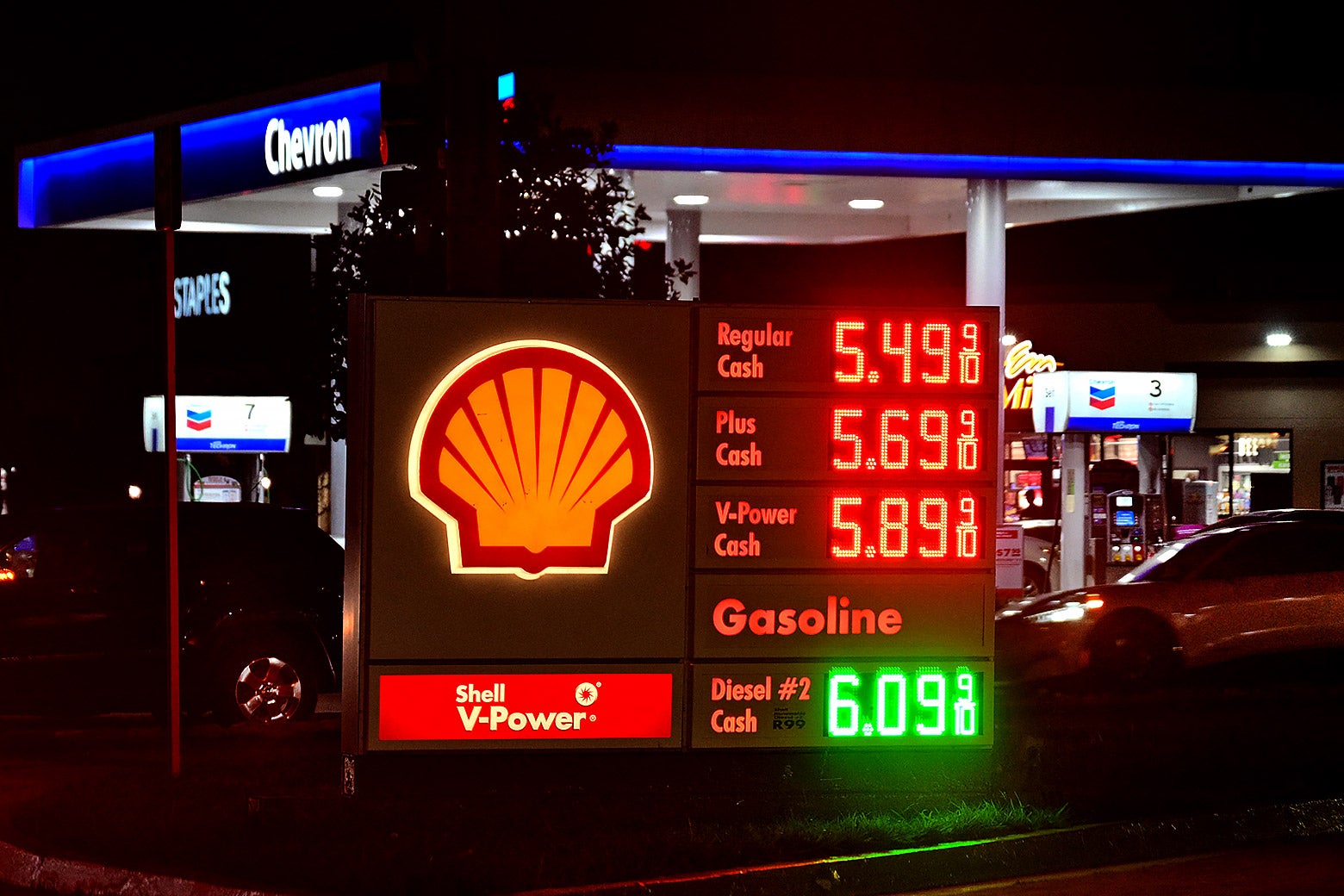
5 days agoTrump's 'Freedom Means Affordable Cars' Rings Hollow As Gas Prices Surge - Streetsblog USA
Rising gas prices challenge the Trump administration's oil consumption strategy and highlight the need for better mobility alternatives in American cities.


World news
fromLondon Business News | Londonlovesbusiness.com
3 days agoDollar extends pullback amid softer labour signals and easing risks - London Business News | Londonlovesbusiness.com
The dollar weakened due to softening monetary policy expectations and reduced demand as a safe-haven asset amid easing Middle East tensions.
fromFortune
4 days agoA Wall Street vet's Walmart recession indicator just hit its highest point since 2008-and he says the fear 'just keeps multiplying' | Fortune
'Walmart Worries' just keep multiplying. It's currently close to the highest level ever recorded which was during the Great Financial Crisis of 2008-09.
Business


#iran
World politics
fromFortune
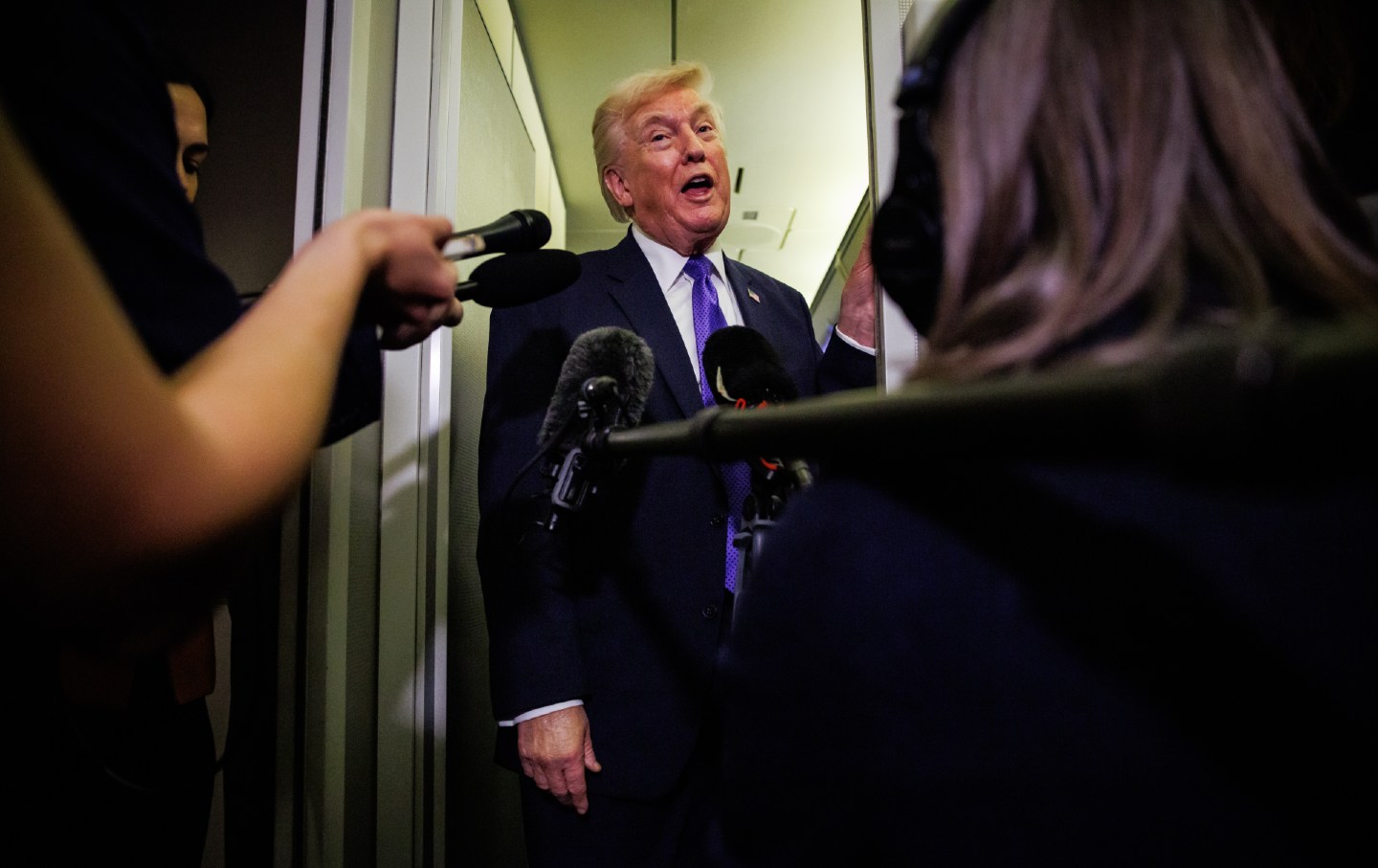
2 days agoPaul Krugman smacks down Trump speech with argument that $4 gas is 'less than half' of the Hormuz hit. Here's what he's talking about | Fortune
President Trump emphasizes U.S. strength in Iran while downplaying reliance on the Strait of Hormuz, despite its critical role in global trade.
Artificial intelligence
fromFortune
3 days ago'Inflationary surge': Fed economists warn AI hype is overheating the economy whether or not the technology ever delivers | Fortune
AI optimism may hinder productivity and contribute to short-term inflation as households and businesses react to perceived future gains.
fromBusiness Matters
5 days agoUK firms enter new energy crisis weaker than in 2022, distress index warns
The Weil European Distress Index shows that financial pressures on European companies had already moved into 'distress territory' before the escalation of tensions involving Iran, leaving firms with far less capacity to absorb another energy-driven shock.
Europe news
World politics
fromwww.theguardian.com
3 days agoA third inflationary shock in less than a decade is coming: who will pay the price this time around? | Aditya Chakrabortty
Daniel Yergin highlights the vulnerability of global oil supplies through the Strait of Hormuz and the consequences of military actions against Iran.
fromAxios
3 days agoThe American consumer stands firm
"Jobs may be a bit modest when we look out over the last couple of years, but pay is telling a different story - that there is still a little bit of tightness in this labor market," ADP chief economist Nela Richardson told reporters Wednesday morning.
Business
fromFortune
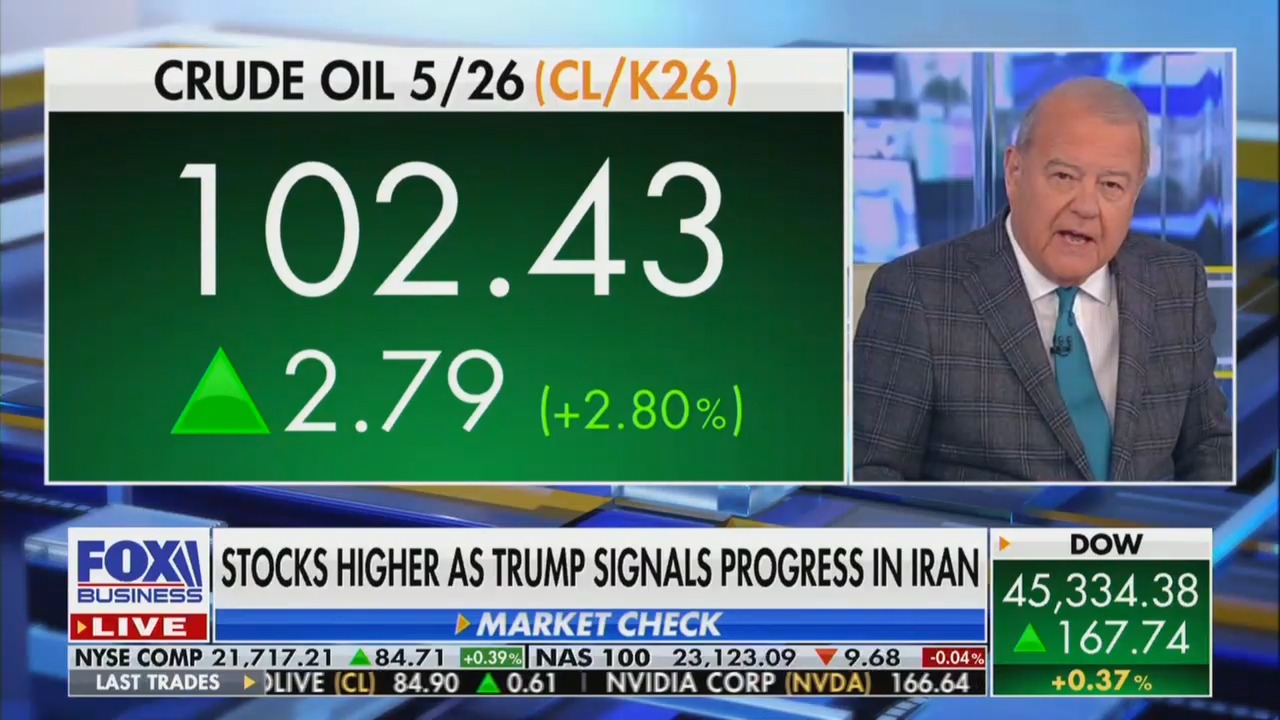
5 days agoBond yields are falling even as oil tops $102, showing that Wall Street fears recession more than inflation | Fortune
"Oil prices are higher again this morning, but Treasury yields are lower as the risks to economic growth begin to take precedence over the risks to inflation," Oxford Economics said in a note on Monday.
World news
fromLondon Business News | Londonlovesbusiness.com
2 days agoUS dollar rose amid a rebound in geopolitical concerns - London Business News | Londonlovesbusiness.com
The US dollar returned to the upside as geopolitical fears rebounded after US President Trump's address to the nation. The rhetoric fuelled risk aversion and flows toward the dollar while oil prices surged.
US Elections
Business
fromFortune
5 days agoA CEO trying to reindustrialize America says blue-collar pay is headed for 'massive hyperinflation' and kids should skip college to become welders | Fortune
The knowledge economy is declining due to AI, increasing demand for blue-collar jobs and potentially higher salaries.
fromLondon Business News | Londonlovesbusiness.com
2 weeks agoThe significant events in the global economy over the past week - London Business News | Londonlovesbusiness.com
Weak performance in several service sectors offset gains in retail and wholesale trade, reinforcing concerns about the pace of economic recovery. Japan relies heavily on oil imports from the Middle East, making it particularly sensitive to disruptions in the region.
UK news
US politics
fromABC7 Los Angeles
3 weeks agoTrump's 'roaring' economy meets a rough start to 2026: What the latest numbers show
Trump's promised economic boom has failed to materialize, with 2026 starting with job losses, rising gas prices, and stock market volatility despite his confident State of the Union predictions.
UK news
fromLondon Business News | Londonlovesbusiness.com
3 weeks agoGlobal turmoil to hit growth and push up inflation - London Business News | Londonlovesbusiness.com
UK GDP growth remains weak at 1.0% in 2026, driven by services sector while construction and manufacturing contract, with business investment stalling and unemployment rising to 5.5%.
Business
fromFortune
4 weeks agoThe abysmal February jobs report shatters hopes of a labor market recovery for 2026 and leaves the Fed 'between a rock and a hard place' | Fortune
The U.S. economy lost 92,000 jobs in February, marking the worst monthly decline since October, with unemployment rising to 4.4% and payrolls contracting in two of the last three months.
UK news
fromLondon Business News | Londonlovesbusiness.com
1 month agoGrowing economic uncertainty as British workers' confidence in job security weakens - London Business News | Londonlovesbusiness.com
UK job security confidence has fallen to a six-month low of 92.6, signaling economic pressures affecting household sentiment and potentially reducing consumer spending.
US Elections
fromwww.aljazeera.com
4 weeks agoUS job market stalls, unemployment rate rises before Fed decision
The US economy lost 92,000 jobs in February with unemployment rising to 4.4%, driven by healthcare sector losses and tariff-exposed industry weakness despite economist forecasts of job gains.
fromHuffPost
2 months agoSex Workers Already Predicted There's A Recession Coming - Here's How They Know
Although De Noire is based in Europe, she believes that economic upheaval in the United States "triggers huge uncertainty" across the pond because of America's global influence. De Noire first noticed a decline in business right after Donald Trump was elected in November 2024, as Americans and the rest of the world anticipated upheaval. "I didn't even bother working South by Southwest because the first Friday night I attempted to work, I walked into a completely empty club and didn't make any money at all,"
US politics
fromLondon Business News | Londonlovesbusiness.com
1 month agoUK manufacturing sees slower decline amid weak orders and elevated costs - London Business News | Londonlovesbusiness.com
UK manufacturing output fell in the three months to February, although the rate of decline eased compared with January, according to the Confederation of British Industry's (CBI) latest Industrial Trends Survey (ITS). Manufacturers expect output to continue falling at a broadly similar pace in the three months to May, highlighting ongoing challenges across the sector. The survey, based on responses from 305 manufacturers, also showed that total and export order books remain historically weak, while expectations for selling price inflation stayed elevated.
UK news
[ Load more ]