#joseph-cross
#joseph-cross
[ follow ]
#contemporary-art #art #sculpture #performance-art #public-art #photography #street-art #art-exhibition #art-market
fromAnOther
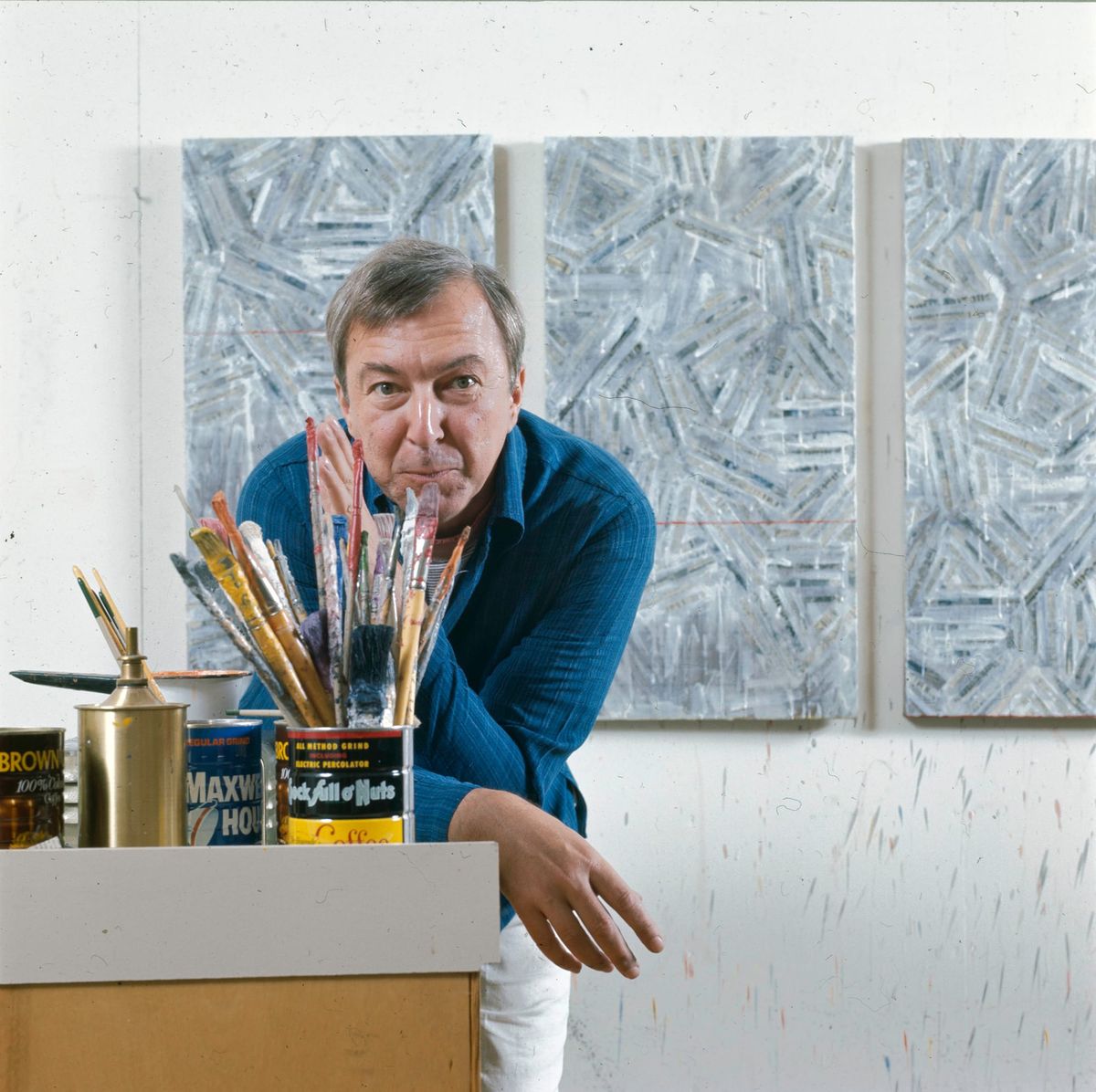
3 hours agoYoung-jun Tak's Eyes Are Always on the Audience
"It's bizarre to watch people in this way - even in gay cruising areas you wouldn't stare at other bodies this intensely. Now, whenever I go to a concert, especially at the Berliner Philharmonie with its encircling seating, my gaze hovers over the audience as well as the stage."
Berlin
fromOregon ArtsWatch * Arts & Culture News
1 day agoRemembering Steven Oshatz: "Marking the contours" * Oregon ArtsWatch
Oshatz worked on a monumental scale to represent underwater scenes, creating a full stage silk backdrop. He also designed hand painted silk waves that dancers moved across the stage.
Portland
#sculpture
Writing
fromHi-Fructose Magazine - The New Contemporary Art Magazine
2 days agoFor Frode Bolhuis, The Figure Contains Life's Mysteries and Its Multitudes - Hi-Fructose Magazine
Bolhuis finds joy in the creative process of sculpture, emphasizing intuition and the use of polymer clay for its playful qualities and vibrant color.

Writing
fromHi-Fructose Magazine - The New Contemporary Art Magazine
2 days agoFor Frode Bolhuis, The Figure Contains Life's Mysteries and Its Multitudes - Hi-Fructose Magazine
Bolhuis finds joy in the creative process of sculpture, emphasizing intuition and the use of polymer clay for its playful qualities and vibrant color.
fromHi-Fructose Magazine - The New Contemporary Art Magazine
6 days agoKyle Cobban Draws From The Unknown - Hi-Fructose Magazine
"It's an amalgamation of the Chicago neighborhood aesthetic with a Bulls fan, quite literally. It's kind of on the nose, but that's how I juxtapose the elements of my work, with the structure of a home and then a figure who is around or in the home."
Chicago Bulls
Design
fromdesignboom | architecture & design magazine
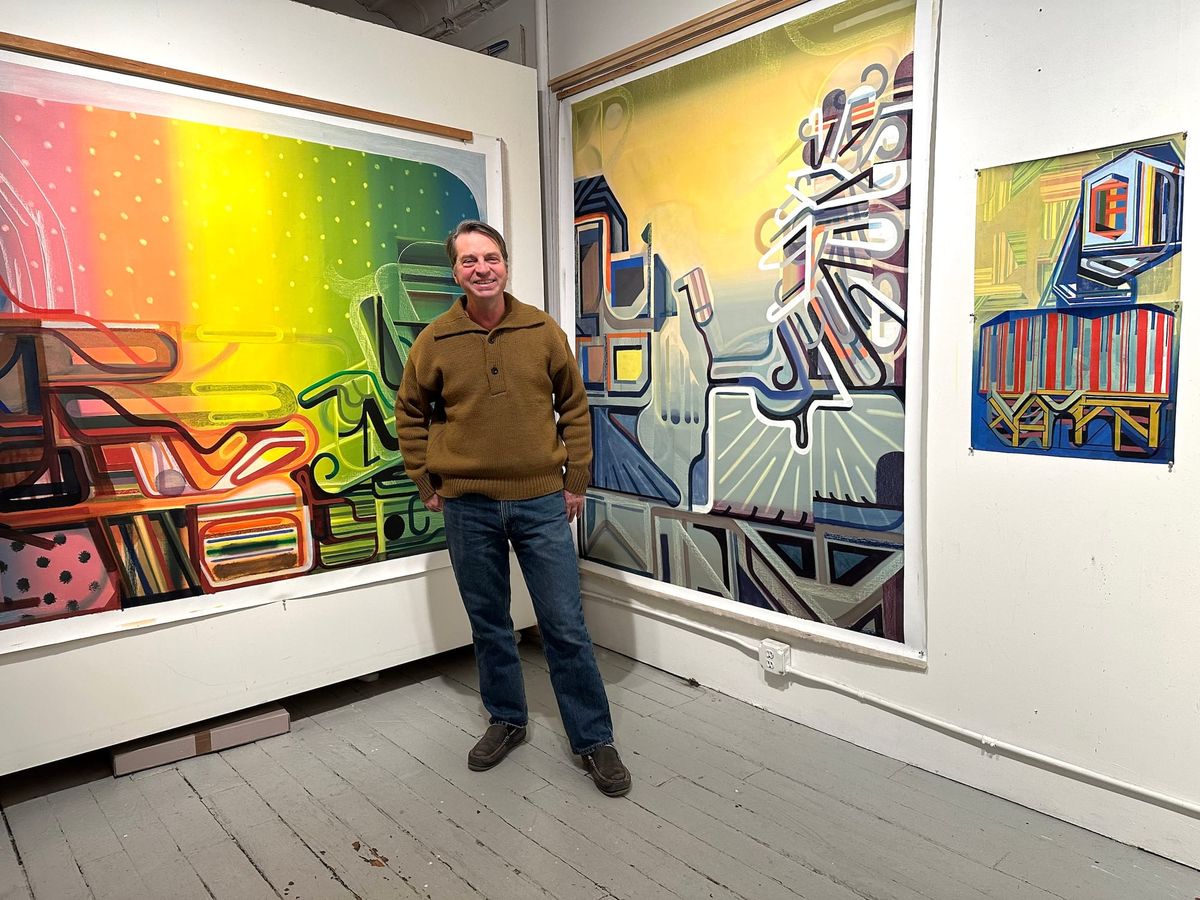
1 day agoadam haar horowitz crafts devices that turn sleep state into space for design and creativity
Dormio transforms sleep into a creative medium by detecting the hypnagogic state and guiding thought processes during the transition from wakefulness to sleep.
#public-art

fromdesignboom | architecture & design magazine
4 weeks agoArts
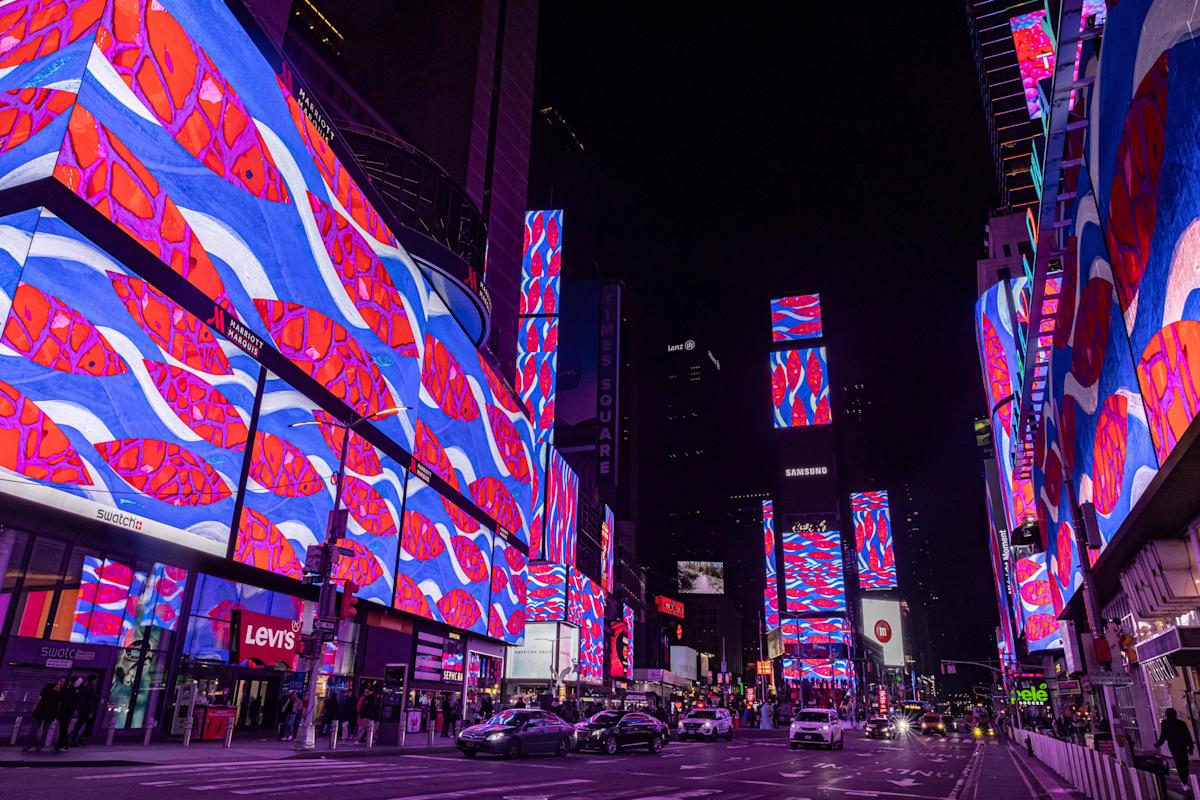
'horizons' at perrotin LA to show JR's california works from prison yards to border wall
JR's 'Horizons' exhibition at Perrotin Los Angeles showcases large-scale photographic artworks created across California, transforming public spaces by placing enlarged portraits of individuals and communities onto architectural and landscape surfaces.
Arts
fromdesignboom | architecture & design magazine
4 weeks ago'horizons' at perrotin LA to show JR's california works from prison yards to border wall
JR's 'Horizons' exhibition at Perrotin Los Angeles showcases large-scale photographic artworks created across California, transforming public spaces by placing enlarged portraits of individuals and communities onto architectural and landscape surfaces.

Music production
fromItsnicethat
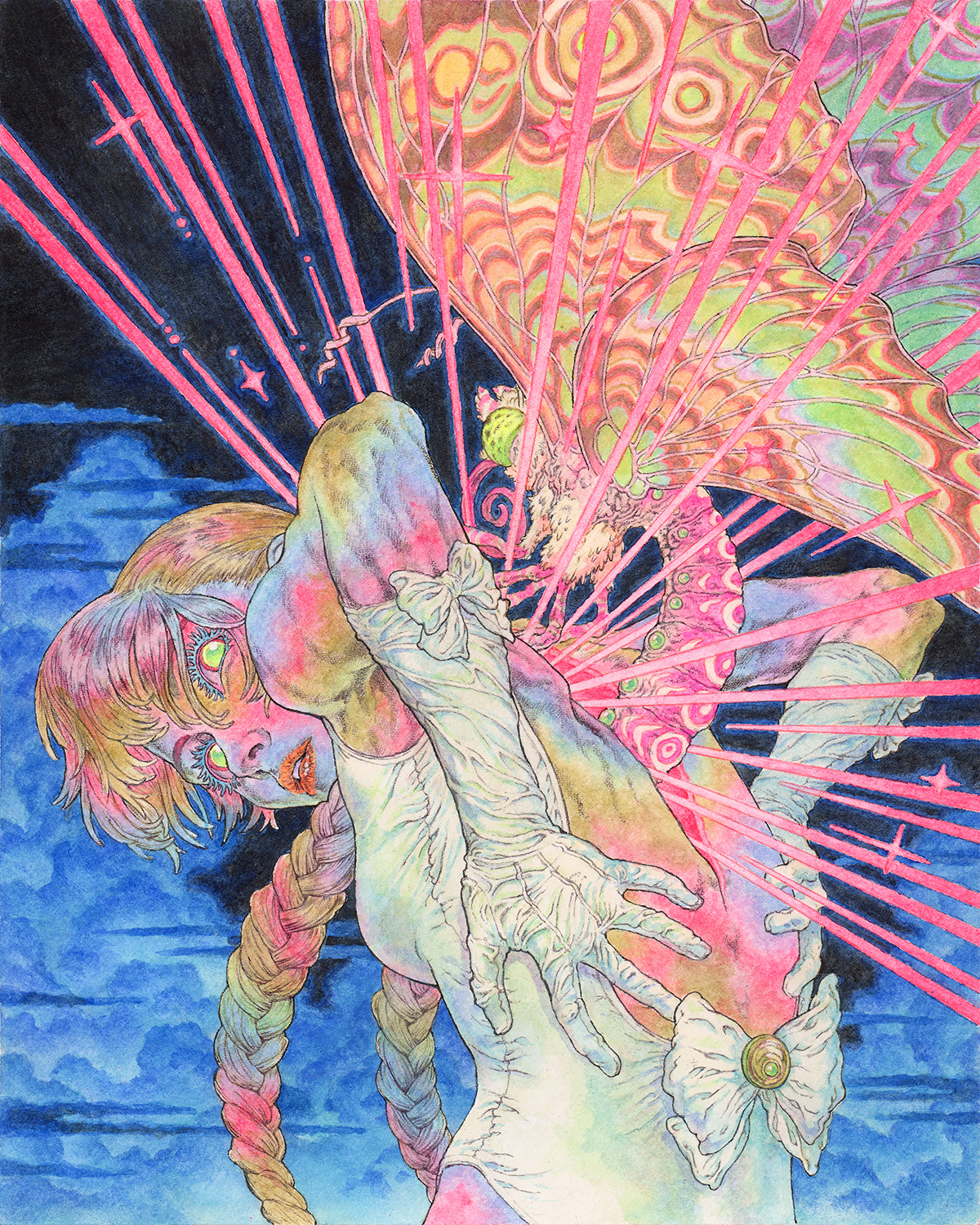
4 weeks agoThis music video captures the spirit of jazz drumming with musical glyphs and a nod to synesthesia
A visual film explores jazz music by assigning shapes to different drum sounds, creating a synesthetic experience where music transforms into colors and graphics.




Graphic design
fromHi-Fructose Magazine - The New Contemporary Art Magazine
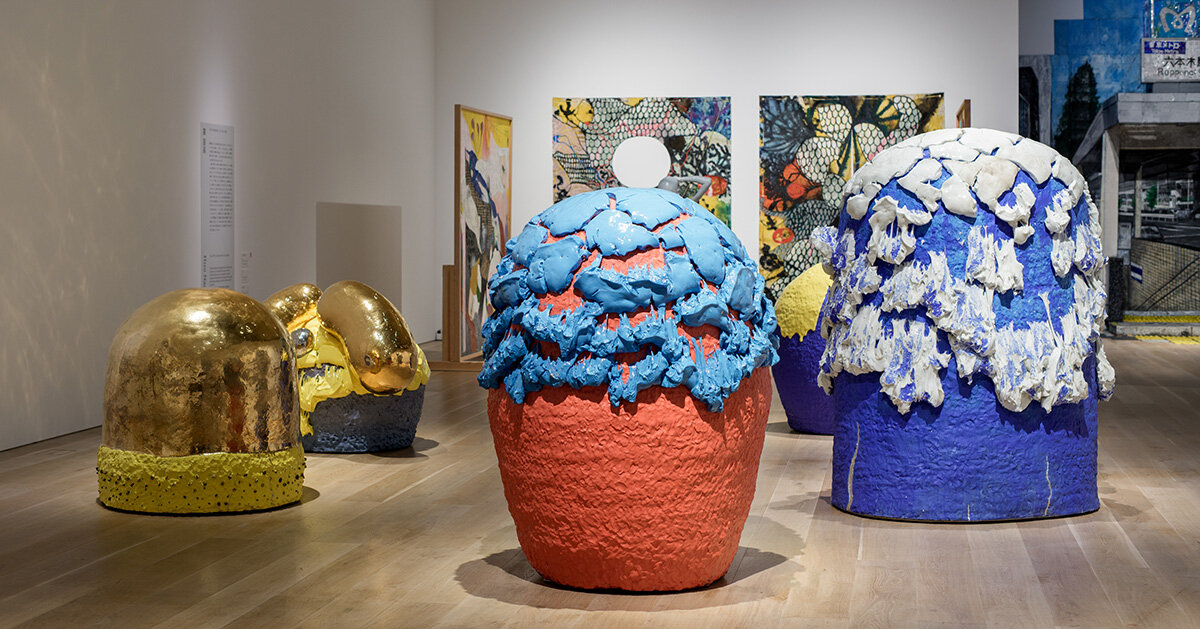
3 weeks agoIn Blob We Trust: The Art of KRK Ryden - Hi-Fructose Magazine
KRK Ryden's vibrant, chaotic home studio and colorful paintings reflect his artistic philosophy of controlled chaos organized by color, pattern, and theme.
Arts
fromThe Art Newspaper - International art news and events
2 days agoArtist Michelangelo Pistoletto sends message of 'preventive peace' on digital billboards around the world
Michelangelo Pistoletto's public art project 'Three Mirrors' promotes 'preventive peace' through reflective works displayed globally.
fromItsnicethat
4 weeks agoBraulio Amado on why there is unlimited inspiration in the world, if only we become "crazy enough to look for it"
Braulio gives the crowd an incredible insight into a decade's worth of poster designs for Good Room, revealing how he finds inspiration in the most mundane things just by paying attention to what has 'already been designed' and remixing it into something new.
Design
fromArtnet News
3 days agoThe Business of KAWS: What Data and a Museum Show Reveal About His Market | Artnet News
KAWS has shown an uncanny ability to connect with a wide variety of people. Younger buyers clamor for his $50 Uniqlo T-shirts, while trophy-hunting collectors shell out millions for paintings.
Arts
fromwww.scientificamerican.com
1 month agoHow a poet uses AI to write and why her work is now at MoMA
Poetry and artificial intelligence can appear as oppositesone deeply human; the other cold and mechanical. Sasha Stiles sees them as expressions of the same impulse. Poetry, the Kalmyk- American poet argues, is one of our most ancient and enduring technologies, a system of meter and rhyme invented to store vital information. She views AI as its natural heir. Stiles's path to AI began with literature, not code.
Artificial intelligence
fromItsnicethat
2 months agoUnreal nature: Inside Mark Dorf's digital vivariums and infinite livestreams
Inside NYC-based artist Mark Dorf's project Late Pastoral, the ecological world is trapped in a rear-illuminated print. It's real - but something is off, it's been digitally altered, data-noise clutters images of glowing plant life. Shaped by the pervasive influence of technology, design and the rhythms of digital connectivity, even nature becomes at one with the unreal. Non-human nature is the main thesis of Mark's wide-spanning digital art works, offering reflections on our digital age.
Film
Arts
fromwww.amny.com
3 weeks agoA Living Canvas: Adrian K and the alchemy of art, appetite, and atmosphere at Pinky Swear | amNewYork
Adrian K's three-month residency at Pinky Swear merges art with social participation, using reclaimed materials to create work that balances ethereal beauty with urgent activism and circular economy principles.
#performance-art
Arts
fromBerlin Art Link
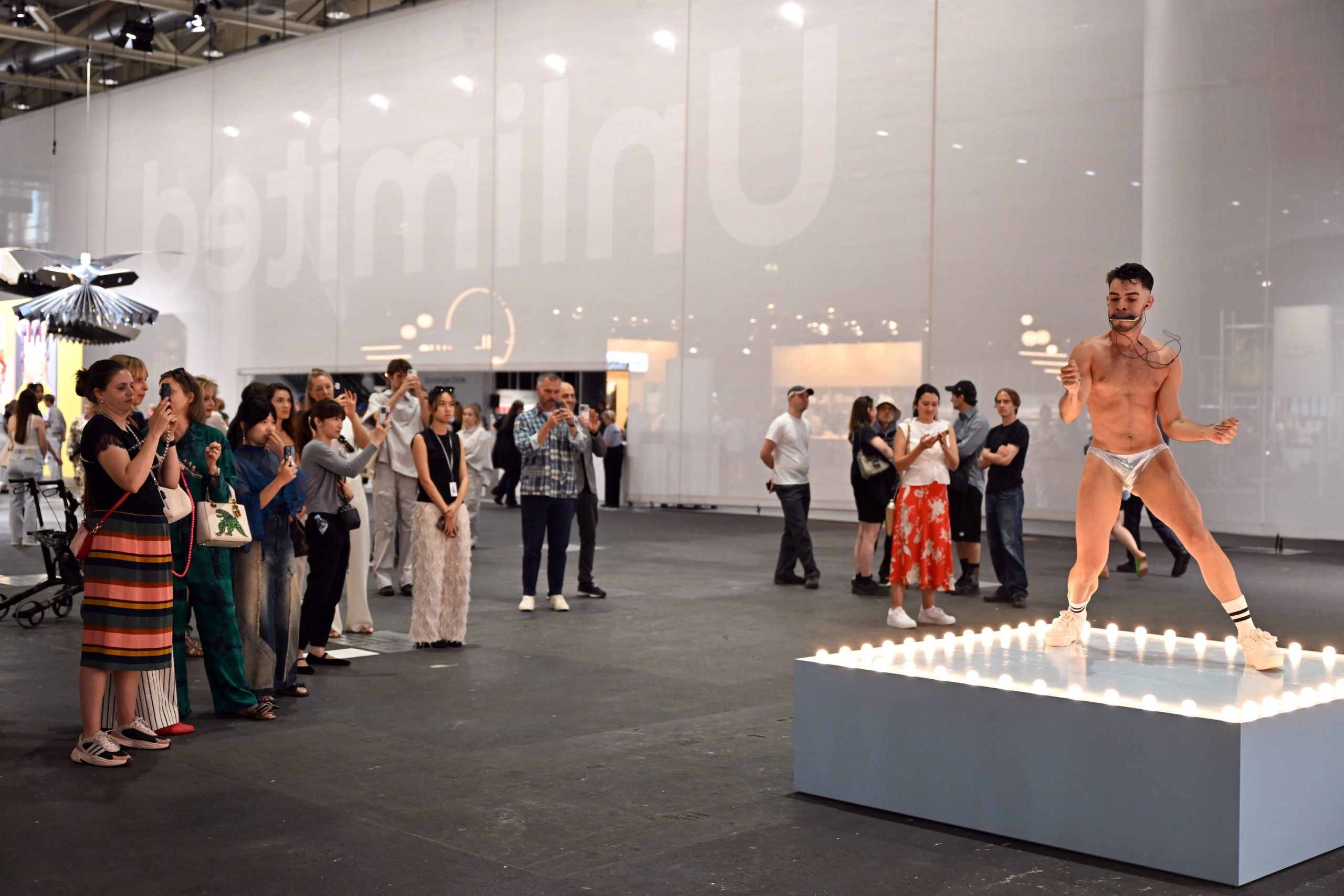
3 weeks agoAn Interview with William Joys | Berlin Art Link
Theater exposes hidden power dynamics through the body's presence, with artist William Joys exploring these relations through 'The Actress' character who transgresses social hierarchies and blurs distinctions between subject and object.
Arts
fromBerlin Art Link
3 weeks agoAn Interview with William Joys | Berlin Art Link
Theater exposes hidden power dynamics through the body's presence, with artist William Joys exploring these relations through 'The Actress' character who transgresses social hierarchies and blurs distinctions between subject and object.
Design
fromItsnicethat
2 months agoThere is no right way, just the creative way: Alex Tan on Mouthwash Studio's multi-media projects
Creative strategy requires flexible, multidisciplinary approaches that combine visual identity, editorial products, and physical spaces to enable imaginative teams and impactful work.

fromHyperallergic
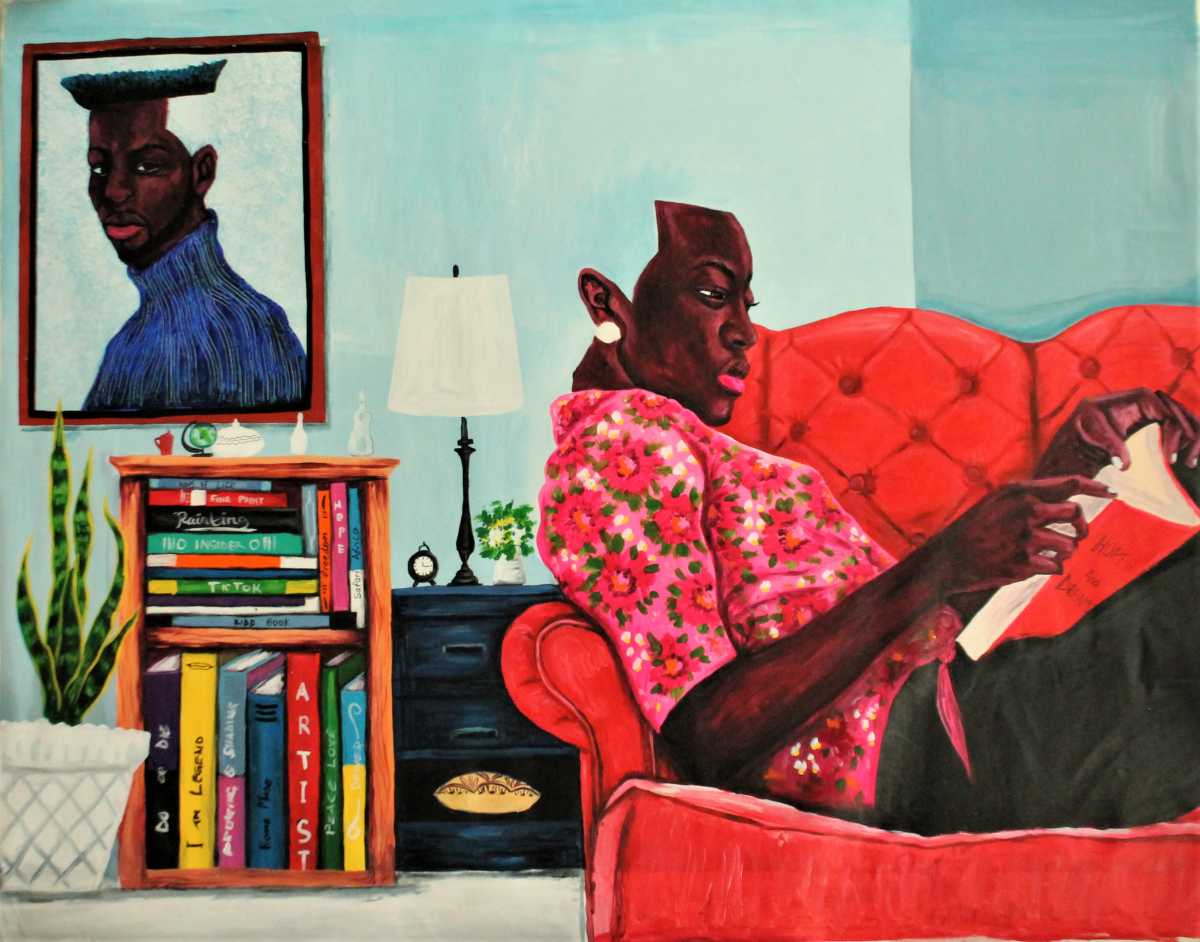
3 weeks agoEmbracing Friction in the Art World
On Franklin Street in Brooklyn's Greenpoint neighborhood, one non-commercial gallery fosters 'a small, stubbornly human space for friction.' Friction—the ubiquitous buzzword that captures the simultaneous delight and discomfort of doing things the slow way—is at the heart of artists Pap Souleye Fall and Char Jeré's current show at Subtitled NYC. It also reflects the overall spirit of this little exhibition space and of a burgeoning movement to reject our culture of optimization in favor of a bumpier, more intimate, less alienating experience.
Arts
fromwww.amny.com
2 months agoThe Modern Salon redefines art and brings quiet design authority to the Winter Show | amNewYork
In the midst of the fabulous The Winter Show last weekwhere connoisseurship, collecting, and cultivated taste converge under one vaulted roofthere was a moment of pause, exhale, and recalibration at the heart of the fair: the VIP Collectors Lounge. This year, not as sponsorship, but as philosophy made spatial. It was titled The Modern Salon. Conceived and designed by frenchCALIFORNIA, The Modern Salon rejected the trade-fair instinct toward visual noise and brand fragmentation.
Design
Design
fromThe Art Newspaper - International art news and events
2 months agoHow an artist's sketch was turned into a museum
A museum design translates a blue-house and white-tower sketch into a tiled architectural language reflecting regional materials, cultural markers, and historic South–West Asian trade links.
Arts
fromJuxtapoz
1 month agoJuxtapoz Magazine - Rise above it: John Rivas @ Francois Ghebaly New York
Salvadoran-American artist John Rivas expands his mixed-media practice into hand-carved wooden sculpture, exploring cultural identity, family labor, and personal memory through material resourcefulness and collaborative processes.
Arts
fromThe Art Newspaper - International art news and events
1 month agoIn Pictures: Sculpture gets a leg up at Frieze Los Angeles
Contemporary artists showcase innovative sculptural works at art fairs, blending traditional materials with conceptual themes and attracting significant collector interest.
fromHyperallergic
2 months agoJeff Koons's Trumpian Reflections
"As I stood and looked at it on a drizzly gray day," John Yau writes of looking at a radiant painting by Edward Zutrau, "I forgot that it was raining." That's what art can do - stop you in your tracks, make you forget absolutely everything save for that essential encounter between you and the work.
Arts
fromJuxtapoz
2 months agoJuxtapoz Magazine - Polygrapher: Joseph Yaeger @ Modern Art, London
Modern Art is pleased to present Polygrapher, the first solo exhibition by Joseph Yaeger since announcing his representation by the gallery, and the inaugural exhibition at their Bennet Street gallery. Polygrapher denotes both the exhibition title and a text written by the artist, published in the exhibition's accompanying booklet. Taking the form of an interrogation the artist underwent attached to a Stoelting UltraScribe--and in which only the answers have been transcribed--it creates a framework for the experience of the subsequent paintings.
Arts
Arts
fromwww.amny.com
1 month agoKing Paris shows the sovereignty of light through his contemporary masks on display in Manhattan | amNewYork
Embellished masks and reflective surfaces in West African traditions use radiance and material brilliance to convey authority, spiritual meaning, and social order through performance.
fromHyperallergic
2 months agoA View From the Easel
Mornings are best for concentrated work. In the winter, I turn on the heat at 8am and get started around 10am. Summer, I start around 9am. I have two areas in the studio for projects. The large, heavy wood sculptures are carved in the front section of the studio, closest to the roll-up wide door. Smaller sculptures are placed on a hydraulic workbench. Before I start, I focus, connect with the Source, and ask for guidance.
Arts
fromHyperallergic
1 month agoThese Are the Artists in MoMA PS1's Greater New York Show
Taking over the museum's transformed school building starting April 16, the cross-borough survey will celebrate MoMA PS1's 50th anniversary with a bevy of site-specific installations, new commissions, and rarely seen work by 53 artists and collectives living and working across New York City. A complete list of participants is included at the end of this article. This year, Greater New York will coincide with the Whitney Biennial for the first time in the show's history.
Arts
[ Load more ]